
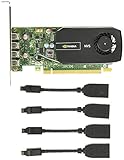
- Top Pick: QTHREE GeForce GT 210 Graphics Card,1024 MB DDR3 64 Bit,HDMI,VGA,Low Profile Video Card for PC,GPU,PCI Express 2.0 x16,SFF,Low Power
- Best Value: GIGABYTE 2GB RAM DDR3 SDRAM Video Graphics Cards GV-N710D3-2GL REV2.0 for Desktop
- Premium Choice: VisionTek AMD Radeon RX 550 4GB GDDR5 4x HDMI Graphics Card
Best graphics card for under 100 shopping in 2026 is almost entirely a second-hand exercise. New cards at this price are display adapters rather than gaming hardware, so the genuinely useful skill here is buying a used card safely and knowing which of the cheap listings deserve to be walked away from without hesitation.
As an Amazon Associate we earn from qualifying purchases at no extra cost to you. Product prices and availability are accurate as of the date shown and are subject to change.
By Ryan Cole, PC hardware writer at NvidiaReview
How to Find the Best Graphics Card for Under 100
Getting the best graphics card for under 100 requires a different approach from normal shopping. Three things matter: how to test a used card before money changes hands, which cheap products to avoid entirely, and whether your existing machine can physically power what you buy.
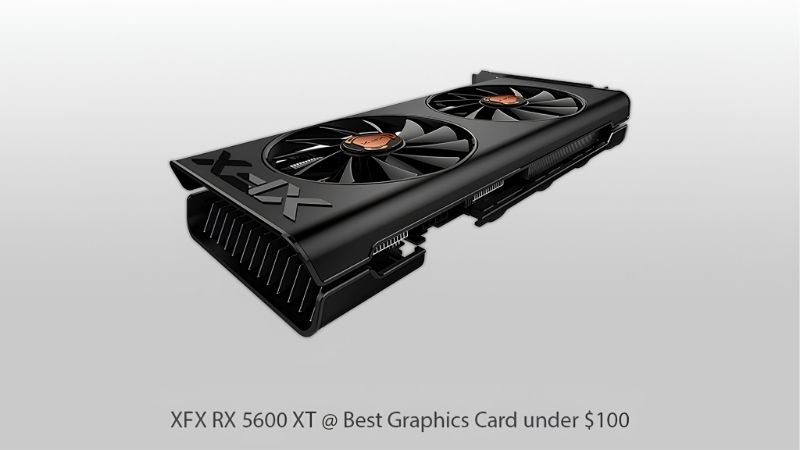
Buying Used Without Getting Burned
Graphics cards tend to either fail early or run for years, so a card that survives twenty minutes of a demanding game without visual artefacts or crashes is usually sound. Buying locally rather than shipping lets you run exactly that test before handing over any money.
Inspect the physical card too. Look for bent connectors, dust caked into the heatsink fins, and fans that do not spin freely by hand. Ask what the card was used for, and treat vague answers about a mining history as a reason to negotiate hard or walk away entirely.
What to Avoid at This Price
Several categories of cheap card are best skipped. Anything with 2GB of memory cannot handle modern titles regardless of the chip, and very low-end new cards sold with gaming branding are display output devices that will disappoint anyone expecting playable frame rates.
Be sceptical of listings quoting unusual memory figures or unfamiliar brand names, which occasionally repackage far older hardware. If a card is significantly cheaper than every comparable listing, there is usually a reason, and it is rarely one that works in your favour.
Power Connectors and Physical Constraints
Office prebuilts often have small power supplies with no spare connectors, which restricts you to cards drawing power entirely from the PCIe slot. Check what your supply provides before shopping, since discovering the problem after purchase usually means buying a supply too.
Case clearance matters as well. Slim desktops need low-profile cards with the correct bracket, and older full-height cards simply will not fit. Measure the available length and height, and confirm whether your machine takes standard or low-profile expansion cards before committing.
Top Picks: Best Graphics Card for Under 100 Options
These five candidates for the best graphics card for under 100 come mostly from the used market, where this budget still buys real performance. Pricing at this level moves constantly, so treat these as tiers checked in August 2026 and verify current listings before buying.
| Card | Memory | Bus width | Market | Power connector |
|---|---|---|---|---|
| Radeon RX 570 8GB | 8GB GDDR5 | 256-bit | Used | 6-pin or 8-pin |
| Radeon RX 5500 XT 8GB | 8GB GDDR6 | 128-bit | Used | 8-pin |
| GeForce GTX 1060 6GB | 6GB GDDR5 | 192-bit | Used | 6-pin |
| GeForce GTX 1650 | 4GB GDDR5/6 | 128-bit | Used | Often none |
| Intel Arc A310 | 4GB GDDR6 | 64-bit | New | Often none |
Radeon RX 570 8GB – Best Performance for the Money
The 8GB version pairs a generous memory buffer with a 256-bit bus, which is why it still manages 1080p gaming at medium settings while newer 4GB cards stutter. On the used market it regularly sits well below this budget, making it the value benchmark at this level.
It is an old card that draws real power, requires a supplementary connector, and many examples spent time in mining machines. Driver support is in maintenance rather than active development. Test it thoroughly before buying, and expect fan noise from a card of this age.
GeForce GTX 1060 6GB – Best Reliable Used Pick
The 1060 6GB remains one of the most widely available used cards, offering 6GB on a 192-bit bus with modest power draw from a single 6-pin connector. Its ubiquity is an advantage, since prices are competitive and finding a local seller is usually straightforward.
Performance sits below the RX 570 8GB in newer titles that lean on memory capacity, and the card is several generations behind on features. As with any card of this vintage, thermal paste has likely dried out, so budget an hour to repaste it after purchase for meaningfully better temperatures.
Radeon RX 5500 XT 8GB – Best Newer Used Option
The 5500 XT is considerably newer than the other used cards here, which means better driver support and lower power draw for similar performance. The 8GB version handles 1080p gaming at medium settings and avoids the memory limitations that hamper 4GB alternatives.
It runs at PCIe 4.0 x8, which costs some performance on older PCIe 3.0 systems, and the 128-bit bus limits it compared with the wider older cards here. Second-hand supply is also thinner than the GTX 1060. Where you find one at this price, it is a sensible middle ground.
GeForce GTX 1650 – Best for Prebuilt Machines
Many GTX 1650 models draw power entirely from the PCIe slot with no supplementary connector, which makes this the practical choice for an office prebuilt with a small supply. Low-profile versions also exist, solving the other common constraint in slim desktop machines.
The 4GB buffer is genuinely limiting in modern titles, and performance sits below the 8GB Radeon options. Check the specific model, since some variants do require a connector. Where power and clearance rule out everything else, it is the card that will actually fit and run.
Intel Arc A310 – Best New Card at This Price
The A310 is one of very few new cards near this budget, offering 4GB of memory, a modern media engine and low-profile options that suit compact machines. Buying new brings a warranty and a card with no unknown history, which has real value at the bottom of the market.
Gaming performance is minimal and the 64-bit bus limits it severely, so treat it as a display and media card rather than a gaming one. Intel drivers also handle older titles less predictably than the alternatives. For a home theatre machine or a light desktop, it does that job well.
What the 2026 GPU Market Means at This Budget
The bottom of the graphics market has effectively disappeared this year, which is why the best graphics card for under 100 is almost always a used one now. Three factors are worth understanding before you start browsing local listings.
The Entry Tier Has Been Squeezed Out
NVIDIA cut partner supply by roughly 20 percent and prices have climbed about 19 percent globally since late 2025, with manufacturers concentrating on mid-range and premium models. The cheapest new cards were the first casualties, since margins there were thin already.
That is why used hardware dominates this list. A card that cost several times this budget when new has depreciated to within reach, and it will outperform anything new at the same price by a wide margin, provided you test it properly before handing over any money.
Waiting Will Not Improve Things Soon
The next generation of graphics cards has slipped to CES in January 2027, and refreshed models have been held back by memory supply constraints. Nothing imminent will restore the entry tier, so waiting for cheap new cards to reappear is not a realistic strategy this year.
If you need display output today, buy a tested used card. If your processor has integrated graphics and your needs are light, using those while saving toward a proper card is frequently the better plan than spending this budget on hardware you will replace within a year.
Used Prices Have Firmed Up Too
When new cards become scarce and expensive, used prices follow them upward. Cards that sat at bargain levels two years ago now attract far more interest, which means less negotiating room and much faster sales on local listings than second-hand buyers have been used to.
The practical response is to move quickly on fairly priced listings and to test properly rather than haggling endlessly. Prices referenced here reflect August 2026 and shift constantly at this tier, so check current local listings before setting your expectations.
Frequently Asked Questions
The questions buyers ask most at the very bottom of the market: how to test a used card properly, whether ex-mining cards are safe, what this budget can realistically play, and whether the best graphics card for under 100 is worth buying at all right now.
How do I test a used card before buying?
Run a demanding game or a stress test for fifteen to twenty minutes and watch for visual artefacts, crashes or fan noise that changes pitch. Check that all display outputs work. A card that survives that without incident is very unlikely to fail shortly afterwards.
Are ex-mining cards safe to buy?
Often, though not always. Mining runs cards at steady load, which is gentler on components than repeated heating and cooling, but fans wear out and thermal pads degrade. Expect to replace the paste and possibly the fans, and price the card accordingly during negotiation.
What can this budget realistically play?
Esports titles at 1080p comfortably and older single-player games at medium settings. Current releases will need low settings and reduced resolution, if they run acceptably at all. Set expectations around games from a few years ago rather than this year’s releases.
Is it worth buying at all, or should I save?
If you need a working display output now, buy. If your machine already works with integrated graphics and you mainly play lighter titles, saving toward a card in a higher bracket usually delivers far more value than spending this budget on hardware you will replace soon.
See More:
- Best thermal compound paste
- Thermal paste at Best Buy
- Graphics card at Best Buy
- Best AM4 CPU for gaming
- Best motherboard for 9800x3d
Final Thoughts
The best graphics card for under 100 is a tested used RX 570 8GB or GTX 1060 6GB rather than anything new at that price. Buy locally, run the card for twenty minutes before paying, and check your power connectors first. If your processor has integrated graphics, saving toward a better card remains a legitimate plan.
As an Amazon Associate we earn from qualifying purchases at no extra cost to you. Product prices and availability are accurate as of the date shown and are subject to change.




Write Your Review
No reviews yet. Be the first to share your experience!