
- Top Pick: ASUS Dual NVIDIA GeForce RTX 5060 8GB GDDR7 OC Edition (PCIe 5.0, 8GB GDDR7, DLSS 4, HDMI 2.1b, DisplayPort 2.1b, 2.5-Slot Design, Axial-tech Fan Design, 0dB Technology), 3 Year Warranty
- Best Value: ASUS Dual Radeon RX 9060 XT 16GB GDDR6 Graphics Card, AMD, for Desktop (PCIe 5.0, HDMI 2.1b, DisplayPort 2.1a, 2.5-Slot, Axial-tech Fan, 0dB Technology, and More)
- Premium Choice: GIGABYTE GeForce RTX 3050 WINDFORCE OC V2 6G Graphics Card, 2X WINDFORCE Fans, 6GB GDDR6 96-bit GDDR6, GV-N3050WF2OCV2-6GD Graphics Card
Best graphics card under £400 is a harder question in 2026 than it was two years ago, because prices across the range have climbed roughly 19 percent since late 2025. That budget still buys a capable 1440p card, but the shortlist is considerably shorter and the video memory decision matters far more than it used to.
As an Amazon Associate we earn from qualifying purchases at no extra cost to you. Product prices and availability are accurate as of the date shown and are subject to change.
By Ryan Cole, PC hardware writer at NvidiaReview
How to Choose the Best Graphics Card Under £400
Finding the best graphics card under £400 means weighing three specifications that actually change your experience: how much video memory the card carries, how wide its memory bus is, and whether your power supply and case can accommodate the model you have chosen.
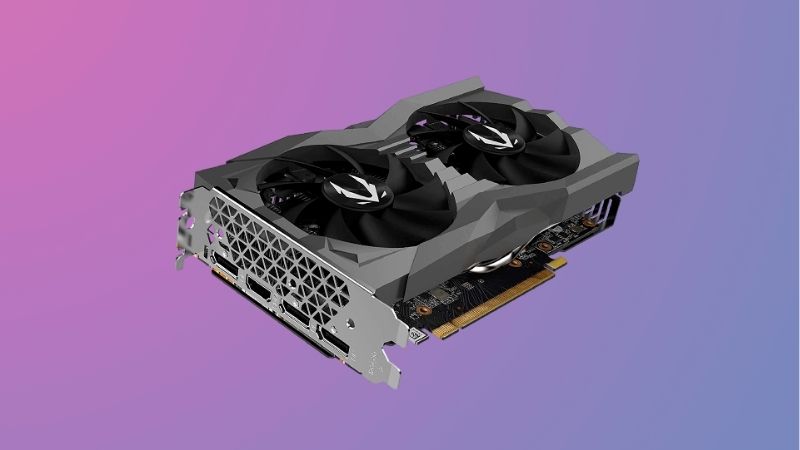
Video Memory at 1080p and 1440p
At 1080p, 8GB still works in most titles but is increasingly tight with high texture settings. At 1440p it becomes the limiting factor sooner than the chip does, which is why 12GB and 16GB cards in this bracket age considerably better than 8GB cards at similar prices.
This is the single most important decision at this budget. Given two cards within twenty pounds of each other, the one with more memory will usually still be comfortable in two years while the other is already forcing you to reduce texture quality in newer releases.
Bus Width and Memory Type
Capacity is only half the picture. A 128-bit bus limits how quickly the card can feed its memory, which shows most at higher resolutions, while 192-bit and 256-bit designs handle 1440p more comfortably. Check both figures rather than reading the memory total alone.
Memory type matters for availability rather than performance. Current NVIDIA cards use GDDR7, which has been supply constrained through 2026, while Radeon RX 9000 cards use GDDR6 and have generally been easier to find in stock at sensible UK prices from most retailers.
Power Draw, Connectors and Physical Fit
Cards in this bracket typically draw between 145W and 190W, which most existing power supplies handle. Check the connector type on the specific model, since some use a single 8-pin while others expect the 12V-2×6 connector that older supplies only provide through an adapter.
Measure your case before ordering. Partner designs vary by 40mm or more in length and many now occupy two and a half slots, which blocks the slot below and restricts airflow in compact chassis. The reference specification tells you nothing about the card you are actually buying.
Top Picks: Best Graphics Card Under £400 Right Now
These five candidates for the best graphics card under £400 sit at or near that budget depending on partner model and retailer. Pricing moves constantly in this market, so treat the figures as tiers checked in August 2026 and verify current listings before you order.
| Card | Memory | Bus width | Board power | Target resolution |
|---|---|---|---|---|
| Intel Arc B580 | 12GB GDDR6 | 192-bit | 190W | 1080p / 1440p |
| Radeon RX 9060 XT 16GB | 16GB GDDR6 | 128-bit | Around 180W | 1080p / 1440p |
| Radeon RX 7600 XT | 16GB GDDR6 | 128-bit | 190W | 1080p |
| GeForce RTX 5060 | 8GB GDDR7 | 128-bit | 145W | 1080p |
| GeForce RTX 5060 Ti 8GB | 8GB GDDR7 | 128-bit | 180W | 1080p |
Radeon RX 9060 XT 16GB – Best Overall at This Budget
The 16GB version is the one worth buying. That capacity gives real headroom at 1440p with high textures, and because the card uses GDDR6 rather than GDDR7 its supply has been less strained than competing models, which frequently translates into better availability at UK retailers.
The 128-bit bus is the honest limitation and it shows at higher resolutions where bandwidth matters more than capacity. Ray tracing performance also trails NVIDIA at equivalent tiers. For rasterised frames per pound with memory that will last, it is the strongest choice here.
Intel Arc B580 – Best Value for Memory and Bandwidth
The B580 pairs 12GB of GDDR6 with a 192-bit bus and a 190W board power figure, which is an unusually generous combination for its price. That wider bus gives it an advantage at 1440p over the 128-bit cards, and the media encoding hardware is genuinely strong for creative work.
Driver maturity remains the caveat. Intel has improved enormously, but older DirectX 11 titles and niche applications can still behave unpredictably compared with the established vendors. It also wants resizable BAR enabled, which older platforms may not support properly.
Radeon RX 7600 XT – Best Previous-Generation Value
The 7600 XT carries 16GB of GDDR6 on a 128-bit bus at 190W, and as a previous-generation card it often sits comfortably below this budget rather than at the edge of it. For 1080p gaming with high textures, that memory capacity removes the most common source of stuttering.
Bandwidth limits it at 1440p despite the large buffer, and it is less efficient than the newer generation for similar performance. It is also an older architecture with fewer current features. Where it is discounted, it remains a sensible way to get 16GB without stretching the budget.
GeForce RTX 5060 – Best Efficiency
At 145W with a single 8-pin connector, the RTX 5060 is the easiest card here to fit into an existing machine with a modest power supply. It carries the current NVIDIA feature set including the newer upscaling and frame generation work, which some titles support very well.
The 8GB buffer is the problem at this price in 2026, and it will force texture compromises sooner than the 12GB and 16GB alternatives. The 128-bit bus compounds that at higher resolutions. Buy it for efficiency and feature support rather than for longevity at 1440p.
GeForce RTX 5060 Ti 8GB – Best NVIDIA Performance Here
The 8GB Ti is the fastest NVIDIA option that fits this budget, offering meaningfully more chip performance than the standard 5060 at 180W. If you specifically want the NVIDIA software ecosystem for streaming, creative applications or particular game features, this is the entry point.
You are paying more for the same 8GB of memory, which is the wrong side of the trade at this price in 2026. The 16GB version sits above this budget. Read the box carefully, because both variants share almost identical packaging and the difference matters enormously.
What the 2026 GPU Market Means for UK Buyers
This budget sits precisely where the current market pressure is worst, so understanding why prices moved helps with timing your purchase of the best graphics card under £400. Three factors are worth weighing carefully before you order anything.
Supply Cuts Are Driving the Increases
NVIDIA reduced partner supply by roughly 20 percent, and card prices have risen about 19 percent globally since late 2025. That pressure moves down the range, which is why cards that once sat comfortably at £300 now brush against this budget or exceed it entirely.
Radeon RX 9000 cards have been somewhat insulated because they use GDDR6 rather than the constrained GDDR7 modules, where 3GB parts cost roughly three times what 2GB parts do. That is a practical reason the AMD options in this bracket have held availability better.
Waiting Does Not Help This Year
The next generation of cards has slipped to CES in January 2027, and refreshed models have been delayed by the same memory supply problems. There is no imminent launch that would push this bracket down, so holding out for a better price means waiting well into next year.
The advice to wait for November sales also does not apply the way it usually does. Stock arriving then was built from expensive components, so meaningful reductions on graphics cards are unlikely, though cases, coolers and power supplies still discount properly in that window.
Buy for Memory Rather Than Brand
Given that pressure, the most durable purchase at this budget is the card carrying the most usable memory rather than the one with the strongest chip. An 8GB card bought today near £380 will force texture compromises long before a 16GB card at the same price does.
That is the single clearest piece of advice for anyone shopping this bracket in 2026. Prices referenced anywhere in this guide reflect August 2026, and given how quickly this market moves, verify current UK listings before committing to any specific partner model.
Frequently Asked Questions
The questions UK buyers ask most at this budget: how much video memory is genuinely needed now, whether 1440p gaming is realistic here, which power supply suits these cards, and whether the best graphics card under £400 will still be adequate two years from now.
Is 8GB enough in 2026?
At 1080p with moderate settings, yes for now. At 1440p or with high texture packs, it is already the limiting factor in several recent titles. Given two cards at similar prices in this bracket, the one with 12GB or 16GB is the more sensible purchase by a clear margin.
Can this budget handle 1440p gaming?
Comfortably in most titles, provided you choose a card with adequate memory and bandwidth. The 12GB and 16GB options here manage 1440p at high settings in the majority of games, while the 8GB cards are better suited to 1080p if you want to keep textures turned up.
What power supply do these cards need?
A quality 550W to 650W unit covers everything in this bracket alongside a mainstream processor. Check the connector type on your specific model, since some use a single 8-pin while others expect a 12V-2×6 cable that older supplies only provide via an included adapter.
Should I buy now or wait?
If your current card has failed or you are building a machine you need, buy now, since nothing arrives before CES 2027 and prices are not falling. If your existing card still runs your games acceptably, waiting costs nothing and the market may look different next year.
See More:
- Best thermal compound paste
- Thermal paste at Best Buy
- Graphics card at Best Buy
- Best AM4 CPU for gaming
- Best motherboard for 9800x3d
Final Thoughts
The best graphics card under £400 in this market is the one with the most usable memory rather than the fastest chip. The RX 9060 XT 16GB is the most durable choice, the Arc B580 offers the best bandwidth for the money, and the 8GB NVIDIA cards only make sense if you specifically need that software ecosystem.
As an Amazon Associate we earn from qualifying purchases at no extra cost to you. Product prices and availability are accurate as of the date shown and are subject to change.




Write Your Review
No reviews yet. Be the first to share your experience!