
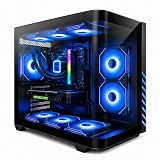
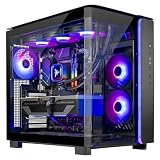
- Top Pick: KOTIN Prebuilt Gaming PC RTX 5070 12GB, Ryzen 7 9700X, 32GB DDR5, 1TB SSD
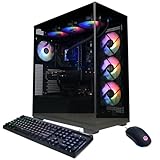
- Best Value: iBUYPOWER Element SE Gaming PC Desktop Computer AMD Ryzen 5 8400F CPU, NVIDIA GeForce RTX 3050 6GB GPU, 16GB DDR5 RAM, 1TB NVMe SSD, Windows 11 Home, Gamer Keyboard and Mouse – ESA5N3501
- Premium Choice: Evounic Gaming PC Desktop Computer RTX 4060, i7-11700F, 16GB DDR4 RAM
Best Gaming PC Build Under $1 000 planning has changed shape this year. Graphics card and memory pricing have both risen, so the parts list that worked twelve months ago no longer fits the budget, and the trade-offs have moved.
As an Amazon Associate we earn from qualifying purchases at no extra cost to you. Product prices and availability are accurate as of the date shown and are subject to change.




As an Amazon Associate we earn from qualifying purchases at no extra cost to you. Product prices and availability are accurate as of the date shown and are subject to change.
By Ryan Cole, hardware writer at NVIDIAReview.
How to Plan the Best Gaming PC Build Under $1 000
A fixed budget is an exercise in deciding what not to buy. The best gaming pc build under $1 000 puts money where frame rates come from and accepts the minimum everywhere else. Four rules keep the split sensible.
The Graphics Card Gets the Largest Share
In games, the graphics card determines performance more than any other component. Roughly a third to forty percent of the budget belongs here, even if that means a modest processor alongside it.
At this level that usually means an entry current-generation card or a strong previous-generation one. Memory capacity on the card matters as much as raw speed, since eight gigabytes now limits texture settings in recent titles.
Resist the temptation to balance the build evenly. A six-core processor with a good card outperforms an eight-core processor with a weak one in almost every game you will actually play.
The exception is if you stream or record. Those workloads use cores directly, so shifting some budget from the card to the processor makes sense when the machine has a second job to do.
Memory Pricing Now Forces a Real Decision
DRAM costs have climbed steadily through 2026, so thirty-two gigabytes takes a noticeably larger bite out of the budget than it used to. Sixteen gigabytes still runs most games but leaves nothing spare for background applications.
Because platforms with two or four memory slots differ in how easily you can add modules later, decide capacity at purchase rather than planning an upgrade at unknown future prices.
Do Not Save Money on the Power Supply or Case Airflow
A cheap power supply is the component most likely to take other parts with it when it fails, and it is the one people cut first. A reputable 600 to 650 W unit is the floor for a build with a discrete card.
Case airflow is the other false economy. A mesh-fronted chassis with two or three included fans costs little more than a sealed one and keeps both the processor and graphics card at lower temperatures.
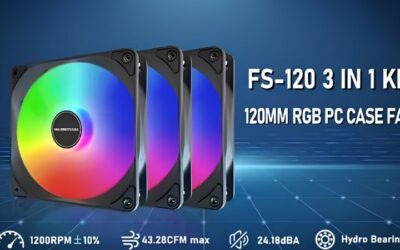
Included fans are worth counting when comparing cases. A chassis costing slightly more with three fans usually beats a cheaper one plus a separate fan pack, and it saves a second order.
Reuse What You Already Own
A monitor, keyboard, mouse and headset are not part of this budget if you already have them. Neither is a working drive, which can carry over to a new build directly.
Existing DDR4 memory is the biggest potential saving. It rules out the newest platforms, but it can free enough money to move up a full graphics card tier, which matters more for gaming.
An operating system licence is the line item people forget. If you need to buy one, take it out of the parts budget at the start rather than discovering the shortfall once the components are ordered.
Top Picks for the Best Gaming PC Build Under $1 000
These parts form the best gaming pc build under $1 000 as a complete system with room for adjustment. Specifications are manufacturer-listed, and retail pricing at the time of writing in August 2026 changes weekly, so check current cost before ordering.
| Component | Suggested part | Key specification | Why it is here |
|---|---|---|---|
| Processor | AMD Ryzen 5 7600 | 6 cores, 12 threads | Platform supported to 2029 |
| Graphics card | Intel Arc B580 | 12 GB GDDR6, 192-bit | Most VRAM near this price |
| Motherboard | ASRock B650M Pro RS | Micro-ATX, two M.2 slots | Cheapest sensible AM5 board |
| Memory | 32 GB DDR5-6000 CL30 | Two 16 GB modules | Sweet spot for AM5 |
| Storage | 1 TB PCIe 4.0 NVMe | Gen4 x4 | Capacity over peak speed |
| Power supply | 650 W 80 Plus Gold | ATX 3.1 preferred | Headroom and safety margin |
Processor: AMD Ryzen 5 7600
Six fast cores handle every current title at 1080p and 1440p alongside a card in this class, and the platform will keep receiving new processors through 2029, so the machine has a genuine upgrade path.
The bundled cooler is adequate rather than good, and it will be audible under load. A cheap tower cooler is the first upgrade worth making once the build is running.
Graphics Card: Intel Arc B580
Twelve gigabytes on a 192-bit bus is unusual at this price and keeps texture settings usable at 1440p, where eight gigabyte cards start compromising. Driver quality has improved considerably since the first Arc generation.
Older titles using legacy graphics interfaces can perform inconsistently, and availability has been uneven. A current-generation Radeon card with eight gigabytes is the alternative if stock is a problem.
Motherboard: ASRock B650M Pro RS
This provides four memory slots, two M.2 slots and enough power delivery for a six-core processor at the lowest sensible price on the platform. Nothing here limits the rest of the build.
Rear connectivity is thin and wireless is absent on the base model, so budget for an adapter if you need it. VRM heatsinks are modest, which matters only if you later fit a much larger processor.
Memory: 32 GB DDR5-6000 CL30
Two sixteen gigabyte modules at this speed and timing are the established sweet spot for the platform, and thirty-two gigabytes leaves room for background applications alongside a modern game.
This is the line item that has grown most this year. Dropping to sixteen gigabytes frees budget for a better card, at the cost of headroom you will notice within a couple of years.
Storage: 1 TB PCIe 4.0 NVMe
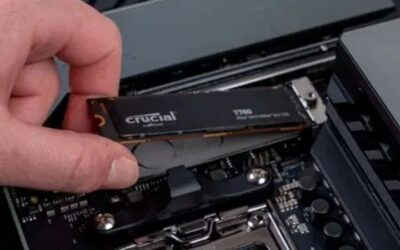
One terabyte is the practical minimum now that individual games run to well over a hundred gigabytes. A Gen4 drive is fast enough that loading times are effectively identical to more expensive Gen5 options, which also run hotter for no benefit here.
Avoid the cheapest drives without cache, since sustained write performance collapses on large transfers. A second M.2 slot on the board means capacity can be added later without replacing anything.
Power Supply: 650 W 80 Plus Gold
This gives comfortable headroom for the card and processor here, plus room for a stronger graphics card later. Modern standards support the transient spikes current cards produce.
It is the least exciting purchase in the build and the one most often cut. Buying a reputable unit once is cheaper than replacing a cheap one and whatever it damages on the way out.
What 2026 Conditions Mean for a Fixed Budget
Two component markets have moved sharply this year, which changes where the compromises fall in the best gaming pc build under $1 000. Three points matter.
Graphics Card Pricing Has Risen Sharply
Partner supply was cut by around twenty percent and global card pricing has climbed roughly nineteen percent since late 2025, with some board partners raising prices between fifteen and thirty percent.
Cards using GDDR6 have held up better than those relying on newer GDDR7 modules, which is why several of the sensible options at this budget are Radeon or Arc rather than the newest releases.
Memory Costs Have Reshaped the Parts List
DRAM pricing has continued climbing through 2026, with forecasts revised upward again and new capacity not expected before late 2027. Memory is now a larger share of a budget build than it has been for years.
Reusing an existing DDR4 kit on an older platform is the clearest way around it, and for a fixed budget that saving frequently buys a full graphics card tier.
Waiting Does Not Help Before CES 2027
The next generation of processors and graphics cards arrives at CES in January 2027, so waiting means several months followed by launch pricing rather than cheaper parts today.
November discounts are real in some categories, particularly cases, coolers and power supplies, but memory, drives and prebuilt systems are unlikely to see genuine reductions because stock was built against high contract pricing.
Frequently Asked Questions
These come up most often once someone starts pricing the best gaming pc build under $1 000 against current retail listings.
Is a prebuilt cheaper at this budget?
Sometimes on the sticker, rarely on the specification. Prebuilt machines at this level usually cut the power supply, memory speed and storage, and their boards often limit later upgrades.
Should I buy a used graphics card instead?
It buys a tier more performance for the money, with no warranty and no way to verify the card’s history. For a fixed budget it is a legitimate route if you accept that risk.
Sixteen or thirty-two gigabytes of memory?
Thirty-two if you can afford it, since games and background applications together now push past sixteen. If the choice is sixteen gigabytes with a better card, take the card and upgrade memory later.
Do I need a separate CPU cooler?
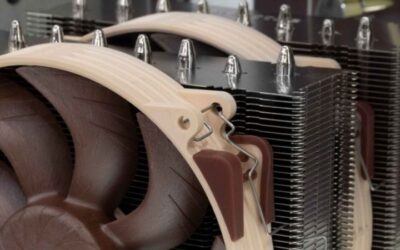
Not immediately with a six-core processor, since the bundled cooler works. A cheap dual-tower makes the machine considerably quieter and holds clocks better under long sessions, so treat it as a sensible first upgrade rather than a launch-day requirement.
See More:
- What Is the Best Thermal Paste
- Best PC Case Fans 120mm
- Thermal Paste Best Brand
- Best Thermal Paste Brands
- Best CPU Cooler Reddit
Final Thoughts
The best gaming pc build under $1 000 in 2026 puts the largest share into the graphics card, uses a six-core processor on a platform with an upgrade path, and refuses to economise on the power supply or case airflow. If memory pricing squeezes the total, reusing an existing DDR4 kit or dropping to sixteen gigabytes buys back the card tier that actually determines frame rates.


Write Your Review
No reviews yet. Be the first to share your experience!