
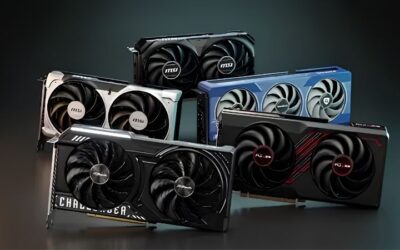
- Top Pick: msi Gaming GeForce GT 1030 4GB DDR4 64-bit HDCP Support DirectX 12 DP/HDMI Single Fan OC Graphics Card (GT 1030 4GD4 LP OC)
- Best Value: ZER-LON GeForce GTX 1660 Super 6GB Graphics Cards, GDRR6 192Bit PCIE 3.0X16 Computer Gaming Gpu, Dual Freeze Fans Video Card with HDMI/DP/DVI Ports Support 4K and 8K HD
- Premium Choice: maxsun AMD Radeon RX 550 4GB GDDR5 ITX Computer PC Gaming Video Graphics Card GPU 128-Bit DirectX 12 PCI Express X16 3.0 DVI-D Dual Link, HDMI, DisplayPort
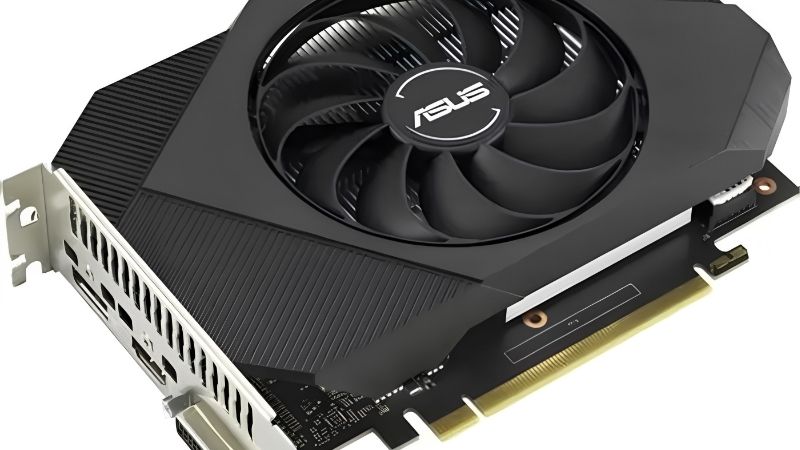
GTX 1630 is one of the most niche graphics cards Nvidia has ever released, built for low-power office PCs and compact builds rather than serious gaming. With a tiny 75W draw, no power connector, and low-profile options, it slots into machines where almost nothing else fits. But the GTX 1630 comes with real limitations you must understand first. This review breaks down its specs, honest performance, and exactly who this entry-level card is actually right for in 2026.
GTX 1630 in 2026: Specs and Real-World Performance
Before buying, it is essential to understand what the GTX 1630 offers and, crucially, what it does not. This card sits at the very bottom of the modern GPU stack, designed for connectivity and light tasks rather than raw gaming power. Here is a grounded look at its specifications and the performance you can realistically expect from it.
As an Amazon Associate we earn from qualifying purchases at no extra cost to you.





GTX 1630 Key Specs at a Glance
The GTX 1630 is built on Nvidia’s Turing architecture but heavily cut down, which explains both its extreme efficiency and its modest capabilities.
| Spec | GTX 1630 |
|---|---|
| Architecture | Turing |
| VRAM | 4GB GDDR6 |
| Memory bus | 64-bit |
| CUDA cores | 512 |
| Board power | ~75W |
| Power connector | None required |
| Typical price | ~$80–$100 |
The standout GTX 1630 specs are its low 75W power draw and connector-free design, which let it run in almost any system including weak prebuilts. The limiting factors are the narrow 64-bit memory bus and just 512 CUDA cores, which place it well below even the GTX 1650 in performance.
These numbers make the card’s purpose clear. The GTX 1630 is built to add modern display outputs and light capability to a basic PC, not to deliver a real gaming experience, and its specifications reflect that modest ambition honestly.
Gaming and Everyday Performance Today
In everyday use, the GTX 1630 performs its intended role well. It drives multiple modern monitors, handles video playback smoothly, and adds capable display output to an office or home PC that previously relied on weak integrated graphics.
For gaming, expectations must be modest. The GTX 1630 can run esports titles and older games at 1080p with lowered settings, but it struggles with modern AAA games and is noticeably slower than the GTX 1650, so it is not a card for demanding gaming at all.
The 64-bit memory bus is the main performance constraint. It sharply limits memory bandwidth, which is why the card falls so far behind even other entry-level GPUs in games, and why its strengths lie in light tasks rather than serious play.
To be blunt about the gaming reality, the GTX 1630 will run competitive esports titles at reduced settings and older or indie games acceptably, but modern AAA blockbusters are largely out of reach at any playable quality. It is best thought of as a card that enables a display and light play rather than one that delivers a true gaming experience—a distinction that saves buyers from disappointment and sets realistic expectations from the start.
What Owners Say: Strengths and Common Complaints
Owner feedback on the GTX 1630 is sharply divided by expectation. Buyers who purchased it for the right reason—adding display outputs or light capability to an office PC—tend to be satisfied, praising its low power draw, silent operation, and easy installation.
The most common complaints come from buyers who expected gaming performance. Frequent criticisms are that it is too slow for modern games and offers poor value next to the GTX 1650, which is significantly faster for a small price increase.
The consensus is clear: the GTX 1630 is a fine card for its narrow office and light-use role but a poor choice for gaming. Understanding that distinction before buying is the single most important factor in being happy with it.
A recurring theme in positive reviews is how effortlessly it revives an older office machine, turning a system stuck on weak integrated graphics into one with modern outputs and smooth everyday performance. The negative reviews almost always trace back to the same root cause: someone bought it expecting a gaming card. That pattern underlines just how much the GTX 1630’s reception depends on matching it to the right task.
Is the GTX 1630 Worth Buying?
The specs make the GTX 1630’s identity clear, but whether it is worth buying depends entirely on your intended use. This is a card that is either sensible or a mistake depending on why you want it. Here is an honest assessment of where it makes sense and where it does not.
Where the GTX 1630 Makes Sense
The GTX 1630 makes the most sense as a display and light-use upgrade for an office or home PC. If you need modern outputs, smooth video, and basic capability in a low-power machine, it does that job quietly and reliably.
It is also a reasonable pick for a system with no spare power connector and a very weak power supply, where even the GTX 1650 might be a concern. In those tightly constrained builds, the GTX 1630’s minimal demands are its main appeal.
For a buyer whose priority is connectivity and light functionality rather than gaming, the GTX 1630 fills a specific gap that few other cards target, which is the entire reason it exists.
Pros and Cons of the GTX 1630 in 2026
The GTX 1630 is a specialized card with clear strengths and equally clear weaknesses. Here is the direct breakdown to help you decide.
- Pros: Very low 75W power draw, no power connector needed, low-profile options, silent operation, adds modern display outputs to weak PCs.
- Cons: Very weak for gaming, narrow 64-bit memory bus, poor value versus the GTX 1650, only 512 cores, not suited to modern AAA titles.
The balance favors the GTX 1630 only for office, display, and light-use roles, and strongly against it for anyone who wants an actual gaming card, where the GTX 1650 is the far better buy.
Power, Size, and System Compatibility
Compatibility is the GTX 1630’s core strength. Its ~75W draw and connector-free design mean it runs on the weakest power supplies, and its low-profile models fit slim office cases where larger cards cannot go.
This makes it an effortless drop-in for locked-down prebuilts and small-form-factor systems. You rarely need to change anything else in the machine, which keeps installation simple even for a first-time upgrader.
That said, if your system can accommodate a slightly larger or more power-hungry card, that flexibility opens the door to far better gaming options, so it is worth confirming your true constraints before settling on the GTX 1630.
Buying the GTX 1630: Value and Alternatives
If the GTX 1630 matches your needs, the final step is confirming it is the right value and knowing your alternatives. Because it serves such a specific role, the best choice depends heavily on what you actually want the card to do. Here is what to weigh, how it compares, and who should ultimately buy it.
Fair Pricing and What to Check
The GTX 1630 typically sells around $80–$100. At that price, the key question is whether it truly fits your use case, since spending only a little more on a GTX 1650 buys dramatically more gaming performance if your system can take it.
Before buying, confirm the model’s display outputs match your monitor setup and that its physical size fits your case. For a light-use card like this, those practical details matter more than chasing the lowest possible price.
If buying used, apply the usual care—verify the card works and test it within any return window—but the most important check is simply making sure you are buying it for the right reason.
GTX 1630 vs Alternatives
The GTX 1630’s most important alternative is the GTX 1650. For a small price increase, the GTX 1650 offers meaningfully more gaming performance while remaining low-power and often connector-free, making it the better choice for anyone who wants to actually game.
If your build has a little more room and power, a used RX 6600 or GTX 1660 Super delivers a huge performance jump and is the clear pick for real 1080p gaming.
The GTX 1630 wins only when your priority is light use and minimal power draw; the moment gaming matters, one of these alternatives is the smarter buy.
It is worth stressing just how small the price gap to a far more capable card can be. Because the GTX 1650 often costs only a little more while offering dramatically better gaming performance, the GTX 1630 rarely makes sense unless your power or budget limits are truly absolute. For anyone with even slight flexibility in their build, that modest extra spend transforms the experience from barely-gaming to genuinely playable.
See More:
Final Verdict: Who Should Buy the GTX 1630
The GTX 1630 is the right choice for a specific buyer: someone adding modern display outputs and light capability to a low-power office or home PC who has no real interest in gaming. For that person, it does its job quietly and well.
It is the wrong choice for anyone who wants to play modern games. If gaming is a goal at all, the GTX 1650 or a used RX 6600 will serve you far better for a small additional outlay.
If your needs match the GTX 1630’s narrow strengths, it is a tidy, efficient solution. You can compare current pricing and low-profile models through the links on this page to find the right fit.
In summary, the GTX 1630 is a specialized display and light-use card rather than a gaming GPU, delivering modern outputs and quiet, low-power operation in the most basic systems. Its weak gaming performance and narrow memory bus only matter if you buy it expecting to play demanding titles. Match the GTX 1630 to an office or light-use role, and it is a sensible pick; want real gaming performance, and a GTX 1650 or better is the smarter choice every time.
Top-Rated Picks


| Product | Brand | Rating | Reviews | Price |
|---|---|---|---|---|
| ARCTIC MX-4 (4 g) – Premium Performance Thermal Paste… | ARCTIC | ★ 4.8 | 104k | $4.99 |
| ARCTIC MX-4 (incl. Spatula, 4 g) – Premium Performanc… | ARCTIC | ★ 4.8 | 71.9k | $5.49 |
| Crucial 8GB DDR4 RAM 3200MHz (PC4-25600), Downclockab… | Crucial | ★ 4.8 | 62.8k | $74.99 |
| AMD Ryzen 5 5600X 6-core, 12-thread unlocked desktop … | — | ★ 4.8 | 30.2k | $177.60 |
| NVIDIA Shield Remote; Voice Search, Motion-Activated,… | — | ★ 4.7 | 10.6k | $25.99 |
Frequently Asked Questions
What exactly is the GTX 1630 and who is it for?
It is a cut-down Turing TU117 card with 4GB of GDDR6 on a very narrow 64-bit bus, released as an entry-level option below the GTX 1650. It targets office machines and light gaming where a display upgrade or basic 3D acceleration is needed rather than serious gaming performance.
How does the 64-bit memory bus affect performance?
Badly. The narrow bus limits bandwidth to roughly 96GB/s, less than half of the GTX 1650, and that starves the GPU in anything beyond simple scenes. The result is that the GTX 1630 often performs below the older GTX 1050 Ti despite being a newer architecture.
Does the GTX 1630 need a power connector?
No, it is a 75W card powered entirely by the PCIe slot, and most models are compact with low-profile options available. That makes it easy to drop into slim office desktops and small form factor systems with limited or proprietary power supplies.
Can it handle 1080p gaming?
Only lightly. Esports titles at low to medium settings will run acceptably, but demanding AAA games require 720p or heavy setting reductions. If gaming is a real goal, a used GTX 1650 or GTX 1660 Super gives dramatically better value for a similar or lower price.
Is the GTX 1630 useful for anything besides gaming?
Yes. It includes the Turing NVENC encoder for hardware video encoding, supports multiple modern display outputs, and handles video decode well, so it works as a cheap multi-monitor or media playback card. For those tasks it is competent even if gaming value is poor.




Write Your Review
No reviews yet. Be the first to share your experience!