
- Top Pick: 242219206 Refrigerator Evaporator Fan Motor
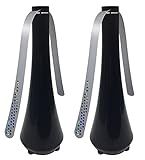
- Best Value: PATIOSIR Fly Swatter for Outside/Inside Meal, Picnic, Barbeque, Events – Battery Operated Food Spinning Fan (Black Color, 2pcs)
- Premium Choice: PATIOSIR Fly Swatter for Outside or Inside Meal, Picnic Fan for Table Use, Fly Fans for Tables, Barbeque, Events, Battery Operated Food Spinning Fan
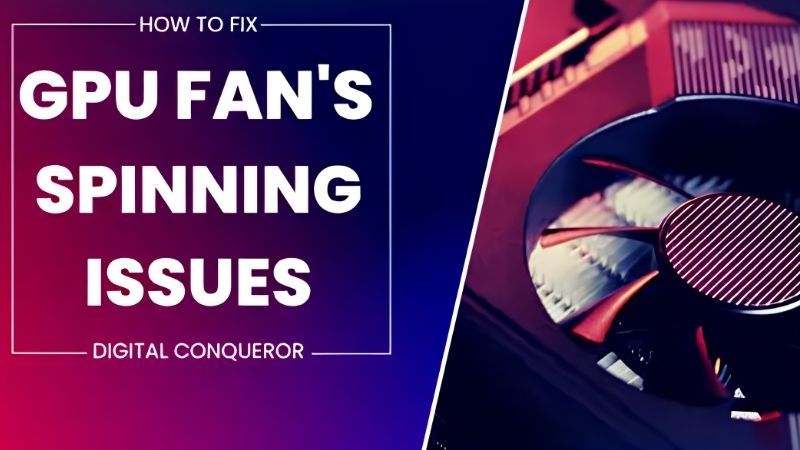
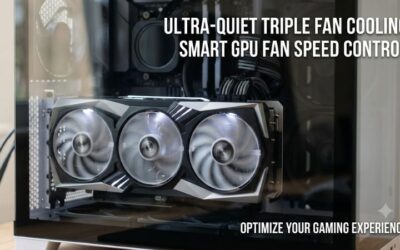
How to fix a GPU fan not spinning is one of those searches that is either a complete non-issue or a genuine problem, and knowing which one you are facing takes about thirty seconds. Most modern Nvidia cards ship with a zero-RPM idle mode that keeps fans off until the GPU reaches a temperature threshold, typically around 50–60°C. If your fans spin under load but stay still at idle, that is normal behavior, not a fault. If they never spin at all, even under a demanding game, something needs attention. This guide walks you through The distinction matters because the fix for each case is completely different: normal zero-RPM mode needs nothing, a blocked fan needs cleaning, a loose connector needs reseating, and a dead bearing needs a new fan. Spending thirty seconds on diagnosis saves you from buying a part you do not need or panicking over a feature working as designed. This guide walks you through telling the difference, diagnosing the real cause when there is one, and fixing it so your card stays cool.
What You Will Need to Diagnose the Issue
Diagnosis is free and takes minutes. A monitoring tool and a quick stress test tell you whether the fans are in zero-RPM mode or genuinely stuck. Hardware tools only enter the picture if a physical repair is needed.
As an Amazon Associate we earn from qualifying purchases at no extra cost to you.





Monitoring Software
Open GPU-Z, HWiNFO, or MSI Afterburner and watch the fan speed and GPU temperature in real time. At idle, zero-RPM mode shows 0 RPM and a cool GPU, which is perfectly normal. Under load, the fans should ramp up as temperature climbs past the threshold.
Run a game or stress test while the overlay is visible. If the fans spin as heat builds, you are seeing designed behavior and there is nothing to fix. If the fans stay at zero while the temperature climbs toward throttling, the problem is real.
Visual and Physical Check
With the case open and the system running a load, look at the fans. A fan that twitches but does not spin may have a cable obstruction or a failing bearing. A fan that is completely motionless while the card is hot needs further diagnosis.
Listen for any clicking or grinding as the card warms up. A sound that appears and then the fan stops suggests a bearing issue preventing the blade from turning freely. No sound at all points to an electrical or connector issue.
Basic Tools for a Physical Fix
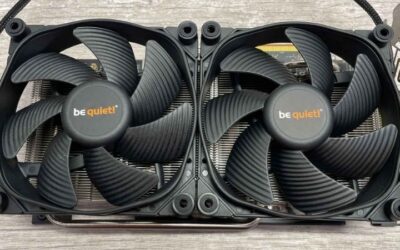
If the diagnosis points to a hardware cause, a small precision screwdriver set and a can of compressed air handle the most common repairs. For a replacement fan, you will need the correct part matched to your card’s fan size, connector, and blade direction. A quality replacement fan with a durable bearing ensures the fix lasts.
Hold off buying a replacement until the diagnostic confirms the fan is actually failed rather than in zero-RPM mode or blocked by debris.
If you do need a replacement, a quality fan with a durable ball bearing or fluid-dynamic bearing lasts longer under the heat and continuous duty inside a GPU shroud than a cheap sleeve-bearing part. Spending a little more on the part means you do the job once instead of repeating it within a year.
Step-by-Step Guide to Fixing a Fan Not Spinning
Work through these steps in order, starting with the most likely and cheapest explanation. Most owners discover at Step 1 that their fans are behaving normally, and the rest of the steps address the genuine fault cases.
Step 1 to 3: Rule Out Zero-RPM Mode
Step 1: Check idle behavior. Open your monitoring tool at idle. If the GPU is below 50°C and fans read 0 RPM, zero-RPM mode is active and nothing is wrong. This is the most common scenario by far.
Step 2: Run a load test. Launch a demanding game or stress tool and watch the fans. They should begin spinning as the GPU passes the temperature threshold, usually 50–60°C depending on the card. If they do, your card is healthy.
Step 3: Override with a manual fan curve. In MSI Afterburner, set a custom fan curve that starts the fans at a low temperature, such as 30°C. Apply and confirm the fans respond. If they spin on command, the hardware is fine and you can keep the custom curve or revert to auto.
If the fans spin under any of these tests, the card is operating normally. Zero-RPM mode is a feature, not a fault, and leaving it on keeps the system quieter at idle.
If zero-RPM mode bothers you even though it is normal, a custom fan curve in MSI Afterburner can set a gentle 20-25% spin starting at a low temperature. This gives you continuous airflow and a small visual confirmation that the fans are alive, without the noise of full-speed operation. It is a personal preference, not a thermal necessity.
Step 4 to 6: Diagnose a Genuine Fault
Step 4: Check for physical obstructions. Power down, open the case, and inspect the fans. A stray cable, zip tie, or heavy dust buildup can physically prevent a blade from turning. Remove any obstruction and clean with compressed air.
Step 5: Check the fan connector. If the fan still does not spin, gently reseat the small fan cable on the PCB. A loose or partially disconnected header is a common cause that is invisible until you check. Power up and re-test.
Step 6: Test with a manual spin. With the system off and unplugged, gently spin the fan blade by hand. It should rotate freely with minimal resistance. A fan that grinds, catches, or feels stiff has a failed bearing and needs replacing.
Step 7 to 9: Replace a Failed Fan
Step 7: Identify the correct replacement. Read the part number on the fan sticker and search for an exact match. If unavailable, match the diameter, mounting hole spacing, connector type, and blade direction. A matched part drops in without modification.
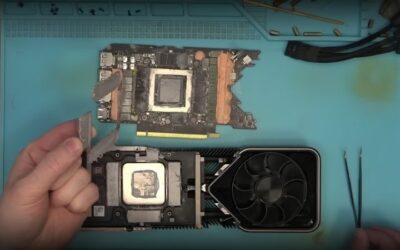
Step 8: Swap the fan. Remove the shroud screws, unplug the old fan, and fit the replacement. The job involves a few small screws and a single connector, with no paste or pad work needed unless you choose to refresh them at the same time.
Step 9: Test and verify. Reassemble, power up, and run a load test. The new fan should spin on command and respond to the fan curve. Confirm with your monitoring tool that temperatures are back in a healthy range under load.
Pro Tips, Mistakes, and When to Act
The biggest risk with a fan-not-spinning issue is either panicking over normal zero-RPM mode or ignoring a genuinely stuck fan until the card overheats. This section covers the habits that keep you on the right path and the trade-offs of each fix.
Pro Tips for a Quick Diagnosis
Check the temperature first, not the fan speed. A cool GPU with fans at zero is healthy; a hot GPU with fans at zero is the problem. This single check shortcuts the entire diagnosis and saves you from opening a perfectly fine card.
If you set a manual fan curve and the fans respond, you have confirmed the hardware works. You can then decide whether to keep the manual curve for earlier cooling or return to auto zero-RPM for quiet idle.
Common Mistakes to Avoid
Do not assume a silent idle means a dead fan. Zero-RPM mode is standard on most modern cards and is the single most common reason for this search. Checking temperature before acting prevents unnecessary worry and expense.
Do not run the card under heavy load with a confirmed dead fan. Sustained gaming with no active cooling pushes the card toward its throttle limit and accelerates wear. If a fan is genuinely failed, stop gaming until it is replaced or a temporary fan curve on the surviving fans compensates.
Pros and Cons of Replacing vs Using a Manual Curve
A manual fan curve is free and instant, and it forces surviving fans to compensate, but it means louder operation and does not fix the underlying fault. Over time the remaining fans bear extra load and may wear faster.
Replacing the failed fan costs a small amount and takes under an hour, but it permanently restores normal cooling and noise. For a card you intend to keep, the replacement is the better long-term fix.
The right choice depends on how long you plan to use the card. A temporary manual curve buys time while you source the part; a replacement solves it for good.
Most GPU fan-not-spinning cases are simply zero-RPM mode doing its job. If yours is a genuine fault, a clean, reseat, or replacement fan brings it back to life.
See More:
- How to lower GPU temperature
- How to lower GPU hotspot temp
- How to increase GPU performance
- How to enable G-Sync
Conclusion
Learning how to fix a GPU fan not spinning is mostly about telling zero-RPM mode apart from a real fault. Check the temperature, run a load test, and try a manual fan curve to confirm the hardware works. If a fan is genuinely stuck, clean it, reseat the connector, and replace it if the bearing has failed. Match the replacement carefully by size, connector, and direction, and verify with a stress test. Use the recommended fans through the links above to restore quiet, reliable cooling and keep your card running safely.
Once the fix is confirmed, make a habit of checking fan behavior after driver updates, since some updates can reset custom fan curves to the default profile. A quick glance at the monitoring overlay during your first gaming session after an update catches any change before it becomes a thermal issue.
Top-Rated Picks


| Product | Brand | Rating | Reviews | Price |
|---|---|---|---|---|
| EZDIY-FAB RTX 3000 Series 12 Pin to Dual 8 Pin PCIe S… | EZDIY-FAB | ★ 4.6 | 428 | $15.59 |
| 87MM PLD09220S12H RTX3080 RTX3070 Graphics Card Fan R… | LTANDBR | ★ 4.6 | 61 | $29.98 |
| Compatible with GIGABYTE GeForce RTX 5060/5050 OC Low… | NIVXE | ★ 3.9 | 12 | $29.92 |
| Hilitand GPU Backplate Radiator, Aluminum Alloy Graph… | Hilitand | ★ 3.9 | 8 | $26.81 |
| NVIDIA GX Spark – Founders Edition, W129251900 | — | ★ 1.0 | 1 | $10,309.00 |
Frequently Asked Questions
Is it normal for GPU fans to be completely stopped?
Yes, on nearly every card released in the last decade. Zero RPM or idle fan stop keeps the fans motionless below roughly 50 to 60 degrees Celsius to eliminate desktop noise. If the fans start spinning once you load a game and temperature climbs past that threshold, the card is behaving exactly as designed.
How do I test whether the fans still work?
Open MSI Afterburner, switch fan control to manual, and set speed to 100 percent. If both or all three fans spin up immediately, the hardware is fine and any issue lies with the curve or the driver. If one fan stays still while others spin, that specific fan or its connector is the problem.
What if the fans never spin even under load?
Power down and check that the fan cable inside the shroud is seated on its header, since these can work loose during shipping or a case move. Then confirm the PCIe power cables are fully connected, because some cards refuse to run fans when they detect insufficient power delivery at boot.
Could a driver problem cause this?
It can. A corrupted installation sometimes leaves fan control in an undefined state. Use Display Driver Uninstaller in safe mode to remove the existing driver completely, then install the current package fresh. Also close any other fan control utility, since two applications fighting for control will produce erratic behaviour.
When should I replace the fan?
If a fan does not move at 100 percent manual control, does not respond to a gentle nudge with the power off, or grinds when spun by hand, the bearing has failed. Replacement fans matching common card models are inexpensive and widely available. If the card is still in warranty, claim it rather than opening the shroud.



Write Your Review
No reviews yet. Be the first to share your experience!