
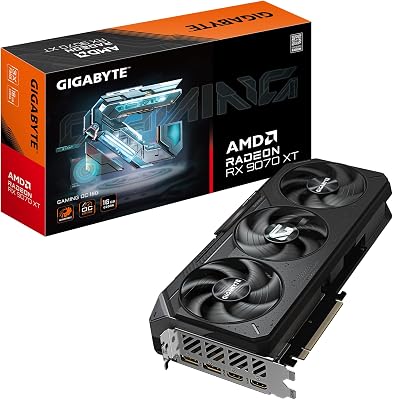
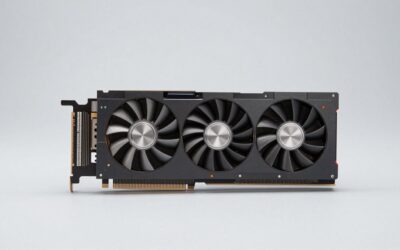
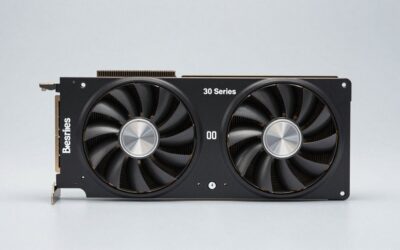
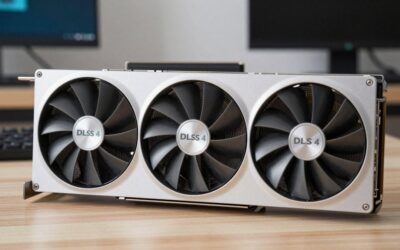
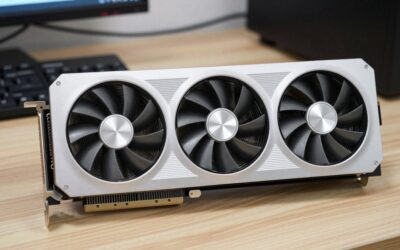
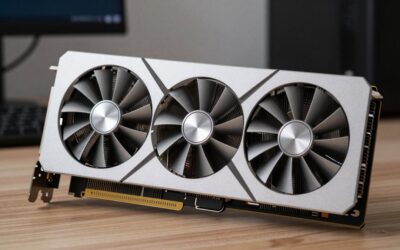
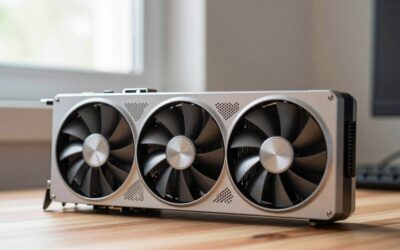
- Top Pick: ASUS Prime Radeon RX 9070 XT 16GB GDDR6 OC Edition Gaming Graphics Card
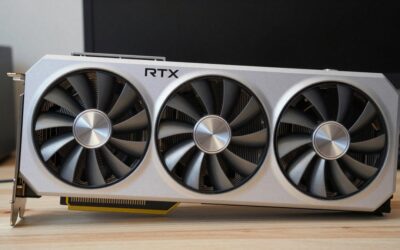
- Best Value: ASRock Radeon RX 9070 Challenger 16GB OC Graphics Card, RDNA 4, 2520MHz Boost, 16GB GDDR6 256-bit, PCIe 5.0, Triple Fans, 0dB Silent, LED Indicator
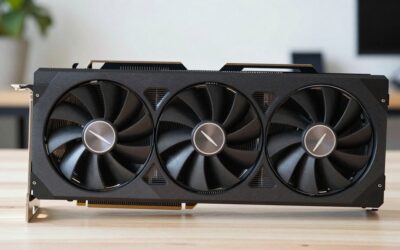
- Premium Choice: Sapphire 11348-03-20G Pulse AMD Radeon™ RX 9070 XT Gaming Graphics Card with 16GB GDDR6, AMD RDNA 4


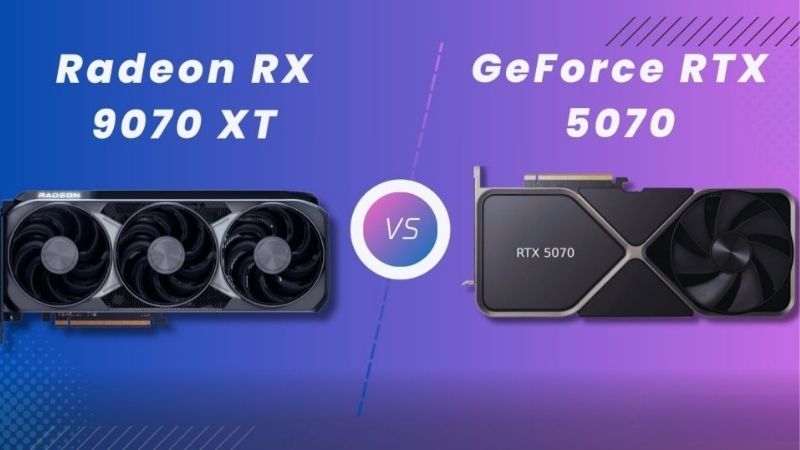
AMD RX 9070 XT 16GB vs 5070 is a matchup that pits raw power and memory against features and efficiency. AMD’s RX 9070 XT brings 16GB of memory and strong rasterized performance that generally outpaces Nvidia’s RTX 5070, while the 5070 counters with DLSS 4 multi-frame generation, stronger ray tracing, and lower power draw. With GPU prices still elevated in 2026, the choice depends on whether you value more performance and memory or the newest features and efficiency, and on the price gap on the day you buy. This comparison delivers the quick verdict, a clear spec table, a feature-by-feature face-off, an alternative if neither fits, and a direct recommendation for each buyer.
As an Amazon Associate we earn from qualifying purchases at no extra cost to you.



The quick verdict and how to read the price gap
For readers who want the answer first: the RX 9070 XT 16GB is the faster card in traditional rendering and carries more memory, making it the pick for maximum rasterized performance and 1440p-to-4K headroom, while the RTX 5070 wins on features, ray tracing, DLSS 4 frame generation, and lower power draw. The 9070 XT leads on raw muscle and memory; the 5070 leads on cutting-edge software and efficiency.
The fast answer for busy buyers
If you want the most rasterized performance and a larger memory buffer for demanding 1440p and entry-4K gaming, the RX 9070 XT 16GB is the stronger card. If you prioritize ray tracing, DLSS 4’s frame-rate boost, and a more efficient card that fits more builds, the RTX 5070 is the better choice, usually at a slightly lower price and power draw.
Both are excellent cards for high-refresh 1440p. The rest of this comparison exists so you can decide whether raw performance and memory or features and efficiency matter more for your games and your build.
Spec comparison at a glance
Here are the core numbers that drive the decision. Treat MSRP as a reference point, since street prices in the current market frequently differ from list.
| Spec | RX 9070 XT 16GB | RTX 5070 |
|---|---|---|
| Architecture | AMD RDNA 4 | Nvidia Blackwell |
| Memory | 16GB GDDR6 | 12GB GDDR7 |
| Reference MSRP | around $599 | around $549 |
| Typical power draw | roughly 300W | roughly 250W |
| Upscaling / frame gen | FSR | DLSS 4 with multi-frame generation |
| Best fit | High-refresh 1440p, entry 4K | 1440p with strong ray tracing |
The table captures the trade-off: the 9070 XT brings more raw performance, more memory, and a higher power draw, while the 5070 counters with faster memory, a stronger feature set, lower power, and usually a lower price. Neither dominates every category, which is what makes this decision genuinely about priorities.
How to read the price gap in 2026
The reference gap puts the 9070 XT around $50 above the 5070, but real street prices are noisier, and that is where current market conditions matter. Component and memory costs have kept GPU prices elevated into 2026, so both cards frequently sell above reference, and the actual difference you find can be wider or narrower than the sticker suggests.
There is cautious context to weigh. Prices have flattened after the steep climb of late 2025, and some hardware makers report a stretch of relative stability, while warning that volatility is not over. New memory supply is opening up, but the plants that would ease prices are not expected to run until 2027 to 2028, so meaningful relief is years away. The practical takeaway for this matchup is to buy on your budget now rather than waiting for a discount the supply chain is not promising, and to check the live price of both cards, since the real-world gap should weigh heavily in a decision this close.
Deep dive face-off by the features that matter
A spec table tells you what the cards are; this section shows how those specs translate into experience. We break it down by rasterized performance, by ray tracing and upscaling, and by memory, power, and system fit, because those axes settle the decision for most buyers.
Rasterized performance
In traditional rasterized rendering, the RX 9070 XT holds a clear edge. Its larger compute resources and wide memory bus generally deliver higher frame rates than the RTX 5070 at 1440p, with more headroom to stretch into entry 4K. For buyers focused on raw rendering muscle, this is the 9070 XT’s strongest argument.
The RTX 5070 remains a very capable 1440p card, but in pure rasterization it typically trails the 9070 XT rather than matching it. The practical reading is that if maximum rasterized performance is your priority, the 9070 XT is the faster card; the 5070’s case rests on its features and efficiency rather than out-rendering the Radeon.
It is worth being concrete about what this edge buys you in practice. A higher rasterized frame rate means more comfortable high-refresh gaming at 1440p and a better chance of holding a playable frame rate as you push toward 4K or crank settings. For a player who runs mostly without ray tracing — as many competitive and value-focused gamers do — that raw advantage is felt directly and often, game after game. This is the heart of the 9070 XT’s pitch: in the rendering workload that still underlies the majority of games, it simply does more, and no amount of software cleverness on the 5070’s side changes the underlying rasterized gap. Whether that gap outweighs the 5070’s features is the real question, but the gap itself is not in dispute.
Ray tracing and the upscaling battle
This is where the RTX 5070 pulls ahead. Nvidia’s card offers stronger ray-tracing performance and DLSS 4 with multi-frame generation, which can significantly boost frame rates in supported games and makes heavier ray-traced settings more playable. For buyers who value ray tracing and the newest AI-assisted rendering, this is a real advantage.
The RX 9070 XT brings a genuine generational improvement in ray tracing over previous Radeon cards and its own FSR upscaling, and its raw horsepower means it does not lean on frame generation as heavily to stay smooth. The experimental edge favors Nvidia, especially in the most ray-tracing-heavy titles; the 9070 XT’s counter is that its raw performance keeps it strong wherever ray tracing is not the priority.
How much this matters depends entirely on how you play. If you routinely enable ray tracing and want every visual effect, the 5070’s stronger ray-traced performance and multi-frame generation genuinely change the experience, letting you run heavier settings while holding a smooth frame rate. If you mostly play with ray tracing off, the feature gap narrows to something you rarely encounter, and the 9070 XT’s raw rasterized lead comes to the front. There is also a longevity angle to Nvidia’s software: frame-generation technology tends to expand to more games over time, so a buyer betting on where rendering is heading may value the 5070’s feature set beyond its current benefit. Being honest about your own habits — how often you actually turn ray tracing on — is the fastest way to resolve which side of this trade-off you fall on.
Memory, power, and system fit
The 9070 XT’s 16GB exceeds the 5070’s 12GB, an advantage in memory-hungry modern games and creative work, and a point in favor of longevity as games demand more memory. The 5070’s memory is faster, but the 9070 XT’s larger buffer is the more future-proof capacity.
On power, the two differ notably: the 9070 XT draws more and expects a stronger power supply and better cooling, while the 5070’s lower draw fits more builds more easily. If you are upgrading an existing system, this matters — the 5070 is the easier fit, while the 9070 XT may require a power-supply or cooling upgrade to run its best. Factor that into the true cost of each.
The memory difference deserves a clear-eyed look because it is the axis most likely to matter over time. Today, 12GB handles most 1440p gaming, and the 5070’s faster memory moves data quickly, but games have trended steadily toward higher memory use, and a card that comfortably fits future titles without dropping settings ages more gracefully. The 9070 XT’s 16GB is effectively insurance against the day a game wants more than 12GB. Combined with its power appetite, this frames the two cards neatly: the 9070 XT is the choice for a buyer who wants maximum capability and longevity and has the build to feed it, while the 5070 suits someone who values efficiency, easy system fit, and features, and upgrades often enough that a 12GB buffer is unlikely to become a constraint before their next card.
Value, the alternative, and the final recommendation
With performance, features, and memory weighed, the decision comes down to value at your budget and which strengths you prioritize. This section gives the honest pros and cons, offers an alternative if neither fits, and delivers a direct recommendation for each buyer.
Pros and cons at each price
Here is the straight balance sheet for the RX 9070 XT 16GB vs 5070 decision.
| Pros | Cons | |
|---|---|---|
| RX 9070 XT 16GB | Stronger raster; 16GB memory; great 1440p/4K headroom | Higher power draw; often a higher price |
| RTX 5070 | DLSS 4 frame gen; stronger ray tracing; lower power; often cheaper | Only 12GB; trails in raw rasterization |
Read this against your games and budget. If raw performance and memory headroom drive your decision, the 9070 XT is the stronger card; if ray tracing, DLSS 4, and efficiency matter more, the 5070’s advantages are worth it, especially when it undercuts the 9070 XT’s price and power.
The alternative if neither fits
If the RX 9070 XT is more than you want to spend or its power draw does not suit your build, but you want more than the 5070 offers, a card that slots between them — or a higher-memory Nvidia option a tier up — can bridge the gap. If you want to spend less, a step down from the 5070 keeps DLSS 4 at a lower price with reduced performance.
Because street prices shift in the current market, it is worth checking current listings for these nearby options too, since a well-timed price sometimes makes an adjacent card the best overall value of the group.
Final verdict and who should buy which
Buy the RX 9070 XT 16GB if you want maximum rasterized performance, a larger 16GB memory buffer for demanding and memory-heavy games, and high-refresh 1440p or entry-4K headroom, and your build has the power and cooling to support it. It is the stronger card for raw performance and longevity.
Buy the RTX 5070 if you prioritize ray tracing, value DLSS 4’s frame generation, want a more efficient card that fits more builds, and prefer to spend a little less — especially when it is priced below the 9070 XT. Whichever you choose, check the current price and availability of both on Amazon before buying, because in a matchup this close, today’s real-world price and your build’s power headroom should tip the decision.
See More:
- Nvidia CEO LinkedIn
- Nvidia driver rollback
- Nvidia roll back driver
- RX 9070 XT vs 5060 Ti
- Nvidia driver uninstaller
Conclusion
The AMD RX 9070 XT 16GB vs 5070 decision is a clear trade-off: the 9070 XT wins on rasterized performance and memory, while the 5070 wins on ray tracing, DLSS 4 frame generation, and efficiency, often at a lower price and power draw. Both are excellent high-refresh 1440p cards, so the right pick depends on whether you weight raw power and memory or features and efficiency. With prices elevated and real relief years away, buy the card that fits your priorities, budget, and build now rather than waiting on a drop that is not coming. Compare current prices for both — and the nearby alternatives — on Amazon, and lock in the one that matches how you play.
Frequently Asked Questions
Which wins in raw rasterized performance?
The RX 9070 XT wins comfortably. With 4096 stream processors on Navi 48 and a 304W board power, it sits roughly a tier above the RTX 5070 in traditional rasterization at 1440p and 4K, often trading with much more expensive previous generation Nvidia cards. The 5070 is a 250W, smaller die product aimed one class lower.
Does Nvidia still win at ray tracing?
Nvidia keeps an edge, but RDNA 4 narrowed it dramatically. In light and medium ray tracing the two are close, with the 9070 XT often still ahead because of its raster advantage. In full path traced titles the RTX 5070 pulls ahead, and Multi Frame Generation makes those specific games far more playable on the Nvidia card.
How much does the VRAM difference matter?
16GB versus 12GB is a meaningful gap at 4K, with ultra texture packs, and for local AI workloads. At 1440p with typical settings both are adequate today. Over a four year ownership window the AMD card’s extra capacity is the safer bet, particularly since frame generation itself consumes additional video memory.
What power supply does each need?
The RX 9070 XT draws about 304W and partner cards use two or three 8-pin PCIe connectors, so a good 750W unit is sensible. The RTX 5070 needs roughly 250W through a 12V-2×6 connector and is fine on 650W. Seat the Nvidia adapter fully, and avoid daisy chaining a single PCIe cable to the AMD card.
Which should I buy for streaming and content creation?
The RTX 5070, despite being slower in games. NVENC remains the stronger hardware encoder, and CUDA acceleration is still assumed by default in DaVinci Resolve plugins, Blender OptiX rendering, and most AI tooling. If you only game, the 9070 XT gives you more frames and more memory for the money.

Write Your Review
No reviews yet. Be the first to share your experience!