
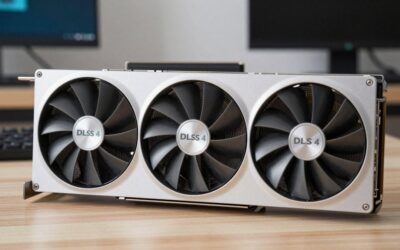
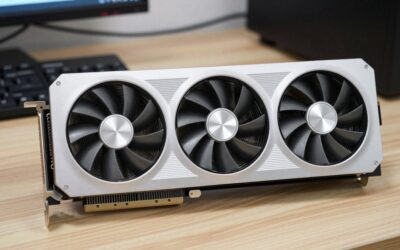
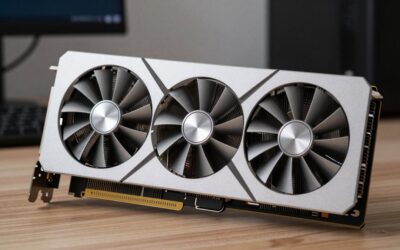
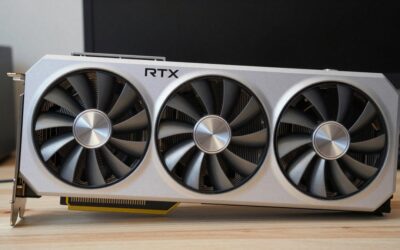
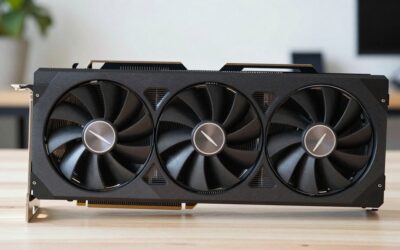
- Top Pick: GIGABYTE Radeon RX 9070 XT Gaming OC 16G Graphics Card, PCIe 5.0, 16GB GDDR6, GV-R9070XTGAMING OC-16GD Video Card
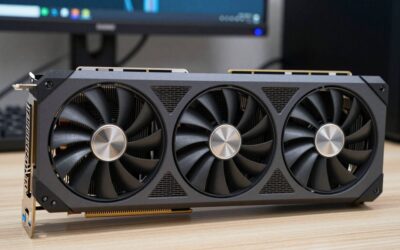
- Best Value: GIGABYTE Radeon™ RX 9070 XT Gaming OC ICE 16G Graphics Card (16GB GDDR6, 256-bit, PCIe 5.0, HDMI/DP 2.1, 2.7 Slot, Hawk Fan, Server-Grade Thermal Gel, Reinforced Structure)
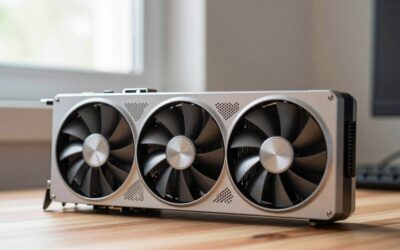
- Premium Choice: ASUS Prime Radeon RX 9070 XT 16GB GDDR6 OC Edition Gaming Graphics Card
rtx 5070 vs 9070 xt is a matchup where a modest price gap hides a real difference in horsepower and memory, and sorting it out is the key to a smart 1440p build. The Nvidia GeForce RTX 5070 brings efficiency, DLSS 4, and a lower price, while the AMD Radeon RX 9070 XT answers with more raw frames, a wider memory bus, and a larger 16GB buffer. They chase the same high-refresh 1440p buyer, but they get there very differently. This face-off lays out the specs, the real performance picture, and a clear buy-this-if verdict so you can choose fast.


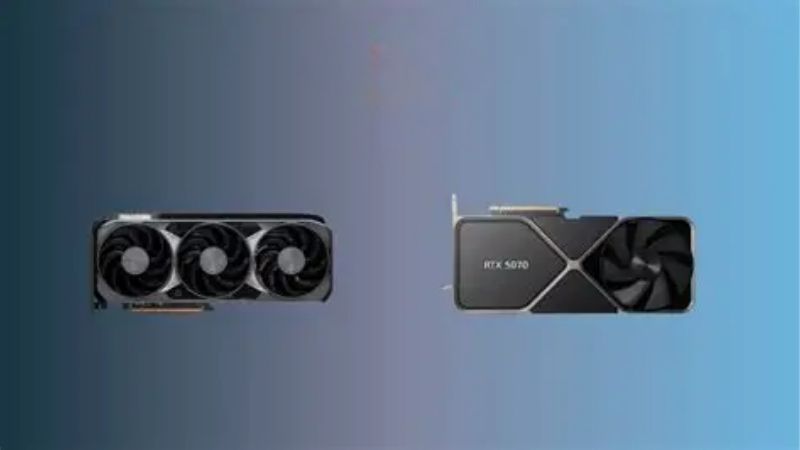
The Quick Verdict on the RTX 5070 vs RX 9070 XT
Here is the short answer. The RX 9070 XT is the faster card with more VRAM, and it is the pick if you want the highest rasterization and the most future headroom at 1440p. The RTX 5070 is the value and efficiency play: it costs less, draws less power, and leans on DLSS 4 Multi Frame Generation to stretch its performance. The decision hinges on whether you prioritize raw frames and a 16GB buffer, or lower cost, lower power, and Nvidia’s software stack.
As an Amazon Associate we earn from qualifying purchases at no extra cost to you.


Who should buy the RTX 5070
The RTX 5070 suits the buyer who wants a strong 1440p card without the higher price or power draw of the AMD option. At roughly 549 dollars and around 250W, it is more efficient and easier to cool, pairing comfortably with a quality 650W power supply.
Its biggest asset is DLSS 4 with Multi Frame Generation, a Blackwell-exclusive that can multiply frames in supported games and lift its effective performance well beyond raw specs. Nvidia’s broad software support adds long-term value.
The trade-off is a 12GB frame buffer, smaller than the 9070 XT’s 16GB, which is worth weighing if you plan to keep the card for many years of increasingly VRAM-hungry games.
Who should buy the RX 9070 XT
The RX 9070 XT is for the buyer who wants maximum rasterization and future headroom at 1440p. Its wider 256-bit bus and 16GB buffer deliver higher frame rates in raster-heavy games and more room for demanding textures down the road.
It is also the stronger choice for anyone eyeing a fast 1440p panel above 144Hz or the occasional step into 4K. FSR 4 gives it excellent AI upscaling, so it is far from behind on features.
The trade-off is a roughly 304W board power that expects a 750W supply and good airflow, plus a modestly higher price. For pure performance and VRAM, though, it leads.
Specs and price at a glance: 5070 vs 9070 XT
The data shows where each card invests its budget. Treat frame figures as representative ranges at 1440p high settings, since exact results shift by game, driver, and configuration.
| Spec | RTX 5070 | RX 9070 XT |
|---|---|---|
| Architecture | Blackwell | RDNA 4 |
| VRAM | 12GB GDDR7 | 16GB GDDR6 |
| Memory bus | 192-bit | 256-bit |
| Board power (TDP) | ~250W | ~304W |
| Upscaling | DLSS 4 + Multi Frame Gen | FSR 4 (AI) |
| Launch MSRP | ~549 dollars | ~599 dollars |
| Best fit | 1440p value / efficiency | 1440p max / entry 4K |
The pattern: for roughly 50 dollars more, the 9070 XT adds a wider bus, more VRAM, and higher raw performance, while the 5070 answers with lower power and DLSS 4 Multi Frame Generation. Whether that premium is worth it depends on the criteria below.
Deep Dive Face-Off: RTX 5070 vs RX 9070 XT
A spec sheet only hints at real behavior. This section compares the two by the criteria that decide your experience: rasterization at 1440p, ray tracing plus upscaling, and the practical realities of power, cooling, and VRAM headroom.
Raw rasterization and 1440p gaming
In pure rasterized games the RX 9070 XT is the stronger card, holding a clear lead at 1440p thanks to its wider 256-bit bus and higher shader throughput. Where the 5070 targets a smooth high-settings experience, the 9070 XT pushes closer to the top of a high-refresh panel.
The RTX 5070 is still an excellent 1440p performer, comfortably clearing high frame rates in most titles at high settings. But in the heaviest games the 9070 XT’s extra muscle and bandwidth open a visible gap.
For pinning a 165Hz or higher 1440p monitor in demanding titles, the 9070 XT is the better tool, while the 5070 aims squarely at a strong, efficient high-settings experience. In lighter and competitive games both cards run far ahead of most monitors, so the gap only becomes meaningful once you load up the heaviest modern titles at high settings.
Ray tracing and upscaling: DLSS 4 vs FSR 4
Ray tracing is closer here than raw raster suggests. The 9070 XT has strong RT hardware, but the RTX 5070 leans on Nvidia’s mature ray-tracing pipeline and DLSS 4 with Multi Frame Generation to stay competitive, generating extra frames in supported titles.
FSR 4 on the 9070 XT is an AI upscaler that has closed the quality gap dramatically and looks excellent, and its 16GB buffer helps when ray tracing pushes VRAM use higher. The 5070’s 12GB is generally fine at 1440p but has less long-term cushion.
The takeaway: the 5070’s frame-generation stack narrows the experience gap more than the raw numbers imply, while the 9070 XT’s memory keeps heavy RT and high textures viable longer. Which matters more depends on your games.
Power draw, cooling, and VRAM headroom
This is where the RTX 5070 fights back. Its roughly 250W draw is notably lower than the 9070 XT’s 304W, so it runs cooler and quieter and pairs with a smaller 650W power supply, easing the total build cost.
The 9070 XT expects a 750W supply and good airflow, and most models are large triple-fan cards, so measure your case clearance. Its payoff is that 16GB buffer, which offers more headroom than the 5070’s 12GB as games grow hungrier.
So the practical trade is efficiency and easy cooling on the 5070 against more VRAM and raw power on the 9070 XT. Both are valid priorities depending on your build and how long you keep it. If you upgrade every couple of years the 12GB buffer is unlikely to trouble you, but if you hold hardware for the long haul the 9070 XT’s extra memory becomes a genuine advantage over time.
Value, Pricing Trends, and the Smart Buy in 2026
Performance tiers rarely change; prices change constantly. To make a smart call on the 5070 vs 9070 XT today, weigh the pros and cons against where GPU and memory pricing is heading, because timing and street price can matter as much as the silicon.
Pros and cons of each card
The RTX 5070’s strengths are its lower price, efficiency, easy cooling, and DLSS 4 Multi Frame Generation. Its weaknesses are a smaller 12GB buffer and a raw-performance deficit against the 9070 XT in rasterized games.
The RX 9070 XT’s strengths are higher rasterization, a wider 256-bit bus, and a larger 16GB buffer for future headroom. Its weaknesses are the higher price, the 304W power draw, and a larger physical footprint on most models.
The deciding factors are performance and VRAM versus efficiency and cost, which makes this a genuinely personal trade-off rather than a case of one card being objectively better than the other.
What rising GPU and memory prices mean for buyers
Here is the market context. Laptop and PC component prices have been trending upward, driven heavily by memory costs, and that pressure feeds straight into card street prices. The launch MSRPs above are frequently a floor rather than the number you will actually pay.
The good news is real but weak and far off. Pricing has stopped climbing as steeply as it did in late 2025, and some makers report a stretch of relative stability while still warning of volatility. New supply is opening up, with OEMs able to source DDR5 from suppliers such as CXMT and Micron building two plants in Idaho, but those fabs will not run until 2027 to 2028. Prices have plateaued, not fallen, so real relief is still years away.
The practical read: do not wait for a steep drop on either card. If you find the RTX 5070 or RX 9070 XT at or near MSRP, that is a good buy now rather than a reason to hold out.
The alternative if neither fits
If you want more than either offers, the RTX 5070 Ti steps up with GDDR7 and stronger ray tracing, though at a higher price. Going the other way, the RX 9070 (non-XT) sits just below the XT and often costs a bit less for slightly fewer frames.
Match the card to your monitor and power supply first. A 1440p 144Hz build is well served by either the 5070 or 9070 XT, so let price, power, and VRAM priorities guide you rather than chasing the absolute top of the chart.
The smartest buy is the one that fits your resolution, your case, and your budget, not simply the fastest name in the comparison.
Which Card Fits Your Setup: 5070 vs 9070 XT
Specs set the ceiling, but your actual setup decides the right buy. Here is how the two cards line up against three common buyer profiles so you can match the hardware to your real situation.
Best for efficiency and quieter builds
If you value a cool, quiet, low-power system, the RTX 5070 is the natural fit. Its 250W draw keeps thermals and fan noise down and lets you use a smaller power supply, which also trims the total build cost.
Paired with DLSS 4, it delivers a strong 1440p experience without the heat or power demands of the 9070 XT. For a tidy, efficient rig, the 5070 is the friendlier component.
Best for maximum frames and future headroom
If you want the highest rasterization and the most VRAM for years of demanding games, the RX 9070 XT is the pick. Its 16GB buffer and wider bus give it both a performance edge today and more room to breathe tomorrow.
Just plan for the 304W draw with a 750W supply and good airflow. For the buyer who prioritizes raw performance and longevity over efficiency, the 9070 XT earns its premium.
Best for reusing an existing power supply
Upgraders on a 650W power supply will find the RTX 5070 drops in without a swap, saving both money and effort. That hidden cost can tip the value math in its favor for anyone building on existing parts.
The 9070 XT may require a power supply upgrade on older systems, so factor that into its true cost. If a clean, no-extra-parts upgrade matters to you, the efficient 5070 wins this scenario.
See More:
Final Verdict: RTX 5070 vs RX 9070 XT
The rtx 5070 vs 9070 xt decision comes down to what you value most at 1440p. Buy the RX 9070 XT if you want the highest rasterization, a wider memory bus, and a 16GB buffer for future headroom, and your budget and power supply can handle it. Buy the RTX 5070 if you want a cooler, quieter, more efficient card that costs less and leans on DLSS 4 Multi Frame Generation to stretch its frames. Both are capable high-refresh 1440p cards that will last for years, and with component prices flat-to-rising rather than falling, grabbing whichever fits your build at a fair price is the smart move. When you have picked your side, check current listings and availability through the link below before stock and pricing shift again.
Frequently Asked Questions
Which card is faster at 1440p in raw rasterisation?
The RX 9070 XT is clearly ahead. It sits roughly 20 to 25 percent faster than the RTX 5070 across a broad 1440p raster suite, and the gap widens in games that scale with memory bandwidth. The 5070 competes on features and efficiency, not on raw frames, so if native performance is your priority the AMD card wins.
Is 12GB of VRAM on the 5070 a real problem?
It is the 5070’s biggest weakness against 16GB on the 9070 XT. At 1440p, 12GB is adequate today in nearly all titles, but ultra texture packs, ray tracing and frame generation all consume extra memory. For a card intended to last three or four years at 1440p, the 4GB deficit is a legitimate long-term concern.
What power supply does each card need?
The RTX 5070 has a 250W board power and uses a 12V-2×6 connector, usually fed by an included dual 8-pin adapter, with 650W recommended. The RX 9070 XT runs at roughly 304W using two or three 8-pin connectors and wants 750W. The AMD card also runs hotter and generally needs a case with better airflow.
How different is ray tracing performance between them?
RDNA 4 massively closed AMD’s ray tracing deficit, so the 9070 XT is broadly competitive with and often ahead of the 5070 in standard ray traced titles. Nvidia retains an advantage in full path traced games such as Cyberpunk 2077 with the overdrive preset, where its RT cores and ray reconstruction denoising still pull clear.
Is DLSS 4 multi frame generation better than FSR 4?
FSR 4 finally matches DLSS closely on upscaling image quality, so the difference there is small. The genuine Nvidia advantage is multi frame generation, which inserts up to three generated frames and drives very high refresh numbers, plus far wider game support. If you value smoothness on a high-Hz monitor, that feature tips the balance toward the 5070.
Ready to decide? Our #1 pick for 2026 is the Architecture.
Live price & availability on Amazon.

Write Your Review
No reviews yet. Be the first to share your experience!