
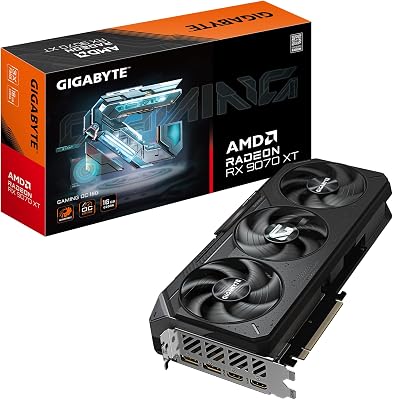
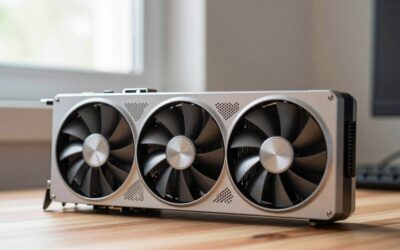
- Top Pick: GIGABYTE Radeon™ RX 9070 XT Gaming OC ICE 16G Graphics Card (16GB GDDR6, 256-bit, PCIe 5.0, HDMI/DP 2.1, 2.7 Slot, Hawk Fan, Server-Grade Thermal Gel, Reinforced Structure)
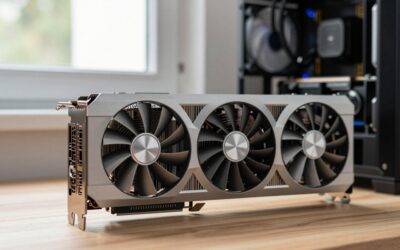
- Best Value: GIGABYTE Radeon RX 9070 XT Gaming OC 16G Graphics Card, PCIe 5.0, 16GB GDDR6, GV-R9070XTGAMING OC-16GD Video Card
- Premium Choice: Sapphire 11348-03-20G Pulse AMD Radeon™ RX 9070 XT Gaming Graphics Card with 16GB GDDR6, AMD RDNA 4
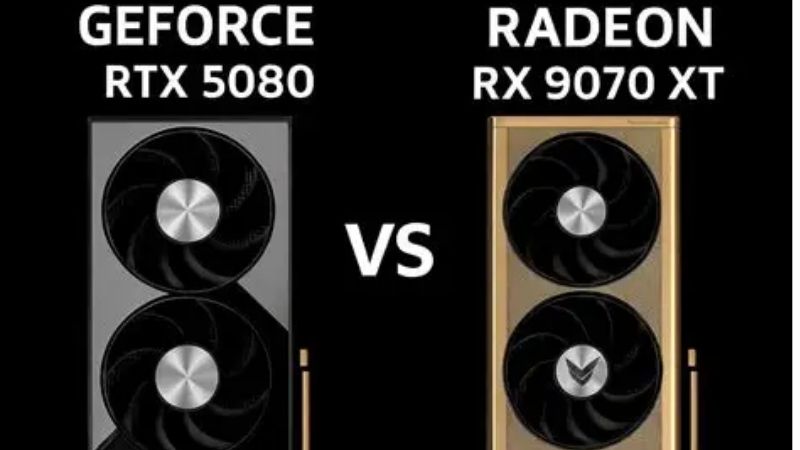
amd radeon rx 9070 xt vs 5080 pits a value champion against a 4K powerhouse, and the roughly 400 dollar price gap between them is the whole story. The AMD Radeon RX 9070 XT is a superb high-refresh 1440p card that costs far less, while the Nvidia GeForce RTX 5080 is a genuine 4K performer that asks a flagship-adjacent price and draws considerably more power. Both carry 16GB of VRAM, but they target very different buyers. This face-off lays out the specs, the real performance picture, and a clear buy-this-if verdict so you can decide fast, without wading through a dozen benchmark videos to figure out which card actually fits your monitor.


Best Seller
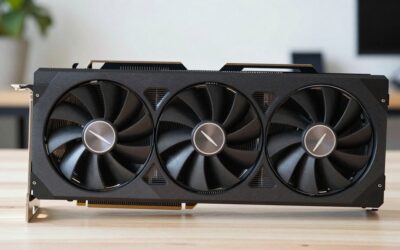
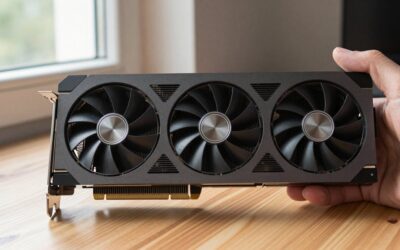
XFX Swift AMD Radeon RX 9070XT Triple Fan Gaming Edition with 16GB GDDR6 HDMI 3xDP, AMD RDNA 4 RX-97TSWF3BA
The Quick Verdict on the RX 9070 XT vs RTX 5080
If you only read one section, read this. The RTX 5080 is substantially faster and is the pick for uncompromised 4K gaming and the heaviest ray tracing, but it costs far more and draws considerably more power. The RX 9070 XT is the value pick, delivering excellent 1440p performance and even capable 4K for a fraction of the price. Your decision comes down to whether you truly need 4K flagship performance or want the smarter spend for high-refresh 1440p.
As an Amazon Associate we earn from qualifying purchases at no extra cost to you.


Who should buy the RX 9070 XT
The RX 9070 XT makes sense for the gamer who plays at 1440p, wants outstanding frames per dollar, and does not need flagship 4K performance. At around 599 dollars, it costs far less than the 5080 while still delivering a smooth high-settings experience and even respectable 4K in many titles.
It is also the friendlier card for your wider system, with a roughly 304W board power that pairs with a sensible 750W supply. For buyers who measure a purchase by value and total build cost, it is the clear pragmatic choice.
FSR 4 keeps its upscaling competitive, so you are not sacrificing modern features to save several hundred dollars over the Nvidia flagship.
Who should buy the RTX 5080
The RTX 5080 is for the enthusiast who wants uncompromised 4K high-refresh gaming and the strongest ray tracing available short of the very top card. Its Blackwell core and GDDR7 memory deliver a large performance lead over the 9070 XT.
It also unlocks DLSS 4 with Multi Frame Generation, which can multiply frames in supported games and push a 4K panel to high refresh rates. For chasing the highest numbers, it is built for the job.
The trade-offs are a much higher price near 999 dollars and a roughly 360W power draw that demands a stronger 850W supply and good airflow, so plan your build accordingly.
Specs and price at a glance: 9070 XT vs 5080
The data makes the tier gap obvious. Treat frame figures as representative ranges, since exact results shift by game, driver, and settings.
| Spec | RX 9070 XT | RTX 5080 |
|---|---|---|
| Architecture | RDNA 4 | Blackwell |
| VRAM | 16GB GDDR6 | 16GB GDDR7 |
| Memory bus | 256-bit | 256-bit |
| Board power (TDP) | ~304W | ~360W |
| Upscaling | FSR 4 (AI) | DLSS 4 + Multi Frame Gen |
| Launch MSRP | ~599 dollars | ~999 dollars |
| Best fit | 1440p value | 4K high-refresh |
The pattern is clear: you pay roughly 400 dollars more for the 5080 and, in exchange, get a large performance jump, GDDR7 bandwidth, and Nvidia’s frame-generation stack, at the cost of higher power draw. Whether that premium is worth it depends entirely on the deep dive below.
Deep Dive Face-Off: RX 9070 XT vs RTX 5080
A spec sheet only hints at real behavior. This section compares the two by the criteria that decide your experience: rasterization across resolutions, ray tracing plus upscaling, and the practical realities of power, cooling, and system fit, each weighted for the resolution you actually play at.
Raw rasterization at 1440p and 4K
In pure rasterized games the RTX 5080 holds a large lead, which is expected given its higher tier and price. At 4K it delivers the frames the 9070 XT cannot consistently reach, making it the true 4K card of the pair.
At 1440p, however, the gap matters less in practice because both cards already push high frame rates. The 9070 XT comfortably drives a 1440p high-refresh monitor in most titles, so the 5080’s extra power is most valuable to 4K players.
The honest read: if you game at 1440p, the 9070 XT delivers most of the experience for far less, while the 5080 justifies itself mainly at 4K and beyond.
Ray tracing and upscaling: DLSS 4 vs FSR 4
Ray tracing is where the 5080 pulls further ahead. Nvidia’s mature ray-tracing hardware holds strong frames with heavy RT or path tracing enabled, in scenarios where the 9070 XT must lean harder on upscaling to stay smooth.
DLSS 4 with Multi Frame Generation adds another layer, letting the 5080 fill a 4K high-refresh panel in supported games. AMD’s FSR 4 has closed the image-quality gap impressively and looks excellent, but Nvidia’s frame-generation tooling and support remain broader.
Practically, if ray tracing is central to how you play, the 5080 earns its premium. If it is an occasional toggle, the 9070 XT’s value case grows much stronger.
Power draw, cooling, and system compatibility
The 9070 XT’s roughly 304W draw is meaningfully lower than the 5080’s 360W, so it runs cooler and pairs with a more modest 750W supply. The 5080 pushes you toward an 850W unit and better case airflow.
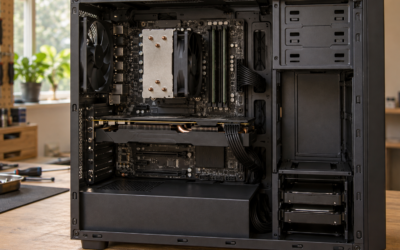
Both tend to ship as large triple-fan partner cards, so measure clearance in a compact case before buying either. Neither is a natural small-form-factor pick without a compact model.
Factor the stronger power supply and cooling the 5080 needs into its true cost, since those add to the gap beyond the sticker difference. For efficiency-minded builders, the 9070 XT is friendlier, and that lower draw pays off in a quieter, cooler system every day.
Value, Pricing Trends, and the Smart Buy in 2026
Performance tiers rarely change; prices change constantly. To make a smart call on the 9070 XT vs 5080 today, weigh the pros and cons against where GPU and memory pricing is heading, because timing can matter as much as the silicon.
Pros and cons of each card
The RX 9070 XT’s strengths are its price, strong 1440p rasterization, efficiency, and a 16GB buffer. Its weaknesses are a clear performance deficit at 4K and a smaller ray-tracing lead against the Nvidia card.
The RTX 5080’s strengths are 4K performance, GDDR7 bandwidth, ray-tracing leadership, and DLSS 4 Multi Frame Generation. Its weaknesses are the much higher price, the 360W power draw, and the stronger power supply it requires.
Both carry 16GB, so neither will feel starved for memory soon, which means the real decision is 1440p value against 4K flagship power rather than a question of longevity, so let your monitor and how often you enable ray tracing lead the choice.
What rising GPU and memory prices mean for buyers
Here is the market context that changes the math. Laptop and PC component prices have been trending upward, driven heavily by memory costs, and that pressure feeds straight into graphics card street prices, so the launch MSRPs above are often a floor rather than the number you will pay.
The good news is real but weak and far off. Pricing has stopped climbing as steeply as it did in late 2025, and some makers report a stretch of relative stability while still warning of volatility. New supply is opening up, with OEMs able to source DDR5 from suppliers such as CXMT and Micron building two plants in Idaho, but those fabs will not run until 2027 to 2028, so prices have plateaued rather than fallen.
For a buyer the read is simple: waiting for a steep crash on either card is a poor bet right now. If you find the 9070 XT or 5080 at or near MSRP, that is a good buy today rather than a reason to hold out.
The alternative if neither fits
If the 5080 is too pricey but you want more than the 9070 XT, the RTX 5070 Ti sits between them, offering strong 1440p and entry 4K for less than the 5080. It is a natural middle ground for many buyers.
Going the other way, staying with the 9070 XT and investing the savings in a better monitor or CPU often improves your real experience more than chasing the 5080’s 4K headroom you may not use.
Match the card to your monitor first, because pairing a 5080 with a 1440p 60Hz panel wastes its potential just as surely as pairing a 9070 XT with a demanding 4K display leaves frames on the table.
Which Card Fits Your Setup: 9070 XT vs 5080
Specs set the ceiling, but your monitor and budget decide the right buy. Here is how the two line up against three common profiles so you can match the hardware to your real situation.
Best for high-refresh 1440p value
If you run a 1440p high-refresh monitor and want the most performance per dollar, the RX 9070 XT is the clear pick. It drives that resolution beautifully and leaves hundreds of dollars in your pocket for the rest of the build.
For the value-focused 1440p gamer, the 5080’s extra power would largely go unused, making the 9070 XT the smarter, better-balanced choice.
You also keep hundreds of dollars for a faster CPU, more storage, or a better monitor, upgrades that a 1440p gamer will feel far more than the 5080’s untapped 4K headroom.
Best for uncompromised 4K gaming
If your display is a 4K high-refresh panel and you want maximum frames with heavy ray tracing, the RTX 5080 is built for it. Its horsepower and DLSS 4 stack deliver the 4K experience the 9070 XT cannot consistently match.
For this buyer, the premium buys a genuinely better experience rather than just a higher benchmark number, and the card has the headroom to stay strong for years.
If you have invested in a premium 4K high-refresh display, the 5080 is what lets you actually use it, turning that expensive panel into the experience you bought it for.
Best for creators and mixed workloads
Creators who game and also render, edit, or run AI workloads may lean toward the 5080 for its raw power and Nvidia’s broad software support. Its performance ceiling suits demanding professional tasks alongside 4K play.
That said, budget-focused creators whose tools do not rely on Nvidia-specific features can still do excellent work on the 9070 XT while saving money. Match the card to the exact software you depend on most.
As a rule, if your paid work leans on the GPU heavily, the 5080’s extra power pays for itself in saved time, whereas hobbyist creators are usually well served by the cheaper 9070 XT.
See More:
Final Verdict: AMD Radeon RX 9070 XT vs 5080
The amd radeon rx 9070 xt vs 5080 decision comes down to value versus 4K power. Buy the RTX 5080 if you want uncompromised 4K high-refresh gaming, the strongest ray tracing, and DLSS 4 Multi Frame Generation, and the roughly 400 dollar premium and higher power draw fit your plans. Buy the RX 9070 XT if you game at 1440p and want outstanding performance per dollar with lower power and a 16GB buffer. Both are strong 16GB cards, and with component prices flat-to-rising rather than falling, grabbing whichever fits your monitor at a fair price is the smart move. When you have decided, check current listings and availability through the link below before pricing shifts again.
Frequently Asked Questions
Is the RTX 5080 worth its price premium over the RX 9070 XT?
It depends entirely on your resolution and workload. At 4K and in path-traced titles the RTX 5080 is meaningfully faster and the better experience. At 1440p the RX 9070 XT delivers most of the frame rate for considerably less money, making it the stronger value for high refresh 1440p gaming.
How do the memory subsystems compare?
Both offer 16GB on a 256-bit bus, but the RTX 5080 uses GDDR7 for roughly 960GB/s against about 645GB/s of GDDR6 on the RX 9070 XT. That bandwidth advantage compounds at 4K and in professional workloads, while at 1440p the difference is far less visible.
What are the power and connector requirements?
The RX 9070 XT is rated near 304W with two 8-pin PCIe connectors and a 750W recommendation. The RTX 5080 is rated near 360W through a single 12V-2×6 connector with an 850W ATX 3.1 recommendation. The AMD card is easier to fit into an existing build with an older supply.
Which is better for creative and AI work?
The RTX 5080, clearly. CUDA support, the ninth generation NVENC encoder and broad software optimisation give Nvidia a large practical advantage in video editing, 3D rendering and local AI tools. AMD has improved with ROCm on Windows, but ecosystem support remains the deciding factor for professional users.
Will either card handle 4K gaming at high refresh rates?
The RTX 5080 comes closest, sustaining high frame rates at 4K in most titles and reaching very high numbers with DLSS 4 Multi Frame Generation. The RX 9070 XT manages 4K at 60fps or better in many games, particularly with FSR 4, but it is fundamentally positioned as a 1440p card.
Ready to decide? Our #1 pick for 2026 is the Architecture.
Live price & availability on Amazon.





Write Your Review
No reviews yet. Be the first to share your experience!