
- Top Pick: GIGABYTE GeForce RTX 5060 Ti WINDFORCE OC 8G Graphics Card, 8GB 128-bit GDDR7, PCIe 5.0, WINDFORCE Cooling System, GV-N506TWF2OC-8GD Video Card
- Best Value: ZOTAC Gaming GeForce RTX 5060 Twin Edge OC DLSS 4 8GB GDDR7 128-bit 28 Gbps PCIE 5.0 Gaming Graphics Card, SFF-Ready Compact Card, ZT-B50600H-10A
- Premium Choice: ASUS TUF Gaming GeForce RTX 5060 Ti 8GB GDDR7 OC Edition Graphics Card
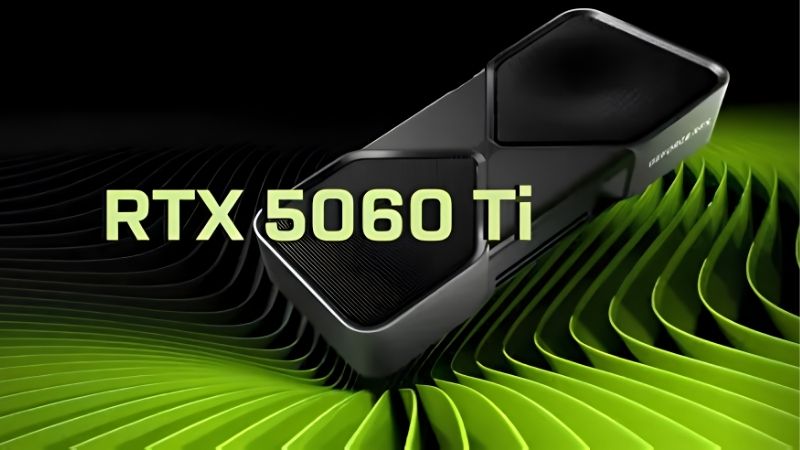
Nvidia RTX 5060 8GB price is the number that makes or breaks the most popular budget-gaming decision of 2026. On paper it is a $299 card, but the real shelf price tells a more complicated story. This review breaks down what the RTX 5060 8GB actually costs today, what that money buys, and whether it is still the smart pick for a 1080p gaming build.


What the RTX 5060 8GB Costs in 2026
The RTX 5060 launched at a $299 MSRP, positioning it as the affordable entry into Nvidia’s Blackwell generation. But like every GPU in this cycle, the price you actually pay depends heavily on the market, and it has rarely stayed at that clean launch figure for long.
As an Amazon Associate we earn from qualifying purchases at no extra cost to you.




MSRP vs Real Street Prices
Timing your purchase matters more at this price point than at any other, because a $40 swing is a large fraction of a $299 card. Setting a price alert and buying the moment stock appears near MSRP is genuinely worth the small effort, since the difference is a meaningful slice of the total cost.
At $299, the RTX 5060 is one of the cheapest ways into current-generation features. In practice, rising component costs and steady demand have pushed typical street prices above that, so budgeting a little over MSRP is the realistic approach in 2026.
The takeaway for a buyer is to treat $299 as the fair-price anchor, not the guaranteed price. When a listing sits close to MSRP, that is a genuine deal worth acting on; when it drifts far above, you are paying a scarcity premium rather than the card’s real value.
It also pays to compare a few retailers, since budget cards see the widest price spread of any tier. The same RTX 5060 can vary by $40 or more between stores in the same week.
Where the $299 Actually Goes
What you do not get at this price is raw brute force, and that is the honest trade. The 128-bit bus and modest core count mean this is a card built to hit a price and a power target, leaning on Nvidia’s software to stretch its capabilities rather than on sheer hardware muscle.
For the money you get 3,840 CUDA cores, 8GB of fast GDDR7 on a 128-bit bus, 448 GB/s of bandwidth, and a lean 145W TDP. It is built on the Blackwell architecture, so it includes DLSS 4 with Multi Frame Generation, Reflex, PCIe Gen 5, and the latest AV1 encode support.
That feature set is the RTX 5060’s real argument. Even at the bottom of the stack, you are getting the same headline software capabilities as far pricier cards, which is unusual value in a budget GPU.
The low 145W draw is an underrated part of the deal, too. It slots into modest pre-built systems and smaller power supplies without an upgrade, keeping the total cost of the build down.
Pros and Cons of the RTX 5060 8GB at This Price
User sentiment on this card is genuinely split, and weighing the enthusiastic reviews against the frustrated ones is the honest way to judge it. Buyers praise its 1080p performance and efficiency; the recurring complaint is the 8GB buffer and prices that creep above MSRP.
| Pros | Cons |
|---|---|
| Excellent 1080p performance for the price | 8GB can feel tight at 1440p and in newer titles |
| Full DLSS 4 + Multi Frame Generation support | Street price often sits above the $299 MSRP |
| Very efficient at 145W, easy to power and cool | 128-bit bus limits headroom versus pricier cards |
| Modern I/O: PCIe 5, AV1, latest display outputs | Not ideal for 4K or heavy ray tracing |
Read together, the pattern is clear: this is a focused 1080p card, and the complaints are almost entirely about pushing it beyond that comfort zone or paying too much for it.
Is the RTX 5060 8GB Worth the Money?
Value is not just the sticker price; it is what that price delivers for your specific use. For the RTX 5060, the answer hinges almost entirely on resolution and how long you plan to keep the card.
1080p Performance and DLSS 4
In practice that makes it a comfortable match for the fast 1080p monitors most budget gamers own. Pairing it with a 144Hz or higher panel is where it feels best, delivering the smooth, responsive experience this class of card is designed to provide without asking you to compromise heavily on settings.
At 1080p, the RTX 5060 is exactly what a budget gamer wants. It runs modern titles at high settings with comfortable frame rates, and DLSS 4 with Multi Frame Generation can push those numbers substantially higher in supported games while Reflex keeps latency low.
That combination lets a $299-class card punch above its raw specifications in the newest games, which is where Nvidia’s software advantage genuinely pays off for value buyers rather than just reading well on a slide.
For high-refresh 1080p esports in particular, it is more than enough, easily driving the fast panels this audience tends to own. That is the sweet spot this card was built to hit.
The 8GB Question
The frustration in negative reviews almost always traces back to this single spec. Buyers who pushed the card to 1440p or maxed textures ran into its wall and felt shortchanged, while those who kept it at 1080p rarely mention memory at all, which tells you exactly where its comfort zone ends.
The elephant in the room is the 8GB frame buffer. At 1080p it is generally fine today, but a growing number of 2026 titles push past 8GB at high texture settings, which can cause stutters or force you to dial textures down a notch.
If you game strictly at 1080p and upgrade every few years, 8GB is a reasonable trade for the low price. If you want 1440p or plan to keep the card for a long time, the limitation is real, and stepping up to a 16GB option is worth serious thought.
It is a longevity question more than a today question. The card handles current 1080p workloads well; the risk is how gracefully 8GB ages as games keep demanding more memory.
Who the RTX 5060 8GB Is For
A good gut check is your monitor and your upgrade rhythm. If you game on a 1080p screen and expect to replace the card within a few years anyway, its limitations may never surface for you, and the low price becomes pure upside rather than a compromise you regret.
This card is aimed squarely at the budget 1080p gamer and the first-time builder who wants modern features without a big outlay. For esports, high-refresh 1080p, and mainstream single-player gaming, it hits its target audience precisely.
It is not for 4K aspirants or anyone who wants maximum longevity headroom. Knowing which camp you are in is the difference between a smart purchase and a card you outgrow sooner than you would like.
If your honest answer is “1080p, on a budget, upgrading again in a few years,” this card was designed for you and delivers real value at its price.
Why the RTX 5060 Price Won’t Sit
Understanding why this card rarely holds its MSRP helps you shop smarter, because the pressure comes from forces bigger than any single GPU. Two market realities are keeping budget-card prices firm in 2026.
Memory Costs and the 2026 Price Climb
None of this is unique to the RTX 5060, which is oddly reassuring. Every card in the market has drifted above its launch price for the same underlying reasons, so a modest premium here reflects the broader climate rather than anything specifically wrong with this particular GPU.
Component prices, especially memory, have trended upward and dragged graphics-card prices with them. As GDDR and DRAM costs rose, even budget cards like the RTX 5060 drifted above their launch pricing, and Nvidia’s move to trim RTX 50-series production tightened supply further.
For a value shopper, the lesson is to watch the price closely and pounce when it dips toward MSRP, because in a tight market those windows do not stay open for long.
Memory is the biggest single cost inside a modern GPU, so when it climbs, budget cards feel it just as much as flagships. That is why the whole stack drifted above MSRP together.
Has the Worst Passed?
There is cautiously positive news. The steep price climb of late 2025 has eased, and the market has shown a period of relative stability, even if suppliers still warn of possible movement ahead. Prices have levelled off more than they have dropped.
Because significant new supply is not expected to reshape the market until 2027-2028, waiting endlessly for a big price fall is not a strong plan. The practical move is to buy when the card reaches a fair number rather than holding out for a crash.
For a budget buyer who needs a card now, that is actually reassuring: you are not missing an imminent bargain by purchasing at a fair price today.
How to Buy the RTX 5060 8GB Smart
It also pays to watch for bundles, since budget cards are often paired with games or small discounts that improve the effective value. When two listings sit at similar prices, the extras can be the tiebreaker that makes one clearly the better buy for your particular build.
The smartest approach is to set your target at or near the $299 MSRP and treat anything close to it as a green light. Compare a few retailers, since budget-card pricing varies more than you might expect from week to week.
When you find the RTX 5060 8GB at a fair price, that is the moment to buy, because good deals in this segment move quickly.
You can check today’s live price and availability through the link on our recommendations before you commit, so you are buying at a fair number rather than guessing at one.
See More:
- TechPowerUp GPU
- Nvidia H200 GPU price
- RTX 5050 Mobile
- Nvidia competitors
- Nvidia Reflex low latency on or off
The Bottom Line on the RTX 5060 8GB Price
The Nvidia RTX 5060 8GB price starts at a $299 MSRP that is well worth it for 1080p gaming, delivering modern DLSS 4 features and strong efficiency, with the only real caveats being the 8GB buffer and street prices that tend to run a bit high. For a budget 1080p build in 2026, few cards pack this much current-generation capability into so low a starting price, which is exactly why it stays so popular. If 1080p is your target and you can find it near MSRP, it is an easy recommendation — tap the link on our site to check today’s live price and grab it before the deal moves.
Frequently Asked Questions
What is the RTX 5060 supposed to cost?
NVIDIA set the launch price at 299 US dollars for the 8GB card, positioning it directly against the previous generation RTX 4060 and AMD’s competing mid-range parts. Street pricing varies with partner cooler design and factory overclocks, and models with elaborate triple-fan coolers sit above the reference figure without offering meaningfully better performance in a well ventilated case.
Is 8GB of VRAM a real problem at this price?
It is the card’s main weakness. At 1080p with sensible texture settings it is generally sufficient, but several recent titles exceed 8GB at high textures or with ray tracing and frame generation enabled, causing stutter and texture pop-in rather than a smooth frame rate drop. If you intend to play at 1440p or keep the card for several years, the 16GB tier is the safer purchase.
What power supply and connector does the RTX 5060 need?
The card is rated at 145W and most partner models use a single 8-pin PCIe connector, with a 550W supply recommended for a typical system. That modest draw makes it one of the easier upgrades for prebuilt machines with weaker original power supplies, though you should still verify the PSU has a native PCIe cable rather than relying on a Molex adapter.
Does the PCIe 5.0 x8 interface cause problems on older boards?
Only on genuinely old systems. On a PCIe 4.0 slot the effective bandwidth matches PCIe 3.0 x16 and the impact is minimal. On a PCIe 3.0 board the halved lane count becomes measurable, particularly in games that exceed the 8GB frame buffer and start streaming across the bus, which compounds the VRAM limitation. Budget upgraders on older platforms should factor that in.
Is the RTX 5060 worth buying over a discounted previous-generation card?
The 5060 adds DLSS 4 with multi frame generation, faster GDDR7 memory and a more efficient Blackwell encoder, which matter if you stream or play supported titles. A heavily discounted RTX 4060 Ti 16GB is the strongest counterargument because of its larger frame buffer. Compare actual prices rather than generation numbers, since VRAM capacity often outweighs a small architectural advantage.
Ready to decide? Our #1 pick for 2026 is the Excellent 1080p performance for the price.
Live price & availability on Amazon.

Write Your Review
No reviews yet. Be the first to share your experience!