
What is GPU binning is a question that explains why two seemingly identical graphics cards can perform a little differently. In simple terms, GPU binning is the process of testing and sorting chips by quality after manufacturing, then assigning each one to the product tier it can reliably handle. It is why a single silicon design can become several different cards, and why some chips overclock better than others. This guide explains how binning works, why it affects performance and overclocking headroom, what the so-called silicon lottery really means, and how to think about it when choosing a graphics card.
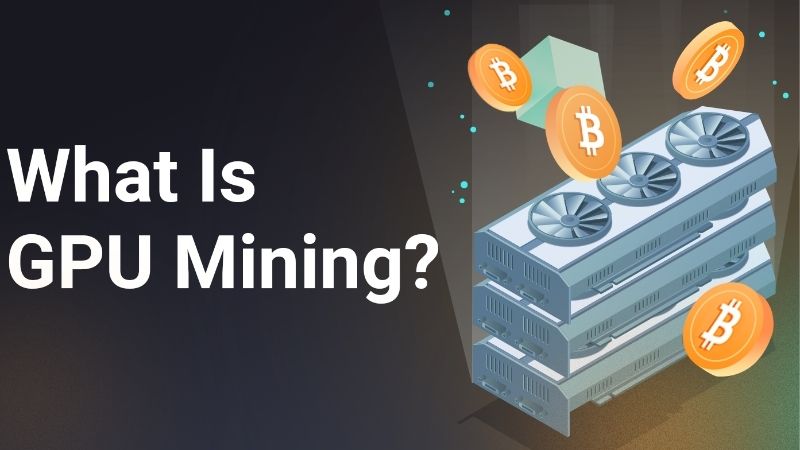
Understanding What GPU Binning Is
Before it influences your buying decisions, it helps to understand what binning actually involves. Binning is a quality-control and sorting step in chip manufacturing, and it shapes which products a given piece of silicon becomes and how well it performs.
How GPU Binning Works
When chips are manufactured, tiny variations in the process mean no two come out exactly alike. Some can run at higher clocks or lower voltages, while others have minor flaws or weaker performance characteristics.
Binning is the testing process that measures each chip and sorts it into categories, or bins, based on its quality. A chip that performs strongly might become a flagship part, while one with a small defect could be configured as a lower tier with some sections disabled.
This sorting lets manufacturers make the most of every wafer, turning a single design into a range of products that match the real capabilities of each individual chip rather than wasting any that fall short of the top tier.
Why Chips Vary in Quality
The variation comes from the incredibly precise nature of chip manufacturing. At such tiny scales, microscopic differences in materials and processing cause each chip to differ slightly in how it handles voltage, heat, and clock speed.
These differences are normal and expected, which is why binning exists in the first place. Rather than discarding chips that are not perfect, manufacturers sort them so each finds the role it can perform reliably.
This is also why higher-tier parts can command higher prices, since they represent the chips that tested best and can sustain the highest performance within safe limits. The very best chips are comparatively rare, so reserving them for the top models, and pricing those accordingly, reflects both their scarcity and their capability rather than any artificial limitation.
How Binning Creates Different Products
A single GPU design often becomes several different cards through binning. The best chips become the top-tier models, while chips with minor weaknesses or disabled sections become mid-range or entry products.
This is how manufacturers offer a full lineup from one architecture. Disabling a portion of a chip that did not test perfectly lets it serve as a capable lower-tier card rather than going to waste.
The approach makes economic sense for everyone involved. It lets makers recover value from nearly every chip on a wafer, which helps keep prices reasonable across the range, and it gives buyers a ladder of options built on the same underlying technology. So when you see several cards sharing a similar design but at different price points, binning is often the reason the lineup exists in the first place.
Why GPU Binning Matters
Binning is not just a factory detail; it influences the performance and overclocking potential of the card you buy. Understanding its effects helps set realistic expectations and explains the variation enthusiasts often discuss, especially when two owners of the same model report slightly different tuning results.
Binning and Overclocking Headroom
Because binning sorts chips by quality, the bin a chip falls into affects how much extra performance it can offer beyond its rated speed. Higher-binned chips often have more overclocking headroom and can run cooler at a given voltage.
This is why some cards overclock further than others of the same model, since the underlying chip quality varies. Premium or specially marketed cards sometimes use hand-picked, higher-binned chips to guarantee stronger results.
For most users, the rated performance is what matters, but for enthusiasts who tune their cards, binning quality can make a noticeable difference in how far they can push their hardware. A higher-binned chip might hold a stronger overclock at a lower temperature, while an average one reaches its limit sooner, which is exactly the kind of variation that fuels discussions among people who chase every last megahertz.
The Silicon Lottery Explained
The silicon lottery is the enthusiast term for the luck involved in getting a particularly good or average chip within the same product tier. Even within one bin, small variations remain, so two identical cards can differ slightly.
One buyer might get a chip that overclocks impressively while another gets one that is merely average, despite both being the same model. This is the lottery, and it is a normal consequence of how binning works.
For everyday use, the silicon lottery rarely matters since all cards meet their rated specs. It mainly affects enthusiasts chasing the absolute maximum from manual tuning. If you never plan to overclock, you can ignore the lottery entirely, because the card will deliver its advertised performance regardless of where its individual chip happened to land within the bin.
The Pros and Cons of Binning
Binning shapes the GPU market in ways that bring both benefits and limitations, so here is the balanced view.
Pros:
- Lets manufacturers offer a full range of cards from one efficient design.
- Ensures each card reliably meets the rated specs of its tier.
- Reduces waste by giving every usable chip an appropriate role.
Cons:
- Overclocking results vary due to the silicon lottery within a tier.
- Premium binned cards can carry a price premium for guaranteed quality.
- The exact bin of a given card is rarely disclosed to buyers.
How to Think About Binning When Buying
With the concept clear, the goal is to keep binning in perspective when choosing a card. For most buyers it should reassure rather than worry you, and knowing how it works helps you set the right expectations. Here is how to approach it.
What Binning Means for Most Buyers
For the majority of users, binning is largely invisible and nothing to worry about. Every card is guaranteed to meet the rated performance of its tier, so you get exactly what the specifications promise.
You do not need to chase a particular bin to enjoy your card, since the rated speed already reflects what the chip can reliably do. Binning simply ensures the product you buy performs as advertised.
In fact, binning works quietly in your favor as a buyer. It is the reason you can trust that a card labeled a certain tier will hit the performance that tier promises, because every chip in it has been tested to confirm exactly that. Far from being something to worry about, binning is part of the quality control that lets you buy with confidence and know what you are getting.
When Binning Matters to Enthusiasts
Binning becomes more relevant if you plan to manually overclock and push your card to its limits. In that case, a higher-binned chip can offer extra headroom, though you cannot usually know in advance which you will get.
Some premium card models advertise hand-selected, higher-binned chips for buyers who want the best tuning potential. These can be worth it for dedicated overclockers, but they often carry a price premium for that assurance.
Even then, it is worth being realistic about the payoff. The extra performance a top-binned chip unlocks through overclocking is usually modest, often a few percent, so the premium only makes sense if squeezing out every last bit of speed is genuinely important to you. For the great majority of users who run their cards at stock settings, paying extra for a guaranteed bin brings little practical benefit over a standard model.
Choosing the Right Card
The smartest approach is to choose a card based on its rated performance, cooling, and value, rather than gambling on the silicon lottery. The rated specs are what you can count on, and they should drive your decision.
To find the right fit, compare current graphics cards and their verified prices through the links on this page, focusing on the rated performance and cooling that suit your needs. A quick check now helps you pick a card that delivers dependable performance, with any extra overclocking headroom as a welcome bonus.
The reassuring bottom line is that you do not need to outsmart the silicon lottery to get a great card. Choose the model whose rated performance, cooling, and price match what you want, and you are guaranteed the experience that tier promises. If your particular chip happens to overclock especially well, treat it as a pleasant surprise rather than something you paid for or counted on.
See More:
Final Thoughts on GPU Binning
To wrap up, GPU binning is the process of testing and sorting chips by quality so each becomes the product tier it can reliably handle, which is why one design becomes several cards and why overclocking results vary. Understanding what is GPU binning shows why every card meets its rated specs, why the silicon lottery affects only enthusiasts chasing maximum tuning, and why you should buy based on rated performance and value rather than chasing a particular bin. Choose a card for its guaranteed specs and good cooling, and any extra headroom is simply a bonus. Approached this way, binning becomes a reassuring part of how the GPU market works rather than a source of worry for any everyday buyer or first-time PC builder out there.
Top-Rated Picks


| Product | Brand | Rating | Reviews | Price |
|---|---|---|---|---|
| ARCTIC MX-4 (4 g) – Premium Performance Thermal Paste… | ARCTIC | ★ 4.8 | 104k | $4.99 |
| ARCTIC MX-4 (incl. Spatula, 4 g) – Premium Performanc… | ARCTIC | ★ 4.8 | 71.9k | $5.49 |
| Crucial 8GB DDR4 RAM 3200MHz (PC4-25600), Downclockab… | Crucial | ★ 4.8 | 62.8k | $74.99 |
| AMD Ryzen 5 5600X 6-core, 12-thread unlocked desktop … | — | ★ 4.8 | 30.2k | $177.60 |
| NVIDIA Shield Remote; Voice Search, Motion-Activated,… | — | ★ 4.7 | 10.6k | $25.99 |
Frequently Asked Questions
What does binning actually mean for a GPU?
Chips cut from the same silicon wafer vary in quality because of microscopic defects and process variation. Manufacturers test each die, then sort or bin them by how many functional units work and what clock speed they hit at a given voltage. Better dies become flagship parts, weaker ones become cut-down models.
Is a lower-tier card just a defective flagship chip?
Often yes. A card one tier down may use the same physical die with some shader clusters, memory controllers or cache disabled because they failed testing. When demand for the lower model is high, fully working dies are also cut down deliberately, which is why some cards overclock far better than others.
Does binning explain why my card overclocks worse than a review sample?
Largely, yes. Silicon lottery means two identical models can differ by 150MHz or more in stable boost clock at the same voltage. Review samples are not always cherry-picked, but factory overclocked premium models genuinely receive better-binned dies, which is part of what you pay extra for over a reference-clocked card.
Can I check the bin quality of my own card?
On Nvidia cards, GPU-Z reports an ASIC quality figure on some generations, and the voltage-frequency curve in MSI Afterburner shows how much voltage your chip needs for a given clock. A card that holds high clocks at low voltage is well binned. Undervolting tests reveal this more reliably than any single number.
Does binning affect power draw and temperature?
It does. A poorly binned die needs more voltage to hit its rated boost clock, which raises power consumption and heat output within the same power limit, so it may boost lower under sustained load. Two identical cards can differ by twenty or thirty watts at the same clock speed.





Write Your Review
No reviews yet. Be the first to share your experience!