
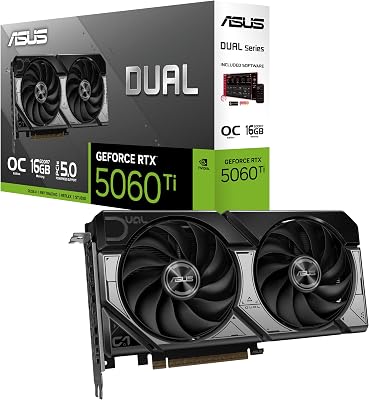
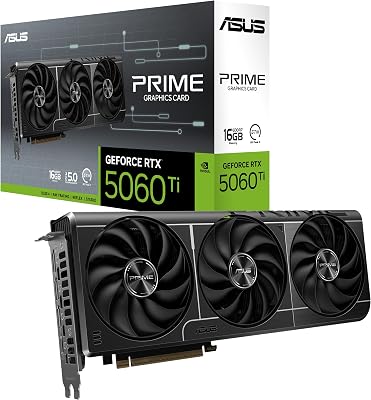
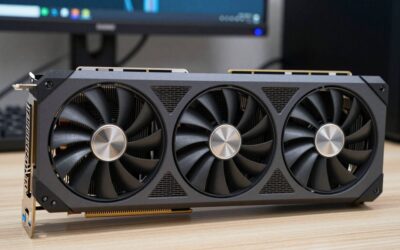
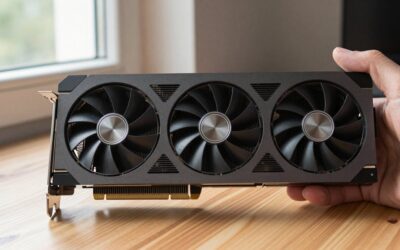
- Top Pick: ASUS Prime GeForce RTX 5060 Ti 16GB GDDR7 Gaming Graphics Card
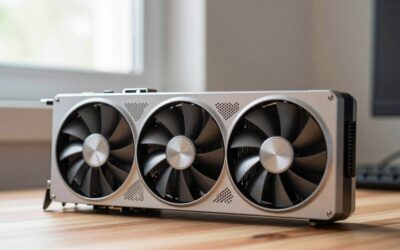
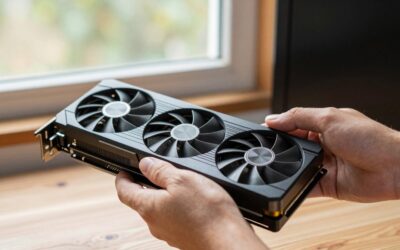
- Best Value: GIGABYTE GeForce RTX 5070 Ti Gaming OC 16G Graphics Card, 16GB 256-bit GDDR7, PCIe 5.0, WINDFORCE Cooling System, GV-N507TGAMING OC-16GD Video Card
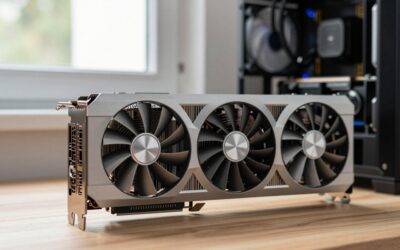
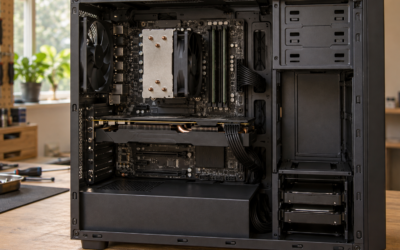
- Premium Choice: GIGABYTE GeForce RTX 5060 Ti WINDFORCE OC 16G Graphics Card, Cooling System, 16GB 128-bit GDDR7, PCIe 5.0, by NVIDIA, DisplayPort & HDMI – Video Output Interface, GV-N506TWF2OC-16GD Video Card
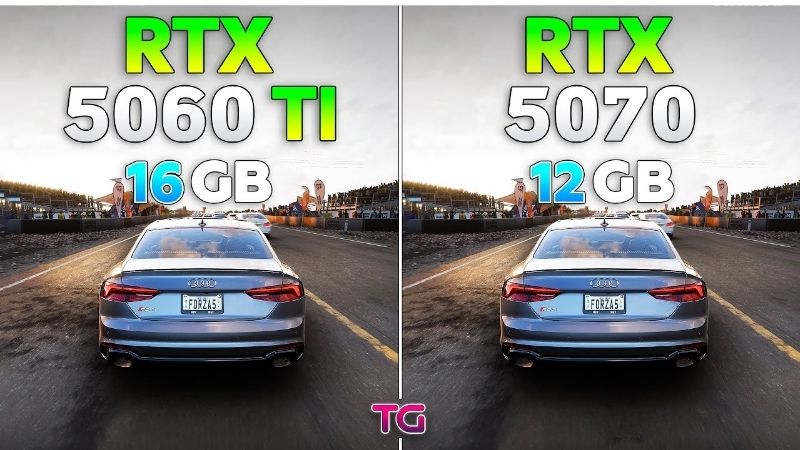
RTX 5060 Ti 16GB vs RTX 5070 is one of the most interesting decisions in Nvidia’s current lineup, because it pits two different philosophies against each other: more memory versus more muscle. The RTX 5060 Ti 16GB tempts buyers with a generous 16GB of VRAM, while the RTX 5070 counters with more raw performance and bandwidth from a smaller 12GB pool. So which is the smarter buy? This comparison gives you a quick verdict, a clear spec breakdown, an honest look at the pivotal VRAM question, the pricing reality, and a plain recommendation so you get the right card for how you actually play.

RTX 5060 Ti 16GB vs RTX 5070: Quick Verdict and Specs
If you only remember one thing, remember this: the RTX 5070 is the faster card overall, while the RTX 5060 Ti 16GB offers more memory headroom for the money. Both are capable Blackwell GPUs with the same modern feature set, so the decision hinges on whether you value raw performance or extra VRAM for demanding, memory-hungry games and future-proofing. The sections below unpack that trade-off so you can decide with confidence. What makes this matchup genuinely tricky is that it isn’t a simple case of one card being better across the board — each has a real advantage the other lacks, which is exactly why so many buyers find themselves torn between them.
As an Amazon Associate we earn from qualifying purchases at no extra cost to you.


The Quick Verdict for Busy Buyers
For most gamers chasing the best frame rates, the RTX 5070 is the stronger pick, delivering more performance thanks to its wider memory bus and greater processing power. It’s the better choice for smooth high-setting 1440p gaming.
The RTX 5060 Ti 16GB appeals to a different buyer: one who prioritizes memory for texture-heavy games, content creation, or long-term headroom. Its 16GB pool outsizes the 5070’s 12GB, which matters in specific scenarios.
So the honest quick answer is that the 5070 wins on raw speed, while the 5060 Ti 16GB wins on memory capacity. Which matters more depends entirely on the games you play and how long you plan to keep the card. As a rough guide, if you want the highest frame rates at 1440p right now, lean toward the 5070; if you’re worried about VRAM limits in demanding modern games or want a card that stays comfortable for years, the 5060 Ti 16GB’s extra memory becomes far more appealing.
Head-to-Head Comparison Table
Before the deep dive, here’s a side-by-side look at the core differences that shape how these two cards perform.
| Specification | RTX 5060 Ti 16GB | RTX 5070 |
|---|---|---|
| Architecture | Blackwell | Blackwell |
| Memory | 16GB GDDR7 | 12GB GDDR7 |
| Memory bus | Narrower | Wider (more bandwidth) |
| Raw performance | Strong | Higher |
| Upscaling | DLSS 4 (Multi Frame Generation) | DLSS 4 (Multi Frame Generation) |
| Best resolution | 1080p and 1440p | 1440p |
| Standout trait | More VRAM headroom | More raw speed |
The table makes the core tension clear: the 5070 has the performance edge and more bandwidth, while the 5060 Ti carries more memory. Everything in this comparison flows from that single trade-off between speed and capacity, and keeping that one distinction in mind will make the rest of the decision much easier to reason through.
Two Cards, Two Philosophies
The RTX 5070 represents the “more power” philosophy, using a wider memory bus and greater processing muscle to push higher frame rates. It’s the card for players who want the smoothest performance at 1440p.
The RTX 5060 Ti 16GB embodies the “more memory” philosophy, trading some raw speed for a larger 16GB buffer that resists running out of VRAM in demanding titles. It’s built for headroom rather than peak frame rates.
Understanding this framing is the key to the whole decision. Neither card is simply better; they optimize for different priorities, and the right one is the one whose priority matches yours. It’s a genuinely unusual situation, since normally a step up in Nvidia’s lineup gives you more of everything — but here the cheaper 5060 Ti actually beats the pricier 5070 on one specific and increasingly important metric, which is what makes the comparison so worth thinking through carefully.
RTX 5060 Ti 16GB vs RTX 5070: The Detailed Face-Off
With the philosophies established, the useful part is how each card behaves in practice. This face-off covers raw performance and resolution, the pivotal VRAM question, and the strengths both cards share. The goal here isn’t to declare a blanket winner but to show you which card’s strengths line up with the way you actually game, since that alignment is what determines whether you’ll feel you spent your money wisely a year or two down the line.
Raw Performance and Resolution
In most games, the RTX 5070 delivers higher frame rates than the 5060 Ti, thanks to its greater processing power and wider memory bandwidth. For high-refresh 1440p gaming, it’s the more capable card and the better fit for players chasing maximum smoothness.
The RTX 5060 Ti 16GB is no slouch, handling 1080p beautifully and delivering very capable 1440p performance, just at a somewhat lower ceiling than the 5070. For many gamers, that ceiling is still more than enough.
So if raw performance is your priority, especially at 1440p, the 5070 is the clear winner. The 5060 Ti remains a strong performer, but it isn’t trying to match the 5070’s peak frame rates. For competitive players who want the highest possible frame rates, or anyone driving a high-refresh 1440p monitor, that performance gap is the single most important factor and tilts the decision firmly toward the 5070.
The VRAM Question: 16GB vs 12GB
Here’s where it gets interesting. The RTX 5060 Ti’s 16GB of VRAM exceeds the RTX 5070’s 12GB, and in certain memory-hungry games at high texture settings, that extra capacity can prevent the stutter or texture pop-in that occurs when a card runs short on memory.
This matters most for future-proofing and for specific use cases: playing the most demanding modern titles at high settings, content creation, or wanting a card that stays comfortable as games grow more memory-hungry. In those scenarios, 16GB is genuinely reassuring.
That said, 12GB remains perfectly capable for the 5070’s target resolutions today, and the card’s greater speed often makes it the better overall experience. The VRAM advantage is real but situational, not a blanket win for the 5060 Ti. The honest way to think about it is as insurance: most gamers won’t hit the 12GB ceiling in the near term, but those playing the very latest, most demanding titles at maximum settings — or doing memory-heavy creative work — are the ones who will most appreciate the 5060 Ti’s larger buffer.
Shared Strengths: DLSS 4 and Efficiency
Both cards are built on Nvidia’s Blackwell architecture, so they share the same headline features, including DLSS 4 with Multi Frame Generation. This means both can dramatically boost frame rates in supported games, neutralizing upscaling as a point of difference.
They also share strong ray tracing capabilities and the broad Nvidia ecosystem, from the Nvidia App to ShadowPlay recording. Whichever you choose, you get the same modern, feature-rich experience with no compromises on features.
Because these strengths are shared, they cancel out in the comparison. The decision genuinely comes down to the core trade-off of the 5070’s raw speed against the 5060 Ti’s larger memory pool. It’s worth appreciating that this makes the choice simpler in one sense: you don’t have to weigh up different upscaling technologies or feature sets as you would in a cross-brand comparison, so you can focus entirely on the single question of speed versus memory.
Price, Alternatives, and Final Verdict
With performance and memory weighed, price and context seal the decision. This section covers the 2026 pricing climate, a sensible alternative if neither card fits, and the final recommendation on who should buy which.
Pricing in the 2026 Market
Pricing is central to the RTX 5060 Ti 16GB vs RTX 5070 decision, and the market backdrop rewards careful thinking. Graphics-card and component prices have trended upward, and while the steep climb of late 2025 has cooled into relative stability, suppliers still warn the situation remains volatile rather than truly settled.
Fresh supply is on the way — memory makers such as CXMT can feed DDR5 into the market, and Micron is building two new plants in Idaho — but those facilities aren’t expected online until roughly 2027 to 2028. In plain terms, prices have plateaued rather than fallen, and real relief is still years away.
The practical read is to weigh the price gap between these two cards against what you gain. Since the market isn’t poised for a sudden drop, the smart move is to decide whether the 5070’s extra performance or the 5060 Ti’s extra memory is worth its price to you now, rather than waiting for a discount that the supply data doesn’t support. In an elevated market, this makes matching the card precisely to your needs more valuable than ever, because paying a premium for a strength you won’t actually use is a costlier mistake when prices are high across the board.
The Alternative if Neither Fits
If neither card is quite right, there are sensible alternatives. Budget-focused buyers might look at the standard RTX 5060 or an AMD option like the RX 9060 XT for strong 1080p value at a lower price.
Buyers who want more performance and can stretch their budget could consider stepping up to the RTX 5070 Ti or a higher tier, which offers both more speed and more memory for demanding 1440p and 4K play. It’s the way out of the speed-versus-memory dilemma if funds allow, since a higher-tier card can deliver the best of both worlds rather than forcing you to pick a side.
Whichever direction you lean, you can compare these options and their current prices through the links on this page to find the best balance of performance, memory, and value for your specific games and budget.
See More:
- AMD graphics driver download
- Is Nvidia American
- Nvidia 1080 Ti drivers
- Radeon graphics driver update
- Nvidia RTX 3060 drivers
Final Verdict: Who Should Buy Which
The clearest way to decide is by priority, so here’s a focused pros-and-cons summary of the two cards.
| Card | Best For (Pros) | Watch-Outs (Cons) |
|---|---|---|
| RTX 5060 Ti 16GB | 16GB VRAM headroom; great for texture-heavy games, creation, and future-proofing | Lower raw performance than the 5070 |
| RTX 5070 | Higher performance; wider bandwidth; better for high-refresh 1440p | Only 12GB VRAM |
Buy the RTX 5070 if you want the best raw performance for 1440p gaming and 12GB is enough for your titles, which describes most gamers. Buy the RTX 5060 Ti 16GB if VRAM headroom matters most to you — for the most demanding modern games at high settings, content creation, or long-term future-proofing — and you’re willing to trade a little speed for it. If you’re genuinely on the fence, ask yourself whether you’re more likely to be frustrated by lower frame rates or by running out of memory, because that single question usually reveals which card is truly right for you.
In the RTX 5060 Ti 16GB vs RTX 5070 battle, there’s no single winner — it comes down to whether you value raw performance or memory headroom. The 5070 is the faster card and the better all-rounder for most 1440p gamers, while the 5060 Ti 16GB is the smarter pick for those who prioritize VRAM for demanding games, creation, or future-proofing. Weigh the price gap, consider the alternatives if you fall in between, and compare the latest prices for both cards through the links on this page to buy exactly the right GPU for you.
Frequently Asked Questions
Which is faster, the 5060 Ti 16GB or the RTX 5070?
The RTX 5070 is faster in most games thanks to more shader cores and a wider 192-bit bus with higher effective bandwidth. The 5060 Ti 16GB counters with four extra gigabytes of memory, which only pays off in scenarios that actually exceed 12GB, such as 4K ultra textures or local AI work.
Is 12GB on the 5070 going to age badly?
Twelve gigabytes is comfortable at 1440p today and mostly fine at 4K with DLSS. It is tighter than 16GB for heavily modded games and high resolution texture packs. For a three to four year ownership window at 1440p, 12GB paired with more bandwidth is usually the better balance.
What are the power and connector requirements?
The 5060 Ti sits near 180W and runs on a 550W supply with one 8-pin. The 5070 is around 250W and Nvidia suggests roughly 650W, using a 12V-2×6 connector or an adapter to two 8-pin leads. Both are undemanding compared with the 70 Ti and 80 tier cards.
Which is better for video editing or local AI models?
The 16GB 5060 Ti, in the specific cases where memory capacity is the binding constraint, such as loading larger language models or working with high resolution timelines and many effects. For general editing and rendering speed, the 5070 finishes tasks faster because it has more compute throughput.
Will both fit in a small form factor build?
The 5060 Ti has the wider range of compact dual-slot models and is the safer choice for ITX cases. RTX 5070 designs are typically longer and often 2.5 slots or more. Check both the length limit and the slot height in your case specification, and confirm the power cable bend radius clears the side panel.
Ready to decide? Our #1 pick for 2026 is the Specification.
Live price & availability on Amazon.


Write Your Review
No reviews yet. Be the first to share your experience!