
- Top Pick: ASUS Dual GeForce RTX 5060 Ti 16GB GDDR7 OC Edition Gaming Graphics Card
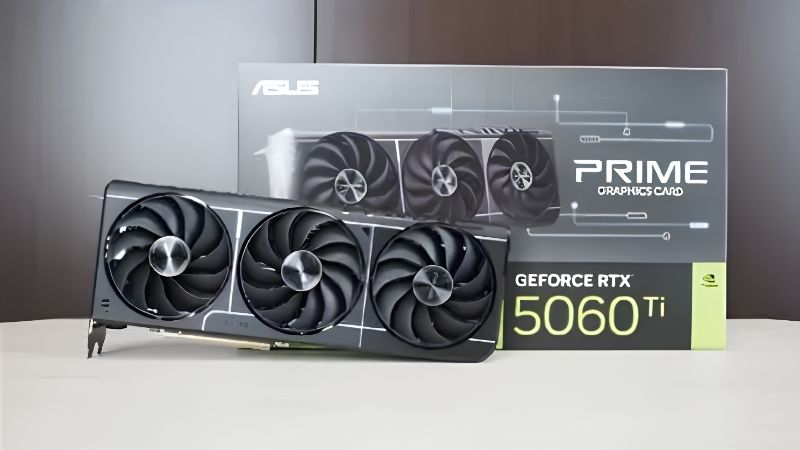
- Best Value: ASUS Prime GeForce RTX 5060 Ti 16GB GDDR7 Gaming Graphics Card
- Premium Choice: GIGABYTE GeForce RTX 4070 Ti Super Eagle OC 16G Graphics Card, 3X WINDFORCE Fans, 16GB 256-bit GDDR6X, GV-N407TSEAGLE OC-16GD Video Card
Top Rtx 5060 Rtx 4070 1440P Picks for 2026
Here are our current top rtx 5060 rtx 4070 1440p picks, compared on real Amazon owner reviews, price, and features. Live prices update below.
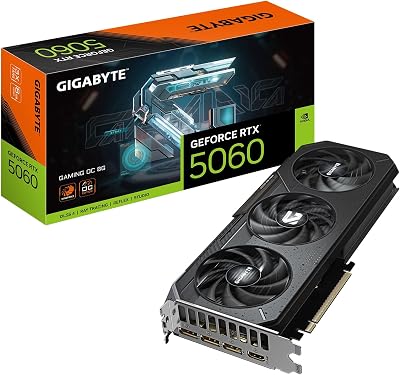


RTX 5060 Ti vs RTX 4070 is one of the most practical questions a 1440p gamer can ask in 2026, because these two cards sit almost on top of each other in price and target the exact same player. One is the newest Blackwell mid-ranger with a generous 16GB frame buffer; the other is a proven Ada Lovelace favorite that has spent over a year as the default 1440p recommendation. If you want the quick answer: the RTX 5060 Ti is the better long-term buy thanks to more VRAM and DLSS 4 Multi Frame Generation, while the RTX 4070 still offers slightly stronger raw bandwidth and a mature, well-understood performance profile. The rest of this comparison digs into specs, real frame rates, power, VRAM and the 2026 market so you can spend confidently.
As an Amazon Associate we earn from qualifying purchases at no extra cost to you. Product prices and availability are accurate as of the date shown and are subject to change.


Quick Verdict and Spec Breakdown
Both cards are aimed squarely at high-refresh 1440p gaming, and both do it well. The difference is in the details: memory capacity, upscaling features and how each handles the most demanding modern titles. Here is the fast take before the numbers.
The Short Answer
Pick the RTX 5060 Ti if you want 16GB of memory and the full DLSS 4 feature set, which makes it the more future-proof choice for textures and frame generation. Pick the RTX 4070 if you find it at a clear discount and you prefer a card with a slightly wider bus and a long, stable track record. For most new builds in 2026, the extra VRAM and newer features tip the scales toward the 5060 Ti, but the margins are close enough that price can decide it.
Specs Side by Side
The spec sheet shows two cards designed for the same job with different priorities. The 5060 Ti leans on memory capacity and new features; the 4070 leans on bandwidth and maturity.
| Spec | RTX 5060 Ti | RTX 4070 |
|---|---|---|
| Architecture | Blackwell | Ada Lovelace |
| VRAM | 16GB GDDR7 | 12GB GDDR6X |
| Memory Bus | 128-bit | 192-bit |
| TDP | around 180W | around 200W |
| DLSS | DLSS 4 (MFG) | DLSS 3 |
| Launch Price | $429 | $599 |
The two figures that matter most are VRAM and DLSS. The 5060 Ti’s 16GB versus the 4070’s 12GB gives it more headroom for high-resolution textures, and DLSS 4 unlocks Multi Frame Generation that the 4070 cannot fully access. The 4070 answers with a wider 192-bit bus, which helps it in bandwidth-sensitive scenarios.
Architecture and Feature Gaps
Ada Lovelace remains an excellent architecture, efficient and feature-rich, and it introduced the first wave of Frame Generation. Blackwell builds on that foundation with refined RT cores and the Tensor hardware needed for DLSS 4 Multi Frame Generation. In practice this means the 4070 is no slouch on features, but the 5060 Ti can simply do more in the newest titles that adopt DLSS 4 early. When you are buying a card to keep for several years, that forward-looking feature gap is worth weighing carefully.
Context matters too, because the RTX 4070 has been on the market long enough to build a deep library of driver optimizations and community testing, while the RTX 5060 Ti is newer and still maturing. That maturity can make the 4070 feel reassuringly predictable, but Nvidia’s driver support for Blackwell has improved quickly, and the 5060 Ti’s feature advantages keep growing as more games adopt DLSS 4. Weighing a proven performer against a newer card with more headroom is the core tension of this comparison, and it is one reason buyers spend so much time agonizing over a choice that, in truth, has no bad outcome.
Real-World Gaming Performance
On paper these cards are neighbors, and on screen they behave like it. The lead changes hands depending on resolution, VRAM pressure and whether you enable upscaling and frame generation. Here is how the RTX 5060 Ti vs RTX 4070 race plays out across the resolutions people actually use.
1440p Native Performance
At native 1440p without upscaling, the two cards trade blows within a handful of frames. The 4070’s wider bus occasionally gives it an edge in bandwidth-heavy scenes, while the 5060 Ti’s newer shaders keep it competitive across the board. For the typical AAA single-player title at high settings, both land in a comfortable, smooth range, and you would struggle to tell them apart blind. This near-parity is exactly why the decision so often comes down to VRAM and features rather than raw native speed.
The practical lesson from native testing is that resolution choice should drive your decision more than the badge on the box. If you game exclusively at 1440p and rarely touch the heaviest texture settings, either card will keep you happy for a long time, and you can let price be the tiebreaker. But the moment you start eyeing 4K, high-resolution texture mods or future titles with even hungrier assets, the calculus shifts toward the card with more memory, because raw shading speed cannot compensate for a buffer that runs out of room.
4K and VRAM Pressure
Crank settings and resolution and the memory difference becomes visible. In the most demanding titles with ultra textures, the 4070’s 12GB can fill up and cause occasional stutter or texture pop-in, while the 5060 Ti’s 16GB holds steadier frame times. At 4K with upscaling, the extra buffer is a real advantage that grows as games get heavier. If you plan to play at 4K or use high-resolution texture packs, the 5060 Ti’s larger memory pool is the safer foundation for the next few years.
DLSS 4 and Frame Generation
The biggest separator is DLSS 4. The 5060 Ti supports Multi Frame Generation, which can stack additional generated frames for a large boost in supported games. The 4070 supports the earlier Frame Generation but not the full Multi Frame Generation pipeline. In a DLSS 4 title, the 5060 Ti can post substantially higher frame rates, turning a near-tie into a clear win. For gamers who chase the latest single-player releases, this feature gap is the strongest argument in the whole RTX 5060 Ti vs RTX 4070 comparison.
Frame generation also changes how you should read raw benchmark charts. A native comparison that shows the two cards within a few frames of each other can be misleading, because in a DLSS 4 title the 5060 Ti can pull far ahead once Multi Frame Generation is active. If the games you care about support the latest upscaling stack, the real-world gap is wider than any native chart suggests, and that is worth keeping in mind when you weigh the two cards against your actual library rather than a generic benchmark suite.
Power, Pricing and 2026 Buying Advice
With performance this close, the deciding factors are often efficiency, price and timing. And in 2026, timing is a bigger variable than usual because of what is happening across the wider component market.
Efficiency and Heat
Efficiency is easy to overlook when comparing two cards, but it shapes everything from your electricity bill to how loud your room gets during a long session. Both of these GPUs are commendably restrained, which keeps your build cool, quiet and inexpensive to run over the years you own it.
Both cards are efficient, but the 5060 Ti edges ahead at roughly 180W versus the 4070’s 200W. That is a modest gap, and either card runs cool and quiet in a well-ventilated case with a quality 550W to 650W power supply. Neither demands an exotic cooler or a giant chassis. If you build small or care about noise, both are friendly, with the 5060 Ti having a slight advantage in thermals and acoustics under sustained load.
Both cards are also gentle on the rest of your system, which keeps total build costs reasonable. You will not need an oversized power supply or an exotic cooling setup for either, and that matters when every other component is subject to the same upward price pressure as graphics cards. Saving money on the supporting parts gives you more flexibility to put your budget where it counts, whether that means a faster CPU, more storage or simply keeping some cash in reserve while the market stays unpredictable.
Price, Value and Market Timing
Value is where 2026’s market noise gets loud. Laptop and component prices have been rising as supply tightens and AI demand soaks up manufacturing capacity. The recent United States decision to let Nvidia resume selling H200 accelerators to China has only intensified the pull toward data-center silicon, and when fabs prioritize high-margin enterprise chips, consumer GPUs can face thinner stock and firmer prices. For buyers that means the window for a great deal may be narrower than you expect, and holding out for a steep discount is a gamble against the trend.
Given that backdrop, the 5060 Ti’s lower launch price of $429 against the 4070’s $599 makes it the stronger value on paper, while a discounted 4070 can still be attractive if you spot one. If you have decided on the RTX 5060 Ti, compare current listings and today’s deals across a couple of trusted retailers now, before tightening supply pushes prices higher.
Pros and Cons at a Glance
The summary below condenses the whole comparison into the practical points buyers care about. Because these two cards are so evenly matched on raw speed, the deciding factors usually come down to memory capacity, feature support, efficiency and price rather than any single benchmark. Scan the lists with your own resolution and budget in mind, and the winner for your specific build will usually become obvious within a few seconds, even though both cards would serve you well for years to come.
Here is a concise breakdown to crystallize the RTX 5060 Ti vs RTX 4070 trade-offs.
RTX 5060 Ti Pros
- 16GB GDDR7 for strong future-proofing
- Full DLSS 4 with Multi Frame Generation
- Lower power draw at roughly 180W
- Lower launch price
RTX 5060 Ti Cons
- Narrow 128-bit memory bus
- Native speed only matches, not beats, the 4070
RTX 4070 Pros
- Wider 192-bit bus and solid bandwidth
- Proven, mature performance profile
- Excellent efficiency and cool operation
RTX 4070 Cons
- Only 12GB VRAM, tighter for 4K textures
- No full DLSS 4 Multi Frame Generation
- Higher launch price than the 5060 Ti
Before you commit, it is worth picturing your upgrade horizon. If you tend to keep a graphics card for four or five years, the 5060 Ti’s larger buffer and DLSS 4 support make it the more comfortable companion for the long haul, since it is better armed for the texture sizes and rendering techniques that future games will demand. If you upgrade more often and value a discount today, the 4070 is a sharp short-to-medium-term pick. Matching the card to your own upgrade rhythm is often more useful than chasing the last few percent of benchmark performance.
Conclusion
The RTX 5060 Ti vs RTX 4070 battle is one of the closest mid-range matchups in years, and you genuinely cannot make a bad choice between them. For most builders in 2026, the RTX 5060 Ti is the recommendation: it pairs 16GB of memory with the full DLSS 4 feature set and a lower price, which makes it both cheaper today and better equipped for tomorrow. The RTX 4070 remains a fantastic 1440p card with a wider bus and a long, trusted track record, and at a real discount it is still worth buying. With component and laptop prices firming and manufacturing capacity tilting toward data-center GPUs, the smart play is to choose the card that matches your resolution and feature priorities and buy it while stock is healthy, rather than waiting for a price drop the market may never hand you.
Frequently Asked Questions
What is the best rtx 5060 ti rtx 4070 in 2026?
The best rtx 5060 ti rtx 4070 depends on your budget and how you plan to use it. The options compared above are our top-rated picks based on real customer ratings, build quality, and overall value — start with the highest-rated model that fits your budget.
How much should I expect to spend on a rtx 5060 ti rtx 4070?
Prices vary by brand and features. Budget options cover the essentials, while mid-range and premium models add durability, performance, and extra features. Compare the prices in the list above to find the best value for your needs.
What should I look for when buying a rtx 5060 ti rtx 4070?
Focus on what matters most for your use case — build quality, compatibility, performance, warranty, and verified customer reviews. Every pick above is selected to balance these factors.
Are budget rtx 5060 ti rtx 4070 options worth it?
Yes. For most people a well-reviewed budget or mid-range rtx 5060 ti rtx 4070 delivers excellent value. You only need to spend more if you specifically require premium materials or top-tier performance.
How did we choose these rtx 5060 ti rtx 4070 picks?
We compare current Amazon ratings, review counts, key features, and price to surface the options with the best real-world value. The list is refreshed as ratings and availability change.










Write Your Review
No reviews yet. Be the first to share your experience!