
Top Rtx 3060 Price Deal Hunter Picks for 2026
Here are our current top rtx 3060 price deal hunter picks, compared on real Amazon owner reviews, price, and features. Live prices update below.

Prime
Best Seller
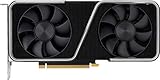
NVIDIA GeForce RTX 3060 Ti Founders Edition 8GB GDDR6 PCI Express 4.0 Graphics Card (Renewed)


Dropped $9.12

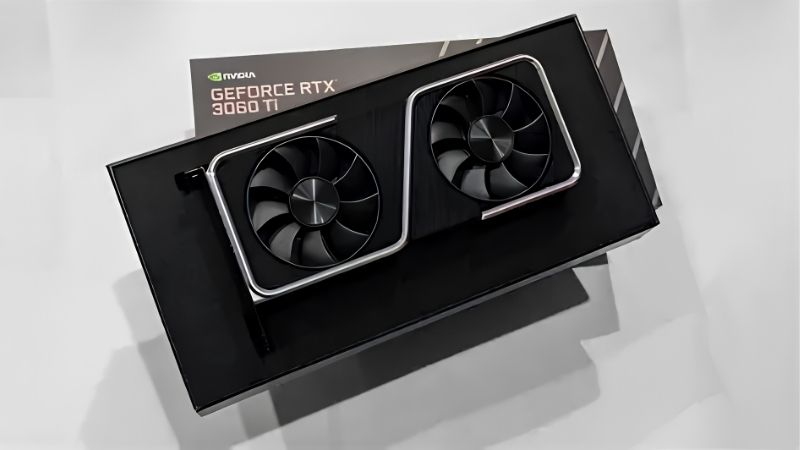
RTX 3060 Ti price tracking has become a small sport among deal hunters in 2026, and for good reason: this was Ampere’s value legend — a $399 card that punched at $500-class performance — and its used-market price now determines whether it remains a bargain or a trap. With listings spread from $160 to $260 and new budget cards pressing from above, the buying decision is pure arithmetic. This review maps the current price bands with real numbers, measures exactly what the card still delivers per dollar, weighs it against every relevant alternative, and identifies the precise prices at which buying one is smart, defensible, or a mistake.
As an Amazon Associate we earn from qualifying purchases at no extra cost to you. Product prices and availability are accurate as of the date shown and are subject to change.




The RTX 3060 Ti Price Landscape in 2026
The card launched in December 2020 at $399 and immediately became the shortage era’s most hunted GPU, spending two years selling far above MSRP — for long stretches it was the single most searched GPU on the planet, a context that still shapes how many of them circulate today. Production ended long ago; today it exists purely as a used-market commodity, and its pricing reflects a tug-of-war between aging specifications and a market where nothing depreciates the way it used to.
Current Price Bands by Condition and Channel
Used units in good working condition currently trade in the $180-220 band, with the spread tracking cooler model and seller credibility more than performance — all 3060 Tis perform identically within a few percent, so paying extra for a premium cooler on a used unit buys acoustics and thermal margin rather than frame rates — worthwhile only at small premiums. Refurbished stock with short seller warranties commands $230-260, while marketplace listings from individual sellers anchor the floor at $160-180 for cards sold with honest mining-history disclosure.
The channel arithmetic matters at these numbers: a $40 refurbisher premium buys a return path and basic testing that the floor-price listings shift entirely onto the buyer — proportionally one of the cheapest insurance policies in the used GPU market, and the satisfied reviews skew visibly toward buyers who paid it.
Price History: The Strangest Curve in GPUs
No card’s price tells the era’s story better. Launch at $399, shortage peaks above $800 through 2021-2022, the long slide to roughly $250 used by 2024 — and then the curve flattened where history said it should keep falling. Replacement generations arrived twice over, yet the card holds $180-220 in 2026.
The anomaly is structural rather than sentimental: with new budget GPUs holding above MSRP under supply pressure, the used tier beneath them holds too. Buyers waiting for the historical endgame — sub-$120 clearance pricing — are waiting on market mechanics that no longer operate.
What the Card Still Delivers for the Money
The performance case remains the reason anyone is reading: 4,864 CUDA cores, 8GB of GDDR6 at 448 GB/s, and a 200W TDP that delivers roughly 100+ FPS at 1080p ultra and 60-75 FPS at 1440p high across a modern test suite — with DLSS upscaling, including the improved transformer model, extending those numbers 30-40% in supported titles.
The ceilings are equally concrete: 8GB meets its wall in 2025-2026 releases at ultra textures, frame generation of any kind is hardware-excluded, and second-generation RT cores make ray tracing a screenshot feature rather than a setting. As a raster card with DLSS membership, it remains genuinely strong; as a modern-feature platform, it has aged out.
Esports numbers round out the picture, because they describe most of this card’s remaining buyers: 200-300 FPS at 1080p competitive settings in Valorant, Counter-Strike 2, and their peers — fully saturating the 240Hz monitors that define the tier. For a build whose library centers on competitive titles plus the pre-2024 back catalog, the card’s age is nearly invisible, which is precisely the profile the satisfied current reviews describe.
RTX 3060 Ti Price vs the Alternatives: The Math
A used card’s value only exists relative to what else the same money buys, and the 3060 Ti faces pressure from three directions. The numbers below settle each front.
Against New Budget Cards: The Decisive Comparison
The Intel Arc B580 at $249 new is the comparison that defines this card’s ceiling: comparable-or-better modern performance, 12GB of VRAM, XeSS 2 with frame generation, a full warranty, and zero used-market risk — for $30-70 more than the 3060 Ti’s typical band. The RTX 5060 at $299 adds the DLSS 4 ecosystem to the same argument.
The conclusion is sharp: above roughly $200, the 3060 Ti loses to new alternatives on every axis except familiarity. Its rational territory is the band below — where nothing new competes and its performance per dollar still leads.
Against Its Used-Market Neighbors
Within the used tier, the card defends well: the RX 6600 at $140 undercuts it but delivers roughly 25% less performance, the RX 6700 XT at similar $190-220 pricing trades wins with more VRAM but no DLSS, and the RTX 3070 at $230-260 offers 15% more performance for proportionally more money with the same 8GB ceiling.
The pattern across the tier: the 3060 Ti at $170-190 sits at a genuine sweet spot — meaningfully faster than everything cheaper, barely slower than everything pricier, and carrying the DLSS membership AMD’s used cards lack. Inside that window, it remains the used market’s default recommendation for 1080p builds.
Owner Feedback Across the Price Eras
Few cards carry a deeper review record. Launch and shortage-era buyers average 4.6-4.7 stars with praise centered on the card outperforming its class — “the smartest purchase of the shortage” recurs almost verbatim. Long-term owners add the durability testimony: five years of service on a 200W thermal load that stressed nothing.
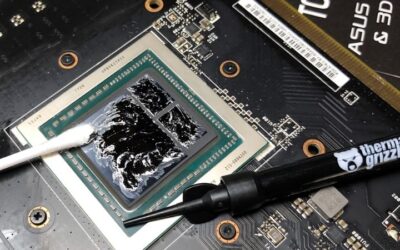
The current 2-3 star tier belongs almost entirely to used-market experiences: mining-fleet cards arriving with tired fans, dried paste, and memory temperatures past 95°C. The satisfied used buyers — visible in the same pools — bought from listings with stress-test screenshots and original packaging, verified temperatures inside the return window, and budgeted an hour for a possible repaste. At this card’s age, the diligence is not optional; it is the price of the discount.
The inspection checklist distilled from those reviews takes one evening: a stress run watching GPU and memory temperatures (under 80°C and 95°C respectively on a healthy unit), fan sound at full speed, and a week of normal gaming inside the return window. Cards failing the thermal check usually need only a $15 repaste and pad replacement — worth negotiating into the price rather than walking away, since the silicon itself almost never fails.
Market Forces and the Timing Verdict
The 3060 Ti’s refusal to depreciate on schedule has specific causes, and they determine what its price does next — which is the actual question every deal hunter is asking.
The News Holding the Floor Up
Two current developments anchor used GPU pricing from below. The United States has approved Nvidia selling the H200 — one of its most powerful AI chips — to China, reopening enormous data center demand that competes with consumer GPUs for fabrication and memory supply; every previous surge of this kind tightened consumer availability and firmed prices within one to two quarters. Simultaneously, laptop and component prices are trending upward with memory leading, as AI infrastructure absorbs DRAM production.
The transmission to a used 2020 card is mechanical: new budget GPUs holding above MSRP keep the used tier beneath them propped up, because every used price is ultimately a discount against a new alternative. With memory contracts negotiated quarters ahead baking current increases into 2026 pricing, the floor under the 3060 Ti has institutional support.
Buy Windows: The Exact Numbers
The framework distills to three bands. Below $170 from a credible seller: buy without hesitation — nothing matches the performance per dollar. The $170-200 band: buy if the listing carries evidence (stress tests, packaging, return window) and your build is 1080p-focused; otherwise weigh the Arc B580. Above $200: redirect to new cards, where warranties and modern features win the arithmetic outright.
For sellers, the same anomaly inverts favorably: the card retains unusual resale value for its age, and upgrading to a budget Blackwell or RDNA 4 card costs less net than any historical depreciation model would have predicted.
The Honest Forecast
Price trajectory from here has one realistic direction: stable-to-firm through 2026, with the supply pressures above showing no scheduled end and the used tier tracking new prices upward with a lag. The clearance-price endgame buyers keep waiting for requires new-card discounting that the market currently refuses to produce.
The practical conclusion for both sides: buyers inside the windows above should act on today’s listings rather than tomorrow’s hopes, and owners planning to sell-and-upgrade are operating in the most favorable used market in years. Checking the current 3060 Ti comps against the new budget alternatives on Amazon prices the entire decision in ten minutes.
Recommended Products

AMD
AMD Ryzen 5 5600X 6-core, 12-thread unlocked desktop processor with Wraith Stealth cooler
View on Amazon
1 day ago

Corsair
CORSAIR CX650 80 Plus Bronze Non Modular Low-Noise ATX 650 Watt Power Supply – NA – Black
-25%
View on Amazon
1 day ago
As an Amazon Associate we earn from qualifying purchases. Product prices and availability are accurate as of the date/time indicated.
See more:
- ASUS TUF Gaming GeForce RTX 5090 3080 vs 5080
- Nvidia RTX 4070 Super graphics card
- Sapphire graphics card
- Is HDR good for gaming
- RTX 4080 vs 5070
Conclusion: A Legend Worth Exactly Its Window
The RTX 3060 Ti price story closes with a verdict as precise as the card’s reputation deserves: at $160-190 from a seller with evidence, it remains one of the smartest used purchases in PC gaming — Ampere’s value king still earning the title at 1080p with DLSS extending its reach. Above $200, the new budget tier takes the crown without argument, and the Intel Arc B580 in particular renders higher 3060 Ti listings irrational. With AI-driven supply pressure and memory inflation holding the entire market’s floor up, neither the bargain band nor the upgrade alternatives are getting cheaper on any timeline the data supports. Check the current RTX 3060 Ti listings against the new budget cards on Amazon today, apply the windows from this guide, and let the numbers close the deal the legend opened.
Frequently Asked Questions
What is the best rtx 3060 ti price in 2026?
The best rtx 3060 ti price depends on your budget and how you plan to use it. The options compared above are our top-rated picks based on real customer ratings, build quality, and overall value — start with the highest-rated model that fits your budget.
How much should I expect to spend on a rtx 3060 ti price?
Prices vary by brand and features. Budget options cover the essentials, while mid-range and premium models add durability, performance, and extra features. Compare the prices in the list above to find the best value for your needs.
What should I look for when buying a rtx 3060 ti price?
Focus on what matters most for your use case — build quality, compatibility, performance, warranty, and verified customer reviews. Every pick above is selected to balance these factors.
Are budget rtx 3060 ti price options worth it?
Yes. For most people a well-reviewed budget or mid-range rtx 3060 ti price delivers excellent value. You only need to spend more if you specifically require premium materials or top-tier performance.
How did we choose these rtx 3060 ti price picks?
We compare current Amazon ratings, review counts, key features, and price to surface the options with the best real-world value. The list is refreshed as ratings and availability change.




Write Your Review
No reviews yet. Be the first to share your experience!