
- Top Pick: ASUS Dual GeForce RTX 3050 6GB GDDR6 OC Edition Gaming Graphics Card
- Best Value: msi Gaming RTX 3050 Ventus 2X 6G OC Graphics Card (NVIDIA RTX 3050, 96-Bit, Boost Clock: 1492 MHz, 6GB GDDR6 14 Gbps, HDMI/DP, Ampere Architecture)
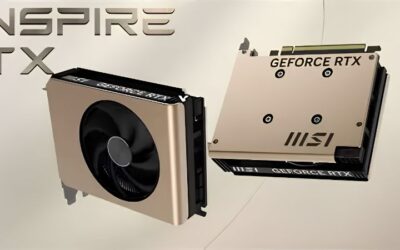
- Premium Choice: maxsun GeForce RTX 3050 6GB Graphics Cards GDDR6 Video Graphics Card GPU for Gaming PC Mini Small Form Factor SSF Slim Low Profile Design PCI Express 4.0, HDMI 2.1, DisplayPort 1.4a
Top Rtx 3050 Graphics Card Worth Picks for 2026
Here are our current top rtx 3050 graphics card worth picks, compared on real Amazon owner reviews, price, and features. Live prices update below.


Prime
Limited Time
msi Gaming RTX 3050 LP 6G OC Graphics Card (NVIDIA RTX 3050, 96-Bit, Boost Clock: 1492 MHz, 6GB GDDR6 14 Gbps, HDMI/DP, Ampere Architecture)

Dropped $25.00
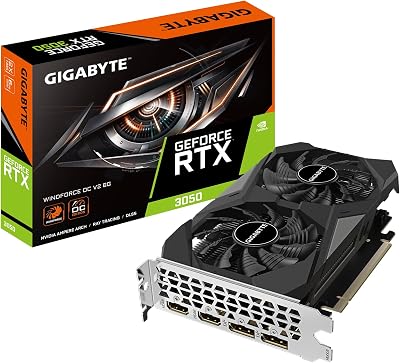

As an Amazon Associate we earn from qualifying purchases at no extra cost to you. Product prices and availability are accurate as of the date shown and are subject to change.


RTX 3050 graphics card buyers in 2026 need an honest answer, because this entry-level Ampere GPU has a reputation for weak value, yet it still sells in steady numbers. Launched in 2022 at $249, it offers DLSS, low power draw, and a tidy form factor, but its performance per dollar trails rivals. This review takes an objective, expert look at where it stands: the specifications that define it, how it performs at 1080p, the important difference between its 6GB and 8GB versions, what you should pay, and how 2026’s market affects the decision. If you are considering this card, here is exactly when the RTX 3050 graphics card makes sense and when to skip it.
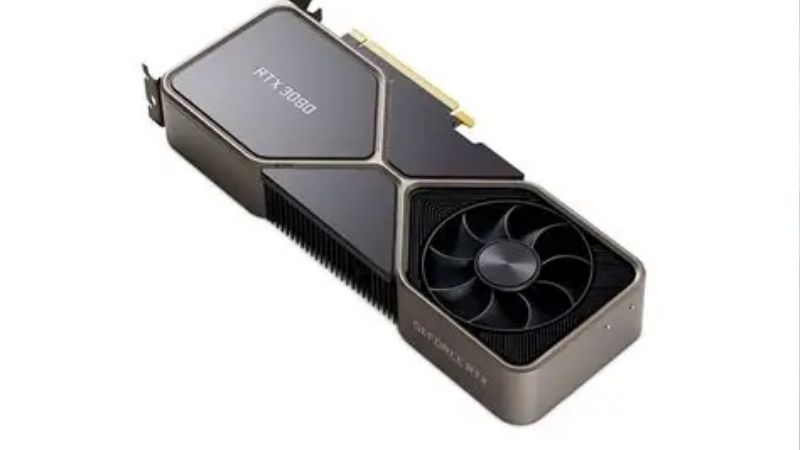
What the RTX 3050 Graphics Card Delivers
The RTX 3050’s appeal lies in efficiency, DLSS support, and easy installation rather than raw speed. Understanding the hardware and the modest performance it produces sets fair expectations for an entry-level card. The specifications explain both its niche appeal and its value problem.
The Specs That Define It
The standard RTX 3050 is built on NVIDIA’s Ampere architecture using the GA106 die, with 2,560 CUDA cores and 8GB of GDDR6 memory on a 128-bit bus. It launched in January 2022 at a $249 MSRP as an entry-level RTX card.
It draws around 130 watts and includes RT and Tensor cores, so it supports DLSS and basic ray tracing. That feature set is its main differentiator from older budget cards at similar speed.
There is also a later 6GB variant that is a genuinely different product: fewer cores, a roughly 70-watt draw, and no need for a separate power connector. That low-power design is central to the card’s narrow appeal.
Real 1080p Performance Today
At 1080p the RTX 3050 is an entry-level performer. It runs esports titles comfortably and plays many AAA games at medium settings, but it is not built for high frame rates at high detail.
DLSS is its saving grace in supported titles, lifting otherwise borderline frame rates into playable territory. Ray tracing is technically supported but generally too demanding to be worthwhile on this class of card.
The honest summary is modest. The RTX 3050 plays current games at sensible settings rather than impressing, and its performance lands well behind cards that often cost similar money on the used market.
The Value Problem and Where It Fits
The 3050’s weakness is value. In benchmark terms, similarly priced alternatives such as Intel’s Arc B570 can post dramatically higher scores, which makes the 3050 a poor choice on pure performance per dollar.
Its redeeming features are practical rather than statistical: DLSS support, low power draw, and a compact, low-fuss design. For raw frames, though, almost anything at the same price is faster.
Positioned honestly, the standard 3050 is hard to recommend on value, while the low-power 6GB version has a real niche. The card fits specific needs, not the broad budget-gaming audience.
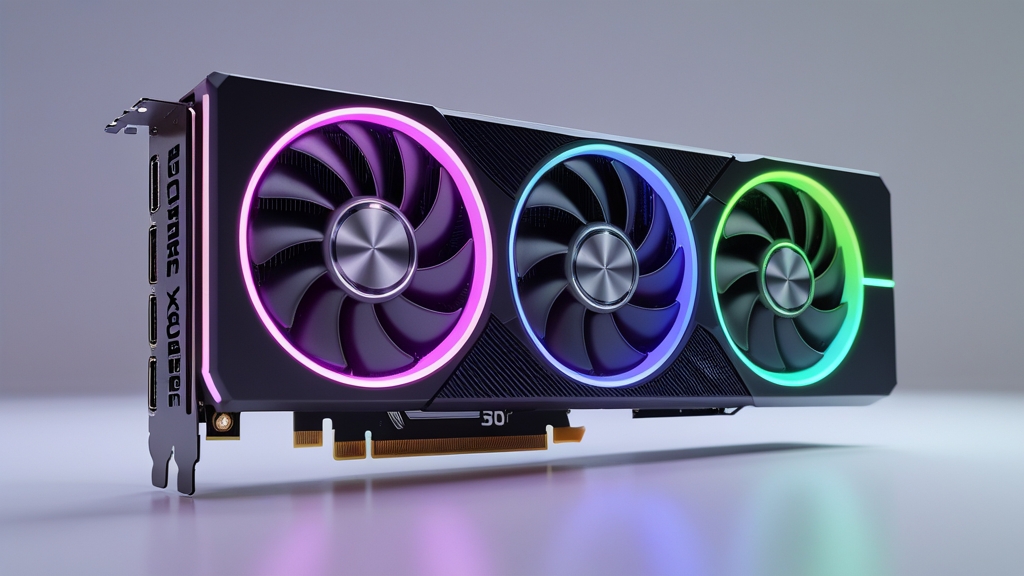
Buying an RTX 3050 in 2026: Value and Verdict
The decision rests on price, which version you choose, and the balance of strengths and weaknesses. The 3050 is cheap in absolute terms but expensive per frame, so the verdict depends heavily on your specific situation. This section sets the value case.
Pricing: New Versus Used
The RTX 3050 sells new for around $249 and used for roughly $150, depending on version and condition. Those numbers have stayed stubbornly firm rather than falling the way weak cards usually do.
That pricing is the core of the value problem. At $150 used or $249 new, faster cards are frequently available for similar money, so the 3050 rarely wins a straight performance-per-dollar comparison.
The practical guidance is to buy the 3050 only for a specific reason, such as the low-power variant, rather than as a general budget pick. Otherwise the money is better spent elsewhere.
The 6GB Versus 8GB Decision
Choosing the right version matters more than usual here. The 8GB standard model is the faster of the two and the better all-round gaming choice, with more memory and more cores.
The 6GB low-power model trades speed for a roughly 70-watt draw and no power-connector requirement. That makes it uniquely suited to small-form-factor builds or upgrading prebuilt PCs with weak power supplies.
The decision is therefore about use case. Pick the 8GB card for the most frames, and the 6GB card only when low power and connector-free installation are the deciding factors.
Pros and Cons of the RTX 3050 Graphics Card
On the positive side, the RTX 3050 graphics card supports DLSS and ray tracing, draws little power, installs easily, runs cool and quiet, and in its 6GB form needs no power connector, making it ideal for compact or prebuilt systems.
On the negative side, its performance per dollar is poor, faster cards are often available at similar prices, ray tracing is impractical at this tier, and used prices have stayed high relative to the modest performance on offer.
The verdict is narrow. The RTX 3050 graphics card is a reasonable buy only for low-power or small-form-factor builds, or for a cheap DLSS-capable card, and a poor choice for anyone chasing value or frames.
Market Context and Who Should Buy
Even an entry-level card is shaped by the wider 2026 market, which has pushed new prices upward. Understanding that backdrop, and what it means for a 3050 buyer, clarifies why this card holds its price. Compatibility then confirms whether it suits your system.
Why New GPU Prices Climbed in 2026
The 2026 market is gripped by a severe structural memory shortage. DRAM contract prices have risen more than 170 percent year over year, and because video memory can account for up to 80 percent of a graphics card’s bill of materials, new GPU prices have climbed sharply, with current-generation cards up an estimated 15 to 23 percent and some models jumping 16 to 17 percent almost overnight.
AI demand is the underlying cause. With the United States approving sales of NVIDIA’s powerful H200 accelerators to major Chinese firms, memory and fabrication capacity is being pulled toward data-center silicon, and reports indicate NVIDIA has trimmed mid-range consumer output by a significant margin. Memory suppliers have warned the shortage could persist into 2027.
The effect reaches the entry tier too. AMD raised prices around ten percent early in 2026 and NVIDIA followed, so even modest cards like the 3050 hold their prices because there are few cheap new alternatives to undercut them. Lead times on some new models have stretched into months, and reports that NVIDIA cut mid-range output to prioritize AI accelerators mean the supply of fresh budget cards is unusually thin.
What This Means for a 3050 Buyer
For a 3050 shopper, the squeeze explains why the card has not gotten cheaper. With new budget GPUs inflated and stock uneven, demand for any affordable, DLSS-capable card keeps the 3050’s price propped up.
The caveat is that this does not make the 3050 good value, only stable. Faster used cards are caught in the same firm market, so the comparison that matters is still performance per dollar against those alternatives.
The strategy is targeted. In an expensive market, the 3050 is worth buying only for its specific strengths, especially the low-power variant, rather than as a default budget gaming card. If a faster used card sits at a similar price, the shortage does not change the verdict: spend the same money on more frames whenever the option exists.
Compatibility and Who Should Buy
The 3050 is among the easiest cards to fit. The 8GB model is happy on a 450-to-550-watt power supply, while the 6GB version can run on weak supplies with no extra connector at all.
Its compact size and low heat make it ideal for small cases and prebuilt upgrades. Confirm your power connector situation before choosing between the two versions.
The ideal buyer is someone building a small-form-factor system, upgrading a prebuilt PC with a weak PSU, or wanting a cheap DLSS-capable card and accepting modest frames. Value-focused gamers should choose a faster card at similar money instead.
Frequently Asked Questions
A few questions recur from buyers weighing the RTX 3050 graphics card in 2026. The concise answers below cover value, the variants, and power.
Is the RTX 3050 graphics card worth buying in 2026?
Only for specific needs. Its value per frame is weak, so it suits low-power or small-form-factor builds and cheap DLSS rather than general budget gaming, where faster cards cost similar money.
What is the difference between the 6GB and 8GB RTX 3050?
The 8GB model is faster with more cores. The 6GB version draws about 70 watts and needs no power connector, making it ideal for compact or prebuilt systems with weak power supplies.
What power supply does the RTX 3050 need?
The 8GB model is comfortable on a 450-to-550-watt PSU. The 6GB low-power model can run on weaker supplies without a dedicated power connector.
See more:
Recommended Products

ZOTAC
ZOTAC Gaming GeForce RTX 4080 16GB AMP Extreme AIRO 16GB GDDR6X 256-bit 22.4 Gbps PCIE 4.0 Gaming Graphics Card, IceStorm 2.0 Advanced Cooling, Spectra 2.0 RGB Lighting, ZT-D40810B-10P
View on Amazon
1 day ago

PNY
PNY GeForce RTX™ 4080 16GB XLR8 Gaming Verto Epic-X RGB™ Triple Fan Graphics Card DLSS 3
View on Amazon
6 hours ago

msi
MSI Gaming RTX 4070 Ti Super 16G Ventus 2X White OC Graphics Card (NVIDIA RTX 4070 Ti Super, 256-Bit, Boost Clock: 2655 MHz, 16GB GDRR6X 21 Gbps, HDMI/DP, Ada Lovelace Architecture) (Renewed)
View on Amazon
5 hours ago
As an Amazon Associate we earn from qualifying purchases. Product prices and availability are accurate as of the date/time indicated.
Conclusion
The RTX 3050 graphics card in 2026 is a card defined by niche strengths rather than broad value. Its DLSS support, low power draw, and easy installation are genuine positives, and the connector-free 6GB version is a smart fit for small or prebuilt systems. But at roughly $150 used or $249 new, its performance per dollar is poor, and faster cards are routinely available for similar money. With 2026’s memory shortage keeping prices firm across the board, the 3050 holds its value without becoming a bargain. Buy the RTX 3050 graphics card only for its specific advantages, especially the low-power model, and look to a faster alternative if raw frames or value are your priority.

Write Your Review
No reviews yet. Be the first to share your experience!