
- Top Pick: ZOTAC MEK Gaming PC, Ryzen 7 9800X3D, NVIDIA RTX 5080 16GB, Apocalypse
- Best Value: GIGABYTE GeForce RTX 5080 Gaming OC 16G Graphics Card, WINDFORCE Cooling System, 16GB 256-bit GDDR7, GV-N5080GAMING OC-16GD Video Card
- Premium Choice: ASUS ROG Astral GeForce RTX 5080 16GB GDDR7 White OC Edition Graphics Card
Top Amd Gpu Equivalent Rtx 5080 Picks for 2026
Here are our current top amd gpu equivalent rtx 5080 picks, compared on real Amazon owner reviews, price, and features. Live prices update below.


Dropped $30.00


What AMD GPU is equivalent to the RTX 5080 is a common question for buyers weighing the red and green camps, and the honest answer is nuanced: AMD does not currently sell a card that matches the RTX 5080 outright. The closest options are the previous-generation Radeon RX 7900 XTX in raw rasterization and the current-generation RX 9070 XT, both of which trail the 5080 to different degrees. This guide explains exactly where each AMD card lands, how they compare in raster, ray tracing, and value, and which one makes sense depending on your priorities.
As an Amazon Associate we earn from qualifying purchases at no extra cost to you. Product prices and availability are accurate as of the date shown and are subject to change.


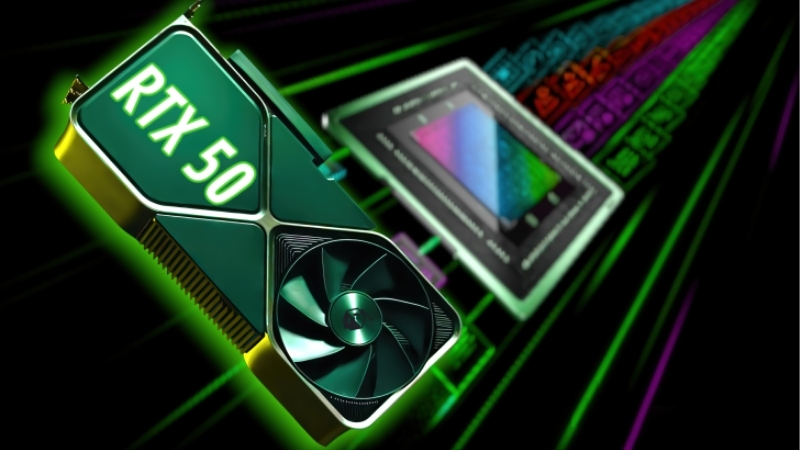
The Short Answer: AMD’s Closest Match to the RTX 5080
There is no single AMD card that equals the RTX 5080 across the board, so the right comparison depends on whether you care most about raw rasterization or about current-generation features. Two cards come closest, each for a different reason.
There Is No Exact AMD Equivalent
The RTX 5080 sits in a performance tier AMD chose not to directly contest with its latest RDNA 4 generation. As a result, no current Radeon card matches it across raster, ray tracing, and upscaling at once.
The practical takeaway is that comparing the 5080 to an AMD card always involves a trade-off: you can get close on raw raster with an older card, or close on modern features with a newer one, but not both in a single AMD product today.
RX 7900 XTX — Closest in Raw Raster
In pure rasterization, the previous-generation Radeon RX 7900 XTX is the nearest AMD card to the RTX 5080. It carries 24 GB of memory and strong raw throughput, and in raster-heavy games it lands within striking distance of the 5080.
That said, independent testing generally shows the 5080 ahead of the 7900 XTX by roughly 15 percent in raster, with a much larger lead once ray tracing is involved. The 7900 XTX is the closest raster match, not an equal.
RX 9070 XT — Closest Current-Generation Option
Among current cards, AMD’s RX 9070 XT is the closest in generation and features, with 16 GB of memory and the newer FSR 4 upscaler. It competes most directly with the RTX 5070 Ti rather than the 5080.
Reviews place the 5080 roughly 15 to 17 percent ahead of the 9070 XT, so it sits a clear tier below. It is the modern AMD alternative, but it does not reach 5080 performance.
How the AMD Alternatives Compare in Practice
Knowing the headline positioning is only the start; the real decision depends on how these cards behave in the areas that matter to your games and workflow. Here is how they stack up in raster, ray tracing, and the practical factors of VRAM, power, and price.
Rasterization Performance
In traditional rasterized games, the gap is at its smallest. The RX 7900 XTX trails the 5080 by around 15 percent on average, while the RX 9070 XT sits further back, roughly a tier below in line with the 5070 Ti.
For a buyer who plays mostly raster titles at 1440p or 4K, the 7900 XTX gets closest to the 5080 experience, and its 24 GB buffer is generous. The 9070 XT is still capable but is better understood as a 5070 Ti rival than a 5080 one.
It is worth stressing that close still means a visible gap. In demanding titles the 5080’s roughly 15 percent raster lead over the 7900 XTX translates into a smoother experience at the highest settings, and the difference grows at 4K where bandwidth matters most. For a buyer cross-shopping, the 7900 XTX is the right mental anchor for AMD raster value, but it should not be expected to fully replace a 5080.
Ray Tracing and Upscaling
This is where the gap widens significantly. The RTX 5080’s Blackwell ray tracing and DLSS 4 Multi Frame Generation pull well ahead of both AMD cards in path-traced and heavily ray-traced titles.
AMD has closed ground with FSR 4 on the RX 9070 XT, which improves image quality and frame generation over older versions, but it still generally trails Nvidia’s DLSS 4 in supported games. If ray tracing and upscaling matter to you, the 5080 holds a clear advantage neither AMD card matches.
VRAM, Power, and Pricing
On memory, AMD can actually lead: the RX 7900 XTX offers 24 GB versus the 5080’s 16 GB, which can help in memory-heavy creation work, while the RX 9070 XT matches the 5080 at 16 GB.
Key practical specs to weigh:
- RTX 5080: 16 GB GDDR7, 360 W, $999 MSRP, DLSS 4.
- RX 7900 XTX: 24 GB GDDR6, ~355 W, last-generation, FSR 3-class upscaling.
- RX 9070 XT: 16 GB GDDR6, ~304 W, $599 MSRP, FSR 4.
The 9070 XT is notably cheaper and more efficient, which is its main appeal, while the 7900 XTX trades modern features for more VRAM and strong raster.
For practical buyers, these specs translate into clear use cases. The 24 GB on the 7900 XTX is genuinely useful for memory-heavy creation and high-resolution texture packs, while the 9070 XT’s lower 304 W draw and price make it the easier card to fit, power, and afford. Neither matches the 5080’s blend of features and efficiency, but each wins on a specific dimension that may matter more to you than raw parity.
Which AMD GPU Should You Choose Instead?
The right pick depends on your priorities and the current market, which in 2026 is anything but normal. Here is how pricing trends and your own use case should guide the decision.
How the 2026 Price Surge and H200 News Affect Your Choice
GPU prices are rising across both brands in 2026 due to a memory shortage, with AMD reportedly raising prices from January and Nvidia following in February. That narrows the price advantage AMD cards traditionally hold and makes value comparisons more volatile week to week.
The H200 export decision adds indirect pressure on the whole market. With the U.S. approving capped H200 shipments to China in January 2026, advanced memory is being diverted to AI accelerators, tightening supply for consumer GPUs from both Nvidia and AMD and keeping prices elevated.
The practical implication is that whichever card you choose, waiting is unlikely to save money. If an AMD alternative or the 5080 itself is available at a fair price, that is the better moment to buy than holding out for a discount the market is unlikely to deliver.
Who Each AMD Card Suits
Choose the RX 9070 XT if you want a modern, efficient, lower-cost card with FSR 4 and do not need 5080-level performance. It is the sensible current-generation AMD pick for strong 1440p and capable 4K gaming.
Choose the RX 7900 XTX if you prioritize raw raster performance and a large 24 GB buffer, and you are comfortable with weaker ray tracing and an older feature set. If you specifically want 5080-class ray tracing and DLSS 4, however, the RTX 5080 remains the card to check, since no AMD option fully matches it.
Pros and Cons of Going AMD vs the RTX 5080
Weighing an AMD alternative against the RTX 5080 comes down to a clear set of trade-offs.
AMD advantages: often lower price, more VRAM on the 7900 XTX, strong raster value, lower power on the 9070 XT. AMD trade-offs: weaker ray tracing, upscaling that still trails DLSS 4, and no card that fully matches the 5080’s overall performance.
The honest conclusion is that AMD offers excellent value alternatives near the 5080’s tier, but not a true equivalent, so the decision depends on how much you value ray tracing, features, and raw performance versus price and VRAM.
See More:
- Graphics cards RTX 4090
- RTX 4070 Ti vs 5080
- 4090 vs 4070 Ti Super
- RTX 3080 Ti vs RTX 5080
- Nvidia RTX 4090 vs 5090
Conclusion
So, what AMD GPU is equivalent to the RTX 5080? In practice, none is an exact match: the RX 7900 XTX comes closest in raw rasterization while trailing in ray tracing, and the RX 9070 XT is the closest current-generation card but sits a tier below. With the 2026 memory shortage and the H200 export shift keeping prices elevated across both brands, the smart move is to decide whether raster value or modern features matter more to you, then secure the right card at today’s price rather than waiting for a discount that current supply conditions make unlikely.
Frequently Asked Questions
What is the best what amd gpu equivalent rtx 5080 in 2026?
The best what amd gpu equivalent rtx 5080 depends on your budget and how you plan to use it. The options compared above are our top-rated picks based on real customer ratings, build quality, and overall value — start with the highest-rated model that fits your budget.
How much should I expect to spend on a what amd gpu equivalent rtx 5080?
Prices vary by brand and features. Budget options cover the essentials, while mid-range and premium models add durability, performance, and extra features. Compare the prices in the list above to find the best value for your needs.
What should I look for when buying a what amd gpu equivalent rtx 5080?
Focus on what matters most for your use case — build quality, compatibility, performance, warranty, and verified customer reviews. Every pick above is selected to balance these factors.
Are budget what amd gpu equivalent rtx 5080 options worth it?
Yes. For most people a well-reviewed budget or mid-range what amd gpu equivalent rtx 5080 delivers excellent value. You only need to spend more if you specifically require premium materials or top-tier performance.
How did we choose these what amd gpu equivalent rtx 5080 picks?
We compare current Amazon ratings, review counts, key features, and price to surface the options with the best real-world value. The list is refreshed as ratings and availability change.


Write Your Review
No reviews yet. Be the first to share your experience!