
- Top Pick: Geforce RTX 3080 Ti 12GB GDDR6X PCI Express 4.0 Graphics Card Titanium and Black (Renewed)
- Best Value: Geforce RTX 3080 Ti 12GB GDDR6X PCI Express 4.0 Graphics Card Titanium and Black
- Premium Choice: MSI Gaming GeForce RTX 3080 Ti Gaming X Trio 12G Computer Gaming Graphics Card 12GB GDRR6X 320-Bit HDMI/DP Nvlink Torx Fan 3 Ampere Architecture OC, NVIDIA GPU Video Cards for Gaming PC (Renewed)

Prime
Best Seller
Geforce RTX 3080 Ti 12GB GDDR6X PCI Express 4.0 Graphics Card Titanium and Black (Renewed)
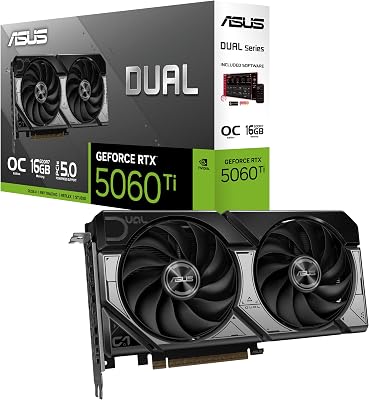
Nvidia GeForce RTX 3080 Ti still tempts bargain hunters in 2026, but the real question is no longer just how good it is, it is whether a used one beats buying a newer card instead. This former near-flagship offers strong 4K and 1440p performance at a used-market price, yet newer GPUs bring features it cannot match. This review compares the GeForce RTX 3080 Ti directly against today’s alternatives, weighs the trade-offs, and helps you decide whether to buy used or spend on new hardware. The goal is not to declare a single winner, but to show you exactly what you gain and give up with each option, so the choice fits your own budget and priorities.
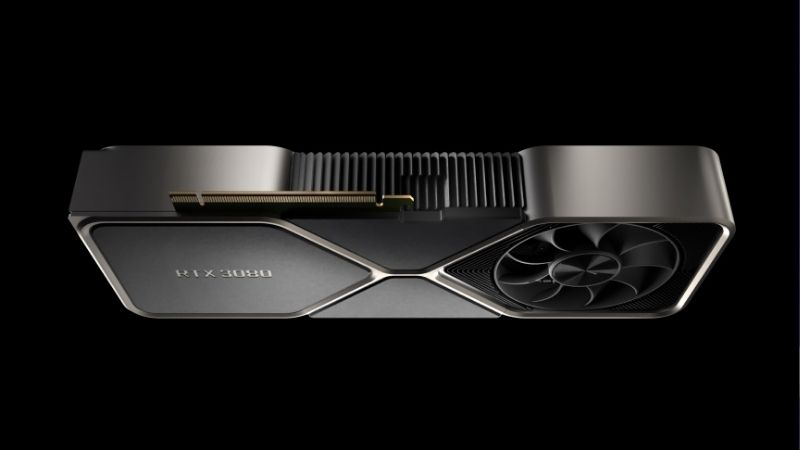
Where the GeForce RTX 3080 Ti Sits in 2026
Before comparing it to newer cards, it helps to place the 3080 Ti in the current market. It is a powerful used option, but its value depends entirely on how it stacks up against the fresh hardware you could buy instead. A card that was near-flagship at launch is only a bargain now if it genuinely outperforms, or meaningfully undercuts, the newer options in front of it.
As an Amazon Associate we earn from qualifying purchases at no extra cost to you.



Key Specs Recap and Current Positioning
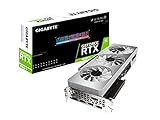
The GeForce RTX 3080 Ti is built on the GA102 die with 10,240 CUDA cores, 12GB of GDDR6X on a wide 384-bit bus, and a 350W board power, which kept it just below the flagship 3090 at launch. Those are numbers that still command respect, and they are the reason the card can be mentioned in the same breath as current mid-range options rather than dismissed as outdated.
In raw rasterized terms, it still performs like a high-end card, comfortably handling 1440p and much of 4K, which is why it remains desirable on the used market.
Its positioning in 2026 is clear: a strong performer whose appeal rests on price, since newer cards match or beat it while adding features it lacks. That single fact reframes the entire decision: you are no longer asking whether the 3080 Ti is fast, but whether its lower price is worth the features and efficiency you would be leaving on the table.
How It Compares to Newer Mid-Range GPUs
The most useful comparison is against a current mid-range card like the RTX 5070. In pure rasterized performance, the 3080 Ti and a 5070 are broadly in the same league, trading blows depending on the title. Neither has a decisive raw-performance advantage in rasterized games, which is precisely why the decision hinges on features, efficiency and price instead.
Where the newer card pulls ahead is efficiency and features: the 5070 draws far less power and supports DLSS 4 with Multi Frame Generation, which the 3080 Ti cannot use.
So the choice is not really about raw speed, which is close, but about whether you value modern features and a warranty over a lower used-market price. For a buyer who plays mostly rasterized games and hunts for value, the 3080 Ti is compelling; for one who wants the latest features and a stress-free purchase, the newer card makes more sense.
What Owners Say: Ratings Round-Up
Across owner feedback, the positive pattern is consistent: praise for strong 4K and 1440p gaming, excellent used-market value, and the flexibility of a former near-flagship at a mid-range price.
The complaints center on high power draw and heat, large cooler sizes, the lack of the newest DLSS features, and the usual risk of buying a used or ex-mining card.
The balanced read is that buyers who wanted raw performance for less are delighted, while those who expected current-generation efficiency or features are the ones weighing a newer card instead. That split neatly captures the whole comparison, and knowing which camp you fall into answers most of the decision before you even check prices.
GeForce RTX 3080 Ti Performance vs the Competition
The heart of this decision is how the 3080 Ti performs against newer hardware in the ways that matter. Here is the honest comparison across gaming, features and the practical realities of running an older, power-hungry card.
4K and 1440p Gaming vs Current-Gen Cards
In 4K gaming, the 3080 Ti remains capable, delivering smooth frame rates in most modern titles, especially with DLSS, and it holds up well against similarly priced newer cards in raw performance. That resilience at 4K is remarkable for a card of its age, and it is a large part of why the 3080 Ti remains on so many shortlists despite the arrival of newer hardware.
At 1440p, it is a strong high-refresh card, frequently pushing past 100 fps, which keeps it competitive with current mid-range GPUs in rasterized games. In many popular titles the difference between it and a new mid-range card comes down to a handful of frames, which is small enough that price and features become the real deciders.
Practical takeaway: for pure rasterized frame rates, the 3080 Ti still competes with newer cards in its price range, which is the core of its used-market appeal. If you only counted raw frames per dollar, the 3080 Ti would often win outright, and that is exactly why it refuses to disappear from build guides despite its age.
The Features Gap: DLSS 4, Efficiency and VRAM
This is where newer cards clearly lead. DLSS 4 with Multi Frame Generation, available on the RTX 5000 series but not the 3080 Ti, can add substantial smoothness that raw frame rates alone do not capture.
Efficiency is another gap: the 3080 Ti’s 350W draw dwarfs that of a modern mid-range card, meaning more heat, a bigger PSU requirement and higher running costs. Over the life of the card those extras add up, both in electricity and in the practical hassle of cooling a hot, power-hungry GPU in a warm room or a small case.
Its 12GB buffer is adequate for gaming but sits behind newer 16GB cards for the most demanding titles and creative work, which is worth weighing if you keep a card for years. Buyers who upgrade frequently will barely notice the difference, but those who hold a GPU for four or five years may find the newer 16GB cards age more gracefully.
Power, Heat and the Used-Card Reality
Running a 3080 Ti means planning around 350W. A quality 750W to 850W PSU is sensible, and the card runs hot in a large, triple-slot cooler that needs case space and airflow.
Because almost all 3080 Ti cards are now used, condition matters: many spent time in mining rigs, so checking a unit’s health before buying is essential.
Compared with a new, efficient card that arrives with a warranty, the used 3080 Ti asks for more care and more power, which is part of the true cost of choosing it. A cheaper sticker price can be offset by a needed power-supply upgrade, extra cooling or simply higher running costs, so the real comparison is total cost rather than purchase price alone.
Should You Buy a GeForce RTX 3080 Ti in 2026?
With the comparison clear, the decision comes down to price, features and your priorities. This section weighs the pros and cons against buying new, explains how pricing tips the balance, and gives a direct recommendation.
Pros and Cons vs Buying New
The honest balance sheet, comparing a used GeForce RTX 3080 Ti against a newer card at a similar price.
| Used RTX 3080 Ti | A New Mid-Range Card |
|---|---|
| Pros: Strong raster performance; low used price; wide 384-bit bus and 12GB. | Pros: DLSS 4; far more efficient; warranty; cooler and quieter. |
| Cons: No DLSS 4; 350W and hot; used-market risk; older architecture. | Cons: Higher upfront price; sometimes less raw raster per dollar. |
If raw performance per dollar is all you want, the 3080 Ti competes; if features, efficiency and peace of mind matter, a newer card wins. The honest position is that this is a genuinely close call, and the right answer depends far more on your priorities than on any single benchmark result.
How Prices Tip the Used-vs-New Decision
Pricing is what decides this in 2026, and the market is expensive. Component and laptop prices have kept trending upward, which keeps both used 3080 Ti listings and new cards firmly priced.
There is cautious good news: prices stopped climbing as steeply as they did in late 2025, and some makers such as Framework report a period of relative stability, while still warning of further swings.
Real relief is far off, though, with new memory supply from CXMT and Micron’s Idaho fabs not arriving until roughly 2027 to 2028, so comparing the live price of a used 3080 Ti against a new card on the day you buy is the only reliable way to judge which is the better deal. A gap that makes the used card a clear winner one week can close the next, which is why a fixed rule of thumb rarely holds for long in this market.
RTX 3080 Ti vs a New RTX 5070: Which to Buy?
Buy a used GeForce RTX 3080 Ti if you find one cheap, prioritise raw rasterized performance, and are comfortable managing a hot, power-hungry used card without the newest features.
Buy a new RTX 5070 or similar if you value DLSS 4, lower power, a warranty and a cooler, quieter system, and the price gap is reasonable. For many buyers the deciding factor is simply how large that gap turns out to be on the day, since a small saving rarely justifies giving up modern features and a warranty.
Since the two are close in raw performance, comparing their live prices is the deciding step, and you can check current options for both through the links on this page. Comparing them side by side on the same day removes the guesswork and lets the current market, rather than a general rule, make the final call for you.
See More:
Conclusion
The Nvidia GeForce RTX 3080 Ti in 2026 is a strong used buy only when its price undercuts a comparable new card by enough to offset its higher power draw and missing features. In raw rasterized performance it still competes with newer mid-range GPUs, but DLSS 4, efficiency and a warranty tilt the value toward fresh hardware when prices are close. With the market still elevated and real relief not expected until 2027 to 2028, the smart move is to compare a used 3080 Ti against a new card on the day you buy. Check current prices for both through the links on this page, and choose the option that offers the most for your money.
Frequently Asked Questions
Is an RTX 3080 Ti still a strong card in 2026?
In rasterization it remains capable at 1440p and playable at 4K, sitting broadly around RTX 5070 territory in traditional workloads. Where it falls behind is efficiency and features: no Frame Generation, no Multi Frame Generation, and a 350W draw for performance a newer 250W card matches while offering better upscaling.
Is 12GB of VRAM enough?
It is adequate at 1440p and marginal at 4K with ultra textures and ray tracing. The GA102 die pairs 12GB of GDDR6X with a wide 384-bit bus, so bandwidth is excellent even if capacity is not generous. For a card of this performance class, 12GB is the main thing that dates it.
What power supply does it need?
It is rated at 350W and partner cards use either two or three 8-pin connectors, with 750W recommended and 850W preferable for a high end CPU. Ampere cards are notorious for sharp transient spikes, so a quality unit with good hold up matters more than badge wattage when avoiding sudden shutdowns.
Should I buy one used or buy a new RTX 5070 instead?
Buy new unless the used price is dramatically lower. An RTX 5070 delivers similar raster performance at 100W less, adds DLSS 4 Multi Frame Generation, better ray tracing, and comes with a warranty. A used 3080 Ti only makes sense at roughly half the price of a new 5070, given its likely mining or heavy gaming history.
How do I check a used one is healthy?
Run an extended benchmark loop while logging core, memory junction and hot spot temperatures. GDDR6X memory junction temperatures above roughly 100 degrees under load indicate degraded thermal pads, a very common problem on this generation. Also check for artifacts, fan noise, and any discolouration around the power connectors.
Ready to decide? Our #1 pick for 2026 is the Used RTX 3080 Ti.
Live price & availability on Amazon.









Write Your Review
No reviews yet. Be the first to share your experience!