
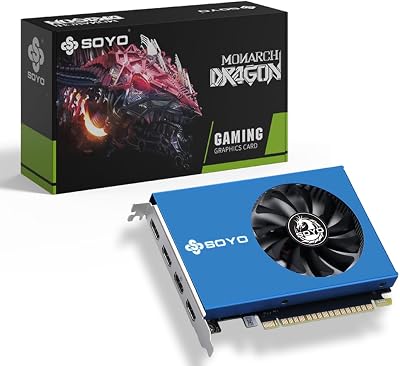
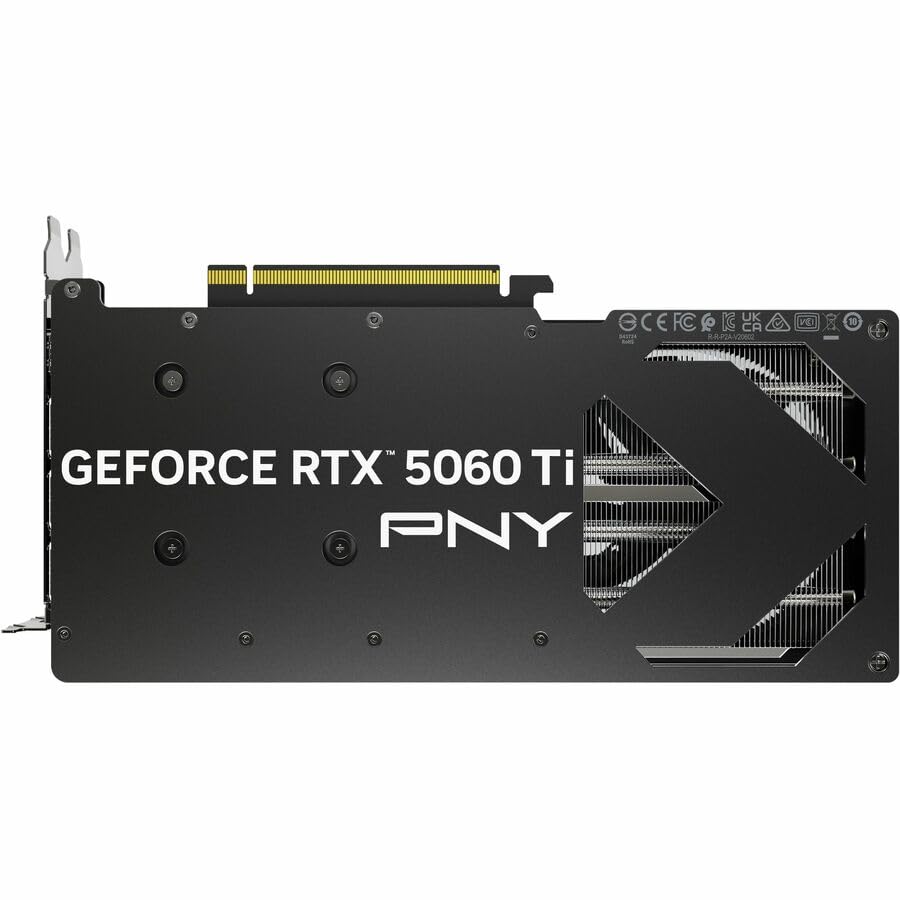


GPU repair shop is what you search after the fans spin and the screen stays black, and it is the wrong first question. Before you find a shop, you need to know whether your specific fault is worth fixing — because a third of GPU problems cost $15 and an afternoon, a third cost $80-150 at a shop, and a third are not economically repairable at all. Shops will not tell you which category you are in until they have your card and a diagnostic fee. This page tells you first, with a cost table and a rule for deciding.
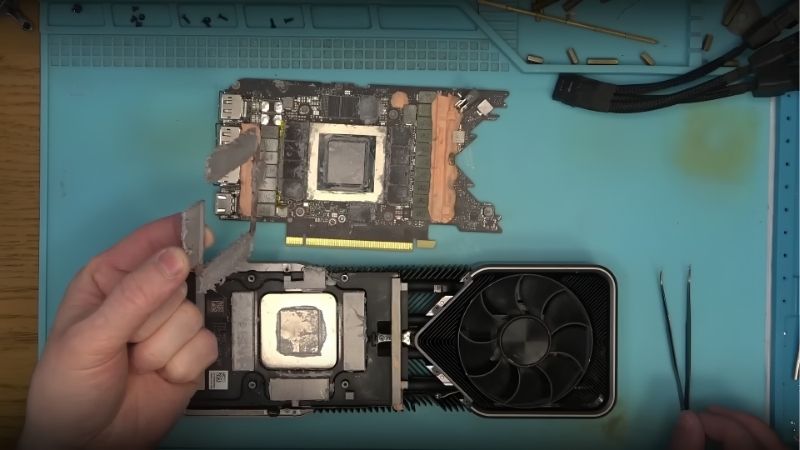
Repair or Replace: The Decision Framework
The question is not “can this be fixed” — with board-level work, almost anything can. The question is whether the cost of fixing it is a sensible fraction of what the card is worth, and that calculation has shifted since 2023 in a way that surprises people.
As an Amazon Associate we earn from qualifying purchases at no extra cost to you.


What Is Actually Repairable, and Cheaply
Three faults account for most GPU failures, and all three are genuinely fixable.
Dead or noisy fans. The most common failure by a wide margin, especially on ex-mining cards where bearings ran continuously for years. Symptoms: grinding, clicking, one fan not spinning, or thermal throttling within minutes. Replacement fans are $15-30 and the job is four screws and a connector.
Dried thermal paste and degraded pads. On any card over four years old, this is maintenance rather than a fault. Symptoms: temperatures 15-20C above where they should be, throttling under load, fans at maximum during light work. Paste and pads cost $15 and the job takes an hour.
Dust. Genuinely. A card that has never been cleaned can run 15C hotter than the same card blown out. Free, ten minutes.
If your symptom matches any of these, you do not need a shop. You need $15 and a screwdriver.
What Is Not Worth Repairing
Three categories where the answer is almost always replace.
Dead VRAM chips. Symptoms: artifacts, corrupted textures, crashes under memory load. Requires reballing or chip replacement with hot air. A shop will quote $120-200 and the success rate is not high on a card that has already been running degraded.
Dead GPU core. No display output, no fan spin, or the card is not detected at all. Core replacement is a specialist board-level job at $200-350 and it is only ever worth it on a 4090 or 5090.
Water or physical damage. Corrosion spreads. A card that has been wet may work for a month and then not. Shops will attempt it; the outcome is a lottery.
The 40% Rule
Here is the rule that settles it: if the repair costs more than 40% of what the card is currently worth used, replace it instead.
The reasoning is not arbitrary. A repaired card has a repaired card’s reliability and a repaired card’s resale value — which is to say, worse than the number you paid for the fix implies. You are also buying zero warranty on the repair in most cases beyond 30-90 days.
| Your card | Rough used value | Repair worth it up to |
|---|---|---|
| GTX 1660 / 1660 Super | ~$75-95 | ~$35 → fans and paste only |
| RTX 2060 / 3050 | ~$110-150 | ~$50 → fans and paste only |
| RTX 3060 12GB | ~$155-185 | ~$70 → shop-level fan or connector work |
| RTX 3070 / 3080 | ~$230-330 | ~$95-130 → most shop repairs |
| RTX 4080 / 5080 | ~$700-1,000 | ~$280-400 → board-level repair viable |
| RTX 4090 / 5090 | ~$1,400-2,000 | ~$560-800 → almost always repair |
Read your row and the decision usually makes itself. On anything below a 3070, only the do-it-yourself fixes clear the bar.
What Repairs Actually Cost
Shops rarely publish pricing, which is why you are guessing. Rough ranges below — regional variation is large, so treat them as ratios.
The Cheap Fixes You Can Do Yourself
| Job | Parts cost | Time | Difficulty |
|---|---|---|---|
| Dust removal | $0 | 10 min | Trivial |
| Fan replacement | $15-30 | 30 min | Easy |
| Thermal paste + pads | $15-25 | 1 hour | Moderate |
| Reseat in PCIe slot | $0 | 5 min | Trivial |
| Clean contacts | $5 (IPA) | 15 min | Easy |
Between them these resolve a genuinely large share of “my GPU is dying” complaints. A card throttling at 92C with screaming fans is not failing — it is a card that has never been maintained, and an hour with a screwdriver returns it to 68C.
One warning: repasting voids warranty on most cards. If yours is under warranty, RMA it instead. Do not open a card you could have had replaced for free.
Shop-Level Repairs and Prices
| Job | Typical cost | Worth it on |
|---|---|---|
| Diagnostic fee | $25-60 | Often waived if you proceed |
| Fan replacement | $50-90 | 3060 and up |
| Repaste and pads | $60-100 | 3070 and up |
| Power connector repair | $80-150 | 4080 and up |
| VRAM chip replacement | $120-200 | 4080 and up |
| Core replacement | $200-350 | 4090 / 5090 only |
Notice how much of shop pricing is labour rather than parts. A $50-90 fan replacement is $20 of fan and the rest is someone’s time — which is precisely why the do-it-yourself column above matters so much on cheaper cards.
The power connector row is worth flagging. Melted 12VHPWR and 12V-2×6 connectors are a real and specific failure on high-end Ada and Blackwell cards, and it is one of the few repairs that is both common and genuinely worth paying for, because the rest of the card is usually fine.
Board-Level Repair: When It Makes Sense
Board-level shops — the ones that reball chips and replace individual MOSFETs — are genuinely skilled and genuinely worth it in a narrow band: cards worth $700 or more with a fault that is not the core.
Below that, the economics collapse. A $200 repair on a $180 card is not a repair, it is a donation. And above the core-failure line, even a 4090 is a coin flip.
If you go this route, ask two questions before handing anything over: what happens if the repair fails, and what is the warranty on the work. A shop that will not answer either clearly is a shop to leave.
Pros and Cons of Repairing
Repair is undersold in a market that would rather you bought a new card. It is also oversold by shops that would rather you paid them. Both distortions deserve correcting.
When a Shop Is the Right Call
Four situations. Your card is worth $500+ and the fault is not the core. The fault is a melted power connector, which is common, contained and fixable. You lack the tools or the confidence for a repaste, and the card is worth enough to justify $80. Or the card has sentimental or scarcity value — a specific model you cannot easily replace.
Also: if the card is under warranty, skip all of this. RMA is free and a shop repair will void what you already have.
The Risks Nobody Mentions
Three, and they are real. Diagnostic fees are often non-refundable and are charged whether or not the card is fixable — so you can pay $50 to be told to buy a new one.
A repaired card has no meaningful resale value. Disclose the repair and buyers walk. Do not disclose it and you are the seller this site keeps warning people about.
Turnaround is measured in weeks. Two to four is typical for board-level work, and during that time you have no GPU. If your machine is how you work, factor a loaner or an integrated-graphics stopgap into the cost.
Pros and Cons Summary
| Pros of repairing | Cons of repairing |
|---|---|
| Fans and paste fix a large share of faults for $15 | Diagnostic fees are often charged regardless of outcome |
| Far cheaper than replacement on cards $700+ | Repaired cards have almost no resale value |
| Power connector repair is common and reliable | 2-4 week turnaround with no GPU meanwhile |
| Keeps a working card out of landfill | Below a 3070, labour costs exceed the 40% rule |
| No exposure to a rising replacement market | VRAM and core repairs have poor success rates |
The pattern: repair economics scale with card value, and almost nothing about a sub-$200 card justifies a shop visit that is not a fan or paste job you could do yourself.
The Replace Math in 2026
The 40% rule depends on what a replacement costs, and that number has moved in a direction that genuinely changes the answer for some people.
Why Replacement Costs More Than It Used To
Component and laptop prices have kept trending upward rather than settling back, and entry-level cards absorbed the sharpest share because memory is a large fraction of what they cost to build. The traditional pattern of a card drifting well below launch price by its third year has stopped operating.
This shifts the repair calculation in a way most people have not noticed. When a replacement 3060 cost $180, spending $70 on a repair looked marginal. When the same replacement holds at $155-185 with no downward pressure, and used prices are anchored by a new market that will not fall, the repair looks better than it did two years ago.
The blunt version: repair has become more attractive because replacement stopped getting cheaper. That is not a good outcome for anyone, but it is the market you are deciding in, and it argues for fixing cards you would previously have thrown away.
Prices Flattened, But Relief Is Distant
There is real good news and it deserves precision rather than optimism. The steep climb of late 2025 has eased. Framework, which publishes unusually candid component pricing updates, has described a period of relative stability while continuing to warn that volatility persists. Prices stopped accelerating; they did not reverse.
New capacity is genuinely coming. OEMs can now source DDR5 from Chinese manufacturers such as CXMT, and Micron is building two fabs in Idaho. Both add real supply to a constrained market. Neither begins production before 2027-2028.
So if your plan is “limp along until GPUs get cheap”, there is no date attached to that plan. Which is another argument for the $15 repaste — it buys you two years of a working card in a market that is not going to rescue you.
Making the Call
Three steps. Identify the fault honestly using the symptom descriptions above — most “dying” cards are throttling, not failing. Apply the 40% rule against your card’s row in the table. And if it is fans, paste or dust, do it yourself: it is $15 and an hour, and no shop will do it cheaper.
If the rule says replace, do not repair out of sentiment. And if it says repair, get the warranty terms in writing first. If you are landing on replace, compare current pricing across new and used options in your tier before committing — with the market flat rather than falling, the card in stock today is the one you are buying, and there is no better price coming next quarter.
See More:
- GTX 1650 vs RTX 3050
- Nvidia DIGITS
- Nvidia cuDNN
- Radeon RX 9070 XT vs RTX 5090
- PNY GeForce RTX 5080 review
Conclusion: Do You Need a GPU Repair Shop?
Most people searching for a GPU repair shop do not need one. Fans, thermal paste and dust account for a large share of GPU faults, all three cost $15 and an hour, and a shop will charge $50-100 in labour for the same work. Diagnose the symptom first: throttling at 90C with loud fans is maintenance, not failure. Artifacts and no display output are different problems entirely.
If it is a real fault, apply the 40% rule. Below a 3070, only the do-it-yourself fixes clear it. Above a 4080, board-level repair is genuinely worth it — especially for melted power connectors, which are common, contained and reliably fixable. And factor in what the market has done: with replacement costs flat rather than falling and no correction before 2027, repairing a card you would have replaced two years ago has quietly become the sensible choice.
Frequently Asked Questions
What does a typical GPU repair cost?
Bench fees usually run 40 to 80 dollars just for diagnosis. Fan or thermal pad replacement lands around 60 to 120 dollars, a reflow or reball of the core is 150 to 300, and core or memory chip replacement on a modern card can reach 250 to 450. Most shops apply the diagnostic fee to the repair if you proceed.
When is repair worth it versus buying a replacement?
A useful rule is the 50 percent test. If the quote exceeds half the used market value of a working card of the same model, replace it. Repairing a 400 dollar RTX 4070 for 180 makes sense, repairing a GTX 1060 for 150 does not when working units sell for well under that.
Which faults are genuinely repairable?
Blown MOSFETs, failed VRM phases, damaged display connectors, cracked PCB traces, a burnt 12V-2×6 or 8-pin socket, and dead fans are routine bench work with a good success rate. Faults inside the GPU die itself, badly degraded memory or heavy liquid corrosion across multiple layers are frequently written off as uneconomic.
Does opening the card void my warranty?
Removing the cooler usually breaks a void sticker on Nvidia and AMD partner cards, and third-party repair is grounds for refusal in most cases. Always check whether the card is still inside its two or three year warranty and file an RMA first, since a free replacement beats any paid bench repair.
How do I tell a dead GPU from a dead PSU or motherboard slot?
Test the card in a second machine, and test a known good card in yours. No display output with fans spinning, error code 43 in Device Manager, or artifacts before Windows loads point at the card. Random shutdowns under load with no artifacts more often point at the power supply or a failing 12V rail.
Ready to decide? Our #1 pick for 2026 is the GTX 1660 / 1660 Super.
Live price & availability on Amazon.





Write Your Review
No reviews yet. Be the first to share your experience!