
- Top Pick: MSI Gaming GeForce GTX 1650 Super 128-Bit HDMI/DP 4GB GDRR6 HDCP Support DirectX 12 Dual Fan VR Ready OC Graphics Card (GTX 1650 Super Gaming X) (Renewed)
- Best Value: ZER-LON GeForce GTX 1660 Super 6GB Graphics Cards, GDRR6 192Bit PCIE 3.0X16 Computer Gaming Gpu, Dual Freeze Fans Video Card with HDMI/DP/DVI Ports Support 4K and 8K HD
- Premium Choice: ASUS Dual GeForce RTX 3050 6GB GDDR6 OC Edition Gaming Graphics Card
GTX 1650 Super is the budget card that quietly outclasses its name, delivering a performance jump over the plain GTX 1650 so large that the two are barely in the same league. For budget gamers deciding between the 1650, the 1650 Super, and the 1660 family, understanding that gap is the whole decision. This review breaks down what the GTX 1650 Super delivers at 1080p in 2026, how it stacks up against its siblings, and whether it is the sweet-spot budget card for your build.
As an Amazon Associate we earn from qualifying purchases at no extra cost to you.




What the GTX 1650 Super Offers in 2026
The GTX 1650 Super is a Turing-based budget card that, despite sharing a name with the 1650, is built on a stronger chip and delivers substantially more performance. Understanding that it sits much closer to the 1660 than to the plain 1650 is the key to appreciating its value.
Turing Specs and GDDR6 Memory
The GTX 1650 Super pairs 1,280 CUDA cores with 4 GB of faster GDDR6 memory, a meaningful step up from the plain 1650 in both core count and memory speed. That extra muscle is why it performs far closer to the 1660 than its name suggests.
Like other GTX cards, it lacks RT and Tensor cores, so there is no hardware ray tracing or DLSS. At this budget and performance level that is an acceptable trade, since the card’s job is strong 1080p rasterized performance rather than cutting-edge effects.
The analytical point is that the 4 GB buffer is now the main constraint rather than the core count. The chip is capable for 1080p, but memory-hungry modern titles can press against that 4 GB in a way the raw performance would not otherwise suggest.
For buyers, that means the 1650 Super rewards matching settings to memory rather than to raw speed. The chip can push high frame rates, but dialing texture settings to respect the 4 GB buffer is what keeps newer games smooth on the card.
Gaming Performance at 1080p
At 1080p, the GTX 1650 Super is a strong performer, running esports titles at high frame rates and handling many modern games at medium to high settings. It is a genuine 1080p gaming card rather than a bare-minimum one.
Compared to the plain 1650, the difference is dramatic, often on the order of a large percentage gain, which transforms the experience in demanding games. This is the card that makes 1080p gaming genuinely enjoyable on a budget.
The honest framing is that the GTX 1650 Super hits a sweet spot: fast enough for satisfying 1080p play across most games, cheap enough to stay firmly budget. For its price class, that balance is hard to beat.
It is worth appreciating just how large the jump from the plain 1650 is. Games that felt like a compromise on the 1650 often feel genuinely comfortable on the Super, which is why so many buyers describe the upgrade as transformative for the money.
How It Compares to the GTX 1650 and 1660 Super
Against the plain GTX 1650, the Super is simply in another class, and the modest price difference makes it almost always the better buy if your PC can supply the extra power. Very few buyers regret stepping up to the Super.
Against the GTX 1660 Super, the 1650 Super is slightly slower and has less memory, since the 1660 Super carries 6 GB. For a small additional cost, the 1660 Super offers more headroom, which is worth weighing if your budget stretches.
Choosing correctly comes down to budget and power. If you want the best value entry into real 1080p gaming and the 1660 Super is out of reach, the GTX 1650 Super is an excellent pick that leaves little on the table.
The decision between the 1650 Super and the 1660 Super usually comes down to a small sum and your appetite for headroom. If a modest stretch is painless, the extra 2 GB of the 1660 Super is smart insurance; if every dollar counts, the 1650 Super gives up little.
The GTX 1650 Super in Real Use
Beyond the numbers, the GTX 1650 Super’s value shows in how well it serves everyday budget gaming. Across popular titles, real PCs, and secondary tasks, it proves a versatile and satisfying card for the money.
Esports and Popular Games
For esports, the GTX 1650 Super is more than capable, pushing high frame rates in competitive titles at 1080p with settings turned up. Players chasing smooth, responsive gameplay get exactly what they need.
In popular AAA and mid-tier games, it handles 1080p at medium to high settings well, making it a true all-rounder rather than an esports-only card. This breadth is a big part of its appeal.
Owners consistently praise the GTX 1650 Super as one of the best value budget cards of its generation. The main caveat in feedback is the 4 GB memory, which the most demanding recent titles can pressure at higher settings.
The practical response is simple and effective: keep texture and detail settings sensible in the heaviest games. Do that, and the 4 GB buffer rarely becomes a problem for the kind of 1080p play this card is built to deliver.
Power, Size, and PC Compatibility
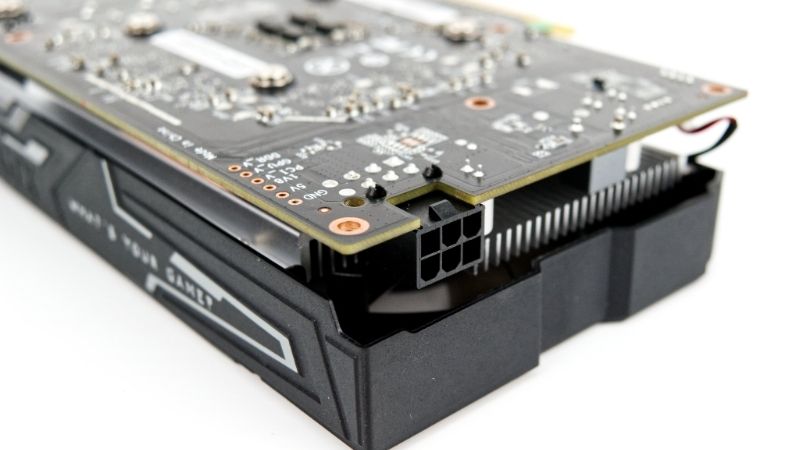
The GTX 1650 Super draws around 100 watts and requires a power connector, so unlike the plain 1650 it needs a power supply with the right cabling. That is a small step up in requirements for a large step up in performance.
It fits standard cases easily, with plenty of compact dual-fan models available, though it is not as universally drop-in as the connector-free 1650. For most builds, its requirements are still very modest.
The practical advice is to confirm your power supply has an available connector and adequate wattage before buying. For the performance gain over the plain 1650, that minor requirement is well worth meeting.
For most buyers this is a non-issue, since even modest modern power supplies carry the necessary connector. It is only in the most basic prebuilt machines, where the connector-free plain 1650 shines, that the requirement occasionally matters.
Beyond gaming, the extra grunt over the plain 1650 also smooths everyday tasks, from high-refresh desktop use to snappier media handling, which quietly improves the whole computing experience rather than just the games.
Beyond Gaming: Streaming, HTPC, and Light Creative
The GTX 1650 Super handles video playback, encoding, and streaming capably thanks to its Turing media engine, making it a fine choice for a versatile budget PC that games and does everything else too.
For light creative work, the extra performance over the plain 1650 gives noticeably smoother photo and modest video editing, meaningfully outpacing integrated graphics. It is a budget gaming card first, but a competent all-purpose one.
The experimental extra to note is Nvidia Image Scaling and driver-level features that can stretch performance further in supported games. These add modest value on top of the card’s already strong budget proposition.
Buying the GTX 1650 Super in 2026: Value, Market, and Pros and Cons
The GTX 1650 Super makes the most sense as the value sweet spot of budget gaming, and the 2026 market shapes what you should pay. Understanding both helps you decide between it and its neighbors with confidence.
Where to Buy and What to Pay
The GTX 1650 Super is now found mainly on the used market, where it is plentiful and affordable. For most buyers, a tested used unit from a reputable seller with clear return terms offers the best combination of price and peace of mind.
As an older card its prices are low, but like much aging hardware they have stayed firmer than you might expect, which matters when planning your budget and timing.
The practical guidance is to buy from trustworthy listings and compare closely against the 1660 Super, since a small price gap can sometimes get you the more capable card. A reliable seller is worth a modest premium over a risky bargain.
Cross-shopping is especially rewarding at this tier. Because the 1650 Super, 1660 Super, and 1660 Ti often sit within a small price band on the used market, a few minutes comparing listings can occasionally land you a better card for the same money.
Whatever you choose, buy for the resolution and games you actually play. The 1650 Super is built for 1080p, and pairing it with a 1080p monitor and realistic settings is how you get the smooth, satisfying experience its reputation promises. Feed it a 1080p display and reasonable settings, and it comfortably outlasts the modest impression its low budget price first gives, punching well above what the number on the box would suggest.
Why Prices Stay Firm
Even budget cards feel the memory market. Component and memory prices climbed steeply through late 2025 before merely leveling off, which is relief but not a price cut, so cards like the GTX 1650 Super hold their value more than their age suggests.
New supply is coming, with OEMs able to source memory from vendors such as CXMT and Micron building two Idaho plants, but those fabs will not reach volume production until 2027 to 2028. In short, waiting for a broad price collapse is optimistic.
For a budget buyer, the takeaway is that if the GTX 1650 Super fits your games and PC, buying now is sensible, since the market is unlikely to offer a meaningfully cheaper equivalent any time soon.
GTX 1650 Super Pros and Cons
The ownership picture distilled for a fast decision.
Pros: big performance jump over the plain GTX 1650; strong 1080p gaming across most titles; faster GDDR6 memory; excellent value for the price; modest power needs at around 100 watts.
Cons: only 4 GB of memory, which demanding new games can pressure; no ray tracing or DLSS; needs a power connector unlike the plain 1650; the 1660 Super offers more headroom for a bit more money.
See More:
Final Verdict: Is the GTX 1650 Super Worth It?
For budget gamers who want genuinely enjoyable 1080p performance without stretching to a mid-range card, the GTX 1650 Super is one of the best value picks of its generation, delivering far more than the plain 1650 for only a little more money. If your budget stretches slightly, the 6 GB GTX 1660 Super is worth the small step up for extra headroom.
If the GTX 1650 Super fits your games and build, a firm memory market means waiting is unlikely to save you much. Check the latest GTX 1650 Super pricing, versions, and availability through the link below and secure the value while it lasts.
Top-Rated Picks

Save $230.03


Best Seller
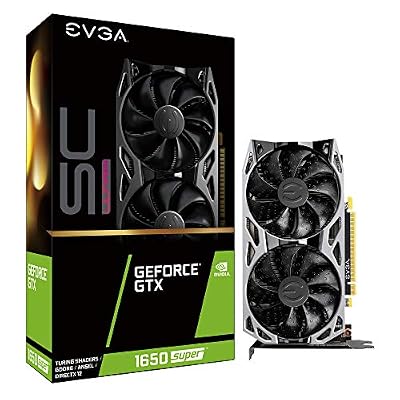
EVGA GeForce GTX 1650 Super SC Ultra Gaming, 4GB GDDR6, Dual Fan, Metal Backplate, 04G-P4-1357-KR (Renewed)
Save $162.03

| Product | Brand | Rating | Reviews | Price |
|---|---|---|---|---|
| ARCTIC MX-4 (4 g) – Premium Performance Thermal Paste… | ARCTIC | ★ 4.8 | 104k | $4.99 |
| ARCTIC MX-4 (incl. Spatula, 4 g) – Premium Performanc… | ARCTIC | ★ 4.8 | 71.9k | $5.49 |
| Crucial 8GB DDR4 RAM 3200MHz (PC4-25600), Downclockab… | Crucial | ★ 4.8 | 62.8k | $74.99 |
| AMD Ryzen 5 5600X 6-core, 12-thread unlocked desktop … | — | ★ 4.8 | 30.2k | $177.60 |
| NVIDIA Shield Remote; Voice Search, Motion-Activated,… | — | ★ 4.7 | 10.6k | $25.99 |
Frequently Asked Questions
How much faster is the GTX 1650 Super than the plain GTX 1650?
Substantially, around 30 to 40 percent at 1080p. The Super uses a cut-down TU116 chip with far more CUDA cores and 4GB of GDDR6 at 12Gbps on a 128-bit bus, giving roughly 192GB/s versus the much slower memory on the original GTX 1650.
Does the GTX 1650 Super need a power connector?
Yes, unlike the standard GTX 1650. Board power is about 100W and partner cards use a single 6-pin or 8-pin PCIe connector, so it cannot be dropped into a prebuilt with no spare PCIe cable. A quality 450W supply is sufficient.
Is 4GB of VRAM the main limitation?
It is. The GPU itself is fast enough for 1080p high settings in many titles, but 4GB forces texture reductions in modern AAA games and causes stutter when exceeded. This makes it a better fit for esports and older titles than for the newest releases.
Does it support DLSS or ray tracing?
No. Like the rest of the GTX 16 series it lacks tensor cores and RT cores, so DLSS and hardware ray tracing are unavailable. FSR works and is worth using. On the plus side the TU116 chip includes the full Turing NVENC encoder for streaming.
How does it compare to the GTX 1660 Super?
The GTX 1660 Super is roughly 20 to 25 percent faster and adds 6GB of VRAM instead of 4GB, which matters more every year. If the price gap is small, choose the 1660 Super. The 1650 Super only makes sense at a meaningful discount.




Write Your Review
No reviews yet. Be the first to share your experience!