
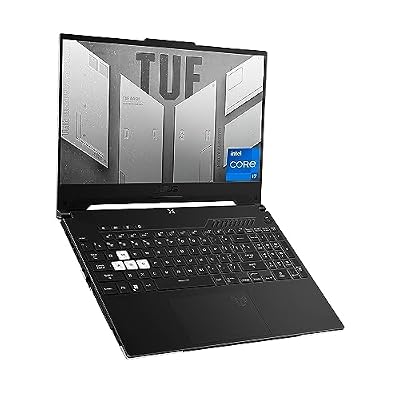
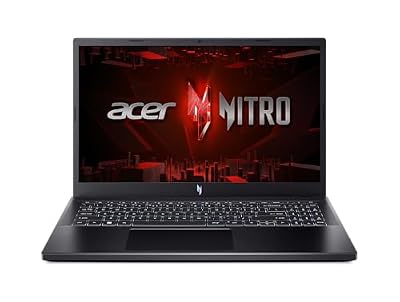
- Top Pick: acer Nitro 5 AN515-58-725A Gaming Laptop | Intel Core i7-12700H | NVIDIA GeForce RTX 3060 Laptop GPU | 15.6" FHD 144Hz 3ms IPS Display | 16GB DDR4 | 512GB Gen 4 SSD | Killer Wi-Fi 6 | RGB Keyboard
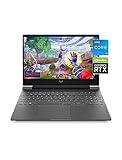
- Best Value: HP Victus 15.6" Full HD 144Hz Gaming Laptop, Intel Core i5-12450H, NVIDIA GeForce RTX 3050,16GB RAM, 512GB PCIe SSD, Wi-Fi 6, Backlit Keyboard,Windows 11 Pro, Performance Blue
- Premium Choice: msi GF65 Gaming Laptop: 15.6" 144Hz FHD 1080p, Intel Core i7-10750H 6 Core, NVIDIA GeForce RTX 3060, 16GB, 512GB NVMe SSD, WiFi 6, Red Keyboard, Win 10, Black (10UE-047)



RTX 3060 laptop launched as a 1080p value champion, and several years on it remains a popular budget and used-market option. Built on Nvidia’s Ampere architecture with 3,840 CUDA cores and 6GB of GDDR6, it still plays modern games at sensible settings. This review uses verified owner data to ask whether it is still a smart pick in 2026 or a relic to avoid.
Specifications And Performance Of The RTX 3060 Laptop
An older chip earns its keep through realistic expectations, and the 3060’s Ampere specs define a dependable 1080p comfort zone. Understanding the hardware clarifies what it still does well and where its age shows.
As an Amazon Associate we earn from qualifying purchases at no extra cost to you.





The Ampere Hardware And Feature Set
The RTX 3060 laptop carries 3,840 CUDA cores, 6GB of GDDR6 on a 192-bit bus, and a TGP from 60W to 115W. Interestingly, its core count is high, but the Ampere architecture is less efficient per core than newer Ada and Blackwell designs.
The crucial limitation is software: as an RTX 30 series chip, it supports DLSS 2 upscaling but not DLSS 3 Frame Generation. That missing feature is the clearest dividing line between it and newer budget GPUs.
1080p Gaming Benchmarks
At 1080p high settings, the RTX 3060 laptop still comfortably exceeds 100 FPS in esports titles and holds 60 FPS in many AAA games, often with DLSS 2 assistance. For mainstream gaming, it remains genuinely capable.
The strain appears in the newest, heavier releases, where the 6GB buffer forces texture reductions. Without Frame Generation, demanding ray-traced titles also fall behind what newer cards manage.
Thermals And Power Behavior
Ampere mobile chips run warmer than newer generations, but the 3060’s modest power draw keeps most chassis manageable. Higher-TGP versions sustain clocks well, while lower-power builds trade performance for quieter operation.
The wattage check matters here too: a 115W version meaningfully outperforms a 60W one. On the used market especially, confirming the configuration is essential.
Living With An RTX 3060 Laptop
Value hardware succeeds on practicality, and daily ownership shows whether the savings justify the compromises. The RTX 3060 laptop remains a sensible budget machine within clear limits.
Available Laptops And The Used Market
New 3060 laptops are increasingly rare, so most buyers find them refurbished or used from lines like the Lenovo Legion 5, ASUS TUF, and Acer Nitro. Prices vary widely, which makes careful inspection important.
Owners recommend pairing it with a Ryzen 5 or Core i5 and 16GB of RAM at minimum. On a used purchase, verifying battery health and thermal condition is as important as the GPU itself.
Battery Life And Everyday Practicality
Battery life is modest by modern standards, typically around 5 to 6 hours for light use, with older units often degraded. Advanced Optimus support depends on the specific laptop model.
For a budget gamer who games mostly plugged in, this is acceptable. As a daily driver, expect to manage charge more carefully than on a newer machine.
Who The RTX 3060 Laptop Suits
This GPU is for the budget buyer who wants solid 1080p gaming at the lowest possible cost and is comfortable with the used market. It is a fine pick for esports and older AAA titles.
Buyers who want DLSS 3 Frame Generation, better efficiency, or future-proofing should look to the newer 4060 or 5060, which justify their premiums with modern features.
Pros, Cons And The 2026 Buying Climate
For an aging chip, value clarity is decisive. Weighing the 3060’s strengths against its limits, and against the current market, determines whether it is a smart bargain or a false economy.
The Pros And Cons From Real Owners
The pros include genuinely capable 1080p performance, a low used-market price, a respectable 192-bit memory bus, and broad availability of compatible machines. Owners praise its enduring ability to handle mainstream games.
The cons are age-related: no DLSS 3 Frame Generation, a 6GB buffer that strains in new titles, lower efficiency than newer chips, and the risks of buying used hardware. It is capable now, but its remaining runway is short. That honesty matters most for value buyers.
How Price Trends Affect The Decision
Market conditions actually strengthen the used-3060 argument. New laptop prices have kept trending upward under a tight memory supply, which makes affordable used machines more attractive by comparison. The encouraging news is that the steep late-2025 climb has eased, with some makers reporting relative stability, even while warning that volatility persists.
Lasting relief on new hardware is far off. Fresh DDR5 capacity is emerging from suppliers like CXMT, and Micron is building two plants in Idaho, but those will not ramp until 2027 to 2028. Because new prices have leveled rather than dropped, a well-priced used RTX 3060 laptop can still be a rational budget choice in 2026.
Future Outlook And The Verdict
The 3060’s future is limited by its missing Frame Generation and 6GB buffer, and DLSS 2 can only stretch it so far. Expect to lower settings increasingly as new games arrive.
If you want the cheapest credible path into 1080p gaming and shop carefully, this GPU can still deliver. Ready to find a clean, well-priced unit? Compare available RTX 3060 laptop listings through the links on this page and prioritize a higher-TGP model in good condition.
Frequently Asked Questions
The RTX 3060 laptop is a popular budget and used-market choice, and these questions help clarify what to expect from it.
Is the RTX 3060 laptop still good in 2026?
Yes, the RTX 3060 laptop remains a capable 1080p gaming option, particularly for esports and less demanding titles.
It shows its age in the heaviest modern games, where its older architecture and 6GB buffer become limiting.
Does the RTX 3060 laptop support DLSS Frame Generation?
No, the RTX 3060 laptop is built on Ampere and supports only DLSS 2 upscaling, not the Frame Generation found in newer cards.
This is its biggest disadvantage against Ada and Blackwell GPUs, which gain extra frames from AI generation.
How much VRAM does the RTX 3060 laptop have?
It carries 6GB of GDDR6 on a 192-bit bus, adequate for 1080p but tight for higher resolutions and modern textures.
The 6GB buffer is the main constraint that limits its longevity in newer titles.
Is the RTX 3060 laptop worth buying used?
On the used market it can offer solid value for budget 1080p gaming, provided the price reflects its generation.
Buyers wanting DLSS Frame Generation and more headroom should look to the 4050 or 4060 instead.
Can the RTX 3060 laptop run ray tracing?
The RTX 3060 laptop can enable ray tracing at 1080p, but its older Ampere architecture and DLSS 2 support limit how smoothly demanding effects run. Expect to lower settings in heavy titles.
Without DLSS 3 Frame Generation, ray tracing is best used sparingly to keep frame rates playable.
Real-World Performance Expectations
Knowing what the RTX 3060 laptop realistically delivers in 2026 helps budget and used-market buyers set expectations. This breakdown covers gaming and light creative use.
Esports And Competitive Titles
In competitive games the 3060 still sustains high frame rates at 1080p, comfortably exceeding 120 frames per second in popular esports titles. It remains a viable match for high-refresh panels.
For players focused on fast competitive games, the older Ampere card continues to deliver a responsive experience.
AAA Gaming At 1080p
In demanding single-player titles, the 3060 targets a playable 1080p experience at medium to high settings, supported by DLSS 2 upscaling. It lacks Frame Generation, so the heaviest modern games require more compromises.
The 6GB buffer is the main constraint, limiting high textures and reducing headroom in newer, memory-hungry titles.
Light Creative And Its Limits
For light creative work, the 3060 handles basic editing and GPU tasks adequately, suiting students and hobbyists. The 6GB buffer suits 1080p projects rather than heavy timelines.
Its key limitation is the absence of DLSS 3 Frame Generation, which newer Ada and Blackwell cards use to extend performance, so the 3060 is best viewed as a value used-market option.
Smart Buying Tips For The RTX 3060 Laptop
Because the RTX 3060 laptop is often a budget or used-market choice, smart buying decisions around it matter. These tips help you get solid value from the card.
Match It With A Balanced CPU
Pair the 3060 with a Core i5 or Ryzen 5 class processor, which suits the card’s 1080p focus without inflating the price. A very high-end chip is unnecessary at this tier.
This keeps the machine affordable while ensuring the processor does not hold the GPU back in everyday gaming.
On the used market, look for configurations that already pair the 3060 with a capable recent CPU.
Stick To A 1080p Panel
A 1080p high-refresh panel is the ideal partner, matching the 3060’s strength in esports and lighter titles. A higher-resolution screen would only expose its 6GB limit.
Matching the display to the GPU keeps performance smooth and the total cost reasonable.
For competitive play, a 144Hz 1080p panel lets the card’s frame rates shine.
Check Condition And Memory On Used Units
When buying used, verify the battery health, thermal condition, and that the laptop carries at least 16GB of RAM for modern titles.
A clean, well-maintained unit at a fair price is where the 3060 still offers value in 2026.
Because the card lacks DLSS 3, confirm the price reflects its generation before committing.
See More:
The Bottom Line
The RTX 3060 laptop remains a capable 1080p budget option, particularly on the used market where its low price shines. Its missing DLSS 3 Frame Generation, 6GB buffer, and limited runway are real drawbacks, but for cost-focused gamers who shop carefully, it can still be a smart pick in 2026, especially while new laptop prices stay elevated rather than falling.




Write Your Review
No reviews yet. Be the first to share your experience!