
Top Nvidia Geforce Rtx 2060 Super Picks for 2026
Here are our current top nvidia geforce rtx 2060 super picks, compared on real Amazon owner reviews, price, and features. Live prices update below.


Dropped $25.00

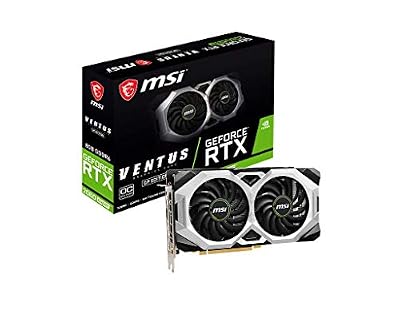

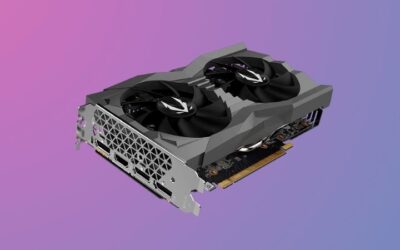
Nvidia GeForce RTX 2060 Super graphics card arrived in 2019 as the sweet-spot Turing GPU, the one that brought ray tracing and a comfortable 8GB buffer to a $399 price point. Years later it has become a used-market staple for budget 1080p and entry 1440p builds. With 2176 CUDA cores, 8GB of GDDR6, and a 256-bit bus, it still has the bones of a capable gaming card. This review examines whether the RTX 2060 Super remains a smart pickup in 2026 or whether its age has finally caught up with it.
As an Amazon Associate we earn from qualifying purchases at no extra cost to you. Product prices and availability are accurate as of the date shown and are subject to change.




Specifications and Physical Design
The RTX 2060 Super sat one rung below the 2070 Super and shared much of its memory configuration, which is central to why it has aged the way it has.
Core Hardware Specs
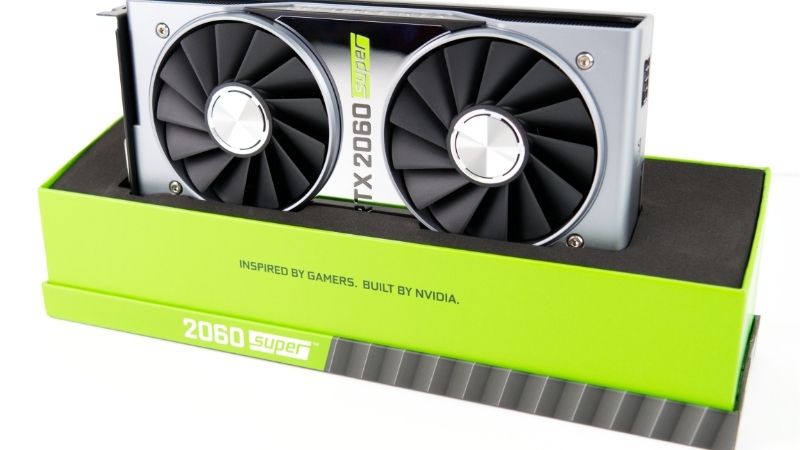
The card combines 2176 CUDA cores with 8GB of GDDR6 on a 256-bit bus, providing roughly 448 GB/s of bandwidth. Its total graphics power is a modest 175W, and most models run from a single 8-pin connector.
That efficient power profile is one of its quiet strengths. Compared with the larger 2070 Super and 2080 Ti, the 2060 Super is easier to cool, easier to power, and easier to fit, making it friendly for modest builds.
The 256-bit bus it shares with pricier Turing cards is a quiet advantage at this tier, giving it more memory bandwidth than many narrower entry-level cards. That helps it hold high settings without the texture stutter that can plague leaner designs.
Size and Cooling
Many RTX 2060 Super models are compact dual-fan designs in the 200mm to 250mm range, so they slot into smaller cases more readily than higher-tier Turing cards.
Cooling quality still varies by brand, but the lower 175W draw means even modest coolers keep the card in check. Expect quiet operation from better models and acceptable temperatures across the board.
This thermal headroom also makes the card forgiving in cramped or poorly ventilated prebuilts, where larger, hotter GPUs would struggle. For a no-fuss upgrade in an existing system, that tolerance is genuinely useful.
Power and Compatibility Notes
A quality 500W to 550W power supply is generally sufficient, which makes the 2060 Super an easy drop-in upgrade for older systems with limited PSUs.
It uses a standard PCIe slot and works with any modern CPU. For pure 1080p gaming, pair it with a reasonably current processor to avoid CPU bottlenecks that would mask the card’s capability.
One practical caveat is driver and BIOS readiness on very old boards. A quick BIOS update on a legacy motherboard occasionally smooths detection and boost behavior. It is rarely necessary, but worth knowing if an older system seems not to use the card to its full potential.
Gaming Performance Today
The 2060 Super was pitched as a 1080p powerhouse with 1440p potential, and that framing still describes its 2026 behavior well.
1080p Performance
At 1080p the RTX 2060 Super is right at home, delivering high frame rates at high settings across most modern titles and easily clearing the 60 fps bar in all but the most punishing games.
For high-refresh esports gaming it shines, frequently pushing well past 120 fps in competitive titles. As a 1080p card it remains thoroughly viable.
It also leaves enough overhead for streaming or light multitasking while gaming, helped by the dedicated NVENC encoder. For a budget creator-gamer hybrid working at 1080p, that combination is hard to beat at the price.
Stepping Up to 1440p
At 1440p it becomes a high-settings rather than ultra card. Many games run smoothly in the 50 to 75 fps range, with the heaviest 2025-2026 releases requiring a setting drop or DLSS to stay comfortable.
This positions the 2060 Super as a capable entry into 1440p rather than a confident one. With realistic settings it handles the resolution, but it is working closer to its limit there.
For buyers eyeing a 1440p monitor, the honest advice is to plan on high rather than ultra presets and to keep DLSS in mind for the heaviest titles. Set expectations that way and the resolution is genuinely enjoyable rather than a stretch.
Ray Tracing and DLSS
As a first-generation RTX card, it supports ray tracing but with limited headroom. Light ray-traced effects are achievable; heavy ray tracing quickly overwhelms it without assistance.
DLSS is the proprietary feature that keeps it useful, recovering frames in supported games. As with all Turing cards, though, it is limited to earlier DLSS versions and misses the newest Frame Generation features of later GeForce cards.
The result is that ray tracing is a niche extra here, not a core selling point. Where the 2060 Super earns its value is efficient, dependable rasterized performance, with DLSS as a welcome bonus in the games that support it.
Owner Feedback: Pros and Cons
Aggregating the praise and the gripes from long-term owners gives the clearest read on what the RTX 2060 Super graphics card is really like to live with.
What Owners Appreciate
Positive feedback centers on its ease of use: low power, simple cooling, and reliable 1080p gaming year after year. Many owners call it a fuss-free workhorse.
The 8GB buffer and DLSS support also earn repeated mention as the reasons the card has stayed relevant longer than its tier suggested it would.
Owners upgrading from older budget cards frequently describe the jump as transformative for 1080p gaming, which reinforces its reputation as a smart entry-level upgrade. That consistent feedback is reassuring for a used purchase.
Common Criticisms
Critical feedback notes that 1440p performance is now borderline in the newest titles and that heavy ray tracing is impractical. The card is a 1080p specialist that merely tolerates 1440p.
As with any used GPU, some buyers raise concerns about mining history or cooler wear. Choosing a reputable seller and verifying the card under load addresses most of that worry.
It is also wise to confirm the card outputs to your specific monitor resolution and refresh rate before committing, since a few older units shipped with quirks around newer high-refresh panels. A short test on arrival catches any such issue while a return is still easy.
Pros and Cons Summary
The decision around the RTX 2060 Super comes down to this concise balance.
Pros: excellent 1080p value, low 175W power draw, compact and easy to cool, 8GB VRAM and DLSS support, easy upgrade for older PCs. Cons: limited 1440p headroom, weak heavy ray-tracing performance, no newest DLSS features, aging architecture overall.
Weighing these together, the 2060 Super reads as a card chosen for sensible reasons rather than excitement. That is precisely its appeal for a budget build, where predictable competence matters far more than headline features.
Is the RTX 2060 Super Worth Buying in 2026?
As always, the verdict hinges on price, and the current market backdrop strengthens the case for an affordable, efficient card like this.
Rising Prices Boost Budget Appeal
Laptop and PC-component prices are trending upward and are expected to keep rising. That makes an inexpensive, efficient used card like the 2060 Super an increasingly attractive route into solid 1080p gaming.
When new entry-level cards climb in price, a cheap secondhand 2060 Super can offer the best cost-per-frame for 1080p players. Because rising prices also nudge the used market upward, a good deal is worth grabbing promptly.
A useful rule is to compare the asking price against current new budget cards on a cost-per-frame basis at 1080p. When the 2060 Super comes out ahead, which it often does on sale, it becomes one of the most sensible value buys in its class.
Nvidia’s AI Focus and Supply
The U.S. recently allowed Nvidia to sell its H200 AI chips to China. The H200 is a data-center accelerator, not a GeForce card, so it has no direct bearing on the 2060 Super’s performance.
Indirectly, strong demand for Nvidia’s AI silicon can keep its attention and capacity weighted toward accelerators, which tends to firm up consumer GPU pricing. That dynamic makes a low-cost, capable older card a sensible hedge.
Who Should Buy It, and the Alternative
The RTX 2060 Super is ideal for budget 1080p gamers, first-time builders, and anyone upgrading an older prebuilt with a limited power supply who wants a meaningful jump without a big spend.
It is a poor fit, however, for anyone planning serious 1440p gaming, ray-tracing showcases, or a long future-proofing horizon, since the architecture simply does not have the headroom for those ambitions.
If your sights are set firmly on 1440p or modern ray tracing, a current mid-range RTX card is the better alternative. For affordable, dependable 1080p, though, the 2060 Super delivers. Compare current listings before prices shift again.
Conclusion
In 2026, the Nvidia GeForce RTX 2060 Super graphics card remains a quietly excellent budget choice, defined less by raw power than by balance: efficient, compact, and still perfectly capable at 1080p with DLSS support to extend its life. It is not the card for ultra 1440p or serious ray tracing, but as rising component prices push more buyers toward value hardware, a well-priced RTX 2060 Super stands out as one of the easiest and most cost-effective gaming upgrades available on the used market today.
Frequently Asked Questions
What is the best nvidia geforce rtx 2060 super graphics card in 2026?
The best nvidia geforce rtx 2060 super graphics card depends on your budget and how you plan to use it. The options compared above are our top-rated picks based on real customer ratings, build quality, and overall value — start with the highest-rated model that fits your budget.
How much should I expect to spend on a nvidia geforce rtx 2060 super graphics card?
Prices vary by brand and features. Budget options cover the essentials, while mid-range and premium models add durability, performance, and extra features. Compare the prices in the list above to find the best value for your needs.
What should I look for when buying a nvidia geforce rtx 2060 super graphics card?
Focus on what matters most for your use case — build quality, compatibility, performance, warranty, and verified customer reviews. Every pick above is selected to balance these factors.
Are budget nvidia geforce rtx 2060 super graphics card options worth it?
Yes. For most people a well-reviewed budget or mid-range nvidia geforce rtx 2060 super graphics card delivers excellent value. You only need to spend more if you specifically require premium materials or top-tier performance.
How did we choose these nvidia geforce rtx 2060 super graphics card picks?
We compare current Amazon ratings, review counts, key features, and price to surface the options with the best real-world value. The list is refreshed as ratings and availability change.

Write Your Review
No reviews yet. Be the first to share your experience!