
Top Rtx 3080 Ebay Smart Bargain Picks for 2026
Here are our current top rtx 3080 ebay smart bargain picks, compared on real Amazon owner reviews, price, and features. Live prices update below.

Searching rtx 3080 ebay in 2026 puts you in front of one of the deepest used-GPU markets on the internet: thousands of live listings for the card that defined high-end gaming in 2020, priced anywhere from suspicious $150 auctions to optimistic $400 buy-it-nows. The 3080 remains a legitimately capable 1440p card, which is exactly why the hunt is worth doing — and exactly why the listings attract every flavor of seller from honest upgraders to outright scammers. This review evaluates the eBay route end to end: what fair pricing actually looks like right now, how to read a listing like a professional, the red flags that separate bargains from bricks, and how the eBay gamble compares against safer channels like Amazon Renewed for buyers who want the discount without the detective work.
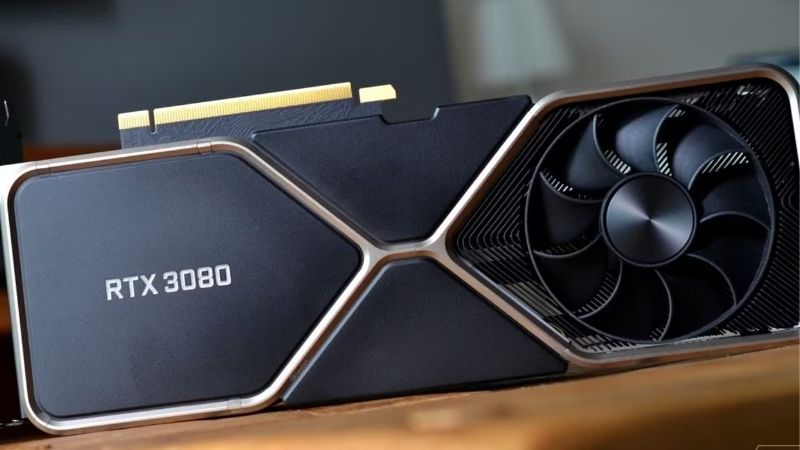
The eBay RTX 3080 Market in 2026: Prices and Patterns
The market has matured into readable patterns. Sold-listing data — the only price data that matters on eBay — puts healthy 10GB RTX 3080s at $250–$330 depending on cooler model and condition, with the rarer 12GB variant commanding $30–$60 more. Everything outside that band is telling you something, and learning to hear it is the core skill of this purchase.
Reading Sold Prices, Not Asking Prices
Active listings skew high because optimistic sellers linger unsold; the filter that reveals truth is “Sold Items,” where actual transactions cluster. Current sold data shows premium-cooler models — ASUS TUF and Strix, MSI Gaming X Trio, EVGA FTW3 — closing at $290–$330, mainstream duals at $250–$290, and blower or mining-batch cards dragging the bottom at $200–$240 for reasons buyers should respect.
Auction versus buy-it-now matters less than timing: auctions ending weekday mornings close 5–10% below identical weekend-evening listings, a small but free discount for the patient bidder.
The Price Bands and What They Mean
Under $200: assume the worst — mining history, repaired boards, missing accessories, or the classic scam categories covered below. The honest exceptions exist but demand forensic-level verification. $250–$330: the fair market, where vetting effort converts directly into value. Above $350: irrational in 2026, since that money approaches a used RTX 4070 with 12GB, frame generation, and possible warranty remainder.
The 12GB 3080 deserves its own note: the wider buffer meaningfully extends the card’s settings lifespan in 2025–2026 titles, and its $30–$60 premium over the 10GB version is among the better-spent dollars in this market.
Variant literacy pays directly here: the 3080 shipped in 10GB and 12GB versions across two die revisions, plus LHR and non-LHR runs that matter to miners but not gamers. Listings that name the exact model — and sellers who answer variant questions fluently — correlate strongly with honest transactions in buyer reports, while listings vague about which 3080 they are selling earn the skepticism they invite.
Why the 3080 Specifically Holds Value
The card’s eBay liquidity rests on real performance: 8,704 Ampere CUDA cores and a 320-bit bus at 760GB/s still deliver 75–100 fps at 1440p high settings in modern AAA titles and 120 fps+ at 1080p, with DLSS upscaling support continuing across new releases. Per dollar at $280, nothing new touches its raw output.
The honest ceiling travels with it: 10GB of VRAM against titles allocating 9–11GB at QHD high textures, no frame generation ever, 320W of heat, and encoders two generations old. Buyers acquire a strong present and a visibly finite future — fine arithmetic at the right price, bad arithmetic above it.
Vetting an eBay Listing: The Professional’s Checklist
eBay’s buyer protections are real but slow, and the better outcome is never needing them. The difference between a bargain and a gamble lives in the listing itself — the seller’s history, the photographs, the description’s specific words — and twenty minutes of structured reading filters out the majority of bad outcomes before a dollar moves.
Seller Signals: Who You Are Actually Buying From
The hierarchy of trust runs: established sellers with 98%+ feedback and GPU-specific sales history at the top, general electronics flippers in the middle, zero-feedback accounts listing flagship GPUs at the bottom — the last category overlapping heavily with hijacked-account scams. Read the feedback details, not the percentage: complaints mentioning “not as described” on computer parts are the disqualifying pattern.
Returns policy is the second signal: sellers accepting 30-day returns are pricing in their own confidence; “no returns” on used silicon shifts the entire risk to you and should shift the price accordingly — or end the conversation.
Listing Forensics: Photos, Words, and What’s Missing
Demand original photos of the actual unit — serial number visible, all fans and the PCIe bracket in frame — and treat stock images or photos with obscured serials as automatic passes. The description’s vocabulary grades itself: “tested under load, never mined, original owner with receipt” reads differently from “worked when removed,” and “sold as-is for parts” means exactly what it says regardless of the optimistic price.
The scam taxonomy is stable and worth memorizing: box-only listings with the card’s price (the word “box” buried mid-description), photos-of-photos, GPU-shaped paperweights in authentic packaging, and listings hijacking sold-out titles. Each one survives only on buyers who skim.
Mining history deserves nuance rather than panic: cards mined at reduced power in clean environments often outlast gaming cards thrashed in dusty cases. The tell is the seller’s transparency — honest miners disclose and price accordingly; the dangerous listing is the one that smells like a farm and claims a bedroom.
The post-purchase checklist completes the vetting: on arrival, photograph everything before installation, run a stress test and a VRAM-specific tool within the first 48 hours, and log temperatures against the model’s known baselines. Problems surfaced inside the return window convert a potential loss into a refund — the entire protection structure only works for buyers who test early rather than trusting late.
Pros and Cons of the eBay Route
Pros: the deepest 3080 selection anywhere, with premium-cooler models surfacing weekly; sold-price transparency makes fair value knowable; auction timing and negotiation can beat every fixed-price channel; eBay Money Back Guarantee provides a real, if slow, safety net; per-frame value at $280 unmatched by any new card.
Cons: zero manufacturer warranty on virtually every unit; vetting burden falls entirely on the buyer, and skipping it is how horror stories start; scam categories specifically target this card’s price tier; thermal refresh ($15 and an hour) is effectively mandatory on five-year-old silicon; dispute resolution takes weeks when things go wrong; the 10GB ceiling means even a perfect transaction buys a card with a visible expiration horizon.
The Safer Alternatives: Renewed, New, and the 2026 Squeeze
The eBay gamble only makes sense priced against its alternatives, and two current market stories move that math: the United States approving Nvidia’s H200 AI chip exports to China, and the sustained rise in laptop and component prices. Both forces are quietly propping up used GPU values — including every 3080 listing you are watching.
Renewed condition grades carry real meaning too — “Excellent” units must meet cosmetic and functional bars that eBay’s free-text descriptions never enforce, and the grading itself filters out the parts-card category entirely.
Amazon Renewed: Paying for the Safety Net
Amazon Renewed listings for the 3080 typically run $30–$60 above comparable eBay sold prices — and the premium buys a 90-day Renewed Guarantee, frictionless returns, and seller vetting that eliminates the scam taxonomy entirely. For buyers who priced their own vetting time honestly, the premium frequently wins; the detective work this review describes is enjoyable to some and a tax on everyone else.
The decision rule: confident hardware buyers who enjoy the hunt extract eBay’s discount; everyone else should check the Renewed listings first and treat the gap as an insurance quote.
H200 Exports and Why Used Prices Won’t Crash
The H200 approval channels massive demand toward Nvidia’s advanced silicon and memory supply, tightening new-GPU availability and drifting street prices above MSRP — the recurring 5–15% pattern within a quarter or two of AI demand surges. Squeezed-out budget buyers flow backward into the used market, and component inflation (memory costs up for consecutive quarters, laptop prices already following) anchors used values to expensive new alternatives.
The visible result: 3080 sold prices flattened in the $250–$330 band instead of continuing their decline. The crash that bargain hunters keep waiting for has been structurally postponed.
The Buying Play: Act on Fair, Skip on Greedy
Strategy follows from structure: set the target at $280 or below for a premium-cooler 10GB unit from a vetted seller, bid weekday auctions, and execute on contact — clean listings at fair prices clear in days. Waiting for sub-$200 honesty is betting against the market’s architecture.
And run the cross-check before every bid: if a vetted eBay unit plus your time and risk lands within $50 of an Amazon Renewed listing with its 90-day guarantee, the safer channel wins. Check the current RTX 3080 prices on Amazon to anchor that comparison before you open the bidding app.
See More:
Conclusion
The rtx 3080 ebay hunt rewards exactly the buyer it was made for: at $250–$330 from a vetted seller, the card delivers unmatched raw frames per dollar for 1440p gaming, and the structured checklist above converts most of the route’s risk into an hour of reading. The gamble’s honest price includes no warranty, mandatory vetting, a thermal refresh, and a 10GB ceiling with a visible horizon — costs that the $30–$60 Amazon Renewed premium erases for buyers who value certainty over the chase. With H200 exports and component inflation holding used values firm, fair listings beat waiting on both channels: tap through to check today’s RTX 3080 prices on Amazon, set your eBay ceiling against them, and let whichever channel clears your number first claim the sale.
Frequently Asked Questions
What is the best rtx 3080 ebay in 2026?
The best rtx 3080 ebay depends on your budget and how you plan to use it. The options compared above are our top-rated picks based on real customer ratings, build quality, and overall value — start with the highest-rated model that fits your budget.
How much should I expect to spend on a rtx 3080 ebay?
Prices vary by brand and features. Budget options cover the essentials, while mid-range and premium models add durability, performance, and extra features. Compare the prices in the list above to find the best value for your needs.
What should I look for when buying a rtx 3080 ebay?
Focus on what matters most for your use case — build quality, compatibility, performance, warranty, and verified customer reviews. Every pick above is selected to balance these factors.
Are budget rtx 3080 ebay options worth it?
Yes. For most people a well-reviewed budget or mid-range rtx 3080 ebay delivers excellent value. You only need to spend more if you specifically require premium materials or top-tier performance.
How did we choose these rtx 3080 ebay picks?
We compare current Amazon ratings, review counts, key features, and price to surface the options with the best real-world value. The list is refreshed as ratings and availability change.
Top picks from this guide
 Amazon RenewedDell Gaming OEM Nvidia GeForce RTX 3080 10GB GDDR6X 320-bit…$390 \xc2\xb7 99/100
 Amazon RenewedNvidia 3080 Founders Edition (Renewed)$440 \xc2\xb7 97/100
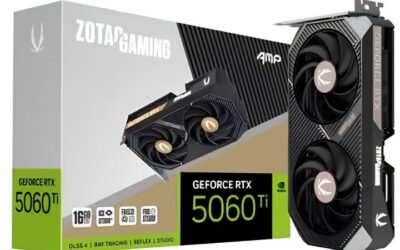
 ZOTACZOTAC GAMING GeForce RTX 3080 Trinity OC 10GB GDDR6X 320-bit…$405 \xc2\xb7 95/100
 Amazon RenewedASUS TUF Gaming NVIDIA GeForce RTX 3080 V2 OC Edition…$430 \xc2\xb7 94/100


Write Your Review
No reviews yet. Be the first to share your experience!