
- Top Pick: Cooler Master Q300L V1 Micro-ATX PC Case, High Airflow, Transparent Panel
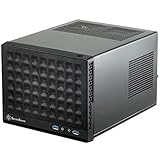
- Best Value: SilverStone Technology Ultra Compact Mini-ITX Computer Case with Mesh Front Panel Black (SST-SG13B-USA)
- Premium Choice: Aluminum Mini ITX Case with PCIe 3.0 Riser, JOYJOM Mini PC Case, SFF Small Form Factor PC Case, TX Computer Gaming Case Supports GPU Graphics Card (Black)
Best mini ITX computer case shopping is an exercise in constraints, because every litre you remove takes something away: graphics card length, cooler height, power supply format or drive space. This guide ranks six cases by volume and explains exactly what each one costs you.
As an Amazon Associate we earn from qualifying purchases at no extra cost to you. Product prices and availability are accurate as of the date shown and are subject to change.



As an Amazon Associate we earn from qualifying purchases at no extra cost to you. Product prices and availability are accurate as of the date shown and are subject to change.
By Ryan Cole
How to Choose the Best Mini ITX Computer Case
Small form factor building is decided by four measurements, and getting any one of them wrong means returning parts. Check all four against your intended components before settling on the best mini ITX computer case for your build.
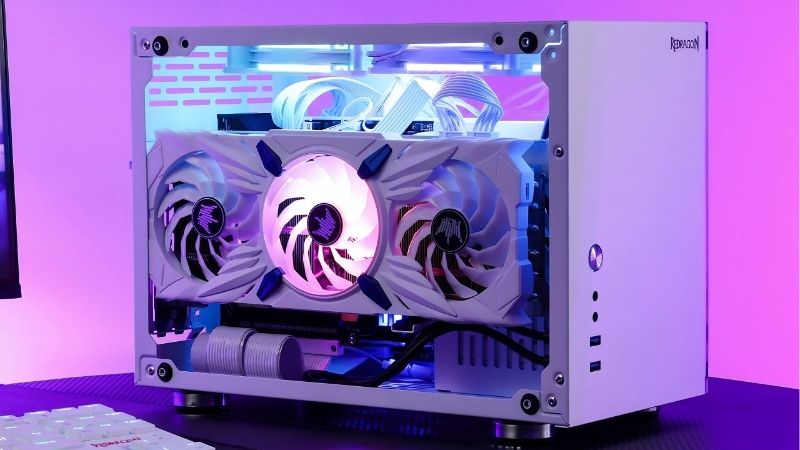
Graphics Card Length and Thickness
Card length is the specification most often quoted, and thickness is the one that catches people out after the parts arrive. Modern three-slot cards are physically too thick for several popular small cases regardless of how short they happen to be.
Check both figures against the case specification, and remember that a card listed as 2.5 slots frequently measures wider than that once the backplate is counted. Sandwich-layout cases are particularly sensitive to thickness rather than length.
CPU Cooler Height Is the Second Constraint
Cases under about 15 litres typically cap cooler height somewhere between 55mm and 70mm, which rules out every tower cooler and a good number of low-profile units as well. That pushes you toward a genuinely slim cooler or a 240mm AIO.
Larger ITX cases around 20 litres often accept a 150mm tower, which opens up far better air cooling options. Decide which cooling route you want before choosing the case, not afterwards.
Power Supply Format Changes the Budget
Compact cases frequently require SFX or SFX-L power supplies rather than standard ATX units. Those cost noticeably more for the same wattage, and the difference belongs in your budget from the start.
SFX units are also physically shorter, which improves cable routing in a tight build considerably. Check whether the case takes SFX, SFX-L or full ATX, since the three are not interchangeable and the mounting brackets differ.
Airflow Design Versus Sandwich Layout
Sandwich cases put the motherboard and graphics card back to back joined by a riser cable, which is how they achieve the smallest volumes. They also give each component its own dedicated intake, which works well when mesh panels are fitted on both sides.
Traditional layouts are easier to build in and far more tolerant of thick graphics cards. If this is a first small form factor build, the extra couple of litres buys a considerably less frustrating assembly and more component options.
What the 2026 Market Means for Small Builds
Three market conditions affect small form factor builds specifically, and two of them argue against squeezing into the smallest possible mini ITX computer case this year.
Cases and Fans Still See Real Discounts
Memory and pre-built systems will not fall meaningfully this November, because that stock uses components bought at this year’s elevated contract prices. Cases, coolers, fans and power supplies remain a different category.
That makes a seasonal sale a reasonable moment to buy the case, the SFX power supply and any replacement fans together. The savings are modest, so do not delay a build that needs the parts now.
Graphics Card Pricing Argues for Flexibility
With GPU supply constrained and prices elevated, you may not get the exact card you planned. A case that only accepts a two-slot card of a specific length narrows your options considerably in a tight market.
Choosing a case with a little more clearance than you strictly need is cheap insurance in this market. It costs a litre or two of volume and keeps far more graphics cards on the table if your first choice turns out to be unavailable or overpriced.
Cooling Upgrades Matter More in Small Volumes
Small cases run hotter by definition, so fresh thermal compound, good fans and correct airflow direction produce larger gains here than in a mid tower. Those upgrades remain cheap relative to everything else.
Budget for good fans from the start rather than using whatever ships in the box with the case. In a 15 litre enclosure the difference between adequate and good fans is measurable in sustained clock speeds under load.
Top Picks: Best Mini ITX Computer Case by Volume
These run from compact sandwich designs up to larger enclosures that accept tower coolers, so the best mini ITX computer case for you depends on which constraints you can live with. Check card length and thickness, cooler height and power supply format against your parts list first.
| Case | Volume | Layout | PSU Format | Cooler Height |
|---|---|---|---|---|
| Lian Li Q58 | About 14.3L | Sandwich | SFX / SFX-L | Up to 67mm |
| Fractal Design Terra | About 10.4L | Sandwich | SFX / SFX-L | Up to 77mm |
| Cooler Master NR200P V2 | About 18.3L | Traditional | SFX / ATX | Up to 153mm |
| SSUPD Meshlicious | About 14.9L | Sandwich | SFX / ATX | Up to 73mm |
| Fractal Design Ridge | About 13.4L | Sandwich | SFX / SFX-L | Up to 70mm |
| Lian Li A4-H2O | About 11L | Sandwich | SFX / SFX-L | 240mm AIO |
Lian Li Q58
The Q58 is the most balanced sandwich case on this list, accepting long graphics cards and a 240mm radiator while staying at around 14 litres. The mesh panel versions handle thermals well for that volume.
Cooler height is capped at roughly 67mm, so a tower is out and either a slim low-profile unit or an AIO is required. Building in it takes patience, and the riser cable adds an assembly step that mid tower builders never have to think about.
Fractal Design Terra
The Terra is the design piece of the category, with a walnut or aluminium front and an adjustable internal spine that lets you trade space between the graphics card and the cooler.
At around 10 litres it is genuinely tight to work in. Card thickness is the main limitation, since thick three-slot models simply will not fit, and the enclosed design means thermals depend on careful fan selection rather than raw airflow.
Cooler Master NR200P V2
At roughly 18 litres this is the easiest small form factor case to build in, and it accepts a 153mm tower cooler, which puts proper air cooling back on the table. It also takes a standard ATX power supply.
Those extra litres are the trade you are making. It is noticeably larger than the sandwich designs and looks more like a shrunken mid tower than a compact statement piece, which for a first small form factor build is a very reasonable price to pay.
SSUPD Meshlicious
Mesh on every panel makes the Meshlicious the airflow choice within the sandwich category, and it accepts either an SFX or a full ATX power supply, which saves real money on a build where every other part costs more.
The mesh look is functional rather than refined, and the full ATX power supply option eats into the space available for cooling. Cable management is tight throughout, so plan the routing before you start assembling anything.
Fractal Design Ridge
The Ridge is designed to sit horizontally like a games console, which suits a living room setup far better than a vertical tower does. It accepts long graphics cards despite its modest 13 litre volume.
Cooler height caps around 70mm, so air cooling means a slim low-profile unit. The horizontal orientation also limits AIO placement options, which narrows the cooling choices further than the volume alone suggests.
Lian Li A4-H2O
At around 11 litres the A4-H2O is built specifically around a 240mm AIO, which is how it cools a full-size graphics card and a capable processor in that volume.
It is an AIO-only case in practice, so the pump becomes a single point of failure in a machine that is genuinely difficult to work on afterwards. Building in it is the most demanding job on this list, and cable management is genuinely hard rather than merely fiddly.
Frequently Asked Questions
These questions come up whenever someone plans a first small form factor build and starts comparing the best mini ITX computer case options by volume.
How small can the best mini ITX computer case realistically go?
Around 10 litres with a full-size graphics card, provided the card is not a thick three-slot model and you use an AIO or a slim low-profile cooler. Below that you are into custom hardware and significant compromises.
Do I need an SFX power supply?
For most cases under about 15 litres, yes. SFX units cost more than ATX equivalents at the same wattage, so budget for that from the start. Larger ITX cases around 18 litres often accept standard ATX units.
Will a big graphics card fit an ITX case?
Length is usually manageable and thickness is the real limit. Many popular ITX cases cap at 2.5 or 3 slots, and current high-end cards frequently exceed that. Check both measurements against the case specification.
Are small cases much hotter?
Somewhat, though good mesh designs narrow the gap considerably. What matters more is fan quality and correct airflow direction, since a small volume gives you far less margin for a poor layout than a mid tower does.
See More:
- Who makes the best motherboard
- Best budget AM5 CPU for gaming
- What is the best thermal paste pattern
- Best desktop RAM for gaming
Final Thoughts
The best mini ITX computer case is whichever one clears your graphics card thickness, your cooler height and your power supply format with a little room spare. The NR200P V2 is the sensible first small build, the Q58 balances size against buildability, and the Terra and A4-H2O are for people who genuinely want the smallest possible machine and accept the assembly difficulty. Measure every one of your parts carefully before choosing a design you like the look of. Figures reflect August 2026 and should be verified before purchase.

Write Your Review
No reviews yet. Be the first to share your experience!