
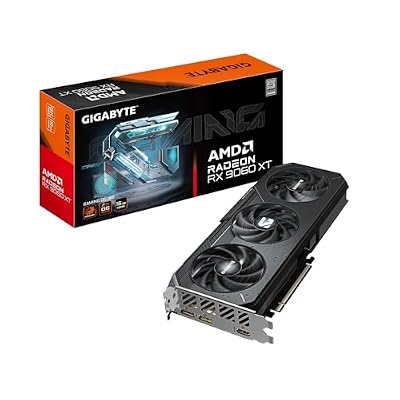
- Top Pick: GIGABYTE Radeon RX 9060 XT Gaming OC 8G Graphics Card, PCIe 5.0, 8GB GDDR6, GV-R9060XTGAMING OC-8GD Video Card
- Best Value: ASRock Radeon RX 9060 XT Challenger 16GB OC, RDNA 4, 3290MHz Boost, 16GB GDDR6 128-bit, PCIe 5.0, Dual Fans, 0dB Silent, LED Indicator, DisplayPort 2.1a, HDMI 2.1b
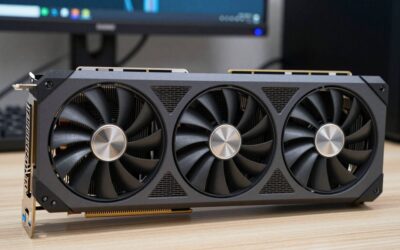
- Premium Choice: XFX Swift AMD Radeon RX 9060 XT OC Triple Fan Gaming Edition with 16GB GDDR6 HDMI 2xDP, RDNA 4 RX-96TS316B7, Graphics Card, Compatible with Desktop PCs

Prime
Editor's Pick
ASUS Dual Radeon RX 9060 XT 16GB GDDR6 Graphics Card, AMD, for Desktop (PCIe 5.0, HDMI 2.1b, DisplayPort 2.1a, 2.5-Slot, Axial-tech Fan, 0dB Technology, and More)

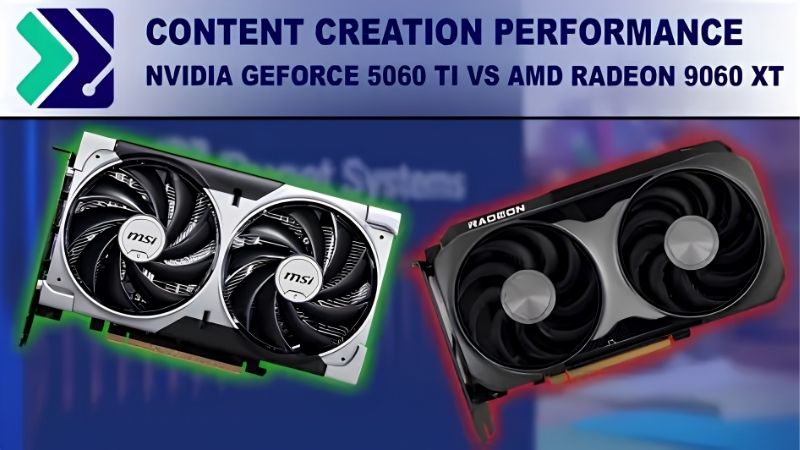
AMD 9060 XT vs 5060 Ti is the budget-builder showdown of 2026, aimed squarely at anyone putting together an affordable 1080p or 1440p gaming PC. Both cards are efficient, both offer 16GB versions, and both target the exact price bracket where every dollar counts. This side-by-side compares real frame rates, the critical 8GB-versus-16GB choice, power draw, upscaling and pricing, so you can pick the smarter card fast without watching a stack of videos. Everything here is aimed at a budget builder who wants a card that lasts, not just one that looks cheap on the shelf today, because the right choice now saves an early upgrade later.
The Quick Verdict and Full Spec Sheet
For a budget build, value and VRAM matter more than bragging rights, so this section gives you the fast answer, a clear spec table, and the one buying decision that trips up most newcomers: which memory version to get. Get that single choice right and either card will serve you well; get it wrong and even the faster GPU can feel dated within a year, so it is worth understanding before you spend.
As an Amazon Associate we earn from qualifying purchases at no extra cost to you.





Quick Verdict: Who Wins the 9060 XT vs 5060 Ti Fight
The short version: the RTX 5060 Ti is usually a little faster and adds DLSS 4 with Multi Frame Generation plus stronger ray tracing, while the RX 9060 XT undercuts it on price and runs efficiently.
For most budget gamers chasing the best frames per dollar, the 9060 XT is the value pick. For those who want the smoothest upscaling and better ray tracing, the 5060 Ti is worth the small premium. Both cards are aimed at the same shopper, someone building a capable machine on a sensible budget, so the gap between them is small enough that the current price and the memory version you pick will usually matter more than the brand itself.
Whatever you choose, one rule beats every other detail: for 1440p and future-proofing, buy the 16GB version, not the 8GB one. That decision matters more than the badge on the box. The 8GB models look tempting because they are cheaper, but modern games increasingly allocate more than that at 1440p, and once you run out of memory even the smoothest GPU will stutter. Spending a little more on the 16GB model is the best value decision a budget builder can make this year.
Full Comparison Table: Specs Side by Side
Here are the core specifications for the 16GB versions, which are the ones most buyers should consider. These numbers decide performance, efficiency and how easily each card fits a modest system.
| Spec | RX 9060 XT (16GB) | RTX 5060 Ti (16GB) |
|---|---|---|
| Architecture | AMD RDNA 4 | Nvidia Blackwell |
| Cores | 2,048 stream processors (32 CUs) | 4,608 CUDA cores |
| VRAM | 8GB or 16GB GDDR6 | 8GB or 16GB GDDR7 |
| Memory bus | 128-bit | 128-bit |
| Board power | ~160W | ~180W |
| Recommended PSU | 550W | 600W |
| Launch MSRP (16GB) | 349 | 429 |
| Upscaling | FSR 4 | DLSS 4 + Multi Frame Gen |
Both cards share a 128-bit bus and low power needs, making either an easy fit for a small or budget system. The split is familiar: AMD leads on price and efficiency, Nvidia leads on features and a little extra speed. Because both draw so little power, you can often pair them with a modest CPU and a mainstream power supply without upgrading anything else, which keeps the total cost of the build down, exactly what matters most in this segment.
How 2026 Prices Affect Budget GPU Value
On a budget, price swings hit hardest, and 2026 has been volatile. Component and laptop prices have kept trending upward, so the real gap between these two cards can widen or shrink depending on current deals.
There is cautious good news: the steep climbs of late 2025 have eased, and some makers such as Framework report a period of relative stability, though they still warn the situation can shift. At the budget end, even a small price move changes the math noticeably, so tracking both cards for a short while before you buy is one of the easiest ways to stretch a tight budget further.
Real relief is further out, however. New memory supply from suppliers like CXMT and Micron’s upcoming Idaho fabs will not arrive until roughly 2027 to 2028. For a budget buyer that means you should grab a good deal when you see it, and always compare the live price of both cards, since a sale can flip which one is the better buy. If you are assembling a full system, remember that GPU prices are only part of the picture, as memory and storage have climbed too, so locking in a card while it is discounted frees up budget for the rest of the parts you still need.
Deep Dive Face-Off: Performance, VRAM and Power
This is where the 9060 XT vs 5060 Ti battle is decided for real builders: frame rates at 1080p and 1440p, the memory choice that shapes longevity, and the power and efficiency that make these cards so easy to slot into affordable systems.
1080p and 1440p Gaming Performance Analysis
At 1080p, both cards are excellent, easily driving high-refresh gameplay in the vast majority of titles, with the 5060 Ti holding a small lead thanks to its higher CUDA count. For the high-refresh esports titles that dominate budget gaming, both cards produce frame rates well beyond what most 1080p monitors can even display, so the practical difference at this resolution is small.
At 1440p, both remain very capable with sensible settings, and this is exactly where the 16GB versions earn their keep by avoiding the texture-related stutter that hits smaller buffers.
Practical takeaway: for a 1080p 144Hz build, either card is a great match. For a 1440p build, both work well as long as you choose the 16GB model and tune the most demanding titles. Esports players will find both cards produce very high frame rates that keep fast monitors fed, while single-player fans can lean on quality settings and upscaling to enjoy modern titles without dropping to low presets.
8GB vs 16GB VRAM: The Choice That Matters Most
This is the single most important decision in the whole comparison. Both cards come in 8GB and 16GB versions, and the 8GB models are increasingly squeezed by modern games at 1440p and even some 1080p titles.
When a game exceeds available VRAM, the result is stutter and sudden frame drops rather than a gentle slowdown, so the 16GB versions age far better for only a modest price increase.
Upscaling helps here too: DLSS 4 on the 5060 Ti and FSR 4 on the 9060 XT both reclaim performance, but they cannot fully rescue an 8GB card that has simply run out of memory. Buy 16GB and this problem disappears. Think of the 16GB buffer as cheap insurance: the extra cost is small next to the price of the whole card, but it protects you from the one problem that most often makes a budget GPU feel outdated before its time.
Power Draw, Efficiency and Real-World Build Fit
Both cards sip power by modern standards. The 9060 XT sits around 160W and the 5060 Ti around 180W, so a quality 550W to 600W PSU handles either comfortably.
That efficiency makes both ideal for small-form-factor and budget builds, where they run cool and quiet without demanding a big power supply upgrade.
Before buying, still check your PSU connectors and case clearance, since even compact cards vary in length. For most budget systems, though, either card drops in with room to spare. Their efficiency also means less heat and quieter fans, which is a real quality-of-life benefit in a small case or a room where the PC sits close to where you work or sleep.
Value, Alternatives and the Final Call
On a budget, value is everything, so this final section weighs the pros and cons, suggests alternatives above and below this class, and gives a clear recommendation for the 9060 XT vs 5060 Ti decision. The goal is a card that fits your budget today and still runs modern games smoothly in a couple of years, which is exactly what a good budget pick should deliver.
Pros and Cons of the 9060 XT vs 5060 Ti
The honest balance sheet for both 16GB cards, based on specifications and real-world behavior rather than marketing.
| RX 9060 XT | RTX 5060 Ti |
|---|---|
| Pros: Lower price; very efficient; best frames per dollar; 16GB option; easy PSU requirements. | Pros: A bit faster; DLSS 4 Multi Frame Gen; better ray tracing; strong NVENC for streaming; 16GB option. |
| Cons: Weaker ray tracing; FSR 4 slightly behind DLSS in some games. | Cons: Higher price; a little more power; smaller value margin. |
For a pure value build the 9060 XT is compelling; for features and a touch more performance the 5060 Ti justifies its premium. Neither card is a wrong answer at this price, so let your priorities, saving money versus gaining features, point you to the right one rather than agonizing over small benchmark differences.
The Alternative: Spend a Little More or a Little Less
If your budget stretches, stepping up to an RX 9070 or RTX 5070 buys noticeably more 1440p headroom and can be worth it if you plan to keep the card for years. That extra headroom pays off most for players who upgrade infrequently, since a slightly stronger card today can delay your next purchase and lower the true long-term cost of your build.
If money is tighter, a good used RTX 4060 Ti or RX 7600 XT can deliver a solid 1080p experience for less, though you give up the newest features and efficiency.
As always, compare live prices across these options before checkout, because a temporary sale often makes the smarter card the cheaper one. A single well-timed discount in this segment can be worth skipping a tier up or down, so a little patience genuinely pays off when budgets are tight.
Final Verdict: Who Should Buy Which GPU
Buy the RX 9060 XT (16GB) if your priority is the best value, low power and strong 1080p or 1440p gaming without paying for extras you may not use.
Buy the RTX 5060 Ti (16GB) if you want the smoothest DLSS 4 upscaling, better ray tracing and streaming features, and you are happy to pay a small premium for them.
Either way, choose the 16GB version, and let the current price decide when the two cards are otherwise close. Whichever badge you prefer, the 16GB choice is the one you will thank yourself for two years from now, long after the price difference is forgotten.
See More:
Conclusion
The 9060 XT vs 5060 Ti battle is a classic budget trade-off: the RX 9060 XT wins on price and efficiency, while the RTX 5060 Ti wins on features and a little extra speed, and both are excellent starting points for an affordable gaming PC. The most important takeaway is simple, buy the 16GB version of whichever you choose so the card stays smooth for years. With 2026 prices still elevated and moving weekly, compare the latest live price for both the 9060 XT and the 5060 Ti through the links on this page, and grab the better deal while it lasts. A budget build rewards smart timing more than any other, so watch the price, choose the 16GB model, and buy when either card dips, and you will have a machine that plays modern games well for years without overspending.
Frequently Asked Questions
Should I buy the 8GB or 16GB version?
Both cards ship in 8GB and 16GB variants with otherwise identical GPUs, and the 16GB models are the ones worth buying if you intend to keep the card for several years. At 1440p with high textures or any ray tracing, 8GB runs out and produces frame time stutter that no settings tweak fully hides.
Which card wins on raw performance?
They are closely matched in raster at 1080p and 1440p, with results swinging by title and driver maturity. The RX 9060 XT uses 32 RDNA 4 compute units on a 128-bit bus, and the RTX 5060 Ti pairs 4608 CUDA cores with faster GDDR7 on the same bus width. Expect single digit percentage differences.
How do the ray tracing results compare?
NVIDIA still leads, but RDNA 4 narrowed the gap enough that lighter ray tracing implementations are playable on both. In heavy path traced titles neither card in this class delivers a good experience without aggressive upscaling, so ray tracing performance should not be the deciding factor at this price point.
What are the power and PSU requirements?
Both sit in the 145 to 180 watt range depending on model and memory configuration, using a single 8-pin connector on most designs. A quality 550 watt supply is sufficient for either with a mainstream CPU. Both are good candidates for compact builds thanks to modest length and dual fan coolers.
Which offers better software features?
NVIDIA gives you DLSS 4 with multi frame generation, broader game support, and CUDA for creative and AI workloads. AMD counters with FSR 4, driver-level Fluid Motion Frames that works in many titles without developer support, and usually a lower price. Choose based on which ecosystem your actual games and applications use.

Write Your Review
No reviews yet. Be the first to share your experience!