
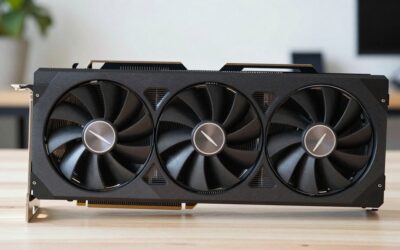
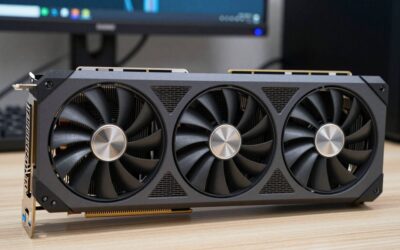
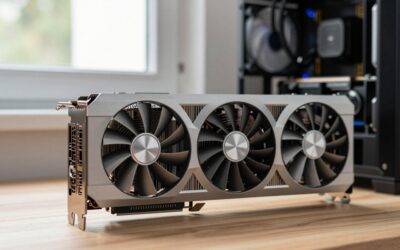
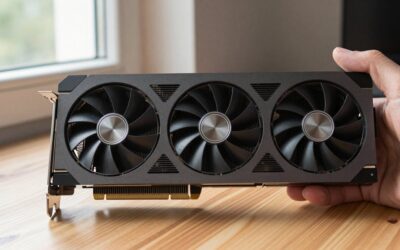
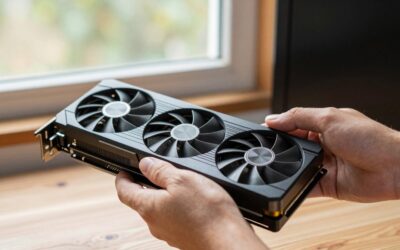
- Top Pick: NVDIA GeForce RTX 3070 8GB GDDR6 PCI Express 4.0 Graphics Card – Dark Platinum and Black (Renewed)
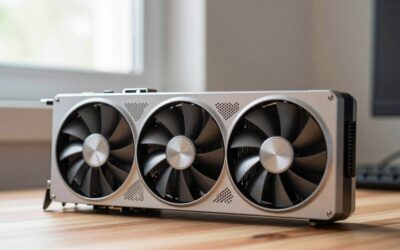
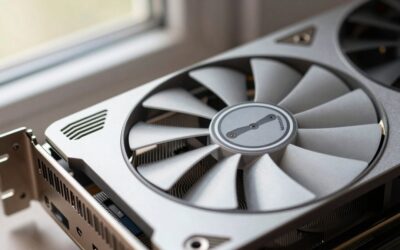
- Best Value: EVGA GeForce RTX 3070 XC3 Ultra Gaming, 08G-P5-3755-KL, 8GB GDDR6, iCX3 Cooling, ARGB LED, Metal Backplate, LHR (Renewed)
- Premium Choice: NVIDIA GeForce RTX 3070 8GB GDDR6 PCI Express 4.0 Graphics Card – Dark Platinum and Black


RTX 5060 vs RTX 3070 pits Nvidia’s newest budget card against one of its most popular older champions, and the result is closer than the price tags suggest. The RTX 5060 brings modern efficiency, DLSS 4 and Multi Frame Generation, while the used RTX 3070 still packs more raw cores and a wider memory bus. If you are upgrading an older rig or building fresh on a tight budget in 2026, this side-by-side breaks down real 1080p and 1440p performance, VRAM, power and value so you can decide quickly without trawling through long videos. The goal is to tell you not just which card is faster, but which one is the smarter purchase for the way you actually play and the system you already own.
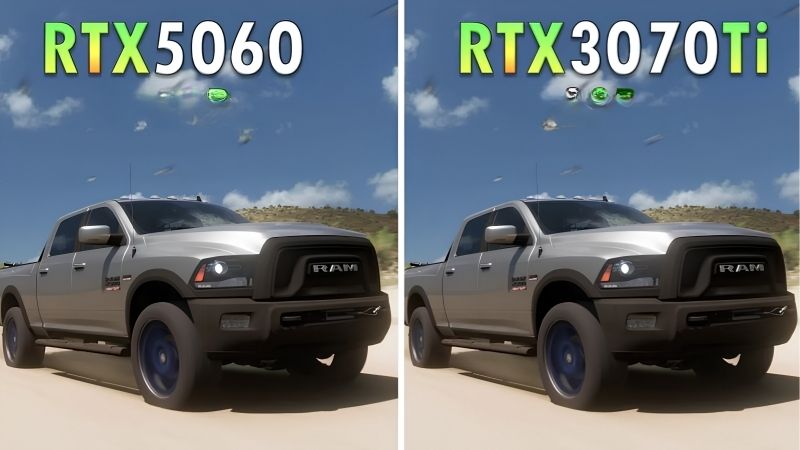
The Quick Verdict and Full Spec Sheet
Both cards land in the affordable tier, but they arrive from opposite directions: one is new and efficient, the other older but muscular. Here is the fast answer, a clear spec table, and the 2026 pricing reality that shapes which one is actually the better value today, because on a matchup this close the current price matters as much as the raw hardware.
As an Amazon Associate we earn from qualifying purchases at no extra cost to you.



Quick Verdict: Who Wins the RTX 5060 vs RTX 3070 Fight
The short answer is that the RTX 5060 is the smarter buy for most people in 2026. It is newer, far more power-efficient, and it unlocks DLSS 4 with Multi Frame Generation, which the older 3070 cannot use, and that feature gap grows more valuable with every new game release.
The RTX 3070 fights back with more CUDA cores and a wider 256-bit memory bus, which can give it an edge in pure rasterized performance in some titles, especially at 1440p where memory bandwidth matters most. That older card was a genuine high-end product in its day, so it is no surprise it can still trade blows with a newer, more affordable one built to a tighter power budget.
So the verdict comes down to old muscle versus new technology. Choose the 5060 for efficiency, features and a warranty; choose a used 3070 only if you find one genuinely cheap and value raw raster over the latest software. Put simply, the 5060 is the low-risk default that will feel modern for years, while the 3070 is a situational bargain that rewards patient shoppers who know how to vet a used card.
Full Comparison Table: Specs Side by Side
The specs tell the story of two very different design eras aimed at a similar budget. Focus on the memory bus, VRAM and power figures, because they explain most of the real-world behavior described in the sections below.
| Spec | RTX 5060 | RTX 3070 |
|---|---|---|
| Architecture | Nvidia Blackwell | Nvidia Ampere |
| Cores | 3,840 CUDA cores | 5,888 CUDA cores |
| VRAM | 8GB GDDR7 | 8GB GDDR6 |
| Memory bus | 128-bit | 256-bit |
| Board power | ~145W | 220W |
| Recommended PSU | 550W | 650W |
| Availability | New | Used only |
| Upscaling | DLSS 4 + Multi Frame Gen | DLSS (no frame gen) |
The 3070 has more cores and bandwidth, while the 5060 has efficiency and the newest software. Both share an 8GB buffer, which is the quiet limitation that ties these two cards together and caps their 1440p ambitions. In practice this means both are best understood as excellent 1080p cards that can stretch to 1440p with tuned settings, rather than no-compromise 1440p machines, so set your expectations by that shared ceiling rather than by the generation on the box.
How 2026 Prices Shape This Matchup
Pricing shapes this matchup more than usual because one card is new and one is used. Component and laptop prices have kept trending upward through 2026, and that pressure lifts used-GPU prices too, so a 3070 is not always the bargain it once was on the second-hand market.
There is cautious good news: prices stopped climbing as steeply as they did in late 2025, and some makers such as Framework have reported a stretch of relative stability, while still warning that the swings are not over.
Real relief is far off, though. New memory supply from Chinese suppliers like CXMT and Micron’s two upcoming Idaho fabs will not arrive until roughly 2027 to 2028. For you, that means comparing the live price of a new 5060 against used 3070 listings on the day you buy, because the gap moves week to week and often decides the winner outright. A sensible tactic is to note the new 5060’s typical street price, then only pull the trigger on a used 3070 when its listing sits clearly below that figure, since paying near-new money for an older, hotter card rarely makes sense.
Deep Dive Face-Off: Performance, VRAM and Power
This is where the RTX 5060 vs RTX 3070 battle is settled: how they perform at the resolutions budget gamers actually use, how their shared 8GB and differing features hold up, and the power and fit that separate a new efficient card from an older power-hungry one. Each of these areas nudges the decision one way or the other, and together they explain why two cards with similar raw performance can feel very different to own.
1080p and 1440p Gaming Performance Analysis
At 1080p, both cards are strong and deliver smooth high-refresh gameplay in the vast majority of titles, with the 5060 often matching or slightly trailing the 3070 in raw frames while pulling far less power from the wall. That efficiency is not just a spec-sheet win: it translates into lower temperatures, quieter fans and a smaller electricity bill over the years you own the card.
At 1440p, the 3070’s wider 256-bit bus and higher core count can give it a small edge in demanding rasterized games, though the margin is frequently modest and varies noticeably from title to title.
Practical takeaway: for pure rasterized performance the two are surprisingly close, so the decision rarely comes down to raw frames alone. It comes down to features, efficiency and the price you can find on the day. For the fast-paced esports titles that fill most budget libraries, both cards push frame rates well above what a typical 1080p monitor can display, so the real separation shows up in efficiency, heat and the software each card can run.
8GB VRAM, DLSS 4 and Feature Gap
Both cards carry 8GB of VRAM, which is increasingly the ceiling at 1440p in modern titles with high-resolution textures, so neither is a long-term 1440p powerhouse and both benefit from sensible in-game settings.
Where the 5060 pulls decisively ahead is DLSS 4 with Multi Frame Generation, an AI-driven feature that inserts extra frames for much smoother motion and keeps improving through driver updates over the card’s life.
The 3070 supports DLSS but not the newest frame-generation features, so it reclaims some performance through upscaling but misses the biggest modern smoothness gains. For anyone who values future software support, the 5060 is clearly the forward-looking pick. Because DLSS keeps gaining features and per-game support over time, the 5060 tends to get relatively better as it ages, while the 3070 stays frozen at the feature set it shipped with, a gap that only widens with each new title.
Power Draw, Efficiency and Real-World Build Fit
Efficiency is a landslide win for the 5060. It draws around 145W and is happy on a modest 550W PSU, making it an effortless drop-in for almost any system, including small cases and prebuilt machines with limited power headroom.
The 3070 pulls a heftier 220W and wants a 650W supply, runs hotter, and as a used card may arrive with worn thermal pads or dust that need attention before it performs at its best.
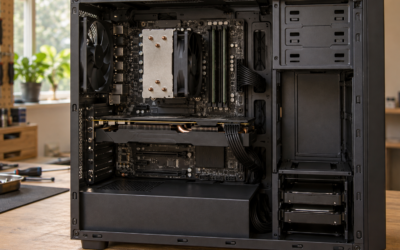
Before buying, check your PSU wattage and case clearance. With the 5060 this is rarely an issue, while a used 3070 deserves the extra scrutiny that any second-hand, power-hungry card warrants. The lower draw of the 5060 also means less heat dumped into your case and a quieter system overall, which is a genuine day-to-day comfort in a small room or a compact build where the fans sit close to you.
Value, Alternatives and the Final Call
Value seals the decision, so here are the pros and cons, alternatives if neither card fits, and a clear recommendation for each type of buyer weighing the RTX 5060 vs RTX 3070 choice.
Pros and Cons of the RTX 5060 vs RTX 3070
The honest balance sheet, based on specifications and how each card behaves inside a real budget system rather than on paper alone.
| RTX 5060 | RTX 3070 |
|---|---|
| Pros: Very efficient; DLSS 4 Multi Frame Gen; new with warranty; cool and quiet; easy PSU needs. | Pros: More CUDA cores; wider 256-bit bus; strong raster; often cheap on the used market. |
| Cons: Only 8GB VRAM; 128-bit bus; modest raw uplift over the 3070. | Cons: No latest DLSS features; higher power and heat; used-market risk; older architecture. |
If you want the newest features and a worry-free purchase, the 5060 wins; if you chase raw rasterized value and can vet a used card, the 3070 remains tempting at the right price. Be honest with yourself about whether you enjoy checking and troubleshooting used hardware, because that willingness, as much as the price, is what separates a buyer who should chase a 3070 from one who is better served by the new card.
The Alternative: If Neither Card Fits
If you can stretch a little, the RTX 5060 Ti 16GB or RX 9060 XT 16GB add a bigger VRAM buffer and more 1440p headroom, which is the upgrade most likely to matter over the next few years of increasingly demanding games. If you can find the extra budget, spending it on VRAM rather than a marginal bump in raw speed is usually the wiser long-term move, since memory is the resource modern titles run out of first.
If your budget is very tight, a used RTX 3060 12GB offers more memory for less money, though with lower raw performance than either card in this matchup.
Whatever you shortlist, compare live prices before checkout, because in a volatile market a timely discount can easily make the better card the cheaper one.
Final Verdict: Who Should Buy Which GPU
Buy the RTX 5060 if you want a new, efficient card with DLSS 4, a warranty and the smoothest modern features, and you mainly play at 1080p or lightly tuned 1440p.
Buy a used RTX 3070 only if you find one at a genuinely low price, prioritize raw rasterized frames, and are comfortable inspecting a second-hand card before you trust it in your build.
For most buyers in 2026, the newer card’s efficiency and ongoing software support make it the safer, smarter long-term choice. It asks less of your power supply, runs cooler in any case, and keeps gaining value from Nvidia’s software over time, which is exactly the profile a budget buyer wants from a card meant to last several years.
See More:
Conclusion
The RTX 5060 vs RTX 3070 decision is really a question of new technology versus old muscle, and in 2026 the newer card usually wins on efficiency, DLSS 4 and peace of mind, while the used 3070 stays appealing only when its price drops low enough to reward its raw rasterized strength. Both share an 8GB buffer, so neither is a 1440p marvel, and your monitor and games should guide the final call. Because prices for new and used cards shift weekly, compare the latest live price of the RTX 5060 against current RTX 3070 listings through the links on this page before you buy, and let today’s deal settle it.
Frequently Asked Questions
Is a new RTX 5060 better than a used RTX 3070?
Raw raster performance between the two is close enough that price decides it. The 3070 has more shader throughput, while the 5060 has a newer architecture, faster GDDR7 memory and much better efficiency. Both carry 8GB, so neither escapes the frame buffer limitation that defines this bracket.
Which one has the better feature set?
The 5060, comfortably. It supports DLSS 4 multi frame generation and the newest neural rendering features, whereas Ampere cards are limited to upscaling plus the driver-level Smooth Motion option. If frame generation appeals to you, that gap is the single strongest argument for buying new.
How different is power consumption?
Substantially. The 3070 is rated around 220 watts and spikes higher, needing a solid 650 watt supply and good case airflow. The 5060 sits near 145 watts on a single 8-pin connector and runs happily on a 550 watt unit. Over years of use that difference shows up in noise, heat and electricity cost.
What are the risks of buying the 3070 second hand?
No warranty, unknown mining or heavy gaming hours, degraded thermal paste and pads, and possible fan wear. Ask for stress test screenshots showing sustained temperatures, confirm all display outputs work, and only pay a price that leaves room to repaste or replace fans without regretting the purchase.
Which should I buy for 1440p gaming?
Neither is a maxed-out 1440p card because of the 8GB buffer. If the used 3070 is significantly cheaper and you accept the risk, it delivers similar frames today. If you want warranty coverage, lower power draw and access to newer features that will keep extending playable settings, the 5060 is the safer pick.


Write Your Review
No reviews yet. Be the first to share your experience!