
- Top Pick: ASUS Prime GeForce RTX 5060 Ti 16GB GDDR7 Gaming Graphics Card
- Best Value: ASUS Dual GeForce RTX 5060 Ti 16GB GDDR7 OC Edition Gaming Graphics Card
- Premium Choice: GIGABYTE GeForce RTX 5060 Ti WINDFORCE OC 8G Graphics Card, 8GB 128-bit GDDR7, PCIe 5.0, WINDFORCE Cooling System, GV-N506TWF2OC-8GD Video Card
Top Rtx 3080 5060 Old Flagship Picks for 2026
Here are our current top rtx 3080 5060 old flagship picks, compared on real Amazon owner reviews, price, and features. Live prices update below.
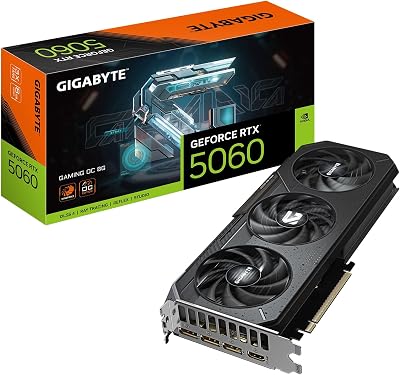


RTX 3080 vs 5060 Ti is a fascinating clash of eras: a 2020 Ampere flagship with brute-force raw power against a modern Blackwell mid-range card built for efficiency and the latest features. The 3080 packs far more cores and a much wider memory bus, while the 5060 Ti counters with DLSS 4 Multi Frame Generation, a 16GB option, and dramatically lower power draw. Deciding between them means weighing old raw muscle against new architecture and features, and the best answer depends on whether you value native frames or the newest AI-driven smoothness.
As an Amazon Associate we earn from qualifying purchases at no extra cost to you. Product prices and availability are accurate as of the date shown and are subject to change.




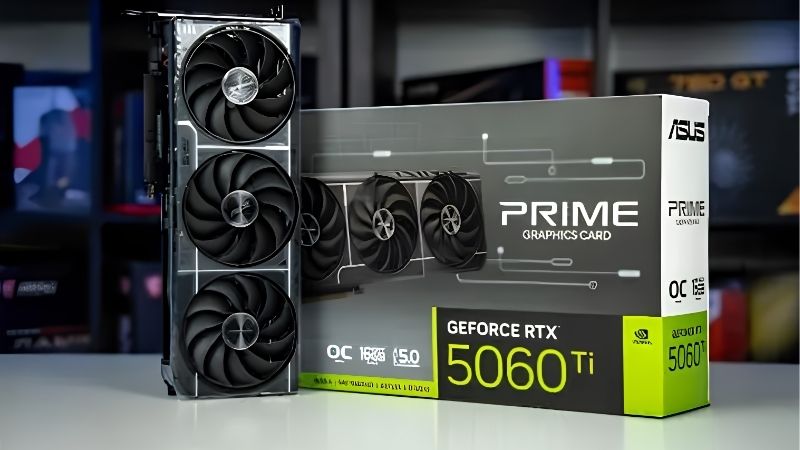
Quick Verdict and Specifications
Here is the quick read on this old-versus-new matchup, backed immediately by the spec sheet that explains the tension between the two cards.
The Bottom Line Up Front
The RTX 3080 generally wins on raw rasterized performance thanks to its much larger core count and wider bus. The RTX 5060 Ti wins on efficiency, modern features, and a larger 16GB memory option.
If you want maximum native frames today and can handle the power draw, the 3080 appeals. If you value DLSS 4 Multi Frame Generation, low power, and a larger buffer for the future, the 5060 Ti is the forward-looking pick.
Sourcing differs sharply too. The 3080 is a used-market card with no warranty and unknown history, while the 5060 Ti is new with full support, a contrast that often matters as much as the performance numbers themselves.
Specifications Side by Side
The numbers show two very different design philosophies separated by several years of progress.
| Spec | RTX 3080 | RTX 5060 Ti |
|---|---|---|
| Architecture | Ampere | Blackwell |
| CUDA cores | 8704 | 4608 |
| VRAM | 10GB GDDR6X | 8GB or 16GB GDDR7 |
| Memory bus | 320-bit | 128-bit |
| Total graphics power | 320W | 180W |
| Launch MSRP | $699 | $429 (16GB) |
| DLSS support | DLSS upscaling (no Frame Gen) | DLSS 4 (Multi Frame Gen) |
The 3080’s 8704 cores and 320-bit bus dwarf the 5060 Ti’s 4608 cores and 128-bit bus on paper, but its 320W draw and lack of Frame Generation are the trade-offs.
Real prices diverge from these figures, since the 3080’s cost depends entirely on the used market while the 5060 Ti sells new near MSRP. Compare actual current prices, because a cheap 3080 and an overpriced 3080 lead to opposite conclusions.
Reading the Spec Gap
On raw hardware, the 3080 is the bigger chip: nearly double the cores and far more memory bandwidth from its wide bus. That translates into a genuine native-performance advantage in most rasterized workloads.
The 5060 Ti’s strength is not raw size but modernity. Blackwell efficiency, GDDR7 memory, and exclusive DLSS 4 features let it compete in effective performance while sipping far less power, which the spec sheet alone does not capture.
In short, the 3080 is the bigger raw chip and the 5060 Ti is the smarter modern one. Whether size or modernity matters more to you is precisely the question this comparison is built to answer.
Performance Face-Off
The specs predict a split decision, and how each card behaves in games and features confirms exactly where each one wins.
Raster Performance at 1440p
In native rasterized performance at 1440p, the 3080 typically holds a lead, leveraging its core count and bandwidth to push higher frame rates in many titles at high settings.
The 5060 Ti stays competitive and is a perfectly capable 1440p card, but in pure native frames without upscaling tricks, the older flagship’s raw muscle tends to show. For native performance per game, the 3080 is the stronger raster card.
That native advantage shrinks in titles that lean on upscaling and frame generation, where the 5060 Ti’s newer features come into play. Judged purely on raw frames, though, the 3080 remains the stronger 1440p raster card.
DLSS 4 and the Frame Generation Divide
This is where the matchup flips. The 5060 Ti supports DLSS 4 with Multi Frame Generation, while the 3080, as an Ampere card, supports DLSS upscaling but not Frame Generation at all.
In titles that support DLSS 4, the 5060 Ti can generate dramatically more on-screen frames, often overtaking the 3080 in perceived smoothness despite its smaller hardware. This generated performance is the 5060 Ti’s trump card in modern, supported games.
The decision therefore hinges on your library and philosophy: native raster power favors the 3080, while embracing AI frame generation favors the 5060 Ti in the growing list of supported titles.
Power, Heat, and VRAM
The efficiency gap is stark. The 5060 Ti’s 180W draw against the 3080’s 320W means far less heat, quieter operation, and a much easier power-supply requirement.
VRAM is nuanced: the 3080’s 10GB exceeds the 8GB 5060 Ti, but the 16GB 5060 Ti variant leapfrogs both, offering the most future-proof buffer of the three configurations for texture-heavy games.
For a quiet, efficient build the 5060 Ti is clearly easier to live with, and its 16GB option offers the most reassuring buffer for the future. The 3080’s 10GB sits in between, adequate today but less generous than that top configuration.
Value, Alternatives, and Market Forces
Performance is only half the equation; price and market conditions decide whether either card is a smart buy right now.
Price and Value
The 5060 Ti is a current product with a $429 MSRP for the 16GB model, while the 3080 is now a used-market purchase whose value depends entirely on the asking price.
If a used 3080 is cheap, it can offer strong native performance per dollar; if it is overpriced, the new 5060 Ti’s warranty, efficiency, and features win easily. A solid alternative for either buyer is a higher Blackwell tier for more headroom, or a 16GB 5060 Ti as the safe modern choice.
Longevity also tilts toward the 5060 Ti for many buyers, thanks to its feature set and warranty, while the 3080’s value case rests almost entirely on finding it cheap. Pay too much for the older card and the modern option wins outright.
Rising Prices and Buying Urgency
Laptop and PC-component prices are trending upward and are expected to keep climbing. That makes a new card at today’s price more appealing than waiting, and it also keeps used flagship prices firmer than they would otherwise be.
For this matchup, rising prices slightly favor the new 5060 Ti, whose pricing is more predictable, while a genuinely cheap used 3080 deal becomes more urgent to grab before the secondhand market drifts higher.
The cleanest approach is to set a firm price target for each card and buy whichever hits it first. In a rising market, waiting for the perfect deal often means watching both options climb instead.
Nvidia’s AI Focus and Supply
The U.S. recently cleared Nvidia to sell its H200 AI chips to China. The H200 is a data-center accelerator, not a GeForce card, so it has no direct effect on these gaming cards’ performance.
The indirect effect is on supply: heavy demand for Nvidia’s AI products can keep capacity and attention tilted toward accelerators, which historically firms up consumer GPU pricing and slows discounts. That context favors buying at a fair price rather than waiting.
It also helps explain why used flagship prices have stayed firmer than expected. With new supply weighted toward AI products, older high-end cards retain value, which makes a genuinely cheap 3080 more of a find than a given.
Final Verdict: Which Should You Buy?
This is a genuine philosophy choice, so the verdict depends on whether you prize native raster muscle or modern features and efficiency.
Buy the RTX 3080 if…
Choose a used 3080 if you want maximum native rasterized performance, can handle its 320W power draw, and find it at a genuinely low price. Its raw muscle still impresses.
It suits gamers who prioritize frames they can measure today over AI-generated ones and who do not mind a hotter, more power-hungry card with no Frame Generation support.
Make sure the rest of your system is ready for it, with a strong power supply and good airflow, since the 3080 rewards a capable build and punishes a weak one with throttling and noise.
Buy the RTX 5060 Ti if…
Choose the 5060 Ti if you value DLSS 4 Multi Frame Generation, low power draw, a warranty, and the option of a 16GB buffer for longevity. It is the modern, efficient pick.
For most buyers building a fresh, quiet, future-minded system, the 5060 Ti’s features and efficiency outweigh the 3080’s raw native edge, especially in the growing list of DLSS 4 titles.
It is also the easier recommendation for a fresh build where warranty, low heat, and quiet operation matter, letting you spend less on cooling and power delivery elsewhere in the system.
Pros and Cons Recap
Here is the concise trade-off summary for both cards.
RTX 3080 pros: strong native raster, more cores, wide 320-bit bus. Cons: 320W draw, no Frame Generation, used-only with no warranty. RTX 5060 Ti pros: DLSS 4 Multi Frame Generation, very efficient at 180W, 16GB option, current warranty. Cons: fewer cores, narrow 128-bit bus, weaker native raster.
Frequently Asked Questions
Quick answers to the questions buyers most often ask when comparing a used RTX 3080 with a new RTX 5060 Ti.
Is a used RTX 3080 better than a new 5060 Ti?
In raw native rasterization, the 3080 usually leads thanks to its larger core count and wider memory bus.
The 5060 Ti wins on efficiency, warranty, and DLSS 4 Multi Frame Generation, so the better buy depends on price and how much you value modern features.
If a used 3080 is genuinely cheap and your system can power it, it is a strong native performer; if the price is high, the 5060 Ti’s warranty and modern features make it the smarter choice.
Does the RTX 5060 Ti support DLSS 4?
Yes. The 5060 Ti supports DLSS 4 with Multi Frame Generation, which the Ampere-based 3080 cannot access at all.
In supported titles this can dramatically boost the 5060 Ti’s on-screen smoothness despite its smaller hardware.
This feature gap is one of the biggest reasons to favor the newer card in any game that supports DLSS 4, where generated frames can transform the experience.
Which card uses less power?
The 5060 Ti is far more efficient, drawing about 180W against the 3080’s 320W.
That means less heat, quieter operation, and a much easier power-supply requirement for the newer card.
For small-form-factor or quiet builds, that efficiency advantage alone can be the deciding factor in favor of the 5060 Ti.
Conclusion
In the RTX 3080 vs 5060 Ti comparison, the answer is not about which card is faster but about what kind of performance you value. The 3080 remains a native raster powerhouse for those who find it cheap and can power it, while the 5060 Ti is the smarter modern choice, offering DLSS 4 Multi Frame Generation, efficiency, and a future-proof 16GB option. With component prices trending upward, the practical move is to buy decisively, and for most gamers building for the future, the 5060 Ti is the more sensible long-term pick.










Write Your Review
No reviews yet. Be the first to share your experience!