

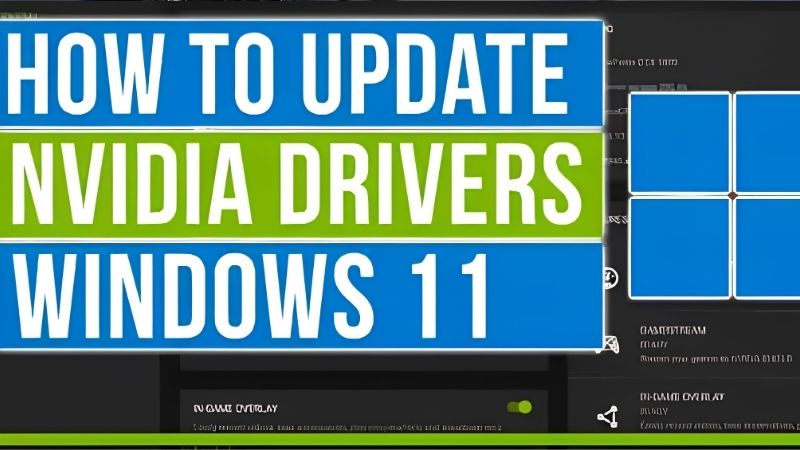
How to update GeForce drivers is one of those simple tasks that quietly makes a big difference to your gaming. Fresh drivers can boost frame rates, fix crashes and unlock day-one support for new games, yet many people leave them untouched for months. If you are dealing with stutter, glitches or just want the best performance from your card, this friendly step-by-step guide will walk you through it. It is quick, safe and easier than you think. By the end you will know three reliable ways to do it and exactly which one fits your situation.
Before You Update Your GeForce Drivers
A little preparation makes the whole process smooth. Before you download anything, it helps to understand why updates matter, what you will need on hand, and how to check the driver version you are running now. Spending two minutes here makes the actual update faster and helps you avoid the small snags that trip people up.
Why Keeping GeForce Drivers Updated Matters
Drivers are the software that lets your graphics card talk to your games. Nvidia releases updates regularly, and these often include performance improvements for popular titles and important bug fixes. In some cases a single driver release can add several frames per second in a game you already own, purely from software optimization.
Skipping updates means missing out on free performance and day-one support for new releases. Outdated drivers are also a common hidden cause of stutter, crashes and visual glitches that are easy to blame on the game. Before you assume a title is broken or your hardware is failing, updating the driver is the quickest thing worth ruling out.
Staying current is one of the cheapest ways to keep your system running well. It costs nothing and takes only a few minutes, which is why it should be part of your regular routine. Checking once a month, or whenever a big game launches, is usually enough to keep everything running at its best.
What You’ll Need Before You Start
The good news is that updating drivers requires almost nothing extra. You only need a stable internet connection, a few minutes of time, and to know which GeForce card you have. If you are not sure of the exact model, do not worry, because the tools below can detect it for you automatically.
If you plan to do a full clean install later, you will also want a free tool called Display Driver Uninstaller, or DDU, which removes old driver files completely. It is optional for a standard update but useful for stubborn problems. Keeping DDU on hand means you are ready to fix a bad install quickly, even if you rarely need it.
It is also wise to save any open work first. A driver update briefly flickers or blacks out your screen, so close important programs before you begin to avoid losing anything. This is normal behavior and nothing to worry about, but saving first means an unexpected flicker never costs you anything.
How to Check Your Current Driver Version
Knowing your current version tells you whether an update is even needed. You can find it quickly inside the NVIDIA app or through Windows settings in under a minute.
Open the NVIDIA app, go to the drivers section, and it will display your installed version alongside the latest available one. If the numbers match, you are already up to date and can stop here. This quick check saves you from downloading a driver you already have and confirms whether an update will actually change anything.
If the latest version is newer than yours, an update is available and worth installing. Make a note of your current number, so you can confirm the change went through afterward. Comparing the old and new version numbers is the simplest way to be certain the update actually installed correctly.
How to Update GeForce Drivers Step by Step
There are three reliable ways to update, from the quick automatic method to a thorough clean install. Pick the one that matches your situation, and follow the numbered steps carefully.
Method 1: Update Through the NVIDIA App
This is the easiest and recommended method for most people. Follow these steps:
1. Open the NVIDIA app on your PC. 2. Click the Drivers tab in the menu. 3. Select Check for Updates, then choose Download. 4. Once downloaded, click Install and pick Express Installation. 5. Wait for the screen to flicker and the process to finish.
The whole thing usually takes just a few minutes. Express Installation handles everything automatically, which is why it suits the majority of gamers who simply want the latest drivers without fuss. There is no need to tweak advanced settings for a normal update, so the default choice is almost always the right one.
Method 2: Download Drivers Manually
If you prefer full control, or the app is not working, you can download drivers straight from Nvidia’s website. Follow these steps:
1. Go to the official Nvidia drivers page. 2. Select your exact GPU model and operating system. 3. Download the recommended Game Ready driver. 4. Run the installer file once it finishes downloading. 5. Choose Express Installation and let it complete.
This method guarantees you get the precise driver for your card. It is a dependable fallback whenever the automatic route fails or you want to install a specific version. Because you choose the exact file yourself, this method also lets you roll back to an older driver if a new one ever causes trouble.
Method 3: Do a Clean Install With DDU
A clean install fully removes old driver files first, which cures many stubborn problems. Follow these steps:
1. Download your new driver in advance. 2. Download and run Display Driver Uninstaller (DDU). 3. Boot into Safe Mode as DDU suggests. 4. Use DDU to remove the current Nvidia driver. 5. Restart, then install the fresh driver you downloaded.
Pros: fixes persistent stutter and corruption, gives a truly clean baseline. Cons: takes longer, involves Safe Mode, and is overkill for a routine update. Reserve this method for troubleshooting rather than everyday use.
Pro Tips and Mistakes to Avoid
A few extra habits will keep your updates painless and your system stable. Here are the tips that help most, the mistakes to avoid, and what to do if an update refuses to cooperate. A few good habits here will keep every future update quick and trouble-free.
Pro Tips for a Smooth Update
Update your drivers right before playing a major new release, since Nvidia often ships Game Ready drivers timed to launches. This is the simplest way to guarantee the best day-one experience.
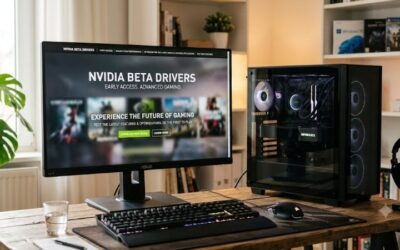
Stick to the stable Game Ready or Studio drivers rather than experimental beta versions unless you have a specific reason. Stable releases are tested more thoroughly and are far less likely to introduce new issues. Beta drivers can be tempting for a brand-new game, but for everyday play the stable branch is the safer, calmer choice.
Restart your PC after installing, even if not prompted. A quick reboot ensures the new driver loads cleanly and avoids odd behavior that sometimes lingers after an update. It takes seconds and heads off the occasional glitch where an old and new driver briefly conflict in the background.
Common Mistakes to Avoid
The most common mistake is downloading drivers from unofficial websites, which can bundle unwanted software or malware. Always use the NVIDIA app or Nvidia’s official site, and nothing else. Third-party driver sites rarely offer anything you cannot get for free from Nvidia directly, so there is no reason to risk them.
Another mistake is installing the wrong driver by guessing your GPU model. If you are unsure which card you have, let the NVIDIA app detect it automatically rather than picking manually. Installing a driver meant for a different GPU can cause crashes or a black screen, which is a frustrating problem to unwind.
Finally, avoid interrupting the installation midway. Cutting power or force-closing the installer can leave drivers half-installed, which causes exactly the crashes you were trying to fix.
Troubleshooting a Failed Driver Update
If an update fails or your screen misbehaves afterward, do not panic. The usual fix is a clean install using the DDU method described above, which clears out any corrupted leftover files.
If problems persist, confirm you downloaded the correct driver for your exact card and operating system. A mismatched driver is a frequent cause of failed or unstable installations. Double-checking the model number and Windows version takes a moment and rules out one of the most common update failures.
Should performance still feel low even after a clean, up-to-date driver, the bottleneck may be your hardware rather than software. At that point an aging GPU, not the driver, is often what is holding your frame rates back. If newer games regularly push your card to its limit, no driver can add power that the silicon does not have, and an upgrade becomes the real solution.
See more:
- Nvidia gear store
- Nvidia number of employees
- Nvidia Jetson Xavier Developer Kit
- GeForce graphics driver
Final Thoughts on Updating Your GeForce Drivers
Learning how to update GeForce drivers takes only a few minutes and pays off in smoother performance, fewer crashes and full support for the latest games. For most people the NVIDIA app is all you need, while a clean install with DDU is the reliable cure for stubborn issues. Make updating a regular habit, and your card will consistently deliver its best. And if fresh drivers still leave your frame rates lagging, it may be time for a hardware upgrade, so check out current-generation GeForce cards through the link below to see what a new GPU could do for you.
Frequently Asked Questions
What is the easiest way to update GeForce drivers?
Install the NVIDIA app, open the Drivers tab, and download the latest Game Ready or Studio release. It detects your card automatically and handles the download and install. Alternatively, download the package manually from the NVIDIA driver page if you prefer not to run the background service.
Should I choose Game Ready or Studio drivers?
Game Ready drivers release more frequently and include day one optimisations for new titles. Studio drivers are validated over longer cycles against creative applications such as Blender, DaVinci Resolve, and Adobe software. Gamers should take Game Ready; anyone whose income depends on application stability should take Studio.
What is a clean installation and when do I need it?
The custom install screen offers a clean installation checkbox that wipes existing profiles and settings before installing. Use it when you have crashes, black screens, or graphical corruption, when switching between Game Ready and Studio branches, or when moving from an AMD card to an NVIDIA one.
Do I need Display Driver Uninstaller?
Not routinely. The clean install option handles the majority of cases. Reach for DDU in safe mode when a driver refuses to install, when the control panel is missing after installation, or when you have persistent instability that survives a normal clean install attempt.
Is the newest driver always the best choice?
Usually but not always. New releases occasionally introduce regressions in specific titles or applications. If your system is stable and you are not playing a newly launched game, there is no urgency. Note your current working version before updating so you can roll back quickly if something breaks.



Write Your Review
No reviews yet. Be the first to share your experience!