
- Top Pick: msi Gaming GeForce RTX 3060 Ventus 2X 12G OC V1 Graphics Card – 15 Gbps GDRR6 Boost Clock: 1807 MHz 192-Bit HDMI/DP PCIe 4 Torx Twin Fan Ampere
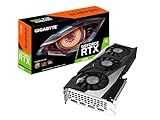
- Best Value: GIGABYTE GeForce RTX 3060 WINDFORCE OC 12G (rev. 2.0) Graphics Card, 2X WINDFORCE Fans, 12GB 192-bit GDDR6, GV-N3060WF2OC-12GD Rev2.0 Video Card
- Premium Choice: NVIDIA GeForce RTX 3060 Ti Founders Edition 8GB GDDR6 PCI Express 4.0 Graphics Card (Renewed)

Prime
Editor's Pick
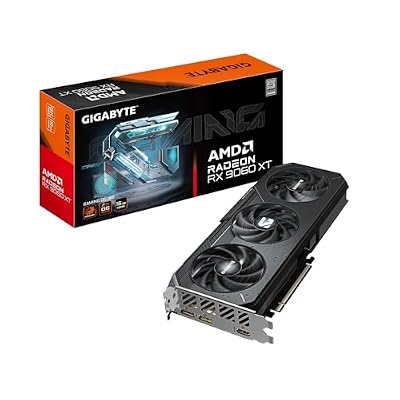
ASUS Dual Radeon RX 9060 XT 16GB GDDR6 Graphics Card, AMD, for Desktop (PCIe 5.0, HDMI 2.1b, DisplayPort 2.1a, 2.5-Slot, Axial-tech Fan, 0dB Technology, and More)
Limited Time
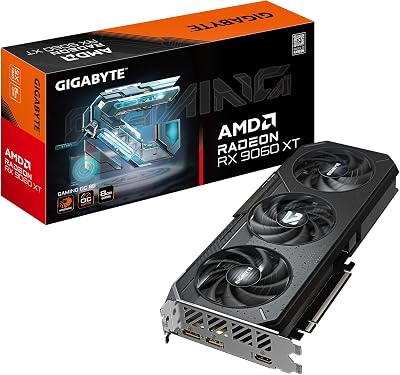
GIGABYTE Radeon RX 9060 XT Gaming OC 8G Graphics Card, PCIe 5.0, 8GB GDDR6, GV-R9060XTGAMING OC-8GD Video Card
The rx 9060 xt vs rtx 3060 matchup pits a modern budget champion against a beloved older value card, and the honest question is whether the newer AMD card is worth choosing over a cheap, proven Nvidia option. The RX 9060 XT brings modern performance and efficiency, while the RTX 3060 counters with a famously generous 12GB of memory and rock-bottom used prices. This face-off gives you the quick verdict, a full spec table, real performance expectations, and a clear recommendation for your budget and needs.
As an Amazon Associate we earn from qualifying purchases at no extra cost to you.





Quick Verdict and Full Spec Comparison
Short on time? Start here for the blunt answer, the core specs side by side, and a plain explanation of what really separates these two budget cards. They come from different eras, which makes this a contest between modern capability and old-school value.
The 30-Second Answer
Buy the RX 9060 XT if you want the faster, more modern card with better efficiency and current features, and you are buying new. Consider the RTX 3060 only if you find one very cheap used and value its 12GB of memory, since it is otherwise the older and slower option.
The RX 9060 XT is the stronger performer overall and the sensible new purchase, while the RTX 3060 is a budget used play whose main appeal is that large memory buffer at a low price. Your choice comes down to whether you are buying new or hunting a secondhand bargain.
Put simply, for a new build the 9060 XT is the clear pick, and the 3060 is worth considering only when its used price is low enough to offset its age and slower speed.
A helpful way to frame it is by how you are shopping. If you are buying new with a warranty, the newer card is almost always the right answer. If you are hunting the cheapest possible secondhand option and happen to value memory capacity, the 3060 enters the conversation, but only on price.
RX 9060 XT vs RTX 3060 Spec Table
Here are the essentials side by side. Clocks, power, and prices are launch or reported figures, so verify current listings before buying, especially for the RTX 3060 on the used market.
| Spec | RX 9060 XT | RTX 3060 |
|---|---|---|
| Architecture | RDNA 4 (Navi 44) | Ampere (GA106) |
| Memory | 8GB or 16GB GDDR6 | 12GB GDDR6 |
| Memory Bus | 128-bit | 192-bit |
| Boost Clock (approx.) | ~2.8 GHz | ~1.78 GHz |
| Typical Board Power | ~160W | ~170W |
| Recommended PSU | 550W | 550W |
| Upscaling | FSR | DLSS (no frame gen) |
| Interface | PCIe 5.0 | PCIe 4.0 |
| Launch MSRP | ~$299 to $349 | $329 (2021) |
What the Numbers Actually Mean
The headline is that the RX 9060 XT is meaningfully faster than the RTX 3060 in most games, reflecting several years of architectural progress. If raw performance is your priority, the newer card wins clearly rather than narrowly.
The RTX 3060’s standout number is its 12GB of memory, more than the 8GB version of the 9060 XT and matched only by the pricier 16GB variant. In memory-heavy scenarios, that buffer is the old card’s genuine advantage.
The RX 9060 XT counters with modern efficiency, PCIe 5.0, and RDNA 4 features, plus the option of a 16GB version that erases the memory gap entirely. For most buyers, its combination of speed and modern design outweighs the 3060’s memory edge.
The memory comparison also depends entirely on which 9060 XT you mean. Against the 8GB model, the 3060’s 12GB is a genuine advantage in a few games, but against the 16GB version that edge disappears completely and the newer card wins on every front. Deciding which variant you are buying is therefore central to the whole comparison.
Deep Dive Face-Off: Performance, Memory, and Value
Spec sheets do not tell you how a card feels in real games. What matters is frame rates at your resolution, how each handles memory and features, and how the total value compares once age and price are considered. This is where the rx 9060 xt vs rtx 3060 choice turns practical.
Gaming Performance at 1080p and 1440p
At 1080p, both cards are capable, but the RX 9060 XT delivers noticeably higher frame rates thanks to its newer architecture. For fast, high-refresh 1080p gaming, it provides more headroom and a smoother experience than the older 3060.
At 1440p, the gap holds or widens, with the 9060 XT staying comfortable in more titles while the 3060 works harder and leans on lower settings. The 3060’s 12GB does help it in a few memory-heavy games, but raw speed favors the newer card overall.
The practical takeaway is that the RX 9060 XT is the better performer at both resolutions. The RTX 3060 remains playable and its memory occasionally helps, but it cannot match the newer card’s frame rates in most games.
Frame-rate feel is where the generational gap shows most clearly. On a high-refresh monitor, the extra frames from the 9060 XT translate into noticeably smoother motion, especially in fast games. The 3060 still delivers a perfectly enjoyable experience, but side by side the newer card simply feels quicker and more responsive.
Memory, Features, and Upscaling
Memory is the RTX 3060’s calling card. Its 12GB comfortably holds high textures in demanding games, and against the 8GB 9060 XT that capacity is a real point in its favor for future-proofing on a budget.
On features, though, both have strengths. The 3060 offers DLSS, Nvidia’s mature upscaling, while the 9060 XT offers FSR and newer RDNA 4 capabilities. If you want the largest buffer paired with modern speed, the 16GB version of the 9060 XT is the answer.
This is the forward-looking heart of the decision. The 3060’s 12GB was ahead of its time, but the 9060 XT’s newer technology and 16GB option represent the more future-facing package for buyers planning several years of use.
Upscaling is part of that forward-looking picture too. The 3060’s DLSS is mature and widely supported, while the 9060 XT’s FSR continues to improve and its newer architecture is better positioned for coming games. For long-term buyers, betting on newer technology usually pays off more than clinging to a larger buffer on older silicon.
Pros and Cons of Each Card
The RX 9060 XT’s pros are clear: faster performance, modern efficiency, PCIe 5.0, RDNA 4 features, and a 16GB option, all as a new card with a warranty. Its cons are that the base model has only 8GB and the narrower 128-bit bus.
The RTX 3060’s pros are its generous 12GB of memory, DLSS support, low used prices, and proven reliability. Its cons are slower overall performance, older architecture, no frame generation, and the risks of buying secondhand without a warranty.
It is worth weighing those cons honestly rather than being swayed by the memory figure alone. A larger buffer is only useful if the rest of the card can keep up, and in the newest games the 3060’s slower architecture often becomes the bottleneck before its memory does. Speed and memory work together, and the newer card simply balances them better.
Weighed together, the 9060 XT wins on speed and modernity while the 3060 wins on cheap memory-per-dollar. The right choice depends on whether you prioritize current performance or a budget buffer.
Reliability and warranty tilt the practical scale as well. A new 9060 XT comes with support and a clean history, while a used 3060’s condition and remaining lifespan are unknowns. For many buyers, that peace of mind is worth more than the 3060’s memory advantage, especially when the newer card is also faster.
Buying Smart in a Rising-Price Market
Your decision also depends on the wider market, which shapes both new-card prices and used 3060 values. Component costs in 2026 have climbed rather than eased, and that changes the math on buying new versus hunting a secondhand deal. A quick look helps you time it wisely.
How 2026 Prices Shape This Choice
Across the PC market, laptops and components have trended upward in price this year rather than down, and graphics cards have felt the pressure. Memory cost is a major factor, since pricier modules feed into final sticker prices, affecting both new cards and used values.
There is some good news, but it is modest and mostly in the future. The steep increases of late 2025 have cooled, and hardware maker Framework has noted a stretch of relative price stability while cautioning that conditions can still swing. Prices have leveled off rather than begun falling.
More supply is on the way but not soon. Manufacturers can now source DDR5 memory from Chinese suppliers such as CXMT, and Micron is building two plants in Idaho, yet those sites are not expected to run until 2027 or 2028. The practical message is clear: do not wait for a near-term crash, and if either card meets your needs at a fair price, buying now is reasonable.
This backdrop makes the value calculation especially important for the used 3060. Because component and used prices are firm, a secondhand 3060 is only worth it when it is genuinely cheap; if its price creeps close to a new 9060 XT, the newer card becomes the obvious choice. Always compare the two on their actual prices on the day.
The Alternative Worth a Look
If neither card feels quite right, a couple of alternatives are worth weighing. The RTX 5060 offers modern Nvidia features and DLSS 4 at a similar new-card price, while the 16GB RX 9060 XT specifically resolves the memory question if that is your main concern.
On the budget used side, other prior-generation cards may compete with the 3060 on price. Comparing all of these through the links on this page is the fastest way to find the best current value for your resolution and budget.
Whichever option you weigh, apply the same test throughout: match the card to the resolution you play and the memory your games actually use. A faster card you buy new will usually satisfy longer than a cheaper used one, unless the used price is low enough to make the trade-off clearly worthwhile.
Final Verdict: Who Should Buy Which
Choose the RX 9060 XT if you are buying new and want the faster, more efficient, more modern card, ideally the 16GB version for the best of both worlds. It is the sensible choice for most budget builders in 2026.
Choose the RTX 3060 only if you find one cheap used and specifically value its 12GB of memory over raw speed. It is a niche budget play rather than a general recommendation. Check live pricing on both through the links here before deciding.
For most readers, the decision is straightforward once framed correctly. New build on a budget: the RX 9060 XT, ideally 16GB. Rock-bottom used bargain where memory matters: the RTX 3060. Anything in between usually favors the newer card, which is why it earns the broader recommendation here.
See More:
- nvidia meaning
- rx 9070 vs rx 9070 xt
- 9060 xt 16gb vs 5070 ti
- radeon rx 9070 xt vs 5080
- windows graphics driver update
Conclusion
The rx 9060 xt vs rtx 3060 decision comes down to new versus used and speed versus memory. The RX 9060 XT is the faster, more modern card and the clear pick for a new build, especially in its 16GB form, while the RTX 3060 remains a budget used option whose 12GB buffer is its main draw. With component prices firm rather than falling, buying the card that fits your needs today is the smart move. Compare live prices on both through the links on this page and choose the one that matches your budget and games.
Frequently Asked Questions
How much faster is the RX 9060 XT than the RTX 3060?
Substantially. The RDNA 4 card delivers a large generational jump in rasterized performance and an even bigger one in ray tracing, where RDNA 4 dramatically improved over previous AMD designs. Expect the RX 9060 XT to roughly double RTX 3060 frame rates in many 1080p and 1440p scenarios.
The RTX 3060 has 12GB. Does that make it better for VRAM-heavy games?
Only against the 8GB RX 9060 XT, and even then the raw speed deficit usually outweighs the capacity advantage. The 16GB RX 9060 XT removes the argument entirely, offering both more memory and far more performance, which makes it the sensible choice if the price gap is modest.
What power supply does each card need?
The RTX 3060 draws around 170W and the RX 9060 XT roughly 160 to 180W depending on variant, so a quality 550W supply with one 8-pin PCIe connector covers either. Neither requires the 12V-2×6 connector, which keeps them compatible with older but healthy power supplies.
Which is better for streaming and content creation?
Nvidia NVENC remains the more mature encoder with broader software support, so the RTX 3060 punches above its weight for OBS streaming. RDNA 4 improved AMD encoding quality considerably including AV1, and the far higher compute performance makes the RX 9060 XT better for editing and rendering overall.
Does upscaling change the recommendation?
DLSS 4 on the RTX 3060 provides excellent image quality but no hardware frame generation on Ampere. FSR 4 on RDNA 4 uses machine learning and closed much of the quality gap. Given the raw performance difference, the RX 9060 XT stays ahead even after accounting for upscaling advantages.
Ready to decide? Our #1 pick for 2026 is the Architecture.
Live price & availability on Amazon.

Write Your Review
No reviews yet. Be the first to share your experience!