
- Top Pick: GIGABYTE GeForce RTX 5070 Ti Gaming OC 16G Graphics Card, 16GB 256-bit GDDR7, PCIe 5.0, WINDFORCE Cooling System, GV-N507TGAMING OC-16GD Video Card
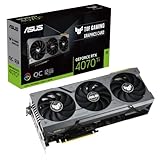
- Best Value: ASUS TUF Gaming NVIDIA GeForce RTX 4070 Ti OC Edition Gaming Graphics Card (PCIe 4.0, 12GB GDDR6X, HDMI 2.1a, DisplayPort 1.4a), 3 Year Warranty
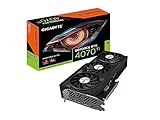
- Premium Choice: GIGABYTE GeForce RTX 4070 Ti Super Eagle OC 16G Graphics Card, 3X WINDFORCE Fans, 16GB 256-bit GDDR6X, GV-N407TSEAGLE OC-16GD Video Card
Top Rtx 4070 5070 Upgrade Sidegrade Picks for 2026
Here are our current top rtx 4070 5070 upgrade sidegrade picks, compared on real Amazon owner reviews, price, and features. Live prices update below.
- Top Rtx 4070 5070 Upgrade Sidegrade Picks for 2026
- RTX 4070 Ti vs 5070: The Verdict and the Numbers
- The Differences That Survive a Benchmark Tie
- The 2026 Market: The Forces Holding These Prices Together
- Final Verdict: Three Situations, Three Answers
- Conclusion
- Related Guides
- Frequently Asked Questions
- Related Articles


Prime
Editor's Pick
msi Gaming RTX 5070 Ti 16G Ventus 3X OC Black Graphics Card (16GB GDDR7, 256-bit, Extreme Performance: 2482 MHz, DisplayPort x 3 2.1a, HDMI 2.1b, NVIDIA Blackwell Architecture)

Prime
Limited Time
ASUS SFF-Ready Prime NVIDIA GeForce RTX 5070 Graphics Card (PCIe 5.0, 12GB GDDR7, HDMI/DP 2.1, 2.5-Slot, Axial-tech Fans, Dual BIOS), 3 Year Warranty
Dropped $2.52


RTX 4070 Ti vs 5070 produces the most misleading first impression in Nvidia’s stack: a newer model number that buys almost no new performance. The two cards trade benchmark wins within a few percent of each other, which makes this matchup less a versus and more a diagnosis — of whether the differences that do exist (frame generation tiers, power draw, memory technology, warranty status) matter to your specific situation. This guide settles it for both audiences: the 4070 Ti owner wondering if the 5070 is an upgrade, and the shopper deciding which of these near-twins deserves their money. Spoiler for the first group: put your wallet down, with one strange exception worth knowing.
As an Amazon Associate we earn from qualifying purchases at no extra cost to you. Product prices and availability are accurate as of the date shown and are subject to change.




RTX 4070 Ti vs 5070: The Verdict and the Numbers
When raster performance ties, everything else becomes the comparison. Here is the conclusion for each audience, the spec sheet that explains the tie, and the trade-offs that remain after benchmarks cancel out.
The Verdict for Owners and for Shoppers
For 4070 Ti owners: the RTX 5070 is a sidegrade — 0 to 5 percent in raster, sometimes a coin flip by title. No frame-rate motivation exists for this swap, and anyone selling it to you as an upgrade is reading model numbers, not benchmarks — across a mixed test suite the two cards trade wins title by title and finish within testing noise of each other. The one exception, covered below, is a warranty-and-features refresh that the current used market makes nearly free.
For shoppers comparing the two: buy whichever is cheaper after honest accounting — which in 2026 usually means the 5070 new at $549, since used 4070 Ti listings at $430 to $500 save too little to offset losing the warranty and DLSS 4. Check the 5070’s live Amazon price; if it sits at MSRP, the shopping question is closed.
Why the Benchmarks Tie: The Spec Sheet
Two design philosophies arriving at the same destination: Ada’s bigger engine at lower clocks against Blackwell’s smaller engine running faster with quicker memory.
| Specification | RTX 4070 Ti | RTX 5070 |
|---|---|---|
| Architecture | Ada Lovelace (2023) | Blackwell (2025) |
| CUDA Cores | 7,680 | 6,144 |
| Boost Clock | 2.61 GHz | 2.51 GHz |
| VRAM | 12GB GDDR6X | 12GB GDDR7 |
| Memory Bandwidth | 504 GB/s | 672 GB/s |
| Board Power | 285W | 250W |
| Frame Generation | DLSS 3 (single) | DLSS 4 (multi) |
| 2026 Price | ~$430-500 used | $549 new |
Twenty percent more cores on one side, thirty-three percent more bandwidth on the other — the architecture war ends in a draw, which is exactly why every remaining row matters more than usual.
Pros and Cons When Performance Cancels Out
Strip away the tied benchmarks and each card keeps a distinct identity worth weighing.
RTX 4070 Ti — pros: equal raster from proven, mature silicon; DLSS 3 Frame Generation already covers most supported titles; large used supply keeps prices negotiable; owners already past the depreciation cliff. Cons: single-frame generation is its ceiling forever; 285W and warmer GDDR6X; used-market warranty void; bandwidth is its thinnest line in newer engines.
RTX 5070 — pros: Multi Frame Generation and the full Blackwell software runway; 35W cooler and quieter; GDDR7 keeps frame times tighter in bandwidth-bound scenes; warranty and clean history at $549. Cons: zero raster motivation over its predecessor; identical 12GB means no memory headroom gained; MSRP availability fluctuates with market pressure.
The Differences That Survive a Benchmark Tie
With frame rates settled, four real distinctions remain — and they are the entire substance of this comparison. Each section below is one of them, measured honestly.
Frame Generation: One Tier Apart, and Widening
The largest functional gap is the multiplier: DLSS 3 doubles presented frames on the 4070 Ti; DLSS 4 can quadruple them on the 5070. In supported titles that translates to 50 to 80 percent higher on-screen frame rates for the newer card from identical base renders — the only place these twins look like different generations.
Two honest qualifiers keep this in proportion. Base render rate still governs input latency, so competitive feel is identical between them; and the advantage exists only in titles shipping the technology. But that catalog grows monthly, and engines are increasingly built assuming frame generation — which means this single difference appreciates while every other line on the spec sheet stands still. On a 240Hz monitor, the practical outcome is that the 5070 fills the panel in supported titles and the 4070 Ti does not, despite rendering identical base frames.
Heat, Noise, and the 35-Watt Dividend
The efficiency gap is small on paper and pleasant in practice. The 5070’s 250W against 285W means cooler exhaust, gentler fan curves, and compatibility with 650W power supplies that the 4070 Ti technically strains. Compact two-slot 5070 designs also fit small-form-factor cases that most 4070 Ti coolers overwhelm.
For owners, this is comfort, not necessity — the 4070 Ti was never a hot card by flagship standards, and a well-cooled unit gives nothing to apologize for. For shoppers building small or quiet machines, it is a legitimate tiebreaker in the newer card’s favor.
Both use the 16-pin connector family with included adapters; installation care is identical and non-negotiable on each: full seating, no sharp bends near the plug, and a visual recheck after the first week of thermal cycling.
Memory Technology and How Each Card Ages
Equal capacity, unequal character: the 5070’s GDDR7 delivers 672 GB/s against 504 GB/s, and the difference surfaces precisely where averages hide it — one-percent lows in texture-streaming open worlds, where the newer card’s frame times stay flatter. Today it is a subtlety; as game memory traffic grows, subtleties of this kind historically become gaps.
The shared 12GB ceiling is the more important aging fact for both: neither card buys memory headroom over the other, and both will face the same texture-settings negotiations near the decade’s end. Buyers whose horizon is five-plus years should read the alternative section before settling for either twin. For three-year cycles, the shared 12GB is a non-issue — current titles sit comfortably inside it at 1440p, and DLSS further reduces memory pressure in exactly the games that push hardest.
The Swap Economics: When a Sidegrade Weirdly Pays
Here is the strange exception promised above. Used 4070 Ti values are holding at $430 to $500 — kept firm by market forces covered below — while the 5070 lists at $549 new. A clean sale at the band’s top makes the swap’s net cost $50 to $120 for a warranty reset, Multi Frame Generation, 35W of efficiency, and four extra years of software runway.
That is not an upgrade; it is a refresh play — trading a three-year-old card with no warranty for a new one at a fraction of retail. It only works while resale stays this strong and only suits owners who would value the warranty and features anyway. Run your own numbers: your card’s realistic sale price against Amazon’s live 5070 listing, minus selling effort. If the net exceeds $150, the play is dead; below $100, it is genuinely clever. Time the two transactions to the same week so a market move cannot open a gap between them, and keep the old card until the new one passes its first stress test.
The 2026 Market: The Forces Holding These Prices Together
This comparison’s economics — a used card refusing to undercut its successor meaningfully — are not normal, and two current industry developments explain them. They also dictate the timing of every action this guide recommends.
The H200 China Approval Keeps New Supply Tight
The United States has approved Nvidia selling the H200 — one of its most powerful AI accelerators — to China, releasing data-center demand that competes with GeForce production for memory, packaging, and wafer allocation. Volume mainstream cards like the 5070 historically slip above MSRP first when allocation tightens, because demand at $549 never thins.
Both audiences should treat MSRP as a window: shoppers buy inside it, and refresh-play owners time their swap to it — the play’s math dies the moment the new card carries a street premium.
Rising Component Prices Keep Used Values High
Simultaneously, laptop and PC component prices are trending upward industry-wide, led by memory costs, and the pressure has frozen used-GPU depreciation across the board. The 4070 Ti’s stubborn $430 to $500 band — the foundation of the swap economics above — is this force in action, with listings flat across consecutive quarters.
For owners, it is an unusual gift: a three-year-old card retaining over half its launch value. Gifts of this kind have historically expired when supply normalizes, which argues for deciding rather than drifting. Watch your own card’s completed-sale prices rather than asking prices — the spread between the two is the used market’s honesty meter.
Timing the Decision
Shoppers: alert at $549 on Amazon and buy inside the window. Refresh-play owners: list and buy the same week, letting the transactions overlap so you are never card-less or exposed to a price move between them.
Everyone else: hold with contentment — a tie this clean means your current card is precisely as good as its successor where it counts.
Final Verdict: Three Situations, Three Answers
This matchup resolves into three clean profiles, plus the alternative that outgrows the question entirely.
Owners: Hold by Default
Keep the 4070 Ti unless the refresh-play math lands under $100 net and you genuinely want the warranty and Multi Frame Generation. Nothing about a 0-to-5-percent delta justifies swap effort on performance grounds, and your card’s DLSS 3 already covers most of the feature catalog that matters today.
Revisit only when your resale value or the 5070’s street price moves the equation.
Shoppers: Buy the 5070 New
At $549 against $430-to-$500 used, the new card’s warranty, DLSS 4, efficiency, and clean history outweigh the small saving — the used twin only wins below $430 with a return window, a listing that exists but moves fast.
Watch Amazon for MSRP stock and decide in advance; this segment rewards prepared buyers.
The Alternative: RTX 5070 Ti for the Five-Year Horizon
If you are touching this tier at all with a long horizon, the RTX 5070 Ti at $749 escapes both twins’ shared 12GB ceiling with 16GB of GDDR7 and a 25-plus percent performance step neither card in this comparison can offer.
For owners, it is the upgrade that actually upgrades; for shoppers, the $200 stretch that buys the longest runway in the segment. Price it on Amazon before committing to either side of the tie.
See More:
- Nvidia Reflex low latency
- RTX 4070 vs 5060 Ti
- Zephyr RTX 4070
- RTX 3080 Ti price
- Nvidia RTX 2060 Super
Conclusion
The RTX 4070 Ti vs 5070 matchup ends in the rarest GPU verdict: a genuine performance tie that turns the decision into features, efficiency, and economics. Owners should hold by default — or run the near-free warranty-refresh swap if firm resale values and MSRP availability align — while shoppers should take the new 5070’s DLSS 4 and warranty over a thin used discount. The 5070 Ti remains the answer for anyone wanting an actual leap. With the H200 export approval tightening new supply and rising component prices freezing used depreciation, every number in this guide is a snapshot of a favorable moment. Settle your side of the RTX 4070 Ti vs 5070 question, check today’s Amazon listings, and act while the math is still this forgiving.
Frequently Asked Questions
What is the best rtx 4070 ti 5070 in 2026?
The best rtx 4070 ti 5070 depends on your budget and how you plan to use it. The options compared above are our top-rated picks based on real customer ratings, build quality, and overall value — start with the highest-rated model that fits your budget.
How much should I expect to spend on a rtx 4070 ti 5070?
Prices vary by brand and features. Budget options cover the essentials, while mid-range and premium models add durability, performance, and extra features. Compare the prices in the list above to find the best value for your needs.
What should I look for when buying a rtx 4070 ti 5070?
Focus on what matters most for your use case — build quality, compatibility, performance, warranty, and verified customer reviews. Every pick above is selected to balance these factors.
Are budget rtx 4070 ti 5070 options worth it?
Yes. For most people a well-reviewed budget or mid-range rtx 4070 ti 5070 delivers excellent value. You only need to spend more if you specifically require premium materials or top-tier performance.
How did we choose these rtx 4070 ti 5070 picks?
We compare current Amazon ratings, review counts, key features, and price to surface the options with the best real-world value. The list is refreshed as ratings and availability change.










Write Your Review
No reviews yet. Be the first to share your experience!