
Top Rtx 4080 5090 Flagship Power Picks for 2026
Here are our current top rtx 4080 5090 flagship power picks, compared on real Amazon owner reviews, price, and features. Live prices update below.


Prime
Limited Time
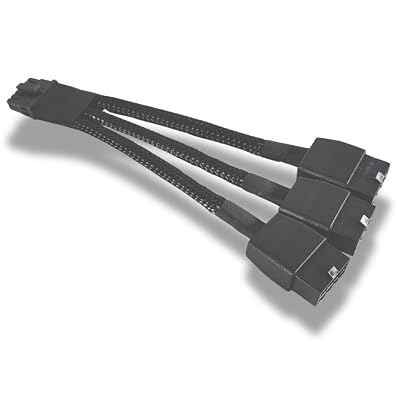
Genuine 12VHPWR GPU Power Cable – Compatible with RTX 3090 Ti, RTX 4080, RTX 4090 – OEM Adapter for High-Performance Graphics Cards – 3X 8-Pin PCIE to 12+4 Pin


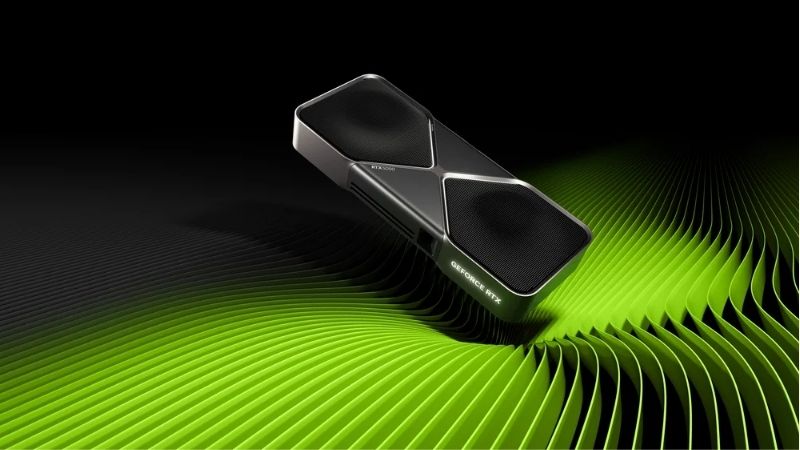
4080 vs 5090 is a comparison of two cards from different worlds: one is Ada Lovelace’s high-end gaming GPU, the other is Blackwell’s no-compromise flagship that towers over the entire consumer market. The RTX 4080 still delivers excellent 4K gaming, while the RTX 5090 redefines what a single card can do, with a price to match. This comparison lays out the specs, the real performance gap, power and value, and the 2026 market so you can decide whether the flagship is worth its enormous premium or the 4080 is the smarter buy.
The Quick Verdict: RTX 4080 vs 5090
Here is the fast answer: the RTX 5090 is dramatically faster, the undisputed performance king, and the only choice if you need maximum 4K power or 32GB of VRAM for creative and AI work. The RTX 4080 remains a superb 4K gaming card that costs a fraction of the 5090’s street price and is far easier to power and cool. The 5090 wins on raw capability; the 4080 wins on value and sanity. Check live pricing for both, because the gap is enormous in 2026.
The 30-Second Answer
The 5090 is in a different league, often delivering well over double the 4080’s performance in the most demanding scenarios, with 32GB of VRAM versus 16GB.
The 4080 answers with a far lower price, much lower power draw, and more than enough muscle for excellent 4K gaming. For most people the 4080 is plenty; the 5090 is for those who need the absolute best.
This is not a close fight on performance, it is a fight on value. The real question is whether the 5090’s massive lead justifies a price that can be several times higher, and for most gamers the honest answer is no.
It helps to frame the matchup by who is actually shopping. A competitive or enthusiast gamer with a high-refresh 4K monitor and a generous budget is the natural 5090 buyer. Someone who wants beautiful 4K gaming without remortgaging their setup is the natural 4080 buyer. Both are valid, but they are very different people with very different priorities, and recognizing which one you are settles most of the decision.
Spec Comparison Table
The numbers reveal just how far apart these two cards sit:
| Spec | RTX 4080 | RTX 5090 |
|---|---|---|
| Architecture | Ada Lovelace (AD103) | Blackwell (GB202) |
| CUDA cores | 9,728 | 21,760 |
| VRAM | 16GB GDDR6X | 32GB GDDR7 |
| Memory bus | 256-bit | 512-bit |
| Bandwidth | 717 GB/s | ~1.8 TB/s |
| Power (TGP) | 320W | 575W |
| DLSS 4 MFG | No | Yes |
| Launch MSRP | $1,199 | $1,999 |
Key Differences That Matter
The 5090 more than doubles the 4080’s CUDA cores, doubles its VRAM to 32GB, and roughly doubles its memory bandwidth with a wide 512-bit bus and GDDR7. These are not incremental gains; they represent a full tier leap.
The 5090 also adds DLSS 4 Multi Frame Generation, which the 4080 cannot run. The trade-offs are power, with the 5090 drawing 575W to the 4080’s 320W, and price, where street pricing puts them worlds apart.
Deep Dive Face-Off: Performance, Design, and Power
A spec table shows the gap, but the buying decision depends on how that gap plays out in real use. This section compares the two by architecture and design, gaming and ray tracing, and efficiency and value, with an honest pros and cons breakdown tied to the matchup.
Architecture and Design
The 5090’s Blackwell GB202 die is the largest consumer GPU Nvidia has ever shipped, with massive core counts, 32GB of GDDR7, and the newest RT and Tensor cores including FP4 support. It is built for the techniques games and AI apps are adopting now.
The 4080’s Ada AD103 die is mature, efficient, and well understood, with years of driver refinement behind it. It is a large card, but far more manageable than the enormous 5090, which demands serious case space, cooling, and a robust power supply.
Physically and practically, the 4080 is the easier card to live with. The 5090 is a halo product that requires building your whole system around it, while the 4080 slots comfortably into most high-end builds.
Cooling and power planning deserve emphasis. The 5090’s 575W draw means a quality high-wattage power supply and excellent case airflow are not optional, they are requirements, and the card’s physical size can crowd smaller cases. The 4080, by contrast, behaves itself in a typical high-end build with a good 750W supply, which keeps the total system cost and complexity far lower than the flagship demands.
Gaming Performance and Ray Tracing
In raw gaming the 5090 is overwhelming. At 4K it delivers frame rates the 4080 cannot approach, and in the most demanding ray-traced titles the gap widens further still. For native 4K at maximum settings, nothing else competes.
The 4080 is no slouch, though. It remains a genuinely excellent 4K card, delivering smooth high-settings gameplay in virtually every title, especially with DLSS upscaling. For the vast majority of gamers, the 4080’s performance is already more than enough.
This is the crux of the gaming argument. Once a card comfortably exceeds your monitor’s resolution and refresh rate, extra horsepower goes unused. The 4080 already saturates most 4K 60 to 120Hz experiences with upscaling, which means the 5090’s surplus only translates into visible benefit on the highest-refresh 4K panels or in the most punishing future titles.
DLSS 4 widens the experiential gap. The 5090’s Multi Frame Generation can synthesize extra frames the 4080 cannot, pushing perceived smoothness to another level in supported games. But this advantage matters most on high-refresh 4K displays that can actually show the difference.
Resolution context is everything here. At 1440p both cards are so fast that they are often limited by your processor rather than the GPU, which makes the 5090 a poor value at that resolution. It is only at native 4K, and especially 4K above 120Hz, that the flagship’s power is fully unleashed. If your monitor cannot display what the 5090 produces, you are paying for performance you will never see.
Efficiency, Value, and Pros and Cons
Efficiency and value strongly favor the 4080. At 320W it runs on a sensible power supply and adds far less heat than the 575W 5090, which demands premium cooling and a high-wattage unit.
Value is the decisive factor. The 5090’s performance lead, while large, does not scale with its price; at street rates it can cost several times the 4080 while delivering nowhere near several times the gaming experience. For pure gaming, the 4080 offers dramatically better value per dollar.
Weighing the 4080 vs 5090 decision on the cards themselves:
- 5090 pros: unmatched performance, 32GB VRAM, DLSS 4 MFG, elite for 4K and AI, future-proof.
- 5090 cons: extreme price far above MSRP, 575W power draw, demands premium cooling and PSU, overkill for most gaming.
- 4080 pros: excellent 4K gaming, far lower price, manageable 320W power, easier to cool, great value.
- 4080 cons: discontinued new, no DLSS 4 MFG, 16GB VRAM versus 32GB, trails the 5090 clearly.
Price, the 2026 Market, and the Final Verdict
With such a large performance gap, price and need decide this matchup, and 2026’s market makes both cards expensive in different ways. Two industry forces are pushing prices up, and understanding them is essential before you buy.
Current Pricing, the Memory Shortage, and the H200 Effect
The 5090’s $1,999 MSRP is mostly theoretical; a severe GDDR7 and DRAM memory shortage has driven its street price far higher, often well above $3,000, and it hits the memory-heavy flagship hardest. The discontinued 4080 survives on the used market, where scarcity of new high-end cards keeps it pricey too, though still far below the 5090.
A second force reshapes supply from the top. In January 2026 the US approved sales of Nvidia’s H200 AI accelerator to China, where firms ordered millions of chips. Nvidia prioritizes that lucrative AI demand, diverting wafers and high-bandwidth memory away from consumer GPUs and tightening supply across the board. With laptop and component prices rising too, analysts expect the squeeze to persist into late 2027, so neither card is getting cheaper soon. A fair price on either is worth acting on.
The Alternative Most People Should Consider
For buyers who want strong 4K without the 5090’s extreme cost, the RTX 5080 is the sensible middle ground. It brings DLSS 4 and excellent performance for far less than the flagship, addressing most of what makes the 5090 appealing for gaming.
A used 4080 or a new 5070 Ti are also smart value picks that handle 4K-with-upscaling beautifully. Compare all of these live before committing to the flagship.
The smartest approach in this market is to decide your resolution and workload first, then buy the cheapest card that fully satisfies them. For 1440p, even a 5070 Ti is ample; for high-settings 4K gaming, a 5080 or 4080 shines; only for the most extreme 4K or professional memory needs does the 5090 become the rational pick. Matching the card to the job avoids overspending on capability you cannot use.
That disciplined approach is especially valuable in a market where every tier is priced at a premium, since money saved on an oversized GPU can strengthen the rest of your build instead, from a faster CPU to a better monitor that you will actually notice every day.
Final Verdict: Who Should Buy Which
Buy the RTX 5090 only if you need the absolute fastest GPU or 32GB of VRAM for professional creative and AI work, and you can absorb the price and power requirements. For those users, nothing else delivers.
Buy or keep the RTX 4080 if you want excellent 4K gaming at a sane price and power level. For the overwhelming majority of gamers, the 4080, or a newer mid-high card, is the far smarter choice, leaving the 5090 to those who genuinely need its halo-tier power.
Think of it as buying for the job, not the bragging rights. The 5090 is an extraordinary piece of engineering, but extraordinary capability you never use is simply expensive. Match the card to your actual display and workload, and the right choice between these two becomes far clearer than the spec sheet alone suggests.
See more:
- What graphics card do I have?
- How to tell what graphics card I have
- 5070 Ti vs 4080
- 5060 vs 3080
- RTX 2060 graphics card
Recommended Products

msi
MSI GeForce RTX 4090 SUPRIM Liquid X 24G Gaming Graphics Card – 24GB GDDR6X, 2625 MHz, PCI Express Gen 4, 384-bit, 3X DP v 1.4a, HDMI 2.1a (Supports 4K & 8K HDR)

Sapphire
Sapphire 11323-02-20G Pulse AMD Radeon RX 7900 XT Gaming Graphics Card with 20GB GDDR6, AMD RDNA 3

msi
MSI GeForce RTX 4080 16GB Gaming X Trio Gaming Graphics Card – 16GB GDDR6X, 2610 MHz, PCI Express Gen 4, 256-bit, 3X DP v 1.4a, HDMI 2.1a (Supports 4K & 8K HDR)
As an Amazon Associate we earn from qualifying purchases. Product prices and availability are accurate as of the date/time indicated.
Conclusion
The 4080 vs 5090 verdict is a story of capability versus value: the 5090 is the undisputed performance king with 32GB of VRAM and DLSS 4, but it costs and consumes far more, while the 4080 still delivers excellent 4K gaming at a fraction of the flagship’s street price. Unless you need peak power or 32GB for creative and AI work, the 4080 or a newer mid-high card is the wiser buy. With 2026’s memory shortage and AI demand keeping prices elevated, acting on a fair deal beats waiting. Compare current RTX 4080 and 5090 options and deals on Amazon, check real-time pricing, stock, and availability right now, and choose the card that genuinely fits your needs and budget.
Frequently Asked Questions
What is the best 4080 5090 in 2026?
The best 4080 5090 depends on your budget and how you plan to use it. The options compared above are our top-rated picks based on real customer ratings, build quality, and overall value — start with the highest-rated model that fits your budget.
How much should I expect to spend on a 4080 5090?
Prices vary by brand and features. Budget options cover the essentials, while mid-range and premium models add durability, performance, and extra features. Compare the prices in the list above to find the best value for your needs.
What should I look for when buying a 4080 5090?
Focus on what matters most for your use case — build quality, compatibility, performance, warranty, and verified customer reviews. Every pick above is selected to balance these factors.
Are budget 4080 5090 options worth it?
Yes. For most people a well-reviewed budget or mid-range 4080 5090 delivers excellent value. You only need to spend more if you specifically require premium materials or top-tier performance.
How did we choose these 4080 5090 picks?
We compare current Amazon ratings, review counts, key features, and price to surface the options with the best real-world value. The list is refreshed as ratings and availability change.

Write Your Review
No reviews yet. Be the first to share your experience!