
- Top Pick: Sapphire 11348-03-20G Pulse AMD Radeon™ RX 9070 XT Gaming Graphics Card with 16GB GDDR6, AMD RDNA 4
- Best Value: XFX Mercury AMD Radeon RX 9070XT OC Gaming Edition with RGB 16GB GDDR6, HDMI 3xDP, AMD RDNA 4 RX-97TRGBBBA
- Premium Choice: ASUS Prime GeForce RTX 5070 12GB GDDR7 OC Edition Gaming Graphics Card
RTX 5070 12GB vs RX 9070 XT 16GB is the upper-mid-range battle serious gamers are watching: Nvidia’s DLSS 4 powerhouse against AMD’s higher-VRAM RDNA 4 flagship-killer. You landed here to skip the long video and get the numbers — specs side by side, real 1440p and 4K frame rates, upscaling tech, and where pricing is heading — so you can buy with confidence. This comparison delivers exactly that, then names the winner for your resolution, budget, and how you value features versus memory.

Prime
Best Seller
ASUS SFF-Ready Prime NVIDIA GeForce RTX 5070 Graphics Card (PCIe 5.0, 12GB GDDR7, HDMI/DP 2.1, 2.5-Slot, Axial-tech Fans, Dual BIOS), 3 Year Warranty

Best Seller
XFX Swift AMD Radeon RX 9070XT Triple Fan Gaming Edition with 16GB GDDR6 HDMI 3xDP, AMD RDNA 4 RX-97TSWF3BA

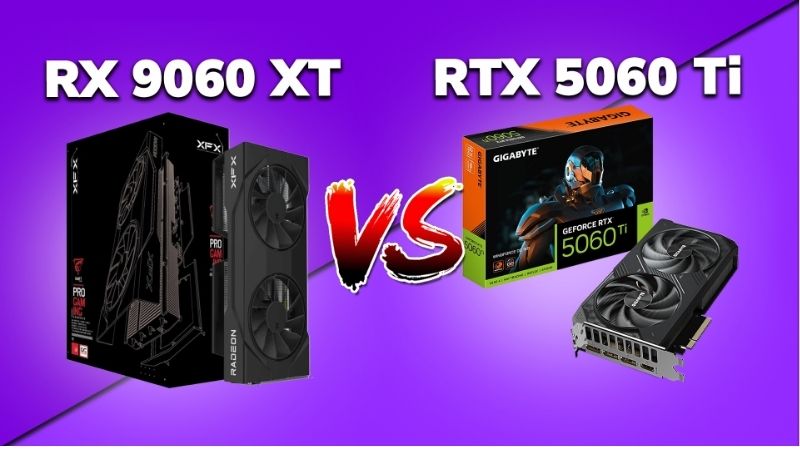
RTX 5070 12GB vs RX 9070 XT 16GB — Quick Verdict and Specs
Most buyers cross-shopping these want the answer first, so here it is: the RX 9070 XT 16GB generally offers stronger raw rasterization and more VRAM for the money, while the RTX 5070 counters with superior ray tracing and DLSS 4 multi-frame generation. This section backs that with the full spec table and the architectural context.
As an Amazon Associate we earn from qualifying purchases at no extra cost to you.



The Quick Verdict for Busy Buyers
Buy the RX 9070 XT 16GB if you want strong rasterization performance, more VRAM for high-resolution textures, and excellent value for high-refresh 1440p and 4K gaming. It is the raw-performance and memory pick.
Buy the RTX 5070 if you prioritize the best ray tracing and DLSS 4 multi-frame generation, and value Nvidia’s mature software ecosystem. It is the feature and upscaling leader.
The tension is AMD’s raw power and VRAM versus Nvidia’s features. For many, the RTX 5070 12GB vs RX 9070 XT 16GB decision hinges on whether ray tracing and DLSS 4 outweigh more frames and more memory.
Head-to-Head Specs Comparison Table
The table below lays out the specs that drive this upper-mid-range decision.
| Spec | RTX 5070 | RX 9070 XT (16GB) |
|---|---|---|
| Architecture | Blackwell | RDNA 4 |
| Memory | 12GB GDDR7 | 16GB GDDR6 |
| Memory bus | 192-bit | 256-bit |
| Bandwidth | ~672 GB/s | ~640 GB/s |
| Board power | 250W | ~304W |
| Upscaling | DLSS 4 + Multi-Frame Gen | FSR 4 (AI) |
| Ray tracing | Stronger (Blackwell) | Improved (RDNA 4) |
| Best resolution | 1440p / 4K | 1440p / 4K |
| Typical price | ~$549 MSRP | ~$599 MSRP |
The trade-offs are meaningful. The RX 9070 XT brings more VRAM, a wider memory bus, and strong raw performance, but draws more power. The RTX 5070 offers DLSS 4, better ray tracing, and higher efficiency, with less VRAM on a narrower bus.
If the spec sheet already tilts you one way, it is worth checking each card’s live listing before pricing shifts again.
Blackwell vs RDNA 4 — What the Architecture Means
The RTX 5070 runs on Blackwell, Nvidia’s newest architecture, with DLSS 4 multi-frame generation, stronger ray-tracing cores, and better efficiency. It is the feature-rich choice, especially for ray tracing and cutting-edge upscaling.
The RX 9070 XT uses RDNA 4, AMD’s newest and most powerful mainstream architecture, delivering strong rasterization, improved ray tracing over prior generations, and FSR 4 AI upscaling. It positions AMD aggressively against Nvidia’s mid-to-upper tier.
For buyers, both are current-generation designs with years of support ahead. This is a features-versus-raw-performance clash between two modern architectures, so your resolution and priorities decide the winner rather than any generational gap.
It is a genuinely competitive tier, which is good news for buyers. AMD’s aggressive RDNA 4 positioning forces strong value, while Nvidia’s feature leadership keeps the RTX 5070 attractive, so whichever you choose you are getting a capable current-generation card.
Deep Dive Face-Off — Performance, Upscaling, and Compatibility
Specs set expectations; frame rates and real-world fit decide satisfaction. This section compares the two on the criteria that shape high-end gaming: performance across resolutions, upscaling and ray tracing, and how each card fits your build.
1440p and 4K Gaming Performance
At 1440p, both cards deliver excellent high-refresh performance, but the RX 9070 XT often leads in raw rasterization thanks to its strong compute and wide memory bus, frequently posting higher native frame rates in demanding titles.
At 4K, the RX 9070 XT’s 16GB buffer and bandwidth help it hold up well in memory-heavy scenes, while the RTX 5070’s 12GB can be tighter at maxed 4K textures, though DLSS 4 helps close the frame-rate gap in supported games.
For high-refresh 1440p gamers in particular, the RX 9070 XT’s raw output shines, delivering the frames needed to drive fast-refresh monitors in demanding titles without relying on upscaling. That makes it especially appealing for competitive players who value native performance.
The practical conclusion is that for pure rasterization and 4K memory headroom, the RX 9070 XT 16GB has the edge, while the RTX 5070 relies on DLSS 4 to match or exceed it in supported titles. Raw power versus smart software.
The VRAM difference is worth dwelling on for 4K buyers. As games push higher-resolution textures, the RX 9070 XT’s 16GB provides a comfortable margin, while the RTX 5070’s 12GB, though fast, leaves less headroom for the most demanding future titles at maxed settings.
DLSS 4 vs FSR 4 and Ray Tracing
Upscaling is decisive, and the RTX 5070 leads here. DLSS 4 with multi-frame generation can dramatically boost frame rates in supported games and remains the benchmark for image quality. This is the strongest experimental argument for the Nvidia card, with continued AI-driven refinement through drivers.
The RX 9070 XT answers with FSR 4, a major improvement over older FSR versions and increasingly competitive, though DLSS 4 still holds an overall lead in adoption and polish.
In ray tracing the RTX 5070 keeps a clear advantage thanks to Blackwell’s stronger RT cores. For buyers who prioritize ray-traced visuals, this is a strong reason to choose the RTX 5070; for those focused on raw frames and VRAM, the RX 9070 XT’s strengths speak louder.
The forward-looking consideration is how much you expect to use these features. If you play the latest ray-traced showcase titles, the RTX 5070’s advantages compound over time; if you favor high-refresh rasterized gaming, the RX 9070 XT’s raw output serves you better across a wider range of games.
Power, Card Size, and PC Compatibility
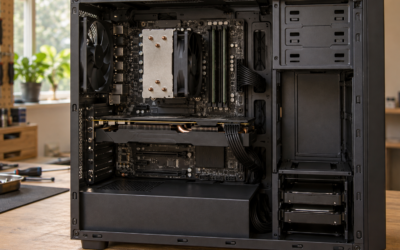
The practical build details matter before you order. The RTX 5070 is the more efficient card at 250W, comfortable on a quality 650W power supply, while the RX 9070 XT draws around 304W and typically wants a stronger 750W unit. If your PSU is modest, the Nvidia card is the safer fit.
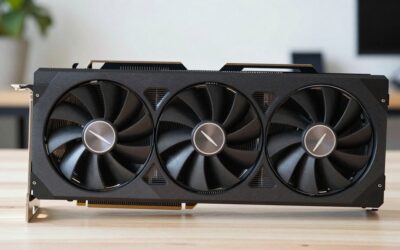
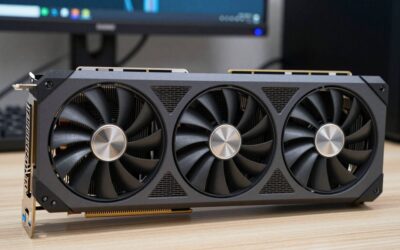
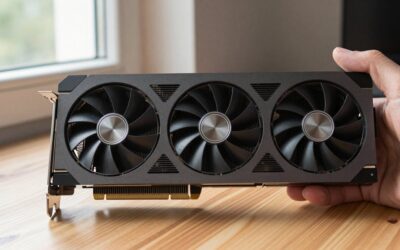
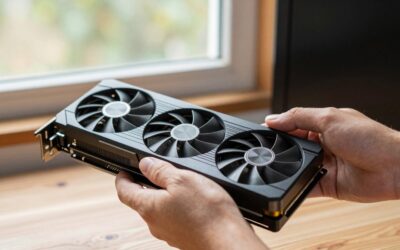
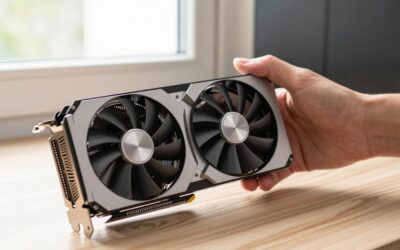
Both are widely available as dual- and triple-fan models, so check your case’s maximum GPU length before buying, especially for the beefier RX 9070 XT designs. Confirm your PCIe power connectors match as well.
Both use modern PCIe interfaces that run fine on existing boards, so neither forces a platform upgrade. That keeps the real cost limited to the card itself, though the RX 9070 XT’s higher power draw may factor into your PSU planning.
That power gap is the one practical caveat for the AMD card. If you are reusing an older 600W-class supply, the RX 9070 XT may push you toward a PSU upgrade that the more efficient RTX 5070 would not, a hidden cost worth factoring into the comparison.
Price, Timing, and the Final Recommendation
Performance is half the decision; price and timing are the other half, and the current market context genuinely rewards buying deliberately. This section covers the pricing climate, the honest pros and cons, and a clear who-buys-what verdict, plus an alternative pick.
Is Now the Right Time to Buy?
Pricing context matters because both cards sit in a strained upper-mid-range market. Component and laptop prices have been trending upward, with memory a major driver, and that pressure feeds straight into street prices. In practice, both the RTX 5070 near $549 and the RX 9070 XT near $599 can drift above MSRP depending on stock and model.
The positive news is real but weak and distant. Prices have stopped climbing as steeply as they did in late 2025, and the market has entered a period of relative stability, though analysts still warn of ongoing volatility. “Stable” here means plateaued, not falling — the sharp increases paused, but a broad price cut has not started.
New supply is opening the long-term relief valve: OEMs can source DDR5 from Chinese suppliers such as CXMT, and Micron is building two plants in Idaho. The catch is timing — those fabs are not expected online until 2027–2028. For a buyer today, the conclusion is blunt: meaningful relief is years away, so waiting for a dramatic 2026 discount is a weak plan. Buying a well-matched card during a stable window beats gambling on a drop the supply data says will not arrive soon. It is worth locking in a fair current price before the next swing.
Pros and Cons of the RTX 5070 and RX 9070 XT 16GB
RTX 5070 strengths: DLSS 4 multi-frame generation, superior ray tracing, better efficiency at 250W, GDDR7 bandwidth, and Nvidia’s mature ecosystem. Its trade-offs: only 12GB of VRAM on a narrower bus, which can be tighter at maxed 4K.
RX 9070 XT 16GB strengths: strong raw rasterization, 16GB VRAM, a wide 256-bit bus, and excellent high-refresh 1440p and 4K value. Its trade-offs: higher 304W power draw demanding a stronger PSU, weaker ray tracing, and an upscaler still catching DLSS on polish.
The pattern is clean: the RTX 5070 competes on features and efficiency, the RX 9070 XT on raw performance and VRAM. Whichever set fits your priorities should decide the pick.
The Alternative Pick and Final Verdict — Who Buys What
If both stretch your budget, the RTX 5060 Ti 16GB or RX 9060 XT 16GB step down a tier while keeping 16GB and modern features at a lower price — a sensible compromise for 1440p-focused gamers who do not need the extra 4K muscle.
For the final call: buy the RTX 5070 if you prioritize ray tracing, DLSS 4, and efficiency, and 12GB covers your resolution. Buy the RX 9070 XT 16GB if you want the strongest rasterization, more VRAM, and the best high-refresh value, and can supply its higher power draw.
For most upper-mid-range buyers in 2026, the RX 9070 XT 16GB is the raw-performance and value recommendation while the RTX 5070 is the features recommendation — both are excellent, and your resolution and priorities decide the winner. Ready to choose? Compare today’s live prices on both and grab the card that fits your build.
See More:
- 3060 Ti vs 9060 XT
- Nvidia Shield TV Pro
- RTX 5070 vs RX 9060 XT
- RTX 3090 24GB
- Nvidia price prediction
Conclusion
The RTX 5070 12GB vs RX 9070 XT 16GB decision comes down to features versus raw performance and VRAM. The RTX 5070 wins on DLSS 4, ray tracing, and efficiency, making it the pick for players who want the best upscaling and ray-traced visuals. The RX 9070 XT 16GB wins on rasterization, memory, and high-refresh value, making it the smart buy for those chasing the most frames and 4K headroom. With pricing stable but real relief years away, buying a well-matched card now is the rational move. Check the current listings and secure the GPU that fits your resolution and priorities today.
Frequently Asked Questions
Which card wins in raster and in ray tracing?
The RX 9070 XT is the stronger raster performer, typically leading by a meaningful margin at 1440p and 4K thanks to its 4096 RDNA 4 stream processors and 256-bit bus. In heavy ray traced workloads the gap narrows considerably because RDNA 4 improved but NVIDIA still holds an advantage in the most demanding path traced titles.
Does 12GB versus 16GB really matter?
At 1440p today both are usable, but 12GB is the tighter budget once you enable ray tracing, frame generation and ultra texture packs, all of which consume additional memory. For 4K or long-term ownership the extra four gigabytes on the AMD card provides genuine insurance against future texture requirements and mod-heavy setups.
What power supplies do they need?
The RTX 5070 is rated near 250W, usually presented through a 12V-2×6 connector with a dual eight-pin adapter, and works well on a quality 650W unit. The RX 9070 XT is rated around 304W with two or three eight-pin inputs and deserves 750W or more to absorb transient spikes without tripping protection.
How do DLSS 4 and FSR 4 compare now?
FSR 4 moved to a machine learning model and looks dramatically better than earlier versions, closing most of the visible quality gap. DLSS still wins on breadth of game support and on multi frame generation, which is exclusive to Blackwell hardware. If your favourite games lack FSR 4 support, that ecosystem advantage matters.
Is the price difference justified?
The 9070 XT normally costs more but delivers more raster performance, more VRAM and better 4K headroom, so cost per frame is competitive. The 5070 is cheaper to buy, cheaper to power and easier to fit into an existing mid-range system. Decide based on whether your PSU and case can accommodate the larger, hungrier card.

Write Your Review
No reviews yet. Be the first to share your experience!