
NVIDIA 3050 drivers keep this popular entry-level card running smoothly, and getting them right is the simplest way to get the most from a budget-friendly GPU. The RTX 3050 is a favorite for affordable 1080p gaming, and keeping its drivers current unlocks better performance in new games, useful fixes, and features like advanced upscaling that stretch its value further. This guide explains why the drivers matter, how to download and update them correctly, and how to troubleshoot the issues that occasionally appear, so your RTX 3050 keeps delivering solid, dependable gaming on a budget.
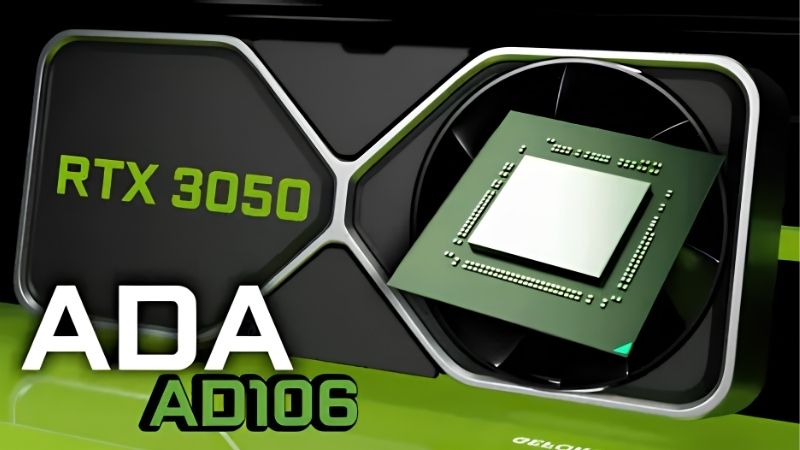
Why NVIDIA 3050 Drivers Matter
Before updating anything, it helps to understand why current drivers are worth the small effort even on an affordable card like the RTX 3050. Drivers do far more than fix bugs, shaping how well this entry-level card handles modern games. A little understanding helps you get the most from your investment.
What the Right Drivers Do
A graphics driver is the software that lets your operating system and games communicate with your RTX 3050, so keeping it current directly affects how well everything runs. Updates bring performance optimizations for new games, bug and stability fixes, security patches, and support for the latest titles and features.
For a budget card, squeezing out every bit of available performance matters even more, since you want the best possible experience from affordable hardware. A well-optimized driver can meaningfully improve how new games run on the RTX 3050, making regular updates a smart, cost-free way to get more from your card.
Updated drivers also improve stability for everyday use and help you access features like the advanced upscaling technology that can boost frame rates, which is especially valuable on an entry-level card. In short, current drivers are the foundation of getting the best from an RTX 3050.
Game Ready vs Studio
NVIDIA offers two driver branches, and knowing the difference helps you choose. Game Ready drivers are optimized for the latest games and release frequently, making them the default choice for gamers who want the best performance in new titles, which suits most RTX 3050 owners.
Studio drivers instead prioritize stability for creative applications like video editing and 3D work, releasing less often with extra testing. If you use your RTX 3050 for content creation, the Studio branch is worth considering, while gamers are generally better served by Game Ready, and you can choose during installation based on your needs.
The choice is not permanent, so you can switch branches later with a fresh installation if your priorities change. In practice, most RTX 3050 owners stay on Game Ready, since it delivers solid stability for everyday use while prioritizing new-game performance, but it is helpful to know the Studio option exists if creative work ever becomes the main way you use the card.
Getting the Most from an Entry-Level Card
On a budget card like the RTX 3050, keeping drivers current is one of the easiest ways to maximize the value you get, since it costs nothing and can improve performance in new games. Staying updated ensures the card keeps pace with the latest titles as well as its hardware allows.
Pairing current drivers with features like advanced upscaling helps the RTX 3050 punch above its weight, delivering smoother frame rates than raw hardware alone would suggest. A well-maintained RTX 3050 remains a capable 1080p gaming card, and keeping its drivers fresh is how you get the longest, best value from it.
Getting good value from budget hardware is largely about small, cost-free habits like this, and driver upkeep is one of the easiest. Since updates are free and can improve how new games run, keeping the RTX 3050 current is a simple way to ensure you are always getting the full performance your money paid for, rather than leaving potential improvements unclaimed on an already affordable card.
How to Download and Update NVIDIA 3050 Drivers
Updating is straightforward once you know your options, from the simple automatic method to a thorough clean installation. Choosing the right approach ensures the update goes smoothly and delivers its benefits without leaving old files behind to cause trouble.
Getting the Right Driver
The easiest method is the NVIDIA app, which detects your RTX 3050, checks for new drivers, and installs them in a few clicks while letting you pick between Game Ready and Studio branches. For most users this is all they need, keeping the process simple and reliable.
For more control, you can download drivers directly from NVIDIA’s official website by selecting the RTX 3050 and your operating system, ensuring you get exactly the version you want. Always download from official sources to avoid unsafe or incorrect files, and note the version you install so you can identify it later if needed.
Using only official channels matters, since drivers from unofficial sites can be outdated, wrong for your card, or unsafe. Both the NVIDIA app and NVIDIA’s official website are trustworthy and always provide the correct drivers for the RTX 3050, so there is never any reason to look elsewhere, which keeps your system safe and your card properly supported at no cost.
Clean Installation
When troubleshooting or making a big version jump, a clean installation is the most reliable route. During installation, choosing the custom option and selecting a clean install removes old driver files before installing the new ones, eliminating leftover data that can cause conflicts.
A clean install takes a little longer and briefly disrupts your display as the driver reloads, which is normal. If your RTX 3050 has accumulated several driver versions over time, an occasional clean install is a good way to clear out lingering issues and get the card back to a stable, predictable state.
Treat a clean install as occasional maintenance rather than a routine necessity. You do not need one with every update, but running one now and then, or whenever the card behaves oddly, keeps the driver stack tidy. For a budget card that may see plenty of gaming across many driver releases, this simple reset often clears up puzzling glitches that would otherwise be hard to trace.
Pros and Cons of Frequent Updates
Weighing the trade-off helps you update wisely. On the plus side, staying current brings performance gains in new games, bug and security fixes, and access to the latest features, all of which help your RTX 3050 deliver the best possible experience from affordable hardware.
On the downside, updating too eagerly can occasionally introduce a new issue, and a rare problematic driver can cause instability until a fix arrives. That is why a measured cadence, updating around games you care about or every month or two rather than with every release, is the smart approach, capturing the benefits while minimizing the small risk of a bad update.
Troubleshooting NVIDIA 3050 Driver Issues
Most updates go smoothly, but occasionally one causes a problem, and knowing how to respond keeps a minor hiccup from becoming a headache. A few standard fixes resolve the vast majority of RTX 3050 driver issues quickly and safely.
Common Problems and Fixes
If an update fails or causes glitches, the most reliable fix is a clean installation that fully removes the old driver before installing fresh. Restarting your PC before and after updating also clears many temporary issues, and confirming you downloaded the correct driver for the RTX 3050 prevents mismatches that cause problems.
If trouble continues even after a clean install, it is worth checking the simple things that are easy to overlook, such as making sure Windows itself is fully updated and that the card is seated firmly with any power connector secure. These quick checks occasionally reveal a cause unrelated to the driver, sparing you from reinstalling repeatedly for a problem the drivers were never responsible for.
Black screens or flickering during installation are usually normal and brief as the display driver reloads. If problems persist, downloading the driver directly from NVIDIA and performing a clean install typically resolves what an automatic update could not, getting your card back to proper working order.
Rolling Back a Bad Driver
If a new driver causes worse performance or stability than the previous one, you can roll back to the earlier version. Windows offers a driver rollback option in Device Manager, and you can also download and cleanly install a known-good older driver from NVIDIA’s archive for the RTX 3050.
Rolling back is a valuable safety net, letting you return to a stable state while waiting for a fix. Keeping note of which driver version worked well for your RTX 3050 makes this even easier, so you always have a reliable version to return to whenever a new one causes trouble.
Frequently Asked Questions About NVIDIA 3050 Drivers
These quick answers resolve the questions that most often come up about NVIDIA 3050 drivers.
Does the RTX 3050 still get driver updates? Yes. As an Ampere card, it remains supported with drivers that bring optimizations, fixes, and features for current games.
Do I need to uninstall old drivers first? Not usually, since the installer handles it, but a clean install is worthwhile when troubleshooting persistent problems.
See More:
- NVIDIA
- NVIDIA DeepStream
- NVIDIA GPU driver update
- NVIDIA GeForce NOW download
- NVIDIA RTX A2000 12GB driver
Final Thoughts on NVIDIA 3050 Drivers
Keeping your NVIDIA 3050 drivers current is a simple, cost-free habit that helps this popular entry-level card deliver its best, with better performance in new games, useful fixes, and access to features like advanced upscaling. Choose the branch that fits how you use it, update at a sensible pace, and lean on a clean install or rollback whenever something goes wrong. Stick to official sources, keep a note of any version that runs especially well, and treat clean installs as routine maintenance. Do that, and your RTX 3050 will keep delivering solid, dependable 1080p gaming, proving that a well-maintained budget card can offer excellent value for a long time to come.
As an Amazon Associate we earn from qualifying purchases at no extra cost to you.






Write Your Review
No reviews yet. Be the first to share your experience!