
- Top Pick: Voice Remote Control Replacement Compatible with NVIDIA Shield TV and NVIDIA Shield TV Pro Streaming Media Player Android 4K HDR 2015/2017/2019 All Models (Backlit Buttons)
- Best Value: Replaced Voice G20S Remote Control 2.4G Wireless Air Mouse for Nvidia Shield Projector PC Android TV Box Smart TV
- Premium Choice: Beyution P3700 Voice Replace Remote Fit for NVIDIA Shield TV 2015 2017 2019
Install Nvidia Control Panel is a search that usually starts with frustration: you right-click the desktop expecting the familiar menu entry, and it is simply gone. The good news is that getting the Control Panel back is quick once you know the few reliable methods. This guide explains why the Nvidia Control Panel disappears, walks you through installing or reinstalling it step by step, and covers the troubleshooting and key settings that make it worth having in the first place.
Why the Nvidia Control Panel Goes Missing
Before installing anything, it helps to understand why the Control Panel vanishes, because the cause often points to the fastest fix. In most cases it is not truly uninstalled so much as missing its app package or its desktop shortcut, and knowing which situation you are in saves time and prevents you from doing more work than necessary.
What the Nvidia Control Panel Does
The Nvidia Control Panel is the classic tool for adjusting your GPU’s display and 3D settings, from resolution and refresh rate to per-game image quality and color options. It gives you granular control that many gamers rely on.
It handles things like setting your monitor’s refresh rate, configuring G-SYNC, tuning 3D settings, and managing multiple displays. These are settings you may only touch occasionally but genuinely need when you do.
Because it controls such fundamental display behavior, having it missing can leave you unable to change settings you expect to control, which is exactly why getting it reinstalled matters.
It is worth stressing that these are not obscure settings. Choosing the right refresh rate, enabling variable refresh technology, and setting up multiple monitors are things many gamers need to do at least once, and without the Control Panel those adjustments become far harder, which is why its sudden absence feels so disruptive even to people who rarely open it.
Common Reasons It Disappears
The most frequent cause is that the Control Panel app package did not install or update correctly alongside your graphics driver, so the software is simply absent. Driver updates occasionally leave it behind.
Another common reason is a missing desktop context-menu entry, where the Control Panel is actually installed but its right-click shortcut has vanished, making it seem gone when it is not. A Windows update can also disrupt the app.
Less often, a corrupted installation or a system change removes it entirely. Identifying which of these applies determines whether you need a full reinstall or just to restore a shortcut.
A quick way to tell them apart is to search for the Control Panel in the Start menu. If it appears and opens there, the app itself is installed and you only need to restore the desktop shortcut. If it is nowhere to be found, the app package is genuinely missing and you will need to install it, which points you straight to the correct fix below.
Control Panel vs the Nvidia App
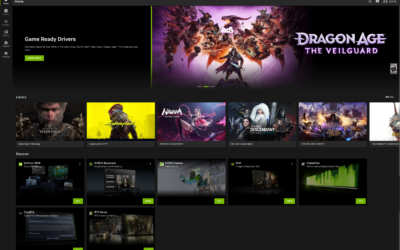
It is worth knowing that Nvidia has been consolidating features into the newer Nvidia app, which now handles drivers, game optimization, and a growing share of settings in one modern interface. Some settings have migrated there.
The classic Control Panel still exists for the detailed display and 3D options many users prefer, so the two coexist for now. You may find the setting you want in either place.
If your Control Panel is missing, installing the Nvidia app is often part of the solution, since the two are closely linked, and the app can help ensure the right components are present on your system.
How to Install the Nvidia Control Panel
With the likely cause identified, installing or restoring the Control Panel is usually a matter of minutes. There are a few reliable routes depending on whether the app package is missing or just its shortcut, and the methods below cover the situations most people run into, starting with the simplest.
Install from the Microsoft Store
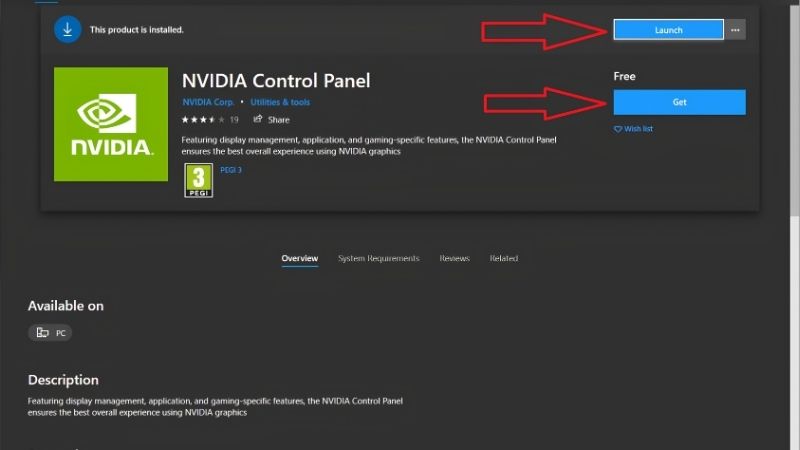
The most reliable modern method is to install the Nvidia Control Panel directly from the Microsoft Store, where Nvidia distributes it as a free official app. This is the cleanest way to get it back.
First, open the Microsoft Store and search for the Nvidia Control Panel. Second, select the official Nvidia listing and click install, then wait for it to download and set up.
Once installed, you can launch it from the Start menu or by right-clicking the desktop, and it will connect to your existing graphics driver automatically. This route avoids touching your drivers at all.
That makes the Microsoft Store method the ideal first attempt for most people, because it is fast, official, and completely separate from your graphics driver. There is no risk to your display setup, no lengthy download of a full driver package, and no restart-heavy process, which is exactly what you want when you simply need the Control Panel back in a hurry.
Reinstall via a Clean Driver Install
If the Store method does not work or the Control Panel is broken rather than merely absent, a clean driver install often restores it. This reinstalls the Control Panel components alongside a fresh driver.
Download the latest driver from Nvidia or use the Nvidia app, choose the Custom installation option, and tick the box to perform a clean installation. This wipes old files and reinstalls everything cleanly.
After the clean install completes and you restart, the Control Panel should be present and functioning again. This method fixes both missing and corrupted installations in one step.
The reason a clean install is so effective is that it does not simply layer new files over the old ones, the way a routine update does. Instead, it removes the previous driver components entirely, including the Control Panel pieces, and lays down a fresh, complete set. That thorough approach clears out whatever corruption or partial installation caused the Control Panel to go missing in the first place, which is why it succeeds even when gentler methods have failed.
Restoring a Missing Desktop Menu Entry
If the Control Panel is actually installed but missing from your right-click desktop menu, you can usually launch it from the Start menu or Windows search instead. It is there, just not where you expected.
Opening the Control Panel and checking its Desktop menu options can let you re-enable the context-menu entry so it reappears when you right-click. This restores the convenient shortcut.
A system restart after making these changes helps everything register properly, so the familiar menu entry returns for good rather than intermittently.
Troubleshooting and Getting the Most From It
Once the Control Panel is back, a little troubleshooting know-how keeps it working reliably, and knowing which settings actually matter helps you get real value from it. This section covers the common errors people hit, weighs the Control Panel against the newer Nvidia app, and points to the settings most worth adjusting.
Fixing Common Control Panel Errors
A frequent error is a message that Nvidia display settings are not available, which usually means the Control Panel cannot detect a properly installed driver. A clean driver reinstall typically resolves it.
If the Control Panel opens but is missing sections, an outdated or partial driver is often to blame, and updating to the latest full driver restores the missing options. Keeping drivers current prevents most of these issues.
Restarting the Nvidia display services through your system, or simply rebooting, clears many transient glitches that make the Control Panel misbehave after an update.
Pros and Cons of Control Panel vs Nvidia App
Control Panel pros: deep, granular display and 3D settings, a familiar layout longtime users know, and precise control over options like refresh rate and G-SYNC. Cons: an older interface and features gradually migrating elsewhere.
Nvidia app pros: a modern, unified interface handling drivers, optimization, and increasingly the settings themselves. Cons: some advanced options still live only in the classic Control Panel for now.
For most users the two work together, so keeping both installed gives you the modern convenience of the app and the deep control of the Control Panel whenever you need it.
See More:
Key Settings Worth Adjusting
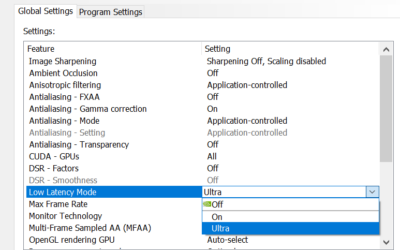
Once you have the Control Panel installed, a few settings are worth a look. Setting your monitor to its highest supported refresh rate is a common one people forget, and it makes gaming noticeably smoother.
Enabling G-SYNC if your monitor supports it reduces screen tearing, and adjusting the 3D settings lets you balance image quality against performance in your games. These tweaks can meaningfully improve your experience.
It is worth exploring the display and video sections too, where you can fine-tune color settings, scaling, and how games handle your monitor’s native resolution. Spending a few minutes here once, after a reinstall, ensures your setup is actually taking full advantage of your monitor rather than running on cautious defaults that leave performance or image quality on the table. It is a small investment of time that keeps paying off every session you game afterward.
If, after optimizing every setting, your card still cannot hit the performance you want, the limitation is likely the hardware itself. Use the links on this page to compare modern GPUs and see what an upgrade would add to your setup.
Learning to install Nvidia Control Panel is a small skill that saves real frustration, since the Microsoft Store method or a clean driver install will reliably bring it back whenever it goes missing.
Whether you install the Nvidia Control Panel from the Store or restore it through a fresh driver, keeping it alongside the Nvidia app gives you full control of your display, and a clear signal when only new hardware can take you further.
Frequently Asked Questions
How do I install the Nvidia Control Panel?
It normally installs automatically with the display driver. If it is missing, the supported route is the Microsoft Store, which distributes it as a separate package on modern Windows builds. Alternatively, reinstall the graphics driver using the clean installation option, which restores the Control Panel and its Windows Store dependency.
Why has the Control Panel disappeared from my right-click menu?
Windows 11 moved several entries behind the show more options submenu, so it may simply be hidden rather than missing. Other causes include the Nvidia Display Container service being stopped, a driver installed without the panel component, or a Windows feature update that broke the Store package registration.
Is the Control Panel being replaced by the Nvidia App?
Largely yes. Nvidia has been migrating display, colour, G-SYNC and 3D settings into the Nvidia App, which is now the primary interface. The legacy Control Panel remains available for some options and for users who prefer it, but new development and most user-facing settings work is happening in the App.
Do I need a Microsoft Store account to get it?
No account or payment is required; the package is free and can be installed without signing in on most configurations. On systems where the Store is disabled by policy, such as some corporate or education builds, reinstalling the full driver package with clean installation is the reliable alternative.
What should I do if it still will not open?
Open services.msc and confirm Nvidia Display Container LS is running and set to automatic, then restart it. If that fails, run DDU in Safe Mode to remove the driver entirely and reinstall the latest package fresh. A corrupted driver installation is the most common underlying cause of a Control Panel that launches and closes instantly.
As an Amazon Associate we earn from qualifying purchases at no extra cost to you.



Write Your Review
No reviews yet. Be the first to share your experience!