
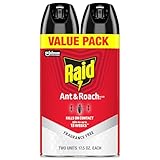
- Top Pick: Raid Ant & Roach Killer Bug Spray, Fragrance Free, 17.5 oz, 2 Count | Kills Ants & Roaches on Contact, Keeps Killing For Up to 13 Weeks, For Home Use, No Lingering Chemical Odor
- Best Value: EcoVenger Ant Killer Insect Spray Plant-Based 16 OZ | Fast Kills House Ants Fire Ants, Residual Deterrence, Nest Treatment, Plant-Based Child and Pet Safe, Citrus Scent.
- Premium Choice: Raid Ant & Roach Killer Spray, Outdoor Fresh Scent, 17.5 oz | Kills Ants & Roaches on Contact, Keeps Killing For Up to 13 Weeks, For Home Use, No Lingering Chemical Odor
For a quick fix on visible ant trails, a vinegar-and-water wipe removes the scent trail, while for killing the colony the best-supported homemade option is a dilute sugar and boric acid bait, which is not a spray. A spray alone mostly kills the ants you can see, so which recipe suits you depends on whether you want to clean a trail or reach the nest.
As an Amazon Associate we earn from qualifying purchases at no extra cost to you.


Homemade Options Compared
| Option | Best for | What sources report | Limits and cautions |
|---|---|---|---|
| Vinegar and water wipe | Cleaning ant trails on counters | Extension summaries describe a roughly 1:1 mix to remove the pheromone trail | Effect is temporary; does not kill the colony |
| Soapy water spray | Killing ants you can see | Pest sites describe it as a contact option | Does not reach the nest |
| Dilute sugar and boric acid bait | Reaching the colony | University of Hawaii CTAHR extension lists a bait recipe | Hazardous if eaten by children or pets; some species ignore it |
| Borax and sugar paste or syrup | Outdoor or hidden placement | Popular online; ratios vary widely | Too much borax can make the bait repellent; harmful if swallowed |
What the Extension Source Says About Bait
The University of Hawaii CTAHR extension sheet on sugar and boric acid bait gives a dilute recipe: one teaspoon of boric acid and three tablespoons of white sugar in a two-cup measuring cup, filled to about the 1 and three-quarter cup line with warm distilled or bottled water. The sheet describes pouring it into small containers filled with cotton or other absorbent material and placing them where ants are active. It says to check weekly, refresh as needed and allow ants to feed for up to a month or two.
The dilution is the point. Foraging ants must carry the bait back alive to feed the queen and larvae, so a weak mix works better than a strong one. Sources warn that a recipe with too much borax can be repellent, so ants avoid it. The same sheet adds that bait may not work fully on some species, including pharaoh, carpenter, bigheaded and Mexican ants, and that correct identification matters.
Safety Comes First
Boric acid and borax are not harmless kitchen items. Sources report that Health Canada advises against making borax bait at home, and that the University of Saskatchewan warns the mix can harm or kill children or pets that eat it. NC State Extension advises placing baits out of pets’ reach. If you have small children, dogs, cats or other animals, skip homemade borax bait or use a tamper-resistant commercial bait station instead. If anyone swallows bait, contact a poison control centre or a doctor straight away.
Label containers clearly, never store them with food, wear gloves when mixing and wash hands afterwards. Do not use a kitchen measuring cup for food later.
How to Use Each Homemade Option
Vinegar wipe
Mix equal parts white vinegar and water in a spray bottle. Wipe the ant trail and the entry point, and let the surface air dry. Extension summaries say the effect fades, so repeat when ants return. Do not spray right next to a bait station, because pest sites note ants may avoid the area and ignore the bait.
Soapy water
A few drops of dish soap in a bottle of water kills ants on contact. It is useful for a swarm on a patio but does nothing about the colony.
Sugar and boric acid bait
Follow the extension recipe if you decide to use it. Place bait where ants travel and away from reach, keep it moist, and let ants feed. Expect ant numbers to rise at first as more workers find the bait. Killing them early defeats the purpose.
Pick X If… Decision Table
| Situation | Pick |
|---|---|
| A few ants on the kitchen counter | Vinegar wipe and thorough cleaning |
| Ants keep returning from the same crack | Seal the entry point and use a commercial bait station |
| Outdoor nest near a patio and no pets | Dilute sugar and boric acid bait as the extension describes |
| Home with toddlers or pets | Tamper-resistant bait stations, not open homemade bait |
| Carpenter ants or damage to wood | A licensed pest professional |
Commercial Alternatives
- Enclosed bait stations: Contain the bait inside a plastic housing, which reduces access for children and pets compared with open dishes.
- Gel baits: Applied in small dots along trails. Follow label directions on placement.
- Perimeter products: Used outdoors along foundations, according to their labels.
Prevent Ants From Returning
- Wipe crumbs and sticky spills, and keep sweet foods sealed.
- Rinse recycling and empty pet bowls after meals.
- Seal cracks around windows, pipes and baseboards.
- Trim plants that touch the house, since they act as bridges.
- Fix leaks, because moisture attracts several ant species.
Common Mistakes
- Using a strong borax mix, which ants then ignore.
- Spraying the trail near a bait, which breaks the bait’s pull.
- Killing the foragers and expecting the colony to disappear.
- Leaving bait within reach of pets.
- Skipping species identification.
Identify the Ant First
Treatment choices depend on the species. Small sugar-loving ants, such as the ones that stream across kitchen counters, often take sweet bait. Greasy-food feeders may ignore sugar and prefer protein or oil baits. Carpenter ants nest in damp or damaged wood and call for inspection of the structure, not just a spray. Take a clear photo and compare it with your local extension service’s ant identification pages, or bring a sample in a sealed container to an extension office. The Hawaii extension sheet itself stresses identification before baiting.
Where Ants Come From
Follow the trail for a day or two before treating. Mark the entry crack and the food source. Outdoor trails leading to a wall crack, a dripping tap or a plant touching a window show where sealing and cleaning will help more than any recipe. Once you know the route, place bait close to the activity but out of reach of children and pets, and wait without disturbing the trail.
Frequently Asked Questions
Does vinegar kill ants?
It can kill some on contact, but its main use is wiping away the scent trail ants follow. Extension summaries describe the effect as temporary and not a colony control.
Is borax and sugar bait safe?
It is toxic if eaten, and sources warn it can harm children and pets. Use enclosed commercial stations if animals or small children are around.
Why are there more ants after I put out bait?
More workers find the bait and carry it back, so activity often rises first. Resist spraying them, since the bait needs to travel to the nest.
How long does bait take?
The Hawaii extension sheet says ants may feed for up to one or two months. Timing depends on species and colony size.
When should I call a professional?
Call if you suspect carpenter ants, see ants emerging from walls in large numbers, or if baiting does not help after several weeks.
Can I use these outdoors?
Yes, but protect bait from rain, keep it away from pets and wildlife, and follow local rules on pesticide use.





Write Your Review
No reviews yet. Be the first to share your experience!