
- Top Pick: Neoxlem Waterproof Rain Boots Women Non-slip Garden Shoes Chelsea Bootie | Comfortable Ankle Rubber Boots, Hiking Walking Work Shoes
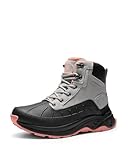
- Best Value: NORTIV 8 Women's Waterproof Hiking Boots,Light Grey/Pink,8 | Lightweight Mid-Cut Hiking Work Winter Rain Hunting Duck Boot Trail Camping Trekking Walking Comfortable Outdoor Boot
- Premium Choice: XPETI Men’s Thermator Mid-Rise Waterproof Hiking Boot Insulated Non-Slip camouflage 9
For hiking in wet, muddy or cold conditions, a neoprene-lined rubber boot with a shaped footbed and a steel or composite shank, such as the Muck Boot Arctic Sport line or Le Chameau’s Vierzon-style boots, will serve better than a fashion rain boot like the Hunter Original, which is built for city wear. Rubber boots are waterproof and easy to clean, but they are heavier and less breathable than leather or fabric hiking boots, so they suit short, wet trails, bogs, creek crossings and shoulder-season walks more than long alpine days. Gamers who like to head out for streaming-free weekends should still pick on fit and terrain first.
As an Amazon Associate we earn from qualifying purchases at no extra cost to you.


Boot types at a glance
| Boot | Type | Best for | Limits |
|---|---|---|---|
| Muck Boot Arctic Sport | Neoprene-lined rubber boot | Cold, wet, muddy trails and chores | Warm and heavy; may be too hot in summer |
| Le Chameau Vierzonord / Vierzon-style | Hand-built rubber boot with lining | Countryside and long wet walks | Premium tier; sizing guidance from the maker is important |
| Xtratuf Legacy | Neoprene boot popular in wet work | Wet, slippery ground | Less ankle support than a hiking boot |
| Bogs Classic style | Insulated waterproof boot | Cold muddy walking | Check the style for outsole grip |
| Hunter Original Tall | Fashion and garden rain boot | Short walks, puddles, town | Not designed for rough trails; limited support |
Why rubber boots for hiking at all
Rubber is fully waterproof by construction, with no membrane to fail, and it cleans with a hose. That is attractive for marshy trails, wet grass, flooded paths, creek crossings and wading through slush. The trade-off is weight and warmth. Rubber does not breathe, so sweat can build up on long walks. Outdoor gear outlets note that rubber boots are best for short to moderate distances, with warm socks for cold weather and moisture-wicking socks for sweat.
What to look for
Lining and insulation
Neoprene lining, used by Muck Boot and Xtratuf, adds warmth and cushioning. Makers publish temperature ratings for some models, and these are guides rather than guarantees. Thin cotton linings keep boots cooler but offer less warmth.
Outsole grip
For trails, look for a lugged outsole with a defined heel. A flat sole, common on fashion boots, is slippery on mud and rock. Check the maker’s description of the outsole pattern and compare with hiking boot treads.
Support: shank and footbed
Long walking needs a stiffer midsole or shank and a shaped footbed. Without them the foot works harder and fatigues sooner. Some makers describe steel or composite shanks; confirm for the specific model.
Height and fit
Taller boots protect against deeper water but flex at the ankle and calf. A loose fit causes heel lift and blisters. Boots with adjustable calf gussets or straps are easier to fit. Try them with the socks you plan to wear, and check the maker’s size chart, since rubber boots often fit differently from sneakers.
Weight
Rubber boots weigh more than most fabric hikers. Weight matters over miles, so consider shorter boots or lighter constructions for longer routes.
Pick X if
| Pick this | If you |
|---|---|
| Muck Boot Arctic Sport | walk cold, wet terrain and want insulation |
| Le Chameau style boot | want a refined, long-lasting boot and accept a premium tier |
| Xtratuf Legacy | need sure traction on wet ground and slippery surfaces |
| Bogs insulated boots | need cold-weather protection and easy on-off |
| Hunter Original Tall | want a stylish boot for short outings, not a trail workhorse |
| Waterproof leather hiking boots instead | plan all-day trails, steep climbs or warm weather |
Comfort and care tips
- Wear moisture-wicking socks in mild weather and thicker wool blends when cold.
- Dry boots at room temperature, away from direct heat, which can damage rubber and linings.
- Store them out of strong sunlight and extreme temperature to reduce cracking.
- Rinse mud off, since grit can wear the rubber and the lining.
- Use insoles if the maker’s footbed is thin, if the boot allows it.
Alternatives
Waterproof hiking boots. Leather or fabric boots with a membrane breathe better and weigh less. Many outlets recommend them for long trails.
Gaiters and trail shoes. For wet but not deep terrain, gaiters with waterproof shoes can be lighter than full rubber boots.
Hybrid boots. Some brands sell boots mixing rubber lower sections with a fabric or leather upper. They add breathability but may reduce full waterproofing.
Wading or fishing boots. If you will be in streams, purpose-built wading boots offer grip and drainage.
Common mistakes
- Choosing a fashion boot for a rough trail.
- Ignoring the sizing guide and buying a size that causes heel slip.
- Wearing cotton socks, which hold moisture.
- Overheating in insulated boots on a mild day.
- Planning an all-day mountain route in boots designed for chores.
Frequently Asked Questions
Can rubber boots be used for serious hiking?
They can for short to moderate wet routes. Rubber boots are heavy and do not breathe well, so for long mountain days a waterproof hiking boot is usually more comfortable. Choose boots with a shaped footbed and lugged outsole if hiking is the plan.
What is the difference between a rain boot and a hiking rubber boot?
Fashion rain boots often have thin soles and little support, while hiking-oriented rubber boots have deeper treads, stiffer midsoles and sometimes a neoprene lining. Maker descriptions will tell you which category a model falls into.
How do I stop blisters in rubber boots?
Choose the right size so the heel stays put, wear moisture-wicking socks and break the boots in on short walks. If hot spots appear, stop and adjust socks or lacing straps where available.
Are neoprene-lined boots too hot in summer?
They can be. Neoprene traps heat, so look for lighter-lined or unlined options in warm weather, or use them only for cool, wet days.
How should I care for rubber hiking boots?
Rinse off mud, dry at room temperature away from direct heat and store away from strong sun. Follow the maker’s care instructions for lining and soles.
Do rubber boots provide ankle support?
Generally less than lace-up hiking boots. Some models have a stiffer shank and snug fit, but if you need firm ankle support on uneven ground, consider a laced boot.





Write Your Review
No reviews yet. Be the first to share your experience!