
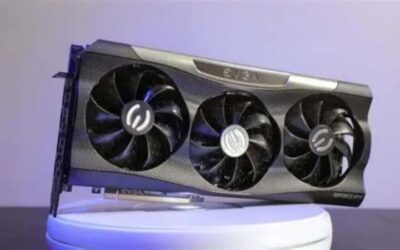
- Top Pick: EVGA GeForce GTX 1070 SC GAMING ACX 3.0 Black Edition, 8GB GDDR5, LED, DX12 OSD Support (PXOC) 08G-P4-5173-KR (Renewed)
- Best Value: Nvidia GeForce GTX 1070 Founders Edition (Renewed)
- Premium Choice: MSI Gaming GeForce GTX 1070 8GB GDDR5 SLI DirectX 12 VR Ready Graphics Card (GTX 1070 ARMOR 8G OC) (Renewed)
GTX 1070 is still one of the smartest used graphics cards a budget builder can hunt for, delivering strong 1080p and genuinely capable 1440p gaming for a fraction of its original price. Years after launch, its 8GB of VRAM and efficient Pascal design keep it relevant in a way few older cards manage. But is the GTX 1070 still worth buying in 2026, and what should you check before handing over your money? This review breaks down the real performance, what owners actually report, and whether this classic deserves a place in your build.
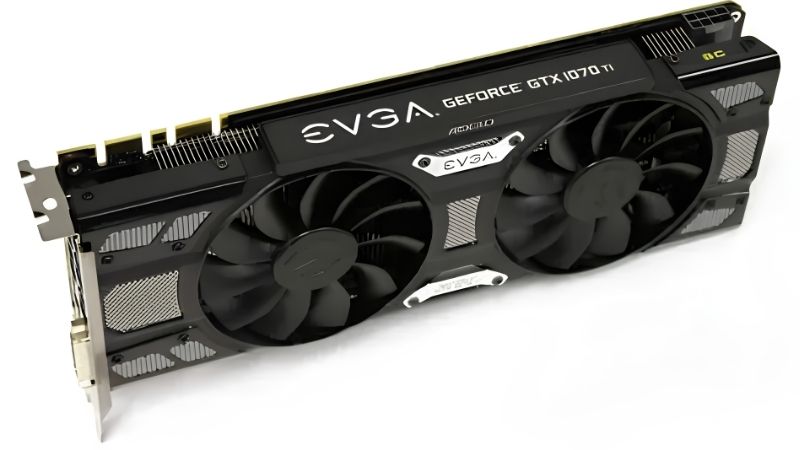
GTX 1070 in 2026: Specs and Real-World Performance
Before deciding whether to buy, it helps to understand exactly what the GTX 1070 brings to the table and how it copes with the demands of modern games. This was an upper-mid-range powerhouse in its day, and much of that strength has aged gracefully, though a few gaps show up against current titles. Here is a grounded look at its specifications and the performance you can realistically expect from it now.
As an Amazon Associate we earn from qualifying purchases at no extra cost to you.




GTX 1070 Key Specs at a Glance
The GTX 1070 is built on Nvidia’s efficient Pascal architecture and pairs a generous memory buffer with a modest power draw, which is a big part of why it remains such an easy card to recommend on the used market.
| Spec | GTX 1070 |
|---|---|
| Architecture | Pascal |
| VRAM | 8GB GDDR5 |
| Memory bus | 256-bit |
| CUDA cores | 1,920 |
| Board power | ~150W |
| Recommended PSU | 500W |
| Typical used price | ~$100–$140 |
The standout GTX 1070 specs are the 8GB of VRAM on a wide 256-bit bus, which together give the card more longevity than many of its contemporaries. Its ~150W power draw is also refreshingly low for the performance on offer, so it stays easy to power and cool in almost any system you drop it into.
These numbers explain why the card has held its value so well. A healthy VRAM buffer combined with real bandwidth means the GTX 1070 rarely feels starved in modern games, even when cheaper cards of the same era have long since fallen behind.
1080p and 1440p Gaming Performance Today
At 1080p, the GTX 1070 remains a strong performer in 2026. It runs the majority of modern games at high settings comfortably above 60 fps, and in esports titles it pushes far higher frame rates that pair nicely with a 144Hz monitor. For anyone asking whether the GTX 1070 is still good for 1080p, the answer is a clear yes.
At 1440p, it holds up better than its age would suggest. In many titles it delivers a smooth experience at medium-to-high settings, and its 8GB of VRAM helps it dodge the texture stutter that smaller-buffer cards run into. The most demanding recent AAA games will need some settings turned down, but the GTX 1070 still gets you a real 1440p experience rather than a slideshow.
The clear limitation is modern features. Because it predates Nvidia’s RTX line, the GTX 1070 has no ray tracing and no DLSS, so it relies entirely on traditional rasterized performance to keep pace with newer games. That is a strength in raw terms, but it means you are buying a pure-performance card with none of the AI-driven extras newer GPUs offer.
What Owners Say: Reliability and Common Complaints
Long-term owner feedback on the GTX 1070 skews strongly positive. Buyers repeatedly praise its durability and the fact that it still runs current games well after years of service, with many specifically seeking one out used because it remains such a dependable 1080p and 1440p workhorse.
The most common complaints in critical feedback are predictable for a card of this generation. Some owners note the absence of ray tracing and DLSS as a reason it feels dated next to newer cards, while a few mention that heavily-used units can arrive with tired fans that need cleaning or replacement to run quietly again.
Taken together, the consensus is that the GTX 1070 is a reliable, high-value used card, provided you buy a clean unit and accept that it is a traditional-rendering GPU without modern AI features. That reputation for longevity is a big reason it stays in demand despite its age.
Is the GTX 1070 Still Worth Buying?
The specs and performance paint a clear picture, but the real question is whether the GTX 1070 fits your specific needs and budget in 2026. That depends on how you play, what resolution you target, and whether modern features matter to you. Here is an honest assessment of where this card still delivers and where its age finally starts to hold it back.
Where the GTX 1070 Still Shines
The GTX 1070 is at its best as a high-value 1080p and entry-level 1440p card. For gamers who play traditional, rasterized titles and want strong performance without spending much, it delivers an experience that comfortably belies its bargain used price.
It is also an excellent choice for reviving an older PC or building a capable first gaming rig. Its healthy 8GB of VRAM and low power draw make it a low-risk, dependable card that will run the vast majority of a typical game library without complaint, and it slots into older systems without demanding a new power supply.
For anyone who does not care about ray tracing and simply wants the most traditional gaming performance per dollar, the GTX 1070 continues to be one of the smartest bargains on the used market, sitting a clear step above entry-level cards while costing very little.
Pros and Cons of the GTX 1070 in 2026
Every used card is a set of trade-offs, and the GTX 1070 is no exception. Here is the direct breakdown to help you decide whether it fits your build.
- Pros: Strong 1080p and capable 1440p performance, generous 8GB VRAM on a wide 256-bit bus, efficient ~150W power draw, proven long-term reliability, excellent value on the used market.
- Cons: No ray tracing or DLSS, aging architecture with no new features, older units may have worn fans, needs lowered settings in the heaviest modern titles.
The balance tips clearly in the GTX 1070’s favor for buyers focused on traditional performance and value, and against it only if you specifically want modern AI features like DLSS or ray tracing.
Power, Heat, and System Requirements
One of the GTX 1070’s underrated strengths is how easy it is to accommodate. Its ~150W draw is modest for a card of this performance, and a quality 500W power supply with a single 8-pin connector is enough to run it reliably in most builds.
Thermally, the card is well-behaved when its cooler is clean, though a used unit benefits from a quick dusting and a check that its fans spin smoothly. It fits standard mid-tower cases without issue, so the vast majority of systems can take one with no modifications at all.
This easy compatibility is part of what makes the GTX 1070 such a practical used upgrade. You rarely need to change anything else in your system to run it, which keeps the total cost of the upgrade low and the process painless.
Buying a Used GTX 1070: Value and Alternatives
If the GTX 1070 sounds like the right fit, the final step is buying wisely, understanding the current market, and knowing your alternatives. Because this card sells almost entirely second-hand, a little care goes a long way toward getting a healthy unit at a fair price. Here is what to check, what the market means for timing, and who should ultimately buy it.
Fair Used Pricing and What to Check
The GTX 1070 typically sells in the $100–$140 range used, depending on condition and the specific model. Aim for the lower end for a card without warranty, and be willing to pay a little more for a clean unit with a robust cooler and a documented history of careful use.
Before buying, ask the seller for photos of the actual card and, ideally, a quick benchmark or temperature screenshot. Confirm the fans spin smoothly, and check that the card has not been physically damaged or crudely modified in ways that hint at rough treatment.
Whenever possible, test the card in demanding games within any return window, watching for artifacts, crashes, or thermal throttling that would flag a tired unit. A well-cooled model from a reputable board partner is worth a small premium for the extra quiet and longevity it brings.
Should You Buy Now? The 2026 Used Market
Timing genuinely affects value here. Component prices have been trending upward again across the PC market, and that pressure flows straight into used GPU listings, where the GTX 1070 lives. Sellers are asking a little more than a year ago, so holding out for a steep discount works against the current direction of the market rather than with it.
The reassuring news is that the market has calmed. Prices have stopped climbing as sharply as they did in late 2025 and have settled into a stretch of relative stability, even if more volatility is possible. Additional memory supply is on the way too, with new fabrication capacity in the pipeline, but those facilities are not expected to run until 2027–2028, so meaningful relief is years out rather than months.
For a used-card buyer, the takeaway is direct: when a clean GTX 1070 appears at a fair price today, it is smarter to grab it than to gamble on a discount the market is not signaling. You can compare current listings and condition through the links here in seconds.
See More:
Alternatives and Final Verdict
The GTX 1070’s closest modern rivals are cards like the RX 6600 and RTX 3060, which offer similar or better raw performance along with modern features such as DLSS and ray tracing. If those extras or lower power draw matter to you, one of those newer cards may be the better long-term buy, and both are worth pricing out before you commit.
That said, the GTX 1070 frequently undercuts those cards on price while matching them closely in traditional performance, which keeps it competitive for pure rasterized gaming. Its 8GB of VRAM also remains perfectly adequate for 1080p and most 1440p gaming, so you are not giving up much where it counts.
The GTX 1070 is the right choice for budget-minded gamers who play traditional titles at 1080p or 1440p and want strong value over modern extras they will not use. It is a weaker fit for anyone chasing ray tracing, DLSS, or maximum future-proofing, who are better served by a newer RTX card.
In summary, the GTX 1070 continues to earn its reputation as a used-market standout, delivering strong 1080p and capable 1440p gaming with a generous VRAM buffer and proven reliability at a bargain price. Its only real drawback is the absence of modern AI features, which matters solely if you specifically want them. For traditional gaming value in 2026, the GTX 1070 remains a genuinely smart buy—just purchase a clean unit while pricing is stable, check it carefully, and it will reward you with years of dependable performance.
Top-Rated Picks

Best Seller
MSI Gaming GeForce GTX 1070 8GB GDDR5 SLI DirectX 12 VR Ready Graphics Card (GTX 1070 ARMOR 8G OC) (Renewed)
Save $10.97

Save $15.02


| Product | Brand | Rating | Reviews | Price |
|---|---|---|---|---|
| ARCTIC MX-4 (4 g) – Premium Performance Thermal Paste… | ARCTIC | ★ 4.8 | 104k | $4.99 |
| ARCTIC MX-4 (incl. Spatula, 4 g) – Premium Performanc… | ARCTIC | ★ 4.8 | 71.9k | $5.49 |
| Crucial 8GB DDR4 RAM 3200MHz (PC4-25600), Downclockab… | Crucial | ★ 4.8 | 62.8k | $74.99 |
| AMD Ryzen 5 5600X 6-core, 12-thread unlocked desktop … | — | ★ 4.8 | 30.2k | $177.60 |
| NVIDIA Shield Remote; Voice Search, Motion-Activated,… | — | ★ 4.7 | 10.6k | $25.99 |
Frequently Asked Questions
Is the GTX 1070 still a good used buy?
At a low price it remains reasonable for 1080p high settings and light 1440p gaming. Its 8GB of GDDR5 on a 256-bit bus gives it more VRAM headroom than many newer budget cards, which helps in texture-heavy titles even though raw shading power is dated.
Does the GTX 1070 still get driver support?
Pascal GeForce cards have moved to a legacy driver branch, so expect security and critical fixes rather than new game-ready optimizations. Established games run well, but recently released titles may have unresolved issues. This is the main long-term risk of buying Pascal hardware in 2026.
What power supply and connectors does it need?
The GTX 1070 has a 150W TDP and reference designs use a single 8-pin PCIe connector, though some partner cards use 8-pin plus 6-pin. A quality 500W to 550W supply is plenty. It is an easy fit for older mid-tower builds without a PSU upgrade.
Can it run modern games at 1440p?
In lighter and older titles yes, around 60fps at medium to high settings. Demanding recent AAA games need 1080p or FSR upscaling to stay comfortable. The 8GB buffer prevents VRAM stutter, so the limitation is shading throughput rather than memory capacity.
Does it support DLSS or FSR?
DLSS is unavailable because Pascal has no tensor cores. FSR and XeSS both work since they run on standard shaders, and FSR in particular is a practical way to gain frame rate on this card. Ray tracing is technically exposed in software but far too slow to use.




Write Your Review
No reviews yet. Be the first to share your experience!