
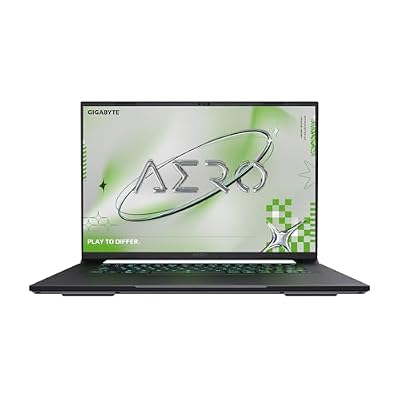
- Top Pick: GIGABYTE AERO X16, Copilot+ PC – 165Hz 2560×1600 WQXGA – NVIDIA GeForce RTX 5070 – AMD Ryzen AI 7 350-1TB SSD with 32GB DDR5 RAM – Windows 11 Home – Lunar White
- Best Value: ASUS ROG Strix G16 (2025) Gaming Laptop, 16” ROG Nebula 16:10 2.5K 240Hz/3ms, NVIDIA® GeForce RTX™ 5070 Ti, Intel® Core™ Ultra 9 Processor 275HX, 32GB DDR5, 1TB SSD, Wi-Fi 7, Win11 Home, G615LR-AS96
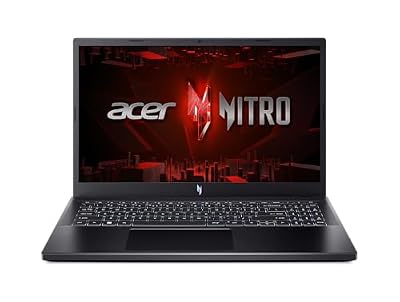
- Premium Choice: msi Cyborg 15.6" AI Gaming Laptop, NVIDIA GeForce RTX 5070, Intel 10-Core 7-240H Series 2(Upto 5.2GHz, >i7-13620H), 144Hz FHD IPS, 16GB DDR5, 1TB SSD, Backlit KB, Wi-Fi 6E, Win 11 Home, w/Res Cooler
Save $356.51


Save $150.00

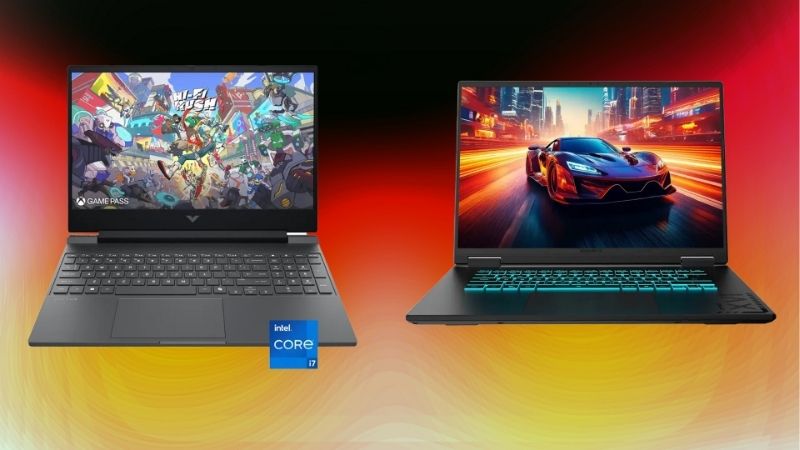
RTX 5070 laptop vs 4070 laptop is the generational question on every upgrader’s mind, because Nvidia’s Blackwell mid-ranger lands with the same 4,608 CUDA cores and 8GB buffer as its Ada predecessor, yet swaps GDDR6 for faster GDDR7 and adds DLSS 4. On paper the core counts match, which makes this less about raw shader brute force and more about architecture, memory bandwidth, and AI features. This comparison breaks down whether Blackwell’s advances justify choosing the newer card in 2026.
The Quick Verdict
For readers who want the answer up front, the matchup is unusually close on raw specs but separated by generation. Your priorities around AI features and bandwidth decide the winner.
As an Amazon Associate we earn from qualifying purchases at no extra cost to you.



The Generational Winner At A Glance
The RTX 5070 laptop wins on future-facing technology, pairing GDDR7 memory with DLSS 4 Multi Frame Generation that the 4070 cannot access. The RTX 4070 laptop wins on value and proven maturity, often available at lower prices while delivering nearly identical raw shader output.
If you want the latest AI features and faster memory, the 5070 is the forward-looking pick. If you want the best price for equivalent core power, the 4070 remains compelling. Compare current configurations of both through the links on this page.
The One-Sentence Recommendation
Buyers chasing the newest Nvidia features should choose the RTX 5070 laptop, while value hunters who prioritize raw frames per dollar may still favor the 4070. The decision rests on how much you weigh DLSS 4 and GDDR7 over a lower price.
This framing matters because the two cards share an identical CUDA count, an unusual situation that shifts the comparison away from brute force and toward architectural refinement.
The Comparison Table And Architecture
A fair generational face-off begins with the numbers, presented below. The key story is not core count, which is matched, but the move from Ada Lovelace to Blackwell and from GDDR6 to GDDR7.
Specifications Side By Side
| Specification | RTX 5070 Laptop | RTX 4070 Laptop |
|---|---|---|
| CUDA Cores | 4,608 | 4,608 |
| VRAM | 8GB GDDR7 | 8GB GDDR6 |
| AI TOPS | 798 | Lower (Ada gen) |
| TGP Range | 50-100W | 35-115W |
| Architecture | Blackwell | Ada Lovelace |
| DLSS | DLSS 4 (Multi Frame Gen) | DLSS 3 (Frame Gen) |
The matched 4,608 CUDA cores mean raw shader throughput is similar, so the 5070’s gains come from elsewhere. Faster GDDR7 memory lifts bandwidth, while the Blackwell architecture unlocks DLSS 4, the single largest experiential differentiator.
Why GDDR7 Matters
The shift to GDDR7 is the 5070’s most tangible hardware upgrade, raising memory bandwidth even though the 8GB capacity is unchanged. Higher bandwidth helps feed the cores in texture-heavy scenes, partially offsetting the shared 8GB ceiling.
This is an analytical edge that benchmarks reveal in memory-bound titles, where the 5070 can pull modestly ahead of the 4070 despite identical core counts. The gain is real but incremental rather than transformative on raw rasterization.
The Power Envelope Difference
The 4070 spans a wider 35 to 115W range, while the 5070 sits at 50 to 100W, reflecting Blackwell’s efficiency focus. A maxed 4070 at 115W can rival the 5070 in pure shader workloads.
This practical detail means implementation matters: a high-wattage 4070 narrows the gap, while the 5070’s value lies more in features than in raw clock-for-clock dominance.
The Deep Dive Face-Off
Past the spec sheet, the two cards separate across raw performance, the AI feature gap, and future optimization potential. Each criterion reveals where Blackwell’s newness pays off and where Ada holds its ground.
Raw Performance Comparison
In traditional rasterization without AI assistance, the two cards land remarkably close, often within single-digit percentages, thanks to matched core counts. The 5070’s GDDR7 bandwidth grants a slight edge in memory-bound scenarios, but not a generational leap.
At 1440p both face the same 8GB constraint, which limits how far either can stretch in the most demanding textures. The practical raster experience is similar, which makes the feature comparison the deciding factor.
DLSS 4 Versus DLSS 3, The Real Divide
This is where the generations truly part ways. The 5070 supports DLSS 4 Multi Frame Generation, which can generate multiple AI frames per rendered frame, while the 4070 is limited to DLSS 3’s single generated frame.
In supported titles, DLSS 4 can lift frame rates substantially beyond what DLSS 3 achieves, though it carries a latency tradeoff that competitive players should weigh. For smoothness in single-player games, this Blackwell-exclusive feature is the 5070’s strongest argument.
Future Optimization And Longevity
The experimental dimension favors the 5070, since Nvidia typically directs its newest driver optimizations and AI feature rollouts toward the current generation. Blackwell cards stand to gain more from future software updates over their lifespan.
The 4070 remains well supported and capable, but the 5070’s architecture is positioned to age more gracefully as DLSS 4 adoption widens. Buyers planning to keep a laptop for several years should factor that trajectory into the decision.
The Alternative, Market Climate And Final Verdict
If neither mid-ranger fits cleanly, another option may serve you, and current conditions should influence your timing. This section covers the alternative, the pricing backdrop, and the final call.
An Alternative To Consider
If the shared 8GB buffer worries you, the RTX 5070 Ti laptop steps up to 12GB of GDDR7 and 5,888 cores, resolving the memory ceiling while keeping DLSS 4. If value is the priority, a discounted 4070 delivers near-equal raw performance for less.
The alternative matters because 8GB is the common limitation here, and the 5070 Ti is the natural step up for those who want both DLSS 4 and more VRAM headroom.
How Pricing And Supply News Shapes Timing
The market favors buying with intent. Gaming laptop prices have kept trending upward under tight memory supply, which affects both Blackwell and Ada machines. The reassuring signal is that the steep late-2025 climb has eased, with some makers noting relative stability, even while warning volatility persists.
Genuine relief remains distant. New DDR5 and GDDR supply is opening from makers like CXMT, and Micron is building two plants in Idaho, but those will not ramp until 2027 to 2028. Because prices have plateaued rather than dropped, waiting is unlikely to make either card meaningfully cheaper in 2026.
Final Verdict And Recommendation
Buy the RTX 5070 laptop if you want DLSS 4 Multi Frame Generation, GDDR7 bandwidth, and the longest software runway. Buy the RTX 4070 laptop if you want equivalent raw shader performance at the best possible price.
Both are strong 1440p-capable choices, and neither disappoints; the right pick depends on whether features or value lead your priorities. Ready to decide? Compare current RTX 5070 and 4070 laptop deals through the links on this page.
Frequently Asked Questions
The RTX 5070 laptop vs 4070 laptop comparison prompts these generational questions, answered clearly.
Is the RTX 5070 laptop faster than the 4070?
In raw rasterization the two are very close, since both share 4,608 CUDA cores, with the 5070 gaining slightly from GDDR7 bandwidth.
The 5070 pulls ahead most in titles that support DLSS 4 Multi Frame Generation, which the 4070 cannot run.
Is DLSS 4 worth choosing the RTX 5070 laptop?
For single-player games where smoothness matters, DLSS 4 Multi Frame Generation is a strong reason to pick the 5070.
Competitive players sensitive to latency may weigh that tradeoff, but the feature meaningfully extends the card’s longevity.
Should I save money with the RTX 4070 laptop instead?
If raw frames per dollar are your priority, a discounted 4070 delivers near-equal raster performance for less.
Buyers who value the newest features and longer software support will prefer the 5070, so it comes down to priorities.
Do both cards have the same amount of VRAM?
Yes, both the RTX 5070 and 4070 laptop carry 8GB, though the 5070 uses faster GDDR7 while the 4070 uses GDDR6. The shared capacity keeps them close in memory-bound scenes.
The 5070’s higher bandwidth gives it a slight edge despite the matching buffer size.
Is the 5070 more power efficient than the 4070?
The Blackwell-based 5070 is engineered for improved efficiency, often delivering similar performance within a tighter power envelope. The 4070 spans a slightly wider TGP range.
In practice, cooling design still shapes the result, so check each laptop’s wattage rating before deciding.
Matching The Card To Your Priorities
The RTX 5070 laptop vs 4070 laptop choice clarifies once you weigh each card’s strengths and weaknesses. The 5070’s strengths are DLSS 4 and GDDR7 bandwidth, while its weakness is a higher price; the 4070’s strengths are matching cores and better value, while its weakness is the lack of DLSS 4. This section pairs each card with its ideal buyer.
Who Should Choose The 5070
The 5070 suits buyers who want the newest features, including DLSS 4 Multi Frame Generation and GDDR7 bandwidth. It is the forward-looking pick for single-player smoothness.
For those planning a multi-year hold, the 5070’s current-generation status promises the longest software runway.
Who Should Choose The 4070
The 4070 fits value hunters who prioritize raw frames per dollar, since its core count matches the 5070 at a lower price. It remains a proven 1440p performer.
For buyers who do not need DLSS 4, a discounted 4070 delivers near-equal raster performance for less.
Making The Final Choice
Decide by priorities: choose the 5070 for DLSS 4 and future support, or the 4070 for equivalent raw performance at a better price. Both carry an 8GB buffer.
Because the cores are matched, the contest hinges on whether the newest features justify the premium for you.
See More:
The Bottom Line
The RTX 5070 laptop vs 4070 laptop verdict is unusual: with matched CUDA cores, the contest is decided by Blackwell’s GDDR7 bandwidth and exclusive DLSS 4 rather than raw shader power, so the 5070 is the feature-forward pick while the 4070 is the value play. Both share an 8GB buffer, so the gap is meaningful in AI workloads but modest in raster, and with prices flat rather than falling, choosing based on whether DLSS 4 matters to you is the smartest move in 2026.





Write Your Review
No reviews yet. Be the first to share your experience!