
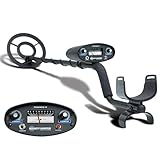
- Top Pick: Bounty Hunter TK4 Tracker IV Metal Detector – All-Terrain Gold, Silver, Coin & Relic Finder with 8" Waterproof Coil, 3 Detection Modes – for Adults & Kids – Made in USA
- Best Value: Garrett ACE 200 Metal Detector for Adults & Kids, Waterproof Coil, USA Made | Lightweight, easy-to-learn entry-level metal detector. Powerful performance for finding coins, jewelry, and relics
- Premium Choice: Bounty Hunter Gold Digger Kids Metal Detector – Lightweight Beginner Metal Detector for Treasure Hunting Coins, Jewelry, Relics & Gold – Waterproof Coil, Trash Eliminator – Made in USA
For relics and coins, a multi-frequency detector with good discrimination and a waterproof coil gives most hunters the widest range of finds: the Minelab Equinox line and the Garrett ACE Apex suit beginners and all-round hunters, the XP Deus II and Nokta Legend suit people chasing small or deep targets, and the Garrett AT Pro or AT Max suit mineralized ground and wet sites. The right choice depends on your soil, your budget tier and how much you want to walk with.
As an Amazon Associate we earn from qualifying purchases at no extra cost to you.


At a Glance: Detectors Worth Shortlisting
| Model | Best for | Key traits the maker lists or reviewers report | Limits |
|---|---|---|---|
| Minelab Equinox series | All-round coins and relics, beach and field | Multi-frequency operation, waterproof design, wireless audio option, multiple search profiles | Premium tier; menus take time to learn |
| Garrett ACE Apex | Beginners and intermediate hunters | Multi-frequency, wireless headphones in the package, lightweight design | Fewer fine-tuning controls than top models |
| XP Deus II | Experienced hunters wanting speed and a light build | Wireless coil and headphones, very light body, many programs | Premium tier; steep learning curve |
| Nokta Legend | Relic hunters in trashy ground | Fast recovery and good target separation, according to reviewers | Needs patience to set up well |
| Garrett AT Pro / AT Max | Mineralized soil, wet ground, shallow water | Waterproof, tough build, strong ground handling | Heavier, single-frequency style performance on small gold-like items |
| Fisher F22 / F44 | Budget to mid-range first detector | Simple controls, weather-resistant design, light weight | Less depth and separation than premium models |
Model names change as makers refresh lines, so confirm the exact version and what is in the box on the maker’s own page before buying. The older Equinox 600 and 800 are previous generation to newer Equinox releases, and they remain widely discussed in used markets.
What “Relics and Coins” Actually Demands
Coins and relics pull in different directions. Modern coins and silver sit in a clear conductive range and are easy to ID on most machines. Relics are a messy category: iron buttons, brass buckles, lead musket balls, copper pieces, and flattened items that read as junk. A detector that rejects iron too aggressively will skip the old, low-conductivity or corroded objects you are actually after. That is why the best relic hunters often run low discrimination and listen to the audio rather than trusting the number on the screen.
Frequency
Lower frequencies generally favour larger and higher-conductivity targets and handle mineralization better. Higher frequencies are sensitive to small, low-conductivity items such as tiny coins and thin relics. Multi-frequency machines such as the Equinox and ACE Apex let you cover both ends, which is why they top most beginner lists. Dedicated single-frequency designs can still beat them in the right ground.
Discrimination and Notching
Discrimination decides what the detector ignores. Notching lets you reject specific numbers, for example a pull-tab range, while keeping neighbouring targets. For relics, keep notching light, and treat the audio tone and signal repeatability as more important than the displayed target ID.
Ground Balance
Wet sand, red clay and heavily mineralized fields confuse cheap machines. Automatic or tracking ground balance helps newcomers; manual control helps advanced users squeeze out extra depth. If your site has bad ground, prioritise ground handling over feature lists.
Coil Size
A medium coil is the sensible default. Larger coils reach deeper but struggle in trash and tight spots, while smaller coils separate targets better in cluttered ground such as old house sites. Many makers sell alternative coils, so check compatibility with your model before buying.
Picks by Budget Tier
Budget
The Fisher F22 and F44 are the usual first-detector suggestions from entry-level reviews. They are light, simple and usable out of the box. The trade-off is less depth and weaker target separation, so you will pass over some deep coins and relics. If you only hunt parks and yards, this tier is enough to learn the hobby before spending more.
Mid-Range
The Garrett ACE Apex sits here and is aimed at people who want multiple frequencies and wireless audio without going to the top tier. Reviewers generally describe it as easy to start with and capable for coins. For relics it is workable, though serious relic hunters tend to outgrow its tuning options.
Premium
The Minelab Equinox series is the common recommendation for people who want one machine for beach, field and shallow water. The XP Deus II is favoured by experienced hunters who value its light weight and wireless coil, and the Nokta Legend is often mentioned for separating good targets from iron. Premium machines reward practice; used without learning them, they perform little better than cheaper models.
Pick X If…
| If you… | Pick | Why |
|---|---|---|
| Are brand new and want simple controls | Fisher F22 or F44 | Few settings, light and quick to learn |
| Want modern features at a middle tier | Garrett ACE Apex | Multi-frequency with wireless audio |
| Hunt beaches, fields and shallow water | Minelab Equinox | Waterproof and flexible across ground types |
| Hunt old house sites full of iron | Nokta Legend | Reviewers cite strong separation |
| Walk for hours and want low weight | XP Deus II | Light body and wireless setup |
| Hunt wet or highly mineralized soil | Garrett AT Pro or AT Max | Rugged build and ground handling |
Fit, Weight and Compatibility Notes
- Weight matters over a long day. Lighter machines reduce arm fatigue, and many hunters add a bungee or harness.
- Check whether headphones are included and whether they are wireless. Some wireless systems need the maker’s own headphones.
- Waterproof ratings differ between coil, control box and headphones. Read the maker’s depth rating for each part before wading in.
- Battery type varies: internal rechargeable packs, AA cells or both. For long trips, AA support is handy.
- Confirm software update and app support if you want firmware improvements.
Common Mistakes
- Buying on depth claims alone. Real depth depends on soil, target size and coil.
- Over-discriminating, which throws away the old, corroded targets relic hunters want.
- Skipping the manual. Most disappointing results come from untuned settings, not bad machines.
- Ignoring local rules. Many parks, historic sites and protected lands restrict or ban detecting, and permission is required on private land. Always check the law before digging.
- Choosing a huge coil for trashy ground.
Alternatives to Consider
If a premium machine feels like too much, a previous-generation Equinox in good condition can deliver much of the same capability for less. If you hunt mainly in water, a dedicated waterproof model with a submersible coil and headphones is worth comparing. If you only want coins and jewelry in clean parks, a simple mid-range machine with fast recovery is a sensible alternative to a relic-focused build. A pinpointer is also a smart add-on at any tier because it speeds up recovery and protects finds from shovel damage.
How to Choose in Five Steps
- Decide where you will hunt: parks, beaches, fields or historic sites.
- Set a budget tier and include a pinpointer, spare coil or headphones if needed.
- Pick a frequency approach that suits your soil.
- Check weight, waterproofing and battery type against your habits.
- Read the maker’s manual and community setup guides for your model before your first dig.
Frequently Asked Questions
What is the best metal detector for a beginner who wants coins and relics?
A mid-range multi-frequency machine such as the Garrett ACE Apex or a basic Equinox model suits most beginners. These handle a range of targets and ground types without heavy tuning. Budget buyers can start with a Fisher F22 or F44.
Is more discrimination better for relics?
No. Heavy discrimination rejects old, corroded and low-conductivity objects that relic hunters want. Many hunters use minimal discrimination and rely on tone and repeatability. You will dig more junk, but you will miss fewer good finds.
Do I need a waterproof detector?
Only if you hunt beaches, streams or wet fields. Waterproof models also cope with rain and dew better. Check which parts, such as the coil and headphones, are rated for submersion.
Does a bigger coil find deeper coins?
Generally yes in clean ground, but larger coils struggle in trashy sites and reduce separation. A medium coil is a balanced starting point. Many makers sell swap coils for specific jobs.
Is it legal to metal detect anywhere?
No. Rules vary by country, state and land type, and many protected or historic sites forbid detecting or digging. Get permission on private land and read local regulations before you start. Artifacts of historic significance may need to be reported.
Is a used premium detector worth buying?
It can be, if the seller is trustworthy and the coil, cable and control box are in good shape. Previous-generation premium models often outperform new entry-level ones. Ask about battery condition and firmware version before buying.





Write Your Review
No reviews yet. Be the first to share your experience!