
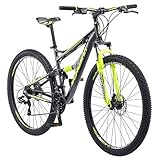
- Top Pick: CYBIC 26 Inch Adult Full Suspension Mountain Bike – 21-Speed Shimano | Dual suspension, dual disc brakes, steel frame. fits 5'3"-5'11" (13+), 265 lbs max
- Best Value: RideOrigin 26" Mountain Bike, Full Suspension, 21-Speed, Disc Brakes, Black | Fits riders 5'2"-5'11" Aluminum Frame, Front Fork & Vertical Rear Coil Shock, 2.35-inch Tires, Shimano 21-speed Gears
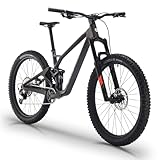
- Premium Choice: SAVADECK Carbon Fiber Soft Tail Mountain Bike All Terrain Suspension Off-Road Fox Front Fork and Adult Racing, Firepower Orange-M6100-12 Speed (Gray, 27.5 * 15.5)
The best used full suspension mountain bike is usually a recent trail bike from a major maker, with a well-documented service history, a frame without cracks, and a rear shock that rebounds smoothly; models in the Trek Fuel EX, Specialized Stumpjumper, Santa Cruz Hightower, Giant Trance and Yeti SB130 families are the usual starting points. Used full-suspension bikes are mechanically complicated, so the details of condition matter more than the badge. This guide explains what to look at and which categories to target.
As an Amazon Associate we earn from qualifying purchases at no extra cost to you.


Used bike categories at a glance
| Category | Travel range (typical) | Example families | Best for |
|---|---|---|---|
| Cross-country | 100 to 120 millimeters | Specialized Epic, Trek Supercaliber, Scott Spark | Fitness and racing |
| Trail | 120 to 140 millimeters | Trek Fuel EX, Specialized Stumpjumper, Santa Cruz Hightower, Yeti SB130 | All-round riding |
| All-mountain or enduro | 150 to 170 millimeters | Giant Reign, Santa Cruz Nomad, Trek Slash | Steep, technical terrain |
| Downhill | 180 millimeters and up | Specialized Demo, Trek Session | Lift or shuttle access only |
Travel numbers are broad classes, not exact promises; the maker spec for each model year gives the real figure.
Pick the category first
Choose by the trails you ride, not by the largest travel number. A 130 millimeter trail bike is a good fit for most riders, who find longer travel bikes heavy and slow on climbs. Ride the same trails with a friend’s bike if you can before buying.
Frame inspection checklist
- Cracks and dents. Examine welds around the head tube, shock mounts, pivots, bottom bracket and chainstays. Carbon frames should be checked for deep gouges, delamination and tap-test dead spots.
- Pivot bearings. Lift the rear wheel, push it side to side and feel for play. Rough or notchy pivots are signs the bearings need replacing.
- Rear shock. Look for oil around the shaft seals, scoring on the stanchion and smooth rebound. A shock that loses air or does not return smoothly needs service.
- Fork. Check stanchions for scratches and oil leaks. Press down on the bars and watch for stiction.
- Drivetrain wear. A worn chain, cassette and chainrings can be a real expense to replace. This is a negotiation point, not a deal-breaker.
- Brakes and rotors. Inspect pad thickness and rotor wear, and check for bleeding needs.
- Wheels. Spin them for true, check spokes and bearings, and look for dents in the rim.
Compatibility and age issues
Standards change often. Check these before you buy:
| Item | Why it matters |
|---|---|
| Wheel size (27.5 versus 29) | Affects handling and tire availability |
| Axle standards (Boost spacing) | Wheels and hubs must match the frame |
| Bottom bracket type | Replacement parts differ |
| Rear shock size and mount | Limits upgrade options |
| Drivetrain speed and standard | Replacement costs differ |
| Dropper post diameter and travel | Sizing for your inseam |
Very old bikes can be difficult to service because parts are discontinued. A bike from the last few years is generally easier to maintain.
Sizing
Use the maker geometry chart rather than just the letter on the frame. Reach, stack, seat tube length and wheelbase differ between brands. Modern trail bikes tend to have longer reach and shorter stems than older designs, so sizing down is often tempting for shorter riders, but check the standover and reach first.
Budget tiers
| Tier | What to expect | Risk |
|---|---|---|
| Budget | Older aluminum bikes, entry-level components | Worn bearings and parts that are hard to find |
| Mid-range | Recent aluminum or carbon trail bikes with decent suspension | Hidden crash damage, overdue services |
| Premium | Late-model carbon bikes with top suspension | Previous owners who rode hard; make sure of the warranty status |
Pick X if
| If this describes you | Pick |
|---|---|
| You ride mixed terrain and want one bike | A 130 to 140 millimeter trail bike |
| You climb a lot and want efficiency | A cross-country or short-travel trail bike |
| You ride steep, rough descents | A 150 millimeter or longer enduro bike |
| You are on a tight budget | An older aluminum bike with a recent service |
| You are new to maintenance | A bike from a major brand with local dealer support |
Buying process
- Decide on category and size.
- Search listings from reputable sellers and ask for service records.
- Ask about crashes, repairs, shock service dates and original receipts.
- Check the serial number against stolen-bike registries.
- Ride it and listen for creaks, clunks and play.
- Consider a pre-purchase inspection by a bike shop.
Alternatives
Hardtail
A good hardtail costs less and needs less maintenance. It gives up comfort on rough terrain but can be a wise first mountain bike.
Certified pre-owned programs
Some makers and dealers run refurbished or certified programs with inspections and limited warranties.
Demo bikes
Demo fleets sold at the end of the season can be good value but may have heavy use.
Common mistakes
- Choosing too much travel.
- Ignoring service history.
- Buying an obsolete standard.
- Skipping the sizing chart.
- Forgetting the cost of new tires and a service.
Note on sourcing
Model families named are established full-suspension lines from major brands; exact travel, weight and parts vary by year. Confirm the specs for the specific model year on the maker’s archive pages. Safety-critical parts such as brakes and frames should be inspected by a qualified mechanic.
Frequently Asked Questions
How old is too old for a used full suspension bike?
There is no fixed age. Condition and parts availability matter more. Bikes with obsolete axles or shock sizes become harder to maintain.
Is carbon riskier to buy used than aluminum?
Carbon can hide damage, so it needs a careful inspection. A quality carbon frame in good condition is fine, but the buyer should ask about crashes.
What service should a used bike have right away?
Suspension service, brake bleed, new chain and a check of pivot bearings are common first steps. A shop can quote them after inspecting.
Does a used bike have a warranty?
Some makers offer limited warranty transfer to a second owner, with conditions. Ask the maker before you buy.
Should I buy 27.5 or 29 inch wheels?
Many modern trail bikes use 29 inch wheels, while shorter riders sometimes prefer 27.5. Pick according to fit and what you ride.
How can I check whether a bike is stolen?
Ask for the serial number and proof of purchase, and search public stolen-bike registries before paying.





Write Your Review
No reviews yet. Be the first to share your experience!