
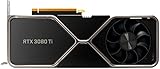
- Top Pick: Geforce RTX 3080 Ti 12GB GDDR6X PCI Express 4.0 Graphics Card Titanium and Black (Renewed)
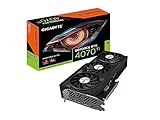
- Best Value: Gigabyte GeForce RTX 4070 Ti WINDFORCE OC 12G Graphics Card, 3X WINDFORCE Fans, 12GB 192-bit GDDR6X, GV-N407TWF3OC-12GD Video Card
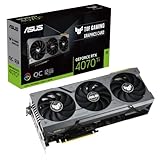
- Premium Choice: ZOTAC Gaming GeForce RTX 4070 Ti Super Solid OC DLSS 3 16GB GDDR6X 256-bit 21 Gbps PCIE 4.0 Gaming Graphics Card, IceStorm 2.0 Advanced Cooling, ZT-D40730RC-10P
Top Rtx 3080 4070 Used Market Picks for 2026
Here are our current top rtx 3080 4070 used market picks, compared on real Amazon owner reviews, price, and features. Live prices update below.


Prime
Limited Time
Geforce RTX 3080 Ti 12GB GDDR6X PCI Express 4.0 Graphics Card Titanium and Black (Renewed)


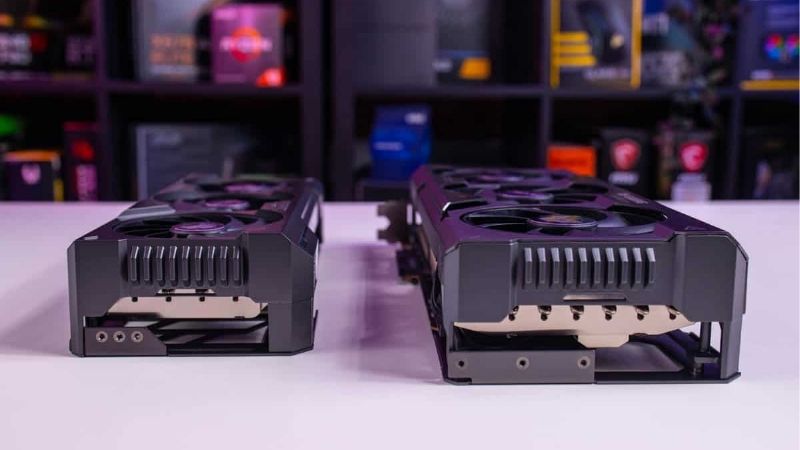
3080 Ti vs 4070 Ti is a comparison the new-card market no longer hosts: both GPUs are discontinued, both trade exclusively on the used and clearance circuit, and both attract the same hunter — the value buyer who knows that yesterday’s $800–$1,200 flagships at today’s $350–$600 represent some of the best raw performance per dollar in PC gaming. The two cards benchmark within sight of each other, which makes this the all-used face-off where everything else decides: a $150–$250 price gap, a 65W efficiency gulf, one generation of frame-generation hardware, and two very different aging curves. This comparison runs the face-off the way used buyers actually experience it — performance per dollar, risk per listing, and lifespan per purchase.
As an Amazon Associate we earn from qualifying purchases at no extra cost to you.



The Quick Verdict: Which Old Flagship to Hunt
The fast answer: hunt the RTX 4070 Ti. It benchmarks 5–15% ahead of the 3080 Ti in rasterization, runs 30–40% ahead in heavy ray tracing, carries DLSS 3 Frame Generation the older card physically lacks, and does it all at 285W against a furnace-grade 350W — for a used-market premium of roughly $150–$250. The 3080 Ti’s counterargument is pure arithmetic: at $350–$420 it delivers 85–90% of the newer card’s raster performance for two-thirds of the money, with a wider 384-bit bus that still bullies bandwidth-bound scenes. Tight budgets and raster-only libraries can take the older card with eyes open; everyone else pays the premium. Check current listings — and the new RTX 5070’s live Amazon price — before hunting either, because the crossover math below governs the whole safari.
The Case for the RTX 4070 Ti
The newer card’s ledger: 7,680 Ada CUDA cores delivering 130–155 fps at 1440p ultra across AAA aggregates, third-generation RT cores running heavy ray tracing 30–40% ahead of Ampere, DLSS 3 Frame Generation doubling supported titles, and a 285W appetite that runs on a quality 650–750W PSU with mainstream cooling. Used pricing clusters at $520–$600, with occasional warranty remainder on later-production units.
Its 12GB of GDDR6X is the honest asterisk — adequate at 1440p today, the spec that will age it — but inside this face-off it matches the older card gigabyte for gigabyte while beating it everywhere else.
The Case for the RTX 3080 Ti
The older flagship’s argument is density of value: 10,240 Ampere cores and a 384-bit bus at 912GB/s — bandwidth neither card’s successor tier matched until GDDR7 — delivering 110–135 fps at 1440p ultra for $350–$420. Per raster frame, it is among the strongest purchases on the entire used board, and its flagship-class coolers populate the supply.
The deductions are structural: 350W of heat demanding a 750W+ PSU and real case airflow, no frame generation ever, second-generation RT cores a full tier behind, and five-year-old silicon whose thermal-refresh tax is effectively mandatory at arrival.
Specs Comparison Table
The face-off, quantified line by line.
| Specification | RTX 3080 Ti | RTX 4070 Ti |
|---|---|---|
| Architecture | Ampere (GA102, 2021) | Ada Lovelace (AD104, 2023) |
| CUDA Cores | 10,240 | 7,680 |
| VRAM | 12GB GDDR6X | 12GB GDDR6X |
| Memory Bus / Bandwidth | 384-bit / 912 GB/s | 192-bit / 504 GB/s |
| TGP / PSU | 350W / 750W+ | 285W / 650–750W |
| Frame Generation | None | DLSS 3 (2x) |
| Launch MSRP | $1,199 (2021) | $799 (2023) |
| 2026 Used Price | $350–$420 | $520–$600 |
| Raster Performance | ~85–90% | 100% (baseline) |
Deep Dive: The Face-Off as Used Buyers Live It
Used-market comparisons run on different axes than retail ones: per-dollar performance against per-listing risk, efficiency as a running cost, and aging curves that decide how long each purchase stays satisfying. This section runs all three.
Benchmarks and the Per-Dollar Ledger
At 1440p ultra, the gap is consistent: the 4070 Ti’s 130–155 fps against the 3080 Ti’s 110–135 across AAA aggregates — a 10–15% lead that narrows toward 5% in bandwidth-bound scenes where the 384-bit bus flexes, and stretches past 30% the moment heavy ray tracing engages a generation of RT-core difference. At 4K both cards lean on upscaling, the older card’s bandwidth and the newer card’s architecture trading scene-by-scene advantages.
The per-dollar inversion is the face-off’s engine: at $385 versus $560 midpoints, the 3080 Ti delivers its 87% of the performance for 69% of the money — raw raster value the newer card cannot answer. Frame generation is the rebuttal: in DLSS 3-supported titles, the 4070 Ti’s presented frame rates double past anything the Ampere card can display, converting the 10–15% native gap into a categorical one for high-refresh single-player gaming.
Esports flattens everything as usual: both exceed 200 fps in the staples, and that library should buy on price alone.
Efficiency: The 65-Watt Running Cost
The 350W-versus-285W gulf compounds across ownership: a daily gamer pays roughly $25–$40 more per year feeding the Ampere card at typical rates, its heat load demands better case airflow and tolerates summer worse, and its transient spikes test marginal power supplies the Ada card never stresses. Over a three-year hold, the running-cost gap quietly returns $75–$120 of the purchase-price difference.
The system-level texture matters too: the 4070 Ti runs cooler and quieter on equivalent coolers, drops into more cases, and asks less of the PSU upgrade math — the unglamorous columns where used flagships most often disappoint their second owners.
Thermal character separates the listings too: the 3080 Ti’s GDDR6X ran famously hot on early pad jobs, making memory-junction temperatures the spec to demand in any seller’s screenshots, while the 4070 Ti’s cooler-running boards make tired paste its only common arrival issue. Same diligence ritual, different first question per card.
Aging Curves and the Risk Ledger
Both cards carry 12GB into a market allocating 9–11GB at QHD high textures — adequate today, the shared clock on both purchases — but their software curves diverge: Ada still receives optimization attention and runs the transformer upscaler at full speed, while Ampere has settled into maintenance, and the frame-generation gap widens with every supported release. Three years out, the newer card is one architecture behind the frontier; the older is three.
Risk runs the other direction: the 3080 Ti’s extra years multiply the thermal-refresh certainty and the mining-history base rate, while late-production 4070 Tis occasionally carry transferable warranty remainder — a $30–$60 premium justifier when verified. Standard used discipline applies to both: rated sellers, return windows, stress tests inside them.
2026 Market Forces: Two Floors, One Squeeze
The face-off’s pricing lives inside the same two stories governing every GPU trade this year: the United States approving Nvidia’s H200 AI chip exports to China, and the sustained rise in laptop and component prices. Both cards’ floors — and the crossover ceiling above them — move with the mechanics.
The H200 Effect on the Used Tier
The H200 approval channels enormous demand into Nvidia’s advanced silicon and memory supply, drifting new-card street prices 5–15% above MSRP in the recurring post-surge pattern — and squeezed budget buyers flow backward into exactly these used listings. Tracking shows the consequence on both cards: sold prices that should be declining have flattened into firm bands, the 3080 Ti at $350–$420 and the 4070 Ti at $520–$600, holding for consecutive quarters.
The waiting strategy both hunters default to — “old flagships always get cheaper” — has been structurally suspended by the same force inflating everything above them.
Component Inflation and the Crossover Ceiling
Memory costs rising for consecutive quarters — laptop prices already following — anchor used values to expensive new alternatives, and the ceiling above this face-off is the new RTX 5070 at $549: 12GB of GDDR7, the full DLSS 4 stack including Multi Frame Generation, a 250W budget, and a three-year warranty. Every 4070 Ti listing above $520 collides with it directly, and drift on the new card is the only force keeping the used card’s band viable.
The crossover rule the ceiling writes: a 4070 Ti above $520 must justify itself against a warrantied, MFG-equipped new card at $30–$60 more — a case that verified warranty remainder occasionally makes and bare listings rarely do.
Listing velocity is the last tactical read: premium-cooler units in both bands clear within days while mediocre trims linger — a lingering listing is the market grading the card, and the patient hunter treats shelf time as data.
The Hunt Strategy, Assembled
The complete playbook: budget hunters target premium-cooler 3080 Tis at $380 or below and accept the wattage tax knowingly; performance hunters target 4070 Tis at $500–$540 with warranty verification as the premium-band gate; and both run the 5070 crossover check before every commitment, because the new card’s live price is the face-off’s true referee.
Execute on fair contact — both bands clear clean listings in days — and check the RTX 5070’s current Amazon price first, every time, to keep the ceiling honest.
Final Verdict: Pros, Cons, and the Ceiling Card
The face-off ends with a winner, a defensible underdog, and a referee one tier up — the ledger and profiles below close it out.
Pros and Cons of Each Old Flagship
RTX 4070 Ti — Pros: 10–15% faster raster, 30–40% faster heavy RT; DLSS 3 Frame Generation doubles supported titles; 285W efficiency with quieter, cooler operation; younger silicon, occasional warranty remainder; the still-improving software curve. Cons: $520–$600 collides with the new 5070’s ceiling; 192-bit bus concedes bandwidth-bound scenes; 12GB shares the same aging clock it cannot escape.
RTX 3080 Ti — Pros: 85–90% of the raster performance for 69% of the money — the per-dollar champion of the face-off; 912GB/s of bandwidth that still bullies dense scenes; flagship coolers throughout the supply; proven Ampere durability. Cons: 350W of heat, noise, and PSU demand; no frame generation, permanently; maintenance-mode software and a five-year diligence tax; the steeper aging curve of the pair.
The Ceiling Card: RTX 5070
The referee deserves its own paragraph: $549 new buys 12GB of GDDR7, performance within a few percent of the used 4070 Ti, Multi Frame Generation neither old flagship will ever run, 250W, and a full warranty — the complete modern package at the premium band’s exact money. Whenever the used market’s upper band drifts into it, the face-off dissolves and the answer is simply the new card.
Its existence disciplines both hunts: the old flagships earn their listings only at prices the ceiling cannot match, which is the entire reason the fair bands sit where they do.
Who Should Hunt Which
Hunt the RTX 4070 Ti at $500–$540 if high-refresh single-player gaming, ray tracing, or running costs matter — it is the face-off’s winner for most buyers who stay under the ceiling. Hunt the RTX 3080 Ti at $380 or below if raster frames per dollar is the whole mission, the PSU and airflow are already flagship-grade, and frame generation holds no value in your library.
And if either hunt drifts above its band, stop hunting: the $549 new card was the answer all along.
See More:
Conclusion
The 3080 ti vs 4070 ti face-off crowns the newer card for most hunters: 10–15% faster rasterization, a generation of ray-tracing and frame-generation hardware, 65 fewer watts, and a younger aging curve justify its $150–$250 used-market premium — while the 3080 Ti remains the per-dollar raster champion for budget builds that can feed and cool it. Both verdicts live under the new RTX 5070’s $549 ceiling, which the H200-firmed, inflation-anchored market keeps pressing downward onto the used bands. Tap through to check the RTX 5070’s current price on Amazon, set both used bands against it, and hunt the old flagship only where the ceiling genuinely cannot follow.
Frequently Asked Questions
What is the best 3080 ti 4070 ti in 2026?
The best 3080 ti 4070 ti depends on your budget and how you plan to use it. The options compared above are our top-rated picks based on real customer ratings, build quality, and overall value — start with the highest-rated model that fits your budget.
How much should I expect to spend on a 3080 ti 4070 ti?
Prices vary by brand and features. Budget options cover the essentials, while mid-range and premium models add durability, performance, and extra features. Compare the prices in the list above to find the best value for your needs.
What should I look for when buying a 3080 ti 4070 ti?
Focus on what matters most for your use case — build quality, compatibility, performance, warranty, and verified customer reviews. Every pick above is selected to balance these factors.
Are budget 3080 ti 4070 ti options worth it?
Yes. For most people a well-reviewed budget or mid-range 3080 ti 4070 ti delivers excellent value. You only need to spend more if you specifically require premium materials or top-tier performance.
How did we choose these 3080 ti 4070 ti picks?
We compare current Amazon ratings, review counts, key features, and price to surface the options with the best real-world value. The list is refreshed as ratings and availability change.

Write Your Review
No reviews yet. Be the first to share your experience!