
- Top Pick: ASRock Radeon RX 9060 XT Challenger 16GB OC, RDNA 4, 3290MHz Boost, 16GB GDDR6 128-bit, PCIe 5.0, Dual Fans, 0dB Silent, LED Indicator, DisplayPort 2.1a, HDMI 2.1b
- Best Value: GIGABYTE Radeon RX 9070 XT Gaming OC 16G Graphics Card, PCIe 5.0, 16GB GDDR6, GV-R9070XTGAMING OC-16GD Video Card
- Premium Choice: ASUS Dual Radeon RX 9060 XT 16GB GDDR6 Graphics Card, AMD, for Desktop (PCIe 5.0, HDMI 2.1b, DisplayPort 2.1a, 2.5-Slot, Axial-tech Fan, 0dB Technology, and More)
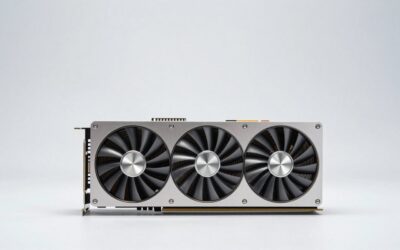
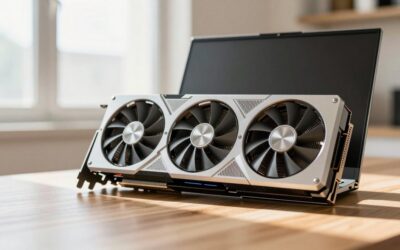
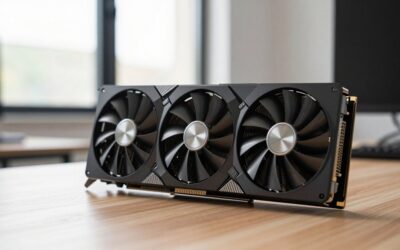
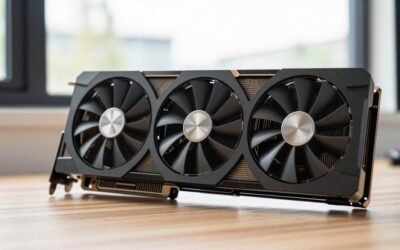
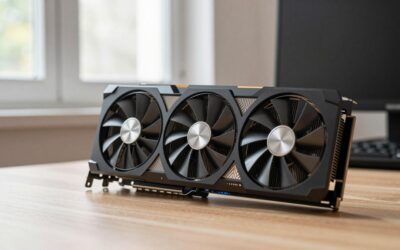
Gaming at 1440p is the sweet spot of 2026: noticeably sharper than 1080p yet far more attainable than 4K. Picking the right 1440p gaming GPU gives you high frame rates at high settings without paying flagship prices. This guide rounds up the best graphics cards for 1440p gaming and explains how to match one to your monitor’s refresh rate and your system.
We chose cards that deliver smooth, high-settings 1440p performance today and have the VRAM and upscaling to stay strong for years.
As an Amazon Associate I earn from qualifying purchases.
Best 1440p gaming GPU picks for 2026
| Product | Key Spec | Best For | Rating |
|---|---|---|---|
| NVIDIA RTX 5070 Ti | 16GB GDDR7 | High-refresh 1440p | 4.7/5 |
| AMD RX 9070 XT | 16GB GDDR6 | Value high-end 1440p | 4.6/5 |
| NVIDIA RTX 5070 | 12GB GDDR7 | Balanced 1440p | 4.6/5 |
| AMD RX 9070 | 16GB GDDR6 | Efficient 1440p value | 4.5/5 |
| NVIDIA RTX 5060 Ti 16GB | 16GB GDDR7 | Entry 1440p | 4.6/5 |
| AMD RX 9060 XT 16GB | 16GB GDDR6 | Budget 1440p | 4.5/5 |
| NVIDIA RTX 5080 | 16GB GDDR7 | Max-settings 1440p/4K | 4.7/5 |
| AMD RX 7800 XT | 16GB GDDR6 | Last-gen 1440p value | 4.4/5 |
Why 1440p is the gaming sweet spot
1440p offers a big jump in clarity over 1080p while demanding far less horsepower than 4K, making it the ideal resolution for most gamers. A good 1440p gaming GPU can drive high refresh rates in competitive titles and maxed visuals in single-player games, all at a reasonable price. It is the resolution most new monitors now target.
Plenty of choice at this resolution
The 1440p tier is the most competitive in the market, with strong options from Nvidia’s RTX 5070 family and AMD’s RX 9070 series. Whether you want the best upscaling, the most VRAM, or the lowest price, there is a capable 1440p card for your priorities.
How to choose a 1440p gaming GPU
Consider your monitor’s refresh rate, the VRAM you need, and whether ray tracing matters to you. The sections below help you pick the right 1440p card for your setup.
Match the GPU to your refresh rate
For a 1440p 60Hz to 100Hz monitor, an RTX 5060 Ti or RX 9060 XT suffices. For 144Hz to 165Hz, step up to an RTX 5070 or RX 9070. For 240Hz esports at 1440p, a 5070 Ti or 5080 keeps frames high. Align the card to your panel to avoid wasting money.
Aim for 16GB of VRAM
At 1440p, 12GB is the practical minimum and 16GB is ideal for future titles with large textures. Cards like the RX 9070 and RTX 5070 Ti offer generous memory that keeps 1440p smooth for years. Skimping on VRAM at this resolution is the most common longevity mistake.
Weigh ray tracing and upscaling
If you value ray tracing, Nvidia’s RTX cards with DLSS lead the way at 1440p. AMD’s cards offer strong rasterization value with FSR upscaling. Both approaches let you hit high frame rates, so decide whether cutting-edge lighting or raw price-to-performance matters more to you.
Check power and CPU pairing
Most 1440p cards run comfortably on a quality 650W to 750W power supply. Pair them with a modern six-to-eight-core CPU like a Ryzen 7 7700 or Core i5-14600K to avoid bottlenecks, especially in high-refresh competitive games where CPU performance directly affects frame rates.
Frequently Asked Questions about a 1440p gaming GPU
What is the best 1440p gaming GPU for high refresh rates?
For high-refresh 1440p gaming, the RTX 5070 Ti and RX 9070 XT lead the pack, delivering the frame rates needed to drive 144Hz and higher panels at high settings. Both include 16GB of VRAM for longevity. If you want maximum headroom, the RTX 5080 pushes even the fastest 1440p monitors comfortably.
How much VRAM do I need for 1440p gaming?
Twelve gigabytes is the practical minimum for 1440p today, but 16GB is the safer choice for future-proofing against games with larger textures. Cards like the RX 9070 and RTX 5070 Ti provide ample memory that keeps 1440p smooth for years. Prioritizing VRAM at this resolution prevents texture stutter down the road.
Can a mid-range GPU handle 1440p gaming well?
Yes. Mid-range cards like the RTX 5070 and RX 9070 are designed for 1440p and handle the resolution beautifully at high settings, often exceeding 100 frames per second in many titles. With upscaling enabled, even entry options like the RTX 5060 Ti 16GB deliver a solid 1440p experience without a flagship price.
Is 1440p worth it over 1080p for gaming?
For most gamers, yes. 1440p offers a substantial jump in sharpness and screen real estate over 1080p while remaining far easier to drive than 4K. Modern mid-range GPUs handle it comfortably, so if you are upgrading your monitor and GPU together, 1440p is widely considered the best balance of clarity and performance.
Do I need a strong CPU for 1440p gaming?
A capable CPU helps, especially at high refresh rates. While 1440p leans more on the GPU than 1080p does, a modern six-to-eight-core processor like a Ryzen 7 or Core i5 ensures your graphics card is never held back. Pairing a strong 1440p GPU with an outdated CPU can cap frame rates in demanding games.
Related reading: best budget GPU for gaming, gaming graphics cards for your PC, best CPU for the RTX 5070 Ti, GPU for a gaming PC, white graphics card roundup, and white GPU picks.
As an Amazon Associate we earn from qualifying purchases at no extra cost to you.






Write Your Review
No reviews yet. Be the first to share your experience!