
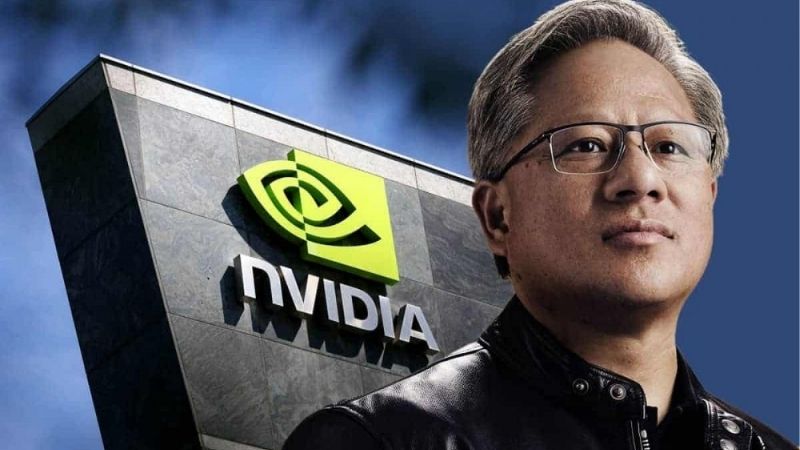
NVIDIA Jensen Huang is the co-founder and chief executive who turned a graphics-card company into one of the most influential technology firms in the world, and his decisions quietly shape the GPU you are about to buy. If you have wondered how one leader’s vision affects GeForce prices, features, and availability, this overview connects the dots for buyers. We will look at who he is, how his direction reshaped the company, what recent milestones signal, and what all of it means before you spend on your next graphics card.
Who Jensen Huang Is and Why It Matters to Buyers
Understanding the person at the helm helps explain why NVIDIA behaves the way it does in the market. A company’s priorities flow from its leadership, so knowing what has driven Huang’s decisions gives buyers a clearer read on where GeForce pricing and features are heading.
You do not need to follow the company closely to benefit from this. A basic sense of its priorities is enough to make smarter timing and tier decisions, which is the entire reason a buyer might care about the person in charge at all.
From Co-Founder to Industry Leader
Jensen Huang co-founded NVIDIA in 1993 and has led it as chief executive ever since, an unusually long tenure for a technology company of this scale. That continuity has given the company a consistent, long-term strategic direction.
Under his leadership, NVIDIA grew from a maker of gaming graphics chips into a central player in artificial intelligence and computing. That transformation is the backdrop to everything a GPU buyer experiences today.
His long tenure matters to consumers because it means the company’s strategy is coherent and sustained rather than shifting with frequent leadership changes. The direction you see is a deliberate, years-long plan.
For a shopper, that stability is quietly reassuring. It means the features, software support, and roadmap behind your GeForce card rest on a consistent strategy rather than the whims of a company changing direction every few years.
The Vision That Shaped GeForce
A defining thread of Huang’s leadership has been betting early on parallel computing and, later, AI. That bet is why NVIDIA invested heavily in technologies that now benefit gamers directly.
Features such as AI upscaling and frame generation exist because the company poured resources into machine learning research it could apply back to GeForce cards. The gaming line inherits the fruits of that broader vision.
For buyers, this means the GeForce brand is backed by one of the largest research efforts in the industry, which is a genuine reason its cards lead in AI-driven features and ray tracing.
That research pipeline is a real, if indirect, benefit to gamers. The same investment that powers cutting-edge computing quietly filters down into the features that make each new GeForce generation more capable than raw specifications alone would suggest.
Why the CEO Affects Your Purchase
It may seem abstract that a chief executive influences the card in your PC, but the connection is direct. Leadership sets priorities for research, manufacturing capacity, and product focus, all of which shape what you can buy and at what price.
When the company prioritizes certain products, that decision ripples down to gaming GPU supply and pricing. Understanding the leadership’s direction therefore helps you anticipate where the consumer market is likely to go.
In practice, this means paying a little attention to the company’s direction is a surprisingly useful buying skill. When you understand what the leadership is prioritizing, the movements in GPU pricing and availability stop feeling random and start looking predictable.
How Jensen’s Direction Shapes GPUs and Prices
The most practical reason to pay attention to leadership is its effect on your wallet. The company’s strategic choices, especially its embrace of AI, flow through to the price, availability, and feature set of the cards gamers buy, so it is worth seeing how those forces connect.
None of these forces are mysterious once laid out. A handful of clear pressures, AI demand, manufacturing priorities, and memory costs, explain most of what a buyer sees at the checkout, which turns a confusing market into a readable one.
The Pivot to AI
The single biggest strategic move under Huang has been positioning NVIDIA at the center of the AI boom. The company’s data-center AI hardware now drives an enormous share of its growth.
For gamers, this pivot is a double-edged sword. It funds the research that improves GeForce features, but it also means gaming competes with a far larger and more profitable business for manufacturing capacity, which keeps consumer prices firm.
For a buyer, the useful response is realism rather than frustration. Recognizing that gaming shares a supply chain with a much larger AI business reframes expectations, making it clear why waiting for a dramatic price collapse is rarely rewarded.
The H200 Milestone and What It Signals
A notable recent development is that the United States has cleared NVIDIA to sell its H200, one of its most powerful AI chips, to China. This is a data-center product with no direct gaming role, so it will never appear in your PC.
Its significance is as a signal of scale. It confirms that global demand for NVIDIA’s AI compute is immense and expanding, which reinforces where the company’s premium capacity and focus are directed, and by extension why gaming GPUs sit in a competitive, high-demand supply environment.
For a gamer, the practical takeaway is confidence in the platform even amid firm prices. The ecosystem you buy into is the industry standard and only growing more entrenched, so the features and support behind your card are unlikely to fade any time soon.
Component Pricing Under His Watch
On the consumer side, the steep price climb of late 2025 has eased into a period of relative stability, a welcome pause after a long run of increases. Some hardware makers have publicly noted this calmer stretch.
Stability, however, is not relief. Prices have plateaued rather than fallen, and memory-heavy cards remain expensive. New supply is on the way through additional DDR5 sourcing and Micron’s new Idaho fabs, but those facilities are not expected to run until roughly 2027 to 2028, so real price relief is still years out rather than imminent.
The blunt summary is that prices have paused, not fallen, and the earliest real relief sits a couple of years away. That single fact should anchor how you time any GeForce purchase this year rather than betting on a near-term drop.
What It Means Before You Buy a GeForce Card
All this context is only useful if it changes how you shop, so here is how the NVIDIA-led market translates into a smart buying decision. The aim is to match a card to your real needs while timing the purchase sensibly against a market that is stable but not cheap.
Choosing the Right Tier
Because you are buying into a premium, market-leading ecosystem, choosing the right tier matters. Overspending on a flagship you will not fully use is the most common mistake, while skimping on VRAM leaves you upgrading again too soon.
Match the card to your monitor and workload: a mid-range GeForce for 1080p and 1440p gaming, a higher tier for 4K and heavy creative work. The recommended cards linked in this review are grouped by real use case to make that choice easier.
A good rule is to buy for the resolution and workload you actually have, not the one you imagine. Most gamers are well served by a mid-range card with generous VRAM, saving the top tier for genuine 4K or demanding creative work.
Buying a little more VRAM than you think you need is the one upgrade that consistently pays off, since memory pressure is what most often forces an early upgrade. It is the single spec most worth protecting when you choose a tier.
Pros and Cons of the NVIDIA-Led Market
The advantages of NVIDIA’s dominance are real: class-leading ray tracing, mature and frequent driver support, the widest game and app compatibility, and AI features that competitors are still chasing. Buyers get a polished, cutting-edge ecosystem.
The trade-offs are equally honest: higher prices than comparable rivals, a market where AI demand keeps supply tight, and a company whose gaming focus now shares the stage with data-center priorities. Weighing these against your budget is how you decide whether the premium is justified for you.
It is a decision best made calmly rather than by brand loyalty. If ray tracing, DLSS, and the widest compatibility are central to how you use your PC, the premium buys real value; if not, a competing card may serve you nearly as well for less.
Timing Your Purchase
With prices merely stable and genuine relief years away, waiting for a dramatic crash is a weak strategy. If you need a card now, this calmer window is a reasonable time to buy rather than a trap.
The smart move is to buy the right tier for your needs during this stable stretch rather than gambling on a price drop the supply timeline does not support. When you are ready, the current deals on the recommended GeForce cards linked here are a solid starting point.
Above all, avoid the trap of endless waiting. With relief years out, the card you delay buying today will likely cost about the same in six months, minus the enjoyment you gave up, so buying the right tier now during this stable stretch is the rational move.
The exception is simple: if your current card still does everything you need, waiting costs you nothing. The decision always comes back to your own need rather than an attempt to outguess a market that is unlikely to move much soon.
See More:
Final Verdict: What NVIDIA Jensen Means for Your Next GPU
Understanding NVIDIA Jensen Huang as a buyer really means understanding leverage: his long-term, AI-first vision built a company large enough to set the terms of the GPU market, which is why GeForce cards lead in features and also carry a premium. Milestones like the H200 China approval underscore that scale and keep gaming supply competitive and prices firm.
The practical takeaway is to buy deliberately: pick the right tier for your monitor and workload, expect a premium in exchange for the strongest ecosystem, and treat this stable pricing window as a reasonable time to purchase rather than waiting on relief that is years out. If you are ready to choose a GeForce card that fits your needs and budget, compare the recommended models linked throughout this review before the market shifts again.
Frequently Asked Questions
Who is Jensen Huang?
Jensen Huang co-founded NVIDIA in 1993 with Chris Malachowsky and Curtis Priem and has served as chief executive since. Trained as an electrical engineer, he steered the company from a 3D graphics chip startup into the dominant supplier of GPUs for gaming, professional visualization and AI computing.
How did his decisions shape GeForce cards?
Two bets stand out. Committing to CUDA in 2006 turned the GPU into a general purpose compute device long before it was profitable, and pushing RTX with dedicated ray tracing and Tensor hardware in 2018 created the RT and DLSS ecosystem that defines modern GeForce cards.
Why does he talk so much about AI instead of gaming?
Data center revenue now dwarfs the gaming segment, so AI is where the company’s growth is. Gaming still benefits, because the Tensor cores developed for AI workloads power DLSS upscaling, frame generation and ray reconstruction, which are the biggest performance levers in current GeForce hardware.
Does his leadership affect GPU pricing and supply?
Indirectly, yes. Prioritizing wafer and advanced packaging capacity for data center accelerators has historically tightened consumer GPU supply and limited discounting. Product tiering decisions, such as VRAM capacity per price bracket, also flow from company strategy rather than pure manufacturing constraints.
What should buyers take from the company’s direction?
Expect future value to come increasingly from software features like DLSS and neural rendering rather than raw shader count alone. When comparing cards, weigh feature support and VRAM capacity heavily, because those determine how long a card stays useful as software-driven techniques evolve.
As an Amazon Associate we earn from qualifying purchases at no extra cost to you.






Write Your Review
No reviews yet. Be the first to share your experience!