
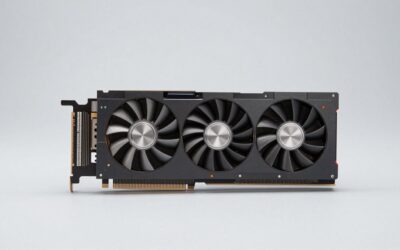
- Top Pick: ASRock Radeon RX 9060 XT Challenger 16GB OC, RDNA 4, 3290MHz Boost, 16GB GDDR6 128-bit, PCIe 5.0, Dual Fans, 0dB Silent, LED Indicator, DisplayPort 2.1a, HDMI 2.1b
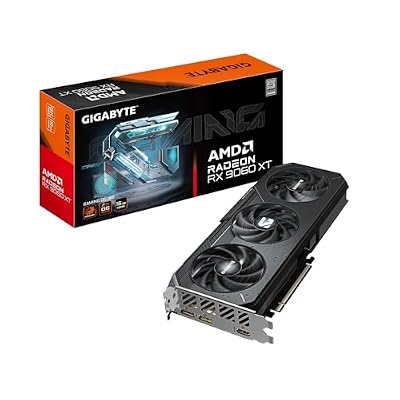
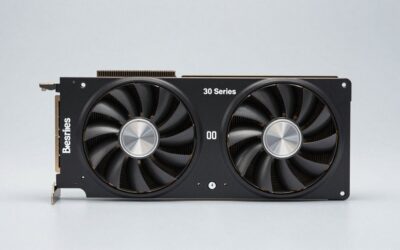
- Best Value: GIGABYTE Radeon™ RX 9060 XT Gaming OC ICE 16G Graphics Card (16GB GDDR6, 128-bit, PCIe 5.0, HDMI/DP 2.1, 2 Slot, Hawk Fan, Server-Grade Thermal Gel, Reinforced Structure)
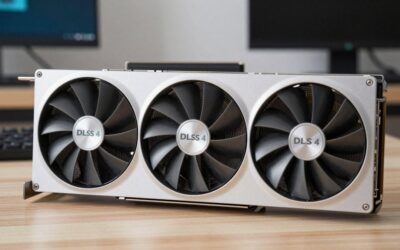
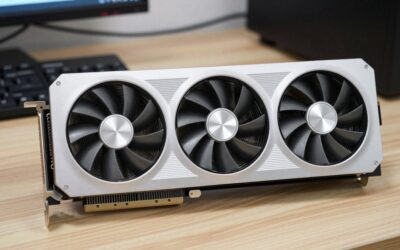
- Premium Choice: ASUS Dual Radeon RX 9060 XT 16GB GDDR6 Gaming Graphics Card
RX 9060 XT 16GB vs 5070 is an unusual matchup because the cheaper card actually holds the memory advantage, which flips the usual budget-versus-premium logic on its head. The RX 9060 XT 16GB pairs a value price with a generous 16GB buffer, while the pricier RTX 5070 counters with more raw power, DLSS 4, and faster GDDR7, but only 12GB of memory. That leaves buyers weighing future-proof capacity against outright speed and features. This comparison focuses on exactly that trade-off, laying out the numbers and giving you a clear recommendation for which card to buy in 2026.

Prime
Editor's Pick
ASUS Dual Radeon RX 9060 XT 16GB GDDR6 Graphics Card, AMD, for Desktop (PCIe 5.0, HDMI 2.1b, DisplayPort 2.1a, 2.5-Slot, Axial-tech Fan, 0dB Technology, and More)

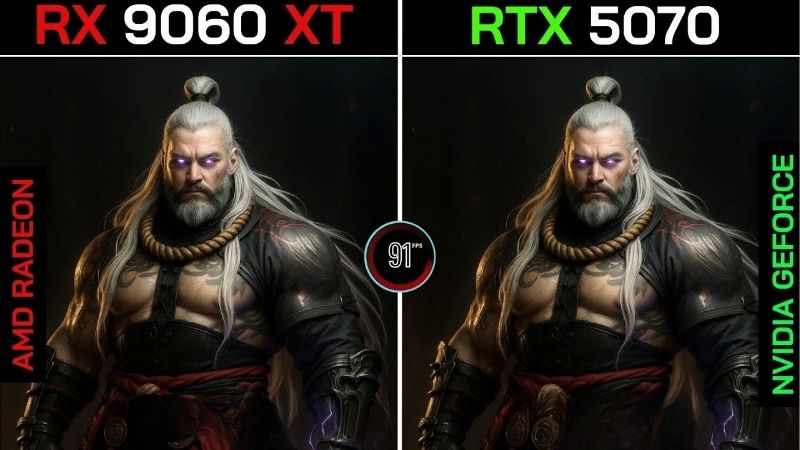
The Quick Verdict: RX 9060 XT 16GB vs 5070
Because this matchup pits memory capacity against raw performance, the quick verdict comes down to whether you prioritise long-term VRAM headroom or immediate speed and features. Here is the compressed answer before the detailed breakdown below. In short, the RX 9060 XT 16GB is the value and future-proofing pick, while the RTX 5070 is the faster, feature-rich option worth the premium for demanding buyers. Your budget and how long you plan to keep the card will decide which logic wins.
As an Amazon Associate we earn from qualifying purchases at no extra cost to you.




Quick Verdict For Value And Future-Proofing
If you want the most memory and the best value, the RX 9060 XT 16GB is the smarter buy. Its 16GB buffer exceeds even the pricier RTX 5070’s 12GB, giving it real headroom for demanding textures at 1440p, and it costs considerably less. For budget-minded buyers who plan to keep a card for years, that combination is genuinely compelling.
The value case is strengthened by how capable the card already is at mainstream 1440p. You are not sacrificing a usable experience to save money; you are getting solid performance plus more memory than the more expensive option, which is an unusual and appealing position for a budget card to be in. For many buyers, that alone settles the decision.
Choose the RX 9060 XT 16GB if you value memory headroom and savings over the last slice of raw performance. It is the sensible pick for anyone who wants their card to age well without paying a premium, especially as game memory demands continue to climb year after year.
Quick Verdict For Speed And Features
If raw performance and the full Nvidia feature set matter more than memory capacity, the RTX 5070 is the better fit despite its 12GB limit. It is clearly faster than the RX 9060 XT in rasterization, sitting a tier above it, and it brings DLSS 4 Multi Frame Generation and stronger ray tracing to the table. For high-refresh 1440p and demanding titles, that speed and feature advantage is real.
The 12GB of memory is enough for most 1440p gaming today, even if it trails the AMD card’s 16GB on paper. Paired with the efficiency of GDDR7 and DLSS 4, which reduces memory pressure by rendering at a lower internal resolution, the RTX 5070 manages its smaller buffer well in the vast majority of current games.
Pick the RTX 5070 if your budget can stretch and you want the faster, more feature-complete card for high-refresh play. It is the performance choice of the two, provided you are comfortable with 12GB of memory rather than 16GB over the long term.
RX 9060 XT 16GB vs 5070 Specs Snapshot
The clearest way to see this unusual trade-off is to line up the core specifications and prices side by side. Skim this table, paying particular attention to the memory and price rows, then read the analysis underneath for what these numbers mean once you start gaming rather than comparing spec sheets in isolation.
| Specification | RX 9060 XT 16GB | RTX 5070 |
|---|---|---|
| Architecture | RDNA 4 | Blackwell |
| VRAM | 16GB GDDR6 | 12GB GDDR7 |
| Upscaling | FSR 4 | DLSS 4 Multi Frame Gen |
| Ray tracing | Improved, competitive | Stronger, more mature |
| Approx. TDP | ~150–180W | ~250W |
| Typical MSRP | Around $349 | $549 |
The table captures the central tension neatly: the cheaper card has more memory, while the pricier card has more speed and better features. This is the opposite of the usual budget-versus-premium pattern, where the cheaper card is simply weaker in every way. Here you are genuinely choosing between two different strengths, which is what makes the decision interesting rather than obvious.
Deep Dive Face-Off By Criteria
With the quick answer covered, here is the detailed head-to-head across the three areas that actually decide this purchase: raw performance versus the VRAM gap, the competing upscaling and ray-tracing technologies, and the honest strengths and weaknesses each card brings for a real buyer weighing them carefully at checkout. Take the section that matches your priorities first, then check the others before you commit your money.
Raw Performance Versus The VRAM Gap
In raw rasterization the RTX 5070 is clearly the faster card, opening a meaningful lead over the RX 9060 XT that widens as settings climb. For pure frame rate at high-refresh 1440p, it is the stronger performer, and that advantage is real rather than marginal. Buyers chasing the highest numbers will feel the difference immediately.
It is worth being specific about where that lead shows up, though. The RTX 5070’s advantage is largest at high refresh rates and maxed settings, precisely the scenarios where a fast monitor makes the extra frames visible; at more modest settings the two cards sit closer together, which is part of why the value argument for the RX 9060 XT stays alive even against a clearly faster rival.
The VRAM gap pulls in the opposite direction over time. The RX 9060 XT’s 16GB gives it more headroom than the RTX 5070’s 12GB for the newest, most texture-heavy games, where memory rather than raw compute becomes the bottleneck. In those specific situations the cheaper card can actually hold steadier, which is a genuine long-term advantage.
The honest conclusion is that these two strengths matter to different buyers. If you want maximum frames today, the RTX 5070 wins; if you want assurance that memory will not limit you in a few years, the RX 9060 XT’s larger buffer is the safer bet. Your time horizon is the deciding factor here.
DLSS 4, FSR 4, And Ray Tracing
Features are where the RTX 5070 fights back hardest. DLSS 4 Multi Frame Generation is mature and widely supported, and it can lift frame rates substantially in supported games while also easing memory pressure by rendering at a lower internal resolution. That dual benefit partly offsets the card’s smaller buffer in the titles that support it.
AMD’s FSR 4 has improved dramatically and is now genuinely competitive on image quality, so the RX 9060 XT is far from outclassed on upscaling. The remaining gap is mostly in the breadth of supported games rather than raw quality, which matters less if your favourite titles already support FSR effectively.
Ray tracing still favours Nvidia’s more mature hardware, giving the RTX 5070 an edge in heavy ray-traced workloads. If ray tracing is a priority in your games, that capability is a clear point in the Nvidia card’s favour, worth weighing against the RX 9060 XT’s memory and price advantages.
Pros And Cons Of Each Card
Setting the trade-offs side by side makes this memory-versus-performance decision much clearer for your own particular situation.
RX 9060 XT 16GB — pros: a much lower price, more VRAM than the pricier rival, strong 1440p value, low power draw, and much-improved FSR 4. Cons: noticeably slower raw performance, with ray tracing and upscaling breadth that still trail Nvidia slightly.
RTX 5070 — pros: clearly stronger raw performance, mature DLSS 4, superior ray tracing, and efficient GDDR7. Cons: a higher price, higher power draw, and only 12GB of VRAM, which is less future-proof than the cheaper card’s 16GB.
Read together, these lists frame the decision as a bet on what will matter most to you. The RTX 5070 wins the argument on speed today, while the RX 9060 XT wins on memory and value for tomorrow. Neither is wrong; the right choice depends on whether you prioritise immediate performance or long-term headroom.
Pricing, Alternatives, And The Final Call
The last factor is real 2026 pricing, where the memory market and a couple of alternatives can shift this decision either way. Treat this as the practical, wallet-focused counterweight to the comparison above, because in a matchup this finely balanced the price you actually pay often becomes the deciding factor all on its own.
How 2026 Memory Prices Affect The Matchup
Memory pricing is especially relevant here, since the whole debate hinges on VRAM. Through late 2025, AI datacenter demand pushed DDR5, SSD, and high-VRAM graphics-card prices up by roughly 20%, and higher-capacity cards feel that pressure most directly. The RX 9060 XT’s larger buffer means it sits squarely in that pressured segment.
There is cautiously positive news: prices have stopped rising as steeply as they did at the end of 2025, and some makers report relative stability while still warning of volatility. New supply is coming from DDR5 sources such as CXMT and two new Micron plants being built in Idaho over the next few years.
The catch is timing, since those plants will not ramp until 2027–2028. Because both cards carry substantial memory, the real prices you see should drive your choice, and if the price gap between them narrows or widens on the day you buy, that alone can tip a decision this closely balanced.
The Alternative If Neither Fits
If you want Nvidia features with more memory, the RTX 5060 Ti 16GB pairs DLSS 4 with a full 16GB buffer for less than the RTX 5070, resolving the 12GB question while keeping the Nvidia ecosystem. It is a natural middle ground for buyers who like the RTX 5070’s features but want more VRAM.
Stepping up, the RTX 5070 Ti or RX 9070 XT offer more raw power for high-refresh 1440p and entry 4K, at higher prices. For most buyers, though, one of the two cards in this comparison remains the sweet spot, so check the live prices of the alternatives before you finally decide.
See More:
- RTX 4060 vs RTX 5060
- M4 GPU benchmark
- RTX 5060 Ti benchmark
- 5060 Ti 16GB vs 9070 XT
- RTX 5050 vs RTX 5060
Final Verdict And Recommendation
Buy the RX 9060 XT 16GB if you want the best value, the most memory, and a card built to age well at mainstream 1440p. It is the right call for budget-conscious buyers who prioritise long-term headroom over the last slice of raw performance, and its larger buffer is genuine future-proofing.
Buy the RTX 5070 if your budget can absorb the premium and you want clearly stronger performance, superior ray tracing, and the full DLSS 4 suite for high-refresh play. It is the performance pick, provided you are comfortable with 12GB of memory over the years you own it.
If you are still undecided, let your time horizon break the tie. Planning to keep the card for many years favours the RX 9060 XT’s 16GB and its lower price, while wanting maximum frames on a fast panel right now favours the RTX 5070 and its features, and both are genuinely strong choices within their respective priorities rather than compromises.
To settle the RX 9060 XT 16GB vs 5070 debate: the AMD card wins on value and memory while the Nvidia card wins on raw speed and features, making your priorities and time horizon the deciding factors. With memory-heavy cards under continued price pressure through 2026, buying the right one at a fair price sooner beats waiting for relief the supply calendar does not promise. Check today’s prices through the link below and grab the card that matches your needs and budget.
Frequently Asked Questions
Which card is faster overall?
The RTX 5070 is clearly faster, typically 25 to 35 percent ahead of the RX 9060 XT 16GB at 1440p in rasterised games and further ahead in path traced titles. They sit in different tiers, so this is really a question of whether the extra performance justifies a significantly higher purchase price.
Does the 9060 XT’s 16GB beat the 5070’s 12GB?
On capacity alone, yes, and that matters for ultra textures and heavily modded games. But the 5070 pairs 12GB of GDDR7 with a 192-bit bus and far more compute, so it still outperforms the AMD card in nearly every scenario. The VRAM advantage is a longevity argument, not a current-performance one.
What power supply and case size do they require?
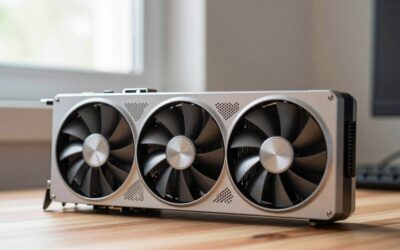
The RX 9060 XT 16GB draws about 180W from a single 8-pin connector and fits comfortably in compact cases on a 550W supply. The RTX 5070 sits near 250W using a 12V-2×6 connector, usually with a dual 8-pin adapter, and wants 650W plus more physical clearance for its larger triple-fan coolers.
Which is the better choice for 1440p gaming?
If you want high refresh 1440p with ray tracing, the 5070 is the appropriate card. The 9060 XT 16GB is better understood as a strong 1080p card that can handle 1440p at high settings with upscaling. Match the card to your monitor rather than paying for headroom your display cannot show.
How do FSR 4 and DLSS 4 compare in practice?
FSR 4 on RDNA 4 delivers image quality genuinely close to DLSS, so the visual gap is far smaller than in previous generations. Nvidia’s remaining advantages are much wider game support and multi frame generation, which lets the 5070 push very high frame rates on 144Hz and faster displays.
Ready to decide? Our #1 pick for 2026 is the Architecture.
Live price & availability on Amazon.

Write Your Review
No reviews yet. Be the first to share your experience!