
- Top Pick: GIGABYTE Radeon RX 9070 XT Gaming OC 16G Graphics Card, PCIe 5.0, 16GB GDDR6, GV-R9070XTGAMING OC-16GD Video Card
- Best Value: GIGABYTE Radeon™ RX 9070 XT Gaming OC ICE 16G Graphics Card (16GB GDDR6, 256-bit, PCIe 5.0, HDMI/DP 2.1, 2.7 Slot, Hawk Fan, Server-Grade Thermal Gel, Reinforced Structure)
- Premium Choice: ASUS Prime Radeon RX 9070 XT 16GB GDDR6 OC Edition Gaming Graphics Card


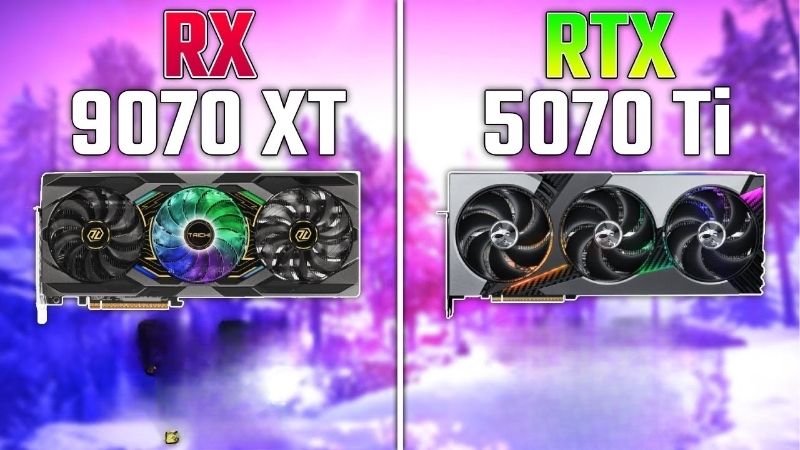
5070 Ti vs RX 9070 XT is the matchup that decides the upper mid-range in 2026, and it is unusually close because both cards now carry a full 16GB of memory. One leans on Nvidia’s premium features and ray-tracing muscle, the other on aggressive AMD pricing and raw rasterized speed. This side-by-side lays out the specs, real 1440p and 4K frame rates, upscaling, power draw and current pricing, so you can decide in minutes instead of sitting through long benchmark videos. We keep the focus on what changes your buying decision, the price gap, ray-tracing performance and DLSS, rather than on numbers that look impressive but rarely affect how a game actually feels to play.
The Quick Verdict and Full Spec Sheet
Because both cards share the same 16GB buffer, this fight is not about memory. It comes down to how much raw and ray-traced performance you get, and how much you pay for it. Here is the fast answer, the full spec table, and the 2026 pricing context that decides real value. Read these three parts together, because on a card this closely matched the current street price often matters as much as the raw specifications.
As an Amazon Associate we earn from qualifying purchases at no extra cost to you.


Quick Verdict: Who Wins the 5070 Ti vs RX 9070 XT Fight
The one-line answer: the RTX 5070 Ti is the faster overall card, especially in ray tracing, and it ships with DLSS 4 and Multi Frame Generation, but it also costs meaningfully more at launch MSRP.
The RX 9070 XT counters by delivering most of the rasterized performance for a lower price, which makes it the value champion of the pair. In pure frames per dollar, AMD usually wins here.
So the verdict splits on budget and priorities. Pay up for the 5070 Ti if ray tracing, DLSS and creation matter most; save with the 9070 XT if you want the best raster performance per dollar. In concrete terms, the 5070 Ti suits the buyer with a 4K or high-refresh 1440p monitor who plays ray-tracing showcases and wants every frame smoothed by DLSS, while the 9070 XT suits the disciplined value builder who would rather spend the difference on a better display, faster storage or more system memory.
Full Comparison Table: Specs Side by Side
Numbers before opinions. The table lists the specifications that actually decide performance and system fit, so you can compare the two cards without wading through marketing claims.
| Spec | RTX 5070 Ti | RX 9070 XT |
|---|---|---|
| Architecture | Nvidia Blackwell | AMD RDNA 4 |
| Cores | 8,960 CUDA cores | 4,096 stream processors (64 CUs) |
| VRAM | 16GB GDDR7 | 16GB GDDR6 |
| Memory bus | 256-bit | 256-bit |
| Board power | ~300W | ~304W |
| Recommended PSU | 750W | 750W |
| Launch MSRP | 749 | 599 |
| Upscaling | DLSS 4 + Multi Frame Gen | FSR 4 |
The pattern is clear: near-identical memory and power, but the 5070 Ti brings more compute and Nvidia’s software stack, while the 9070 XT undercuts it on price. Everything below flows from that trade-off. Notice also that the two cards share the same 256-bit bus and roughly the same power envelope, which means the real-world gap is narrower than the raw core counts alone suggest, and it keeps your build planning identical no matter which one you choose.
How 2026 GPU Prices Change This Matchup
The MSRP gap is the heart of this comparison, and 2026 pricing makes it move. Component and laptop prices have kept trending upward, so real street prices for both cards can drift well above their launch figures depending on the week.
There is cautious good news: prices stopped climbing as steeply as they did in late 2025, and some makers such as Framework have reported a stretch of relative stability, while still warning that the swings are not over. For a card comparison this close on price, that instability is not just background noise, it can be the deciding factor, since a good sale on the more expensive card effectively rewrites the value equation overnight.
Real relief, though, is far off. New memory supply from Chinese suppliers like CXMT and Micron’s two upcoming Idaho fabs will not come online until roughly 2027 to 2028. The practical lesson: compare the live prices of both cards on the day you buy, because a discount on the 5070 Ti can shrink that gap and completely change the verdict. It is worth setting a firm budget before you shop, then treating any sale on the 5070 Ti as the trigger to decide, because when the premium narrows to a small amount, the extra ray-tracing performance and DLSS features become much easier to justify.
Deep Dive Face-Off: Speed, Upscaling and Power
With price context set, here is where the 5070 Ti vs RX 9070 XT battle is actually won or lost: raw gaming performance across resolutions, ray tracing and upscaling technology, and finally the power and physical fit inside your build.
1440p and 4K Gaming Performance Analysis
In rasterized 1440p, both cards are extremely strong, routinely pushing well past 100 fps in demanding titles, with the 5070 Ti holding a modest lead thanks to its higher CUDA count. In real terms that lead usually amounts to a handful of frames rather than a night-and-day difference, so unless you are chasing the very top of a high-refresh monitor, both cards feel fast and fluid in day-to-day play.
At 4K, the extra compute of the 5070 Ti stretches its advantage a little further, while the 9070 XT stays remarkably close and remains a genuine 4K-capable card in most games.
Practical takeaway: for a high-refresh 1440p panel, either card is superb and the difference is small. For 4K, the 5070 Ti gives you a touch more headroom, but the 9070 XT delivers most of it for less money. For competitive players chasing the highest possible frame rates, the 5070 Ti’s lead is welcome, but for the majority who simply want a smooth, high-detail experience, both cards clear that bar comfortably and the choice becomes about price rather than capability.
Ray Tracing, DLSS 4 and FSR 4 Compared
Ray tracing is where the 5070 Ti pulls clearly ahead. Nvidia’s dedicated RT cores and mature drivers give it a real lead in heavy ray-traced titles, which is the single biggest performance gap between these two cards.
Upscaling widens that lead. DLSS 4 with Multi Frame Generation uses AI to insert extra frames for dramatically smoother motion, and it keeps improving through driver updates over the card’s life.
AMD’s FSR 4 has closed the quality gap impressively and looks excellent in supported games, but Nvidia’s ecosystem, per-game tuning and future software gains keep the 5070 Ti a step ahead for anyone who values ray tracing and AI features. If you stream or create content, the 5070 Ti’s stronger NVENC encoder and Nvidia’s broad software support add further value that raw frame rates do not capture, which is worth weighing if your PC does more than game.
Power Draw, Thermals and Real-World Build Fit
Here the two cards are nearly identical. The 5070 Ti sits around 300W and the 9070 XT around 304W, and both AMD and Nvidia partners recommend a quality 750W power supply for headroom.
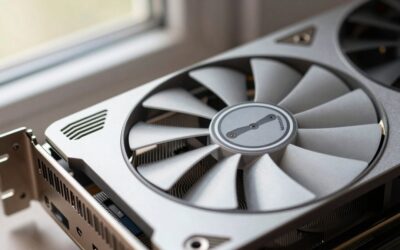
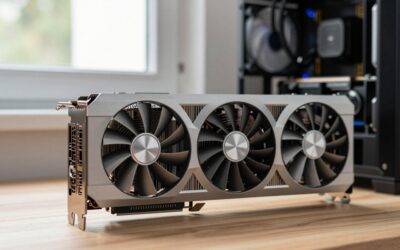
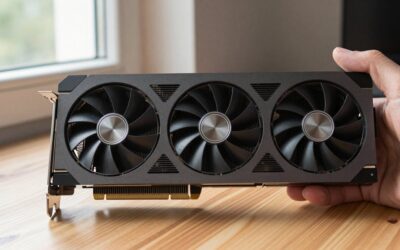
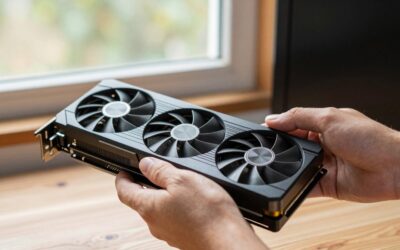
That means your PSU choice is the same either way, which simplifies planning. The bigger variable is the specific model: some triple-fan designs are large, so case clearance and airflow matter more than the brand.
Before buying, confirm your PSU wattage and connectors, measure your case clearance in millimeters, and check airflow. With power draw so close, physical fit is the deciding practical factor, not efficiency. A quick tip: many partner models list their exact length and slot width on the product page, so a thirty-second check there can save you the hassle of returning a card that does not fit your case.
Value, Alternatives and the Final Call
Performance is only worth its price, so this final section weighs the pros and cons, offers alternatives if the 5070 Ti stretches your budget, and gives a clear recommendation for each buyer in the 5070 Ti vs RX 9070 XT decision.
Pros and Cons of the 5070 Ti vs RX 9070 XT
Here is the honest balance sheet, based on specifications and how each card behaves in real systems rather than on a spec sheet alone.
| RTX 5070 Ti | RX 9070 XT |
|---|---|
| Pros: Faster overall; clearly better ray tracing; DLSS 4 Multi Frame Gen; strong NVENC for creators; mature drivers. | Pros: Lower price; excellent rasterized performance; best frames per dollar; same 16GB and 256-bit bus. |
| Cons: Notably higher MSRP; smaller value margin; premium you may not need for raster-only play. | Cons: Weaker ray tracing; FSR 4 slightly behind DLSS in some titles; fewer software extras. |
Read this against your games: if most of your library is rasterized, the 9070 XT’s value is hard to ignore; if ray tracing is everywhere you play, the 5070 Ti earns its premium. Be honest about how many of your games actually use ray tracing today rather than how many could in theory, because that single reality check settles this comparison for most buyers more decisively than any benchmark chart.
The Alternative: If the 5070 Ti Is Too Expensive
If the 5070 Ti stretches your budget but you still want its features, do not overspend blindly. The standard RTX 5070 offers DLSS 4 and strong ray tracing for less, at the cost of some VRAM and raw speed. For many players that trade is perfectly acceptable, especially at 1440p where the standard 5070 still delivers a smooth, feature-complete experience for a lower entry price.
On the AMD side, the RX 9070 non-XT trims a little performance for a lower price while keeping the 16GB buffer, making it a sensible value step down from this matchup.
The smart move is to price all four cards before checkout, because in a volatile market a discount can make a better card the cheaper option on any given day.
Final Verdict: Who Should Buy Which GPU
Buy the RTX 5070 Ti if you want the fastest card of the pair, the best ray tracing, DLSS 4 and creator features, and you are comfortable paying a premium for that polish and future software value.
Buy the RX 9070 XT if you want the best rasterized performance per dollar, play mostly non-ray-traced games, and would rather put the savings toward a better monitor, more storage or extra RAM.
Both are excellent 16GB cards, and in practice the winner is often simply whichever one is discounted when you are ready to buy. Track the price for a week or two if you can, note the typical street price of each, and pounce when either card dips below its usual level rather than paying full sticker in a market that rewards patient timing.
See More:
Conclusion
The 5070 Ti vs RX 9070 XT decision is refreshingly clear once you know your priorities: the 5070 Ti is the faster, feature-rich premium pick, while the 9070 XT is the value champion that gives you most of the performance for less. With both sharing 16GB and near-identical power, your choice really comes down to how much you value ray tracing and DLSS versus frames per dollar. Because 2026 prices remain elevated and can swing weekly, check the latest live price for both the 5070 Ti and the RX 9070 XT through the links on this page before you commit, and let the current deal make your final call. Whichever way you lean, you are choosing between two genuinely excellent 16GB cards, so there is no wrong answer here, only the one that fits your games and your budget best.
Frequently Asked Questions
Do both cards really have 16GB of usable VRAM?
Yes, both carry 16GB on a 256-bit bus, which is the key reason this pair is the sweet spot for 1440p and entry 4K. The difference is memory type: the RTX 5070 Ti uses GDDR7 for higher bandwidth, while the RX 9070 XT uses GDDR6. Capacity, which is what prevents stutter, is identical.
Which is better for 4K gaming?
Both are capable 4K cards when paired with upscaling rather than brute force native rendering. The 5070 Ti’s higher memory bandwidth and DLSS quality give it a slight edge at that resolution, particularly with ray tracing on. In pure raster at 4K the two remain close, with wins split across the test suite.
What power connectors do they use?
The 5070 Ti uses a single 12V-2×6 connector rated for its roughly 300 watt draw, so use a native ATX 3.x cable and seat it fully. The 9070 XT typically uses two conventional 8-pin PCIe connectors for around 304 watts. Plan on a 750 watt supply for either in a complete gaming system.
Is driver support a real differentiator?
Both vendors ship regular releases now, so the old stability arguments are largely outdated. Practical differences show in day-one optimisation for major launches, where NVIDIA’s Game Ready cadence is slightly ahead, and in AMD’s driver-level frame generation, which works in titles that never implemented it natively.
Which should a creator or AI hobbyist choose?
The 5070 Ti, without much debate. CUDA remains the default target for rendering engines, video acceleration tools and machine learning frameworks, so setup friction is lower and performance in those applications is typically higher. For gaming alone, buy whichever is cheaper at the time you are shopping.

Write Your Review
No reviews yet. Be the first to share your experience!