
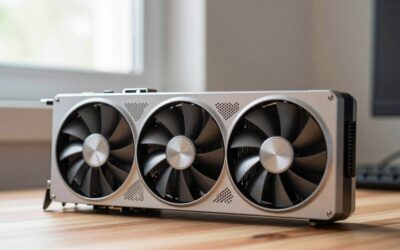
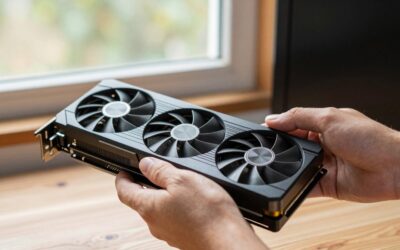
- Top Pick: ZOTAC Gaming GeForce RTX 5060 Ti 8GB Twin Edge OC DLSS 4 8GB GDDR7 128-bit 28 Gbps PCIE 5.0 Gaming Graphics Card, IceStorm 2.0 Cooling, SFF-Ready, ZT-B50610H-10A
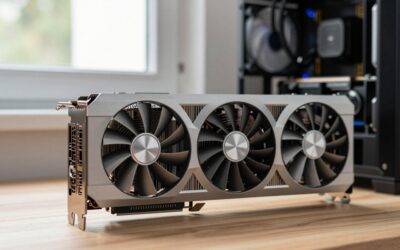
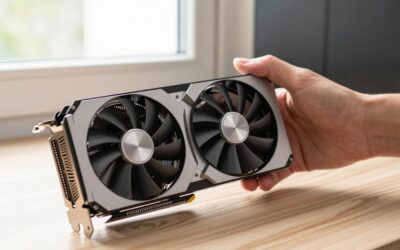
- Best Value: ASUS TUF Gaming GeForce RTX 5060 Ti 8GB GDDR7 OC Edition Graphics Card
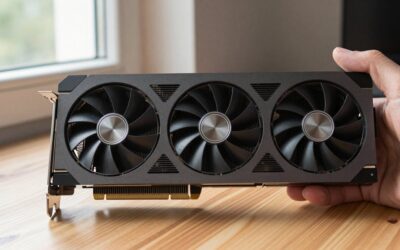
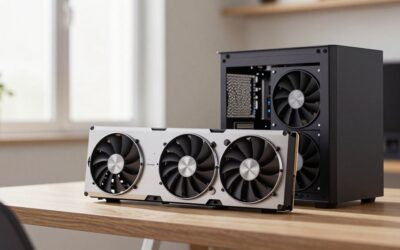
- Premium Choice: GIGABYTE GeForce RTX 5060 Ti WINDFORCE OC 8G Graphics Card, 8GB 128-bit GDDR7, PCIe 5.0, WINDFORCE Cooling System, GV-N506TWF2OC-8GD Video Card


The 5060 vs 5060 ti 8gb question is a straightforward one: how much extra performance does the Ti badge buy, and is that worth the higher price? Both cards are Blackwell siblings with 8GB of fast GDDR7 on a 128-bit bus, both support DLSS 4 Multi Frame Generation, and both target 1080p gaming. The RTX 5060 Ti simply adds more cores and power for a higher cost. This breakdown measures exactly what that premium delivers, and flags one awkward pricing quirk that changes the whole recommendation.
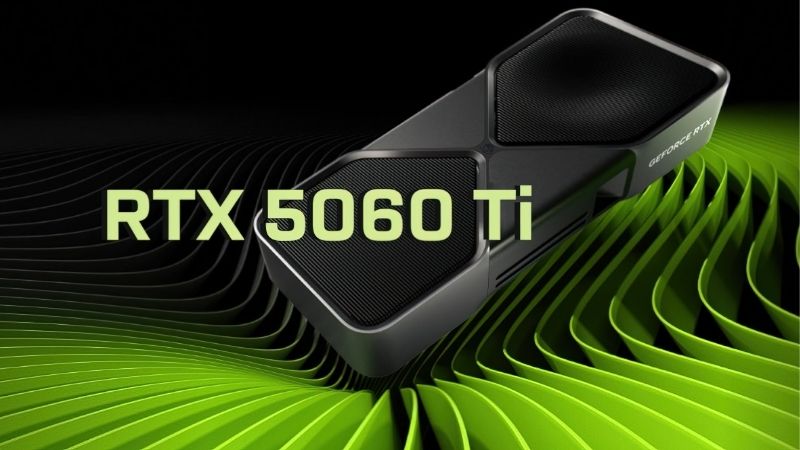
Quick Verdict: RTX 5060 vs 5060 Ti 8GB at a Glance
Here is the short answer. The RTX 5060 Ti 8GB is meaningfully faster than the RTX 5060, typically by around 15-20%, and it costs $80 more at MSRP. That makes the Ti the pick if you want extra 1080p headroom, while the 5060 is the smarter buy for a tight budget. But there is a catch: the 16GB version of the 5060 Ti costs only $50 more than the 8GB Ti, which makes the 8GB Ti a strangely awkward middle option, as the table and mini-verdicts below explain.
As an Amazon Associate we earn from qualifying purchases at no extra cost to you.




Is the RTX 5060 Ti 8GB Worth the Upgrade
On raw performance the Ti earns its name. The RTX 5060 Ti 8GB carries 4,608 CUDA cores against the RTX 5060’s 3,840, and that roughly 20% core advantage translates into a real-world lead in the 15-20% range across most 1080p titles.
Price is where the decision gets interesting. The 5060 launched at $299 and the 5060 Ti 8GB at $379, so you pay about 27% more for that 15-20% performance jump. In pure frames-per-dollar terms, the plain 5060 is actually the better value at MSRP.
The shortest answer: choose the 5060 if budget is the priority and you play at 1080p, and choose the 5060 Ti for extra headroom, but only after checking the price of the 16GB Ti first, because that model is often the smarter spend for very little more money. In other words, the real comparison for many buyers is not the 5060 against the 8GB Ti at all, but the 5060 against the 16GB Ti, with the 8GB Ti quietly squeezed out of the sensible middle.
The Full RTX 5060 vs 5060 Ti 8GB Comparison Table
Specs settle arguments faster than prose, so here is the core sheet side by side. Use it to sanity-check any deal before you click through to a store.
| Spec | RTX 5060 | RTX 5060 Ti 8GB |
|---|---|---|
| Architecture | Blackwell (GB206) | Blackwell (GB206) |
| CUDA cores | 3,840 | 4,608 |
| Memory | 8GB GDDR7 | 8GB GDDR7 |
| Bus width | 128-bit | 128-bit |
| Upscaling | DLSS 4 + Multi Frame Gen | DLSS 4 + Multi Frame Gen |
| Board power | ~145W | ~180W |
| Launch MSRP | $299 | $379 |
| 16GB option | No | Yes, $429 |
Two lines matter most. The cards share the same architecture, memory type, bus, and DLSS 4 support, so the Ti’s advantage is purely more cores and power, and the 16GB Ti sits just $50 above the 8GB Ti, which reshapes the value question entirely. When a $50 step doubles your VRAM, the usual logic of paying for a small performance bump starts to look far less appealing than paying for capacity instead.
Why 2026 Prices and the 8GB Question Reshape the Decision
Here is the context spec sheets skip: a tight 2026 memory market has pushed GPU prices up rather than down, and component prices across PC parts have trended higher. That inflation matters most for the 8GB cards here, because paying more than MSRP for a card already limited to 8GB of VRAM is a harder sell as game memory demands climb.
There is cautious good news, but it is weak and in the future. Prices have stopped climbing as steeply as they did in late 2025, and some hardware makers have reported a stretch of relative stability, while still warning that volatility is not over. For a buyer, the free-fall has paused rather than reversed.
Fresh supply is coming but is years away. New memory capacity, including DDR5 from Chinese suppliers and two Micron plants in Idaho, is not expected to run until 2027-2028. The practical takeaway: with 8GB increasingly tight at higher settings and prices flat rather than falling, spending the small extra for a 16GB card often makes more sense than paying a premium for an 8GB Ti, and either way you should buy near MSRP rather than wait for a crash.
Deep Dive Face-Off: Performance, Features and Efficiency
Because these cards share so much, the decision narrows to raw frames, the identical feature set, and how the 8GB buffer holds up in real use. This section walks those battlegrounds with measured behavior rather than adjectives.
Raw Rasterization and 1080p Frame Rates
At 1080p the RTX 5060 Ti 8GB is consistently ahead, its extra 768 CUDA cores delivering a steady 15-20% frame-rate lead across most modern titles. That is a noticeable improvement, enough to push borderline games into comfortably smooth territory.
The RTX 5060 is no slouch for its price, clearing high frame rates in lighter and esports titles where both cards are effectively overkill. In those games the gap between them is academic, and only demanding single-player titles surface the Ti’s advantage.
The analytical read is that the Ti is the faster card by a clear margin, but the plain 5060 covers the same 1080p bases at a lower price. Whether that 15-20% is worth the premium depends entirely on how demanding your library is and how close the 16GB Ti’s price sits. For a competitive player chasing high frame rates in light titles, even the base 5060 is plenty, which further narrows the audience that truly benefits from paying up for the 8GB Ti.
Shared DLSS 4, Ray Tracing and AI Features
Feature parity is the theme here. Both cards support DLSS 4 with Multi Frame Generation, the same fourth-generation RT cores per their configuration, and the same fifth-generation Tensor acceleration, so neither offers an upscaling or AI capability the other lacks.
That means the Ti’s advantage shows up as higher base frame rates that DLSS 4 then builds on, rather than any exclusive feature. Both cards can insert AI-generated frames in supported titles, and both benefit equally from Nvidia’s broad DLSS ecosystem and ongoing driver improvements.
For creators and light AI work, the extra cores of the Ti give it a modest edge in throughput, but the two are close, and the shared 8GB buffer is the real limiter for heavier workloads rather than the core-count difference between them. This is worth stressing because marketing often implies a Ti card unlocks new abilities, when in reality it simply runs the same features at higher base frame rates.
Power, 8GB VRAM and Real-World Build Fit
On efficiency the plain 5060 wins, drawing about 145W against the Ti’s 180W. Both are easy to cool and run happily on a quality 450W to 550W power supply, though the 5060 is the more forgiving choice for a compact or lower-wattage build.
The shared limitation is the 8GB frame buffer, and it is the single most important practical factor. It handles 1080p today, but the most demanding modern titles at high textures can brush against it even at that resolution, and it becomes a real bottleneck at 1440p.
This is exactly why the 16GB Ti looms over the whole comparison. For just $50 more than the 8GB Ti, it doubles the memory and removes the VRAM ceiling, which for many buyers is a better use of money than the raw-performance step from the 5060 to the 8GB Ti. Framed as a shopping decision, your money buys either more speed or more memory, and in 2026 more memory is usually the wiser purchase for a card you plan to keep.
Pros, Cons, Alternatives and Final Buying Advice
With frames, features, and the 8GB question on the table, the recommendation comes down to an honest scorecard and how the 16GB option is priced. This section covers the pros and cons, the alternative that often wins, and a clear verdict.
RTX 5060 vs 5060 Ti 8GB: Pros and Cons Breakdown
The RTX 5060’s strengths are its lower $299 price, better 145W efficiency, and the same DLSS 4 feature set as its pricier sibling. Its cons are a lower raw-performance ceiling and the same 8GB VRAM limit that caps it at 1080p.
The RTX 5060 Ti 8GB’s strengths are a solid 15-20% raster lead and full DLSS 4 support. Its cons are the higher $379 price, greater power draw, and the fact that its own 16GB sibling costs only $50 more, which undercuts its value proposition badly.
Put plainly: the 5060 wins on value and efficiency, the 8GB Ti wins on raw frames but sits in an awkward pricing spot. The wrong move is paying $379 for the 8GB Ti without first checking whether the 16GB version is within reach. That single price check is the most important step in this entire comparison, and skipping it is how buyers end up with the least sensible of the three cards.
A Smart Alternative That Often Wins
The standout alternative is the RTX 5060 Ti 16GB itself. At around $429 it delivers the same performance uplift as the 8GB Ti while doubling the VRAM, and that extra memory is the difference between stuttering and staying smooth in texture-heavy games at 1440p. For the modest extra outlay it removes the one weakness that otherwise hangs over both 8GB cards here, which is why so many reviewers steer buyers toward it.
On the AMD side, the RX 9060 XT 16GB is a strong cross-shop near $349, pairing competitive raster performance with a 16GB buffer for less than the 16GB Ti. For value-focused buyers it is a compelling option worth comparing.
Given the 2026 market, spending a little more for 16GB is usually the wiser long-term call than saving on an 8GB card that ages faster. Real price relief is years away, so buying enough VRAM now protects your investment.
Final Verdict: Which Card Should You Buy
Buy the RTX 5060 if budget is your priority and you play at 1080p, since it delivers the full modern feature set for the lowest price and covers mainstream gaming comfortably.
Buy the RTX 5060 Ti only after comparing the 8GB and 16GB prices, because in most cases the small step to the 16GB model is the smarter spend than the 8GB Ti. Reserve the 8GB Ti for the specific case where it is discounted well below the 16GB version. Absent that specific discount, the 8GB Ti is the hardest of the three to recommend, caught between a cheaper card that covers the basics and a barely pricier one that fixes its biggest flaw.
Whichever you choose, timing and price matter in this market. Compare live pricing across the 5060, 8GB Ti, and 16GB Ti before you commit, and grab the one that offers the best real value in your region. Follow the link to check current prices and lock in the better buy.
See more:
- amd driver auto-detect tool
- nvidia geforce rtx 5080 best buy
- TechPowerUp GPU-Z
- nvidia china
- nvidia etf price
Conclusion
The 5060 vs 5060 ti 8gb decision hinges less on the two cards themselves and more on the 16GB Ti hovering just $50 above. The RTX 5060 is the value pick, the 8GB Ti is faster but awkwardly priced, and the 16GB Ti frequently makes both look like compromises. In a 2026 market where prices have merely flattened and 8GB is increasingly tight, the smart move is to buy enough VRAM at a fair price rather than overpay for a limited buffer. Compare current prices through the link above and secure the GPU that fits your build and budget today.
Frequently Asked Questions
How much faster is the RTX 5060 Ti 8GB than the RTX 5060?
Expect roughly fifteen to twenty percent more performance. The Ti has 4608 CUDA cores against 3840 on the RTX 5060, plus higher memory bandwidth from faster GDDR7 on the same 128-bit bus. That is a real but not transformative gain, and it shrinks in CPU-limited esports titles where neither card is the bottleneck.
Should I pay more for the 16GB 5060 Ti instead?
In most cases yes. The 8GB and 16GB 5060 Ti share identical GPU silicon and clocks, so the only difference is memory capacity. Since 8GB is already the limiting factor in several modern titles at 1440p with ray tracing, the modest premium for 16GB buys years of extra usable life rather than raw speed.
What are the power and connector differences?
The RTX 5060 is a 145W card and the 5060 Ti is 180W. Both typically use a single 8-pin PCIe connector on partner designs, though some 5060 Ti models use the 12V-2×6 plug. NVIDIA recommends 550W for the 5060 and 600W for the 5060 Ti, so a quality mid-range supply covers either.
Do they use the same PCIe interface?
Both run PCIe 5.0 in an x8 configuration rather than x16. On modern PCIe 4.0 or 5.0 motherboards this is a non-issue. On an older PCIe 3.0 system you effectively get 3.0 x8 bandwidth, and once a game exceeds 8GB of VRAM and starts spilling to system memory, that reduced link becomes a measurable performance penalty.
Which is the better value for 1080p gaming?
At strictly 1080p with sensible settings, the RTX 5060 is the better value because the Ti advantage rarely justifies the price gap when neither card is stressed. Once you move to 1440p, want ray tracing on, or expect to keep the card several years, the 16GB 5060 Ti becomes the smarter long-term purchase.
Ready to decide? Our #1 pick for 2026 is the Architecture.
Live price & availability on Amazon.

Write Your Review
No reviews yet. Be the first to share your experience!