
- Top Pick: ASUS Dual GeForce RTX 4070 Super EVO OC Edition 12GB GDDR6X (PCIe 4.0, 12GB GDDR6X, DLSS 3, HDMI 2.1a, DisplayPort 1.4a, 2.5-Slot Design, Axial-tech Fan Design, 0dB Technology), 3 Year Warranty
- Best Value: GIGABYTE GeForce RTX 4070 Super WINDFORCE OC 12G Graphics Card, 3X WINDFORCE Fans, 12GB 192-bit GDDR6X, GV-N407SWF3OC-12GD Video Card
- Premium Choice: ASUS Dual GeForce RTX 4070 OC Edition 12GB GDDR6X, IP5X, Auto-Extreme Technology, 144-Hour Validation Program, HDMI 2.1a, DP 1.4a, 3 Year Warranty
Top Rtx 4070 Super 4090 Value Picks for 2026
Here are our current top rtx 4070 super 4090 value picks, compared on real Amazon owner reviews, price, and features. Live prices update below.


Limited Time
Graphics Card GPU Brace Support, Video Card Sag Holder Bracket, GPU Stand (L, 74-120mm)
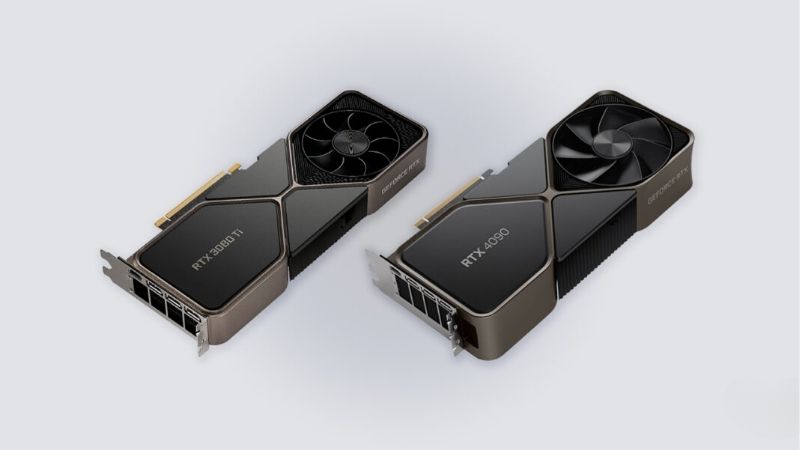
4070 Super vs 4090 frames one of the classic GPU dilemmas: do you save big with a smart mainstream card, or pay a steep premium for near-flagship power? Both run on the same Ada Lovelace architecture, so this is not a generational fight but a question of how much performance you actually need and what it is worth to you. If you only have thirty seconds, the RTX 4070 Super is the value champion that nails 1440p and handles 4K with sensible settings, while the RTX 4090 is the brute-force option for uncompromised 4K and serious creative work. The rest of this comparison breaks down specs, real frame rates, power, VRAM and the volatile 2026 market so you can decide whether value or raw power is the right call for your build.
As an Amazon Associate we earn from qualifying purchases at no extra cost to you. Product prices and availability are accurate as of the date shown and are subject to change.


Quick Verdict and the Spec Showdown
These two cards share a family resemblance but sit several tiers apart in raw capability and price. Before the benchmarks, here is the fast summary of how the 4070 Super vs 4090 decision usually breaks down for buyers weighing value against power.
The 30-Second Verdict
Choose the RTX 4070 Super if you game mainly at 1440p, want strong 4K with reasonable settings, and would rather keep a large chunk of your budget for the rest of your build. Choose the RTX 4090 if you run a high-refresh 4K display, demand maxed-out visuals with heavy ray tracing, or do creative and AI work that rewards its huge memory and compute. The 4070 Super is the pragmatic value pick; the 4090 is the power play for those who refuse to compromise and can absorb the cost.
Side-by-Side Spec Sheet
The spec sheet shows just how far apart these two cards sit despite sharing an architecture. The 4090 has dramatically more of nearly everything, which explains both its performance and its price.
| Spec | RTX 4070 Super | RTX 4090 |
|---|---|---|
| Architecture | Ada Lovelace | Ada Lovelace |
| VRAM | 12GB GDDR6X | 24GB GDDR6X |
| Memory Bus | 192-bit | 384-bit |
| TDP | around 220W | around 450W |
| DLSS | DLSS 3 | DLSS 3 |
| Launch Price | $599 | $1,599 |
The 4090 doubles the memory to 24GB, doubles the bus and roughly doubles the power draw, while costing well over twice as much. Both support DLSS 3 with Frame Generation, so the feature set is similar, and the 4070 Super vs 4090 gap is almost entirely about raw scale rather than capabilities you can or cannot access.
Architecture and Where the Money Goes
Because both cards use Ada Lovelace, they share the same efficient design, the same RT cores generation and the same DLSS 3 Frame Generation support. What separates them is sheer quantity: the 4090 packs far more shading units, a much wider memory bus and twice the VRAM. That means the 4090’s advantage shows up most in scenarios that can use all those resources, namely 4K, heavy ray tracing and large creative projects. At lower resolutions, much of its power simply cannot be tapped, which is the central tension of this matchup.
This shared-architecture situation is actually helpful for buyers, because it removes feature anxiety from the equation. Neither card locks you out of DLSS 3 or Frame Generation, so you are not choosing between capabilities, only between how much horsepower you are paying for. That makes the 4070 Super vs 4090 decision unusually clean: identify the resolution and workloads you care about, and the right amount of raw performance, and therefore the right card, follows naturally from there.
It also helps to weigh how each card fits the rest of your system and your plans. The 4070 Super slots easily into mainstream builds with modest power and cooling needs, while the 4090 expects a stronger supply, more cooling and a roomy case to perform at its best. If you are building fresh, the 4090’s demands are simple to plan around, but if you are upgrading an existing machine, the 4070 Super may drop in with far fewer changes and less added cost. These practical fit factors rarely appear on a spec sheet, yet they shape the true price and effort of an upgrade, so they deserve a place in your 4070 Super vs 4090 decision alongside raw performance.
Gaming Performance and Real Frame Rates
Specs set expectations, but frame rates settle the argument. The 4090 is far faster, yet how usable that lead is depends heavily on resolution. Here is how the 4070 Super vs 4090 race actually unfolds where it matters.
1440p Performance
At 1440p the 4070 Super is already excellent, pushing well past 100 frames per second in most modern titles at high settings and easily saturating fast monitors in lighter games. The 4090 posts higher numbers, but at this resolution you often hit CPU or display limits before the flagship is fully stretched, leaving much of its power unused. If 1440p is your ceiling, the 4070 Super delivers a superb experience for far less money, and the 4090 becomes hard to justify on gaming grounds alone.
The practical lesson from 1440p testing is that your display does more to shape the experience than the badge on the box. At this resolution the 4070 Super already delivers everything most players need, and the 4090’s surplus power sits largely idle. The picture only changes when you raise the resolution or push into the most punishing settings, where raw horsepower finally has somewhere to go. Knowing which side of that line your setup falls on is the single most useful thing you can do before spending, because it tells you whether the flagship’s premium buys you a benefit you will feel or a number you will never actually see on screen.
4K and Ray Tracing
At 4K the gap becomes meaningful and the 4090 justifies its price. Where the 4070 Super needs careful settings and upscaling to stay smooth in the hardest titles, especially with its 12GB buffer under pressure, the 4090 powers through with room to spare. Turn on heavy ray tracing and the 4090 stretches its lead further thanks to its abundant resources. For a high-refresh 4K setup, the 4090 is the card that keeps frame times consistent in the most demanding scenes, which is exactly where paying for power pays off.
DLSS 3 and Frame Generation
Both cards support DLSS 3 with Frame Generation, which can substantially boost frame rates in supported titles by generating additional frames. This is good news for 4070 Super owners, because the feature helps the smaller card punch above its weight at 4K, narrowing the experiential gap in supported games. The 4090 still pulls ahead thanks to its raw power, but DLSS 3 ensures the 4070 Super remains genuinely capable at higher resolutions rather than being left behind, making the value argument even stronger for upscaling-friendly libraries.
It is also worth remembering that frame generation changes how you should read benchmark charts. A native-only comparison can overstate the gap, because DLSS 3 Frame Generation helps the 4070 Super close the distance at higher resolutions in supported titles, making it feel more capable than raw numbers suggest. Conversely, the 4090’s lead is most visible precisely in the heaviest scenes where no upscaling trick can fully substitute for raw power. Measuring these two cards against your actual library, rather than a generic benchmark suite, gives a far truer sense of which one matches the games you really play.
Power, Price and the 2026 Market
Performance is only part of the purchase. What you pay up front, what you spend on electricity, and what the wider market is doing all shape whether the 4070 Super vs 4090 choice is wise. In 2026 those market forces are unusually significant.
Power Draw and Efficiency
The 4070 Super is far more efficient at roughly 220W, while the 4090 can pull around 450W under load. That means the 4090 demands a robust 850W or larger power supply, strong cooling and a roomy case, while the 4070 Super is happy on a quality 650W unit in a standard build. Over a year of gaming, the efficiency difference shows up on your power bill and in the heat your system produces. For small or quiet builds, the lower-power 4070 Super is much easier to live with day to day.
Pricing, Value and Where to Buy
Value is where 2026’s market noise gets loud. Laptop and component prices have been climbing as supply tightens and demand for AI-capable silicon soaks up manufacturing capacity. The recent United States decision to allow Nvidia to resume selling its H200 data-center accelerators to China has pulled even more capacity toward enterprise GPUs, and when fabs prioritize lucrative data-center chips, consumer cards can face thinner stock and firmer prices. For shoppers the message is blunt: waiting for a steep price drop is risky, because the macro pressure points upward, not downward.
That backdrop sharpens the value question. The 4070 Super at $599 delivers tremendous performance per dollar, while the 4090 near $1,599 is a luxury that only makes sense if you can use its power. If you have settled on the 4070 Super, compare current listings and today’s deals across a couple of trusted retailers before stock tightens further, and avoid overpaying during a volatile pricing stretch.
Pros and Cons at a Glance
To crystallize the 4070 Super vs 4090 trade-offs, here is a focused rundown of where each card wins and where it asks for compromise. Read it with your resolution and budget in mind, because the right answer depends on whether you prioritize value and efficiency or outright power and 4K headroom.
RTX 4090 Pros
- Outstanding 4K and ray tracing performance
- 24GB VRAM for gaming and heavy creative work
- Massive headroom that stays comfortable for years
RTX 4090 Cons
- High 450W power draw and heat
- Expensive, with prices kept high by the market
- Overkill for pure 1440p gaming
RTX 4070 Super Pros
- Excellent value for 1440p and capable 4K
- Efficient 220W draw, easy to power and cool
- Full DLSS 3 Frame Generation support
RTX 4070 Super Cons
- Only 12GB VRAM, tighter for demanding 4K
- Far behind the 4090 at maxed-out 4K
One more angle worth weighing is the total cost of ownership over the years you will keep the card. The 4090’s higher power draw means a bigger electricity bill, a stronger supply and more cooling, while the 4070 Super is gentler on every front and leaves more of your budget for the rest of the build. Spread across a long ownership window, those running costs add up, and they should be balanced against the flagship’s undeniable performance. For buyers who can use the power and absorb the expense, the 4090 is a superb long-term anchor; for everyone else, the efficient 4070 Super delivers most of the experience without the ongoing premium.
See More:
Conclusion
The 4070 Super vs 4090 comparison comes down to a simple question of value versus power. For the vast majority of gamers, the RTX 4070 Super is the smarter buy, delivering superb 1440p performance, capable 4K with DLSS 3 and excellent efficiency at a fraction of the flagship’s cost. The RTX 4090 remains the right choice for uncompromised 4K gaming and demanding creative work, provided you can absorb its price, power and cooling needs. With component and laptop prices firming and fabs leaning toward data-center demand, high-end cards are likely to stay expensive, which makes the 4070 Super’s value look even better. Match the card to your monitor and your workload, and you will avoid both overspending on power you cannot use and underbuying for your real needs.
Frequently Asked Questions
What is the best 4070 super 4090 in 2026?
The best 4070 super 4090 depends on your budget and how you plan to use it. The options compared above are our top-rated picks based on real customer ratings, build quality, and overall value — start with the highest-rated model that fits your budget.
How much should I expect to spend on a 4070 super 4090?
Prices vary by brand and features. Budget options cover the essentials, while mid-range and premium models add durability, performance, and extra features. Compare the prices in the list above to find the best value for your needs.
What should I look for when buying a 4070 super 4090?
Focus on what matters most for your use case — build quality, compatibility, performance, warranty, and verified customer reviews. Every pick above is selected to balance these factors.
Are budget 4070 super 4090 options worth it?
Yes. For most people a well-reviewed budget or mid-range 4070 super 4090 delivers excellent value. You only need to spend more if you specifically require premium materials or top-tier performance.
How did we choose these 4070 super 4090 picks?
We compare current Amazon ratings, review counts, key features, and price to surface the options with the best real-world value. The list is refreshed as ratings and availability change.






Write Your Review
No reviews yet. Be the first to share your experience!