
- Top Pick: MSI Gaming GeForce RTX 3070 8GB GDRR6 256-Bit HDMI/DP TORX Fan 3.0 Ampere Architecture OC Graphics Card (RTX 3070 Ventus 3X OC) (Renewed)
- Best Value: NVDIA GeForce RTX 3070 8GB GDDR6 PCI Express 4.0 Graphics Card – Dark Platinum and Black (Renewed)
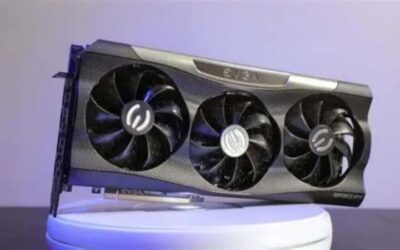
- Premium Choice: EVGA GeForce RTX 3070 XC3 Ultra Gaming, 08G-P5-3755-KL, 8GB GDDR6, iCX3 Cooling, ARGB LED, Metal Backplate, LHR (Renewed)

Best Seller
NVDIA GeForce RTX 3070 8GB GDDR6 PCI Express 4.0 Graphics Card – Dark Platinum and Black (Renewed)
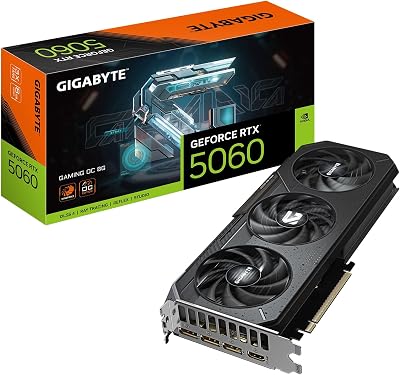

RTX 3070 8GB remains one of the most cross-shopped used graphics cards, years after its launch, and for good reason: it was a genuine 1440p star in its day. But in 2026 the picture is more nuanced, because the same 8GB of memory that felt generous at release now sets the card’s ceiling. This review looks objectively at how the RTX 3070 8GB performs today, what its real strengths and weaknesses are, and whether it still deserves a place in your build. The short version is that it is a card of one great strength and one clear limitation, and the balance between them depends entirely on the games you play.
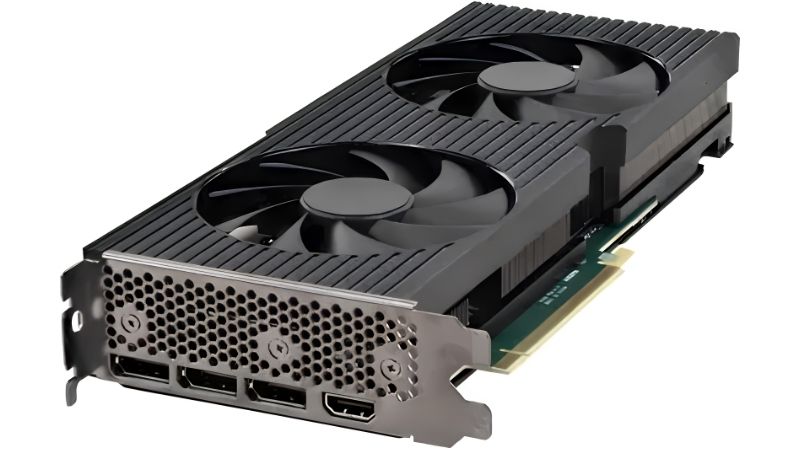
RTX 3070 8GB Performance and Specs Today
To judge the card fairly, start with what it is made of and how that translates into frame rates in 2026. The specs still read well, but context matters more than raw numbers here.
As an Amazon Associate we earn from qualifying purchases at no extra cost to you.



Architecture and Key Specs
The RTX 3070 is built on Nvidia’s Ampere architecture, with 5,888 CUDA cores, a 256-bit memory bus and around 448 GB/s of bandwidth. Those are solid figures that still hold up for mainstream gaming today. On paper the core hardware is closer to a modern mid-range card than its age might suggest, which is a large part of why it stayed relevant for so long.
Its 220W power draw is typical for its class, and it supports DLSS Super Resolution, though not the newer frame-generation features reserved for later generations. That distinction becomes important when comparing it to current cards. Where newer GPUs can multiply frames with generated frames, the 3070 relies purely on its native output and standard upscaling.
The headline spec, and the one that defines the card in 2026, is the 8GB of GDDR6 memory. It was ample at launch but is now the single biggest factor shaping the card’s usefulness. Everything positive or negative about owning this card in 2026 tends to trace back to that one number.
1440p and 1080p Gaming Performance
At 1080p, the RTX 3070 8GB still delivers high frame rates across the vast majority of games, easily handling esports titles and comfortably running most modern releases at high settings. For 1080p gamers, it remains genuinely capable. Competitive players in particular will find frame rates high enough to drive fast refresh-rate monitors in most esports titles.
At 1440p, the resolution it was famous for, raw performance is still strong, and in many titles it holds smooth, playable frame rates at high settings. This is where the card built its reputation, and much of that shine remains intact. For a card of its age, holding up at 1440p in current games is a genuine achievement and the main reason it still sells.
The catch appears in the newest, most demanding games, where the 8GB buffer, rather than the GPU itself, becomes the limit. In those titles you may need to lower textures to keep performance smooth, even though the core is fast enough. It is a frustrating position, because the bottleneck is memory rather than the GPU, which otherwise has the horsepower to cope.
The 8GB VRAM Question
The defining issue for the RTX 3070 8GB in 2026 is memory. Modern games increasingly request more than 8GB at high textures, and when a card runs short you get stutter and texture pop-in rather than a clean drop in frame rate. That kind of hitching is more disruptive than a lower average frame rate, since it breaks the sense of smoothness in fast-moving scenes.
This means the card can post a respectable average frame rate yet still feel worse to play in memory-heavy titles. The GPU has the muscle; the memory simply cannot always keep up with the newest games at maxed settings.
For older libraries, esports and 1080p play, the 8GB is rarely a problem. It is specifically the latest AAA releases at high textures where the limit bites, so your game choices decide how much this matters to you. A buyer with a mostly older or competitive library will barely notice, while someone chasing every new blockbuster will feel it quickly.
Features, Efficiency and Everyday Use
Raw performance is only part of the story. How the card handles features, power and daily ownership rounds out whether it still makes sense as a purchase today.
DLSS and Ray Tracing
DLSS Super Resolution is a real asset, letting the RTX 3070 8GB boost frame rates in supported games by rendering at a lower resolution and upscaling cleanly. It remains one of the card’s most valuable features in 2026. In supported titles, DLSS can be the difference between a game feeling sluggish and feeling smooth on this card.
The card can also enable ray tracing, and while its Ampere-era hardware handles lighter effects reasonably, heavy ray tracing at 1440p pushes it hard. Expect to lean on DLSS to keep ray-traced games smooth.
Crucially, the 3070 lacks the frame-generation feature found on newer cards, which is a meaningful gap when comparing it to current options. In games that support frame generation, a modern card can pull noticeably ahead. This is the clearest area where the 3070 shows its age against current-generation hardware rather than in raw rasterization.
Power, Thermals and Build
At roughly 220W, the RTX 3070 8GB is not especially power-hungry, and a quality 650W supply comfortably runs a full system built around it. It sits in a sensible middle ground for efficiency. That modest draw also means it does not demand an expensive power supply, which helps keep the total cost of a build around it reasonable.
Most partner cards cool it well, staying quiet under typical gaming loads, though some compact or older designs can run warm during extended sessions. Good case airflow keeps temperatures and noise in check. Repasting an older used unit can also help, since thermal paste degrades over years of use and a refresh often lowers temperatures noticeably.
Physically the card fits most builds without drama, and its mature design means driver support and stability are well established. For a used purchase, that maturity is reassuring rather than a drawback.
What Owners Say: The 4-5 Star and 2-3 Star Verdicts
Long-term owner feedback paints a consistent picture of a capable card with one clear caveat. Weighing the positive and critical reviews together gives a balanced sense of daily ownership.
In the 4-5 star camp, owners praise strong, reliable 1440p performance, quiet operation, and the value DLSS adds in supported games. Many highlight how well the card has aged for esports and older AAA titles, calling it a dependable workhorse. A common theme is satisfaction with the purchase over several years, which speaks to the strength of the underlying hardware.
The 2-3 star reviews focus almost entirely on the 8GB memory, citing stutter and forced texture compromises in the newest games, along with the absence of frame generation and, more recently, inflated used prices. The criticisms are consistent and centre on longevity rather than raw speed. Tellingly, almost no one complains that the card is slow; the frustration is that its memory holds back an otherwise capable GPU.
Value, Pricing and Alternatives
Whether the card is worth buying comes down to price and what else your money could get. Here is an honest look at its trade-offs, today’s pricing, and the options worth weighing against it.
Pros and Cons of the RTX 3070 8GB
Here is the honest ledger for the RTX 3070 8GB, based on how it performs and what it costs to own in 2026.
Pros: strong 1440p and 1080p raster performance, DLSS Super Resolution support, sensible power draw, mature drivers, and good availability on the used market. Cons: only 8GB of VRAM, no frame generation, ray tracing is dated, and used prices can be higher than the card’s age suggests.
In short, the core of the card remains genuinely good, and the caveats cluster tightly around memory and features rather than fundamental performance. That makes it a strong buy at the right price and a poor one if overpriced.
Pricing and the Used Market Today
The RTX 3070 8GB is a used-market card now, and pricing is the deciding factor. In 2026, component prices have trended upward rather than falling, and that pressure props up used prices for older cards more than you might expect.
Memory is a big reason, as graphics cards compete for tight DRAM supply, keeping the wider market firm. The knock-on effect is that a used 3070 can sometimes cost more than its age and 8GB limit really justify.
The practical rule is to buy only at a genuinely low price. If a used 3070 is cheap, it remains a strong 1440p value; if it is priced like a current card, newer options make more sense. Setting a firm maximum before you shop protects you from overpaying for a card whose age deserves a discount.
Alternatives Worth Considering
If a used 3070 is not cheap enough, several newer cards offer more memory and modern features for similar money. Current mainstream cards from AMD and Nvidia often ship with more VRAM and frame generation, addressing the 3070’s two main weaknesses. For only a little more than an inflated used 3070, a new card can offer a warranty and a longer support life on top of those advantages.
There is faint good news on pricing generally, but it is weak and distant, with real relief from new supply not expected until around 2027 to 2028. Waiting for a crash is therefore not a reliable plan.
The goal is to compare the used 3070’s price against new cards on the day you shop. Often a modest step up to a newer 16GB card is the smarter long-term buy, unless the 3070 is priced to sell.
See more:
- Nvidia gear store
- Nvidia number of employees
- Nvidia Jetson Xavier Developer Kit
- GeForce graphics driver
Final Verdict: Is the RTX 3070 8GB Worth It?
The RTX 3070 8GB is still a genuinely capable 1440p and 1080p card whose core performance has aged well, but its 8GB of memory and lack of frame generation are real limits in the newest games. It is an excellent buy when the used price is low, and a poor one when priced like a modern card, so value hinges almost entirely on what you pay. If your library leans toward esports and older titles, it remains a smart pick; if you chase the latest AAA releases at high textures, a newer 16GB card is worth the step up. Check the current price on the RTX 3070 8GB and its newer rivals through the link below before you decide.
Frequently Asked Questions
Is the RTX 3070 still good enough for 1440p in 2026?
The GPU itself still has the shader throughput for 1440p high settings in most titles. The limitation is its 8GB frame buffer, which forces texture compromises in newer releases. Dropping textures one notch and enabling DLSS quality mode usually restores comfortable frame rates without a large visual penalty.
Why does 8GB hold this card back so much?
The RTX 3070 was designed when 8GB was generous, but current games target consoles with unified memory pools well above that. Ray tracing and frame generation both add VRAM overhead. Once the buffer overflows, assets stream from system RAM across PCIe, producing severe stutter rather than a gradual slowdown.
What power supply does an RTX 3070 need?
Board power is around 220W and Nvidia recommends a 650W supply for a typical system. Founders Edition cards use a 12-pin connector with an included adapter, while partner cards use one or two standard 8-pin PCIe plugs. Quality matters more than raw wattage because Ampere cards produce sharp transient spikes.
Does it support DLSS frame generation?
No. The RTX 3070 supports DLSS super resolution and ray reconstruction, but hardware frame generation requires the optical flow accelerator capabilities of Ada and Blackwell cards. Ampere owners can use driver-level smooth motion or third-party solutions such as FSR frame generation in supported titles as an alternative.
What is a reasonable used price today?
Values have fallen well below the original 499 dollar launch price and now sit in used-market territory comparable to current entry-level cards. It is only a good deal if it undercuts a new 8GB card significantly, since a new card adds warranty, better efficiency and current feature support.

Write Your Review
No reviews yet. Be the first to share your experience!