
Nvidia products span far more than the graphics card most people picture, from the GeForce GPUs that dominate gaming to the Shield streaming family and the software that ties a whole setup together. If you are trying to understand the full lineup and figure out which piece actually deserves your money, this guide is the practical, plain-English tour you need. It maps the range, weighs the real strengths and weaknesses owners report, and factors in the current market so you can spend wisely rather than guess. Whether you are a first-time buyer or upgrading a known setup, you will finish knowing exactly where to look. Rather than treating the brand as a single monolith, the smartest approach is to see it as a menu of distinct tools and then pick only the one that solves your specific problem, which keeps you from paying for capabilities you will never use simply because they carry a familiar name.
Understanding the Nvidia Product Range
The lineup is best understood as three connected families rather than a single catalog, each aimed at a different need and budget. Gaming graphics cards are the core, streaming and living-room devices form a second pillar, and the software layer quietly links everything with updates, capture, and tuning. Knowing which family you are shopping in is the first step to avoiding an overspend on capabilities you will never touch.
GeForce Graphics Cards
GeForce is the heart of the lineup, tiered so the model number tells you the target resolution: entry cards aim at 1080p, the mid-range at 1440p, and the high end at 4K and content creation. This clear ladder makes it easy to match a card to your monitor once you know how to read it.
What sets GeForce apart is not raw speed alone but the pairing of solid frame rates with mature AI features like upscaling and frame generation, which let a mid-range card punch above its weight. For most buyers, a GeForce card is the single Nvidia product that matters most, and picking the right tier is the whole game. Get that tier right and the rest of the lineup becomes optional rather than essential, because a well-chosen GPU paired with the free software already covers what most people need, so the smartest first move is almost always to settle the graphics-card decision before considering anything else in the range.
Nvidia Shield Streaming Devices
The Shield family serves the living room rather than the desktop, delivering Android TV with strong app support and AI-enhanced upscaling that sharpens lower-resolution video on a big screen. It remains a favorite among streaming enthusiasts who want more control and power than a basic stick offers.
Though it is a more niche product, the Shield has a devoted following for its performance and longevity. For buyers focused on a premium living-room experience rather than gaming, it is the corner of the lineup worth exploring, and it appeals to a different audience than the GPU shopper. That is worth stating plainly, because shoppers sometimes lump every product under one label and expect a streaming device to influence their gaming performance or vice versa, when in reality the two solve entirely separate problems and should be judged against completely different needs and budgets.
The Software and Ecosystem Layer
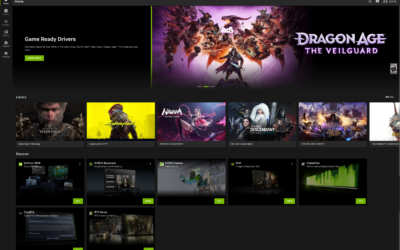
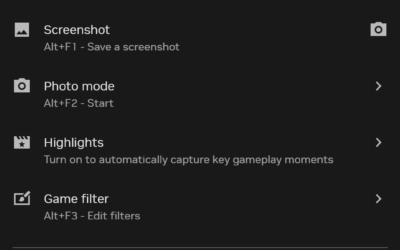
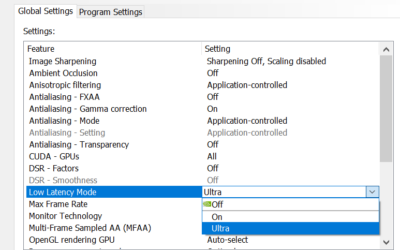
Tying it all together is the software: the companion app for driver updates and capture, and the control panel for display and performance tuning. This layer is free but genuinely valuable, turning a graphics card into a managed, feature-rich tool rather than a bare component.
The ecosystem is also a quiet reason buyers stay inside the brand. Once you are used to one dashboard for updates, recording, and tuning, switching means relearning tools, which is either a convenience or a mild lock-in depending on how you value flexibility. For most owners the convenience wins easily, since having a single, familiar place to update drivers, capture clips, and tune displays removes friction that would otherwise nudge people into neglecting their setup, and that low-effort upkeep is a real, if understated, reason the ecosystem keeps buyers loyal.
Nvidia Products: Strengths and Weaknesses
The fairest way to judge the lineup is to weigh its documented strengths against the recurring complaints in verified owner reviews, aggregating enthusiastic four and five star feedback alongside the two and three star gripes. The pattern is remarkably consistent across product families, which makes the trade-offs easy to summarize before you buy. Here is the honest picture of what these products do well and where they frustrate.
Where the Lineup Excels
The clearest strength is feature depth and software polish. Across GPUs and Shield devices, the AI-driven upscaling and reliable, frequent updates are widely praised, and owners consistently highlight day-one stability in new games as a reason they stay loyal.
Efficiency and resale value are the other standouts. Modern cards deliver strong performance per watt, keeping heat and noise manageable, and the products hold their used value better than most, softening the cost of the next upgrade. These are the reasons the brand commands its reputation. They also explain why the products tend to satisfy over the long term rather than only at launch, because reliable driver support and steady feature improvements mean a card often feels better a year after purchase than it did on day one, which is the opposite of how most technology ages.
Common Complaints to Weigh
The loudest recurring gripe is price, as buyers pay a brand and feature premium across the range, and lower-tier cards can feel stingy on memory for the money. Two and three star reviews frequently note that a rival offered more raw memory at the same price.
Availability is the second frequent complaint, with popular models selling out and third-party pricing drifting above list. A minority of reviewers also mention coil whine on specific board designs, a reminder that the exact model you choose matters as much as the family it belongs to. The practical lesson is to research the specific model and its cooler design, not just the tier, since two cards built on the same chip can differ noticeably in noise, temperature, and even physical fit, and a few minutes reading owner feedback on the exact variant prevents the most common regrets.
Matching a Product to Your Needs
Satisfaction rises sharply when expectations match the product. Buy a GPU tier that matches your resolution, choose the Shield only if the living room is your priority, and lean on the free software to extract full value from whatever you own.
The most common regret is overreach, such as expecting a budget card to handle 4K. Reading the lineup honestly and buying for your actual use, not the halo product, is what turns an Nvidia purchase into a lasting positive rather than a disappointment. The buyers who end up unhappy are almost always the ones who chased the most impressive-sounding product rather than the one suited to their actual use, so anchoring the decision to your real resolution, room, and workload, instead of to marketing or benchmarks you will never replicate, is the single best way to spend well.
Value, 2026 News, and Buying Timing
Choosing the right Nvidia products is only half the decision; the other half is timing your purchase against a shifting market. Two developments matter in 2026, one about the company’s direction and one about the prices you will actually pay, and both should shape when and what you buy. Here is the context that turns a good product choice into a smart purchase.
The H200-to-China News and What It Signals
The United States has cleared Nvidia to sell its H200 accelerator, one of its most powerful AI chips, to China. This is a data-center story rather than a consumer one, so it will not directly change the price of a GeForce card next week.
It matters indirectly, though, as renewed access to a huge market signals sustained demand for the company’s most advanced silicon and keeps its priorities heavily weighted toward AI. For a consumer, the practical read is that you should not expect consumer stock to suddenly flood the market, so plan around current availability rather than hoped-for surpluses. In other words, the company’s clear tilt toward AI is a useful signal for consumers, because it explains why consumer supply stays tight and why patience is unlikely to be rewarded, reinforcing that buying the right product at today’s price beats waiting for a flood of stock that is simply not coming soon.
Rising Prices and the Real Relief Timeline
The more relevant trend is that laptop and component prices have been climbing, driven largely by memory costs, which touches every card and device in the lineup. If you have been waiting for a dramatic price drop before buying, the data does not support that wait right now.
There is a sliver of good news that is real but modest: prices have stopped rising as steeply as they did at the end of 2025, and some manufacturers report a stretch of relative stability, even while warning that volatility continues. Genuine relief is distant, as new supply and additional fabrication plants are not expected to run until 2027 or 2028, so prices have plateaued rather than fallen.
How to Buy Smart Right Now
Given a plateau rather than a decline, the sensible move is to buy the product that fits your needs at today’s price rather than waiting for savings that are years away. Decisive buyers are rewarded over hopeful waiters in this market.
Anchor the decision to your actual use, shortlist the right tier or device, and compare live prices before committing. Treat any future discount as a bonus rather than a plan, and you will make a purchase you are happy with regardless of where prices drift next.
See More:
- Nvidia Corporation
- download latest Nvidia drivers
- Nvidia GeForce Experience
- rx 7700 xt vs rtx 5060
- rtx 5060 triple fan
Final Verdict on Nvidia Products
The Nvidia products lineup rewards buyers who shop by need rather than by brand halo, offering mature software, reliable updates, and strong efficiency across GeForce GPUs, Shield devices, and the free ecosystem that ties them together. The trade-offs are consistent, a price premium and occasionally tight memory on lower cards, but matching the right product to your resolution or living-room goal keeps satisfaction high. With the company’s focus firmly on AI and component prices plateaued rather than falling, waiting is unlikely to save meaningful money, so identify the product that fits your needs and use the link in this guide to check current pricing and availability before stock and prices shift again, since the smart move is a well-matched buy today.
Frequently Asked Questions
What product lines does NVIDIA actually sell?
The main consumer line is GeForce RTX graphics cards. Beyond that there are RTX professional workstation cards, data centre accelerators, Jetson embedded modules for robotics, Shield streaming devices, DGX systems, and networking hardware inherited from the Mellanox acquisition.
What is the difference between GeForce and professional RTX cards?
Professional cards use certified drivers validated against CAD and simulation applications, often carry larger memory capacities with error correction, and support features like framelock. They cost substantially more per unit of gaming performance and offer no benefit for games.
Which product should a gamer actually buy?
A GeForce RTX card, chosen by target resolution. Entry parts cover 1080p, the 5070 class suits 1440p, and the 5080 or 5090 target 4K. Professional and data centre products bring no gaming advantage and are priced for entirely different workloads.
Are Jetson boards useful for hobbyists?
Yes for robotics, computer vision, and edge AI projects where a small power envelope matters. They run a Linux stack with CUDA support. They are not a substitute for a desktop GPU in raw throughput, so treat them as deployment hardware rather than development machines.
How do I get the best price across the range?
Track street pricing rather than announced MSRP, wait a couple of months after launch for supply to settle, and consider previous-generation cards that remain competitive once discounted. For workstation parts, refurbished and off-lease stock offers the largest savings.
As an Amazon Associate we earn from qualifying purchases at no extra cost to you.





Write Your Review
No reviews yet. Be the first to share your experience!