
Nvidia name origin is one of those small mysteries that tech fans love, and the true story is more clever than most people expect. If you’ve ever wondered why a graphics company is called Nvidia, why its logo is green, or what all those letters in “RTX” and “GTX” mean, you’re in the right place. This piece unpacks the whole story: the founding spark behind the name, its surprising Latin connection, why the branding fits so perfectly, and how naming shaped the products you buy. It’s a fun, quick education in how one of the world’s biggest companies got its identity.


The Real Story Behind the Nvidia Name Origin
The name Nvidia blends a practical engineering placeholder with a clever bit of Latin wordplay, and understanding both halves explains the whole identity. What began as shorthand on early project files evolved into a brand now recognized around the world, and the transformation says a lot about how the company thinks.
As an Amazon Associate we earn from qualifying purchases at no extra cost to you.




![Discovery of the Origin of the Name of America. [New York-1888]](https://m.media-amazon.com/images/I/41OCh0THysL._SL160_.jpg)


From “NV” to Nvidia: The Founding Spark
When the company was being formed in the early 1990s, its founders reportedly labeled their early files “NV,” a shorthand commonly explained as standing for “next version.” It was a placeholder, the kind of quick tag engineers scribble before anything official exists.
As the startup took shape, that “NV” needed to grow into a real, memorable brand name. The founders wanted something that sounded modern and technical while carrying a deeper meaning, so they went looking for a word built around those two letters.
That search is where the story gets interesting, because the solution they landed on tied the practical “NV” to a word with a bold, almost cheeky message baked in. The placeholder became the seed of a permanent identity. It’s a reminder that many iconic brand names begin as something mundane before a spark of creativity transforms them into something memorable, and Nvidia’s is a textbook example of that leap.
The “Invidia” and Envy Connection
The widely told explanation is that the founders drew on the Latin word “invidia,” which means envy. Combining the “NV” shorthand with “invidia” produced “Nvidia,” a name that quietly declares the company wants to make products so good the competition turns green with envy.
It’s a confident, memorable idea, and it fits a company that has always aimed to lead rather than follow. A name rooted in envy is essentially a mission statement disguised as branding, promising technology others will wish they had made.
Whether or not every detail of the tale is exact, the “invidia” connection has become the accepted and beloved origin story. It’s the kind of clever backstory that makes a brand stick in people’s minds. Fans enjoy repeating it precisely because it captures the company’s character so neatly: ambitious, a little audacious, and unafraid to declare that it intends to be the best in the room.
Why the Green Branding Fits the Name
The envy theme dovetails neatly with Nvidia’s famous green branding, since envy is traditionally associated with the color green — think of the phrase “green with envy.” The logo and brand identity reinforce the name’s meaning at a glance.
Over the years, that green has become instantly recognizable, appearing on graphics cards, packaging, and marketing across the globe. It’s a rare case where a company’s color, name, and mission all point in the same direction.
This consistency is part of why the brand feels so cohesive. The Nvidia name origin isn’t just trivia; it’s the foundation of a visual identity that fans recognize the moment they see it. That alignment between a name meaning envy and a color long tied to envy is the sort of detail marketers dream about, and it has helped the brand feel intentional and unified for decades.
How Nvidia’s Naming Shaped Its Products
The cleverness behind the company name carried through into how Nvidia labels its products, creating brands that gamers and creators recognize instantly. Understanding these naming conventions helps you decode the lineup and shop more confidently.
The GeForce Brand and Product Names
GeForce is Nvidia’s flagship consumer graphics brand, and the name itself suggests power and momentum — “force” paired with a nod to graphics. It has become synonymous with gaming GPUs for millions of people around the world.
Launching a distinct, memorable sub-brand let Nvidia build loyalty that extends across generations of hardware. When a gamer says they want a GeForce card, they’re expressing trust in a name that has stood for gaming performance for decades.
That branding strength is a direct descendant of the thinking behind the company name. Nvidia clearly understands that a strong, evocative name is a competitive asset, not just a label. GeForce became so dominant that for many people it’s practically shorthand for a gaming graphics card, a level of recognition that took years of consistent branding to build.
RTX, GTX, and What the Letters Mean
Within the GeForce family, the letters matter. For years, GTX marked the high-performance gaming cards, becoming shorthand for serious gaming power in the community’s vocabulary.
RTX arrived to signal a new era, with the “RT” pointing to the ray tracing hardware that Nvidia introduced to bring more realistic lighting to games. The letter change told buyers, at a glance, that these cards did something genuinely new.
These naming choices help shoppers navigate the lineup quickly, and they show the same instinct visible in the company name: use names to communicate value and capability instantly, without a spec sheet. When you see “RTX” on a box, you already know it belongs to the modern, ray-tracing-capable era, which is exactly the kind of instant shorthand a well-designed naming system provides.
Why a Strong Name Matters in Tech
A great name does more than sound nice; it builds recognition, trust, and emotional connection. Nvidia’s memorable naming — from the company itself to GeForce and RTX — has helped it stand out in a crowded, technical industry.
In a market full of model numbers and acronyms, a name that carries meaning cuts through the noise. It gives customers something to remember and rally around, which is invaluable when products change every year.
This is the lasting lesson of the Nvidia name origin: identity is strategy. The same care that turned “NV” and “invidia” into a global brand runs through every product name the company chooses. It’s a subtle competitive edge that’s easy to overlook, yet in an industry where products are often reduced to strings of numbers, a name that means something gives customers a reason to remember, trust, and return to the brand year after year.
Beyond the Name: Nvidia Today
The story behind the name is charming, but it’s also the starting point of a company that grew far beyond graphics. Seeing where Nvidia is now adds meaning to how it began, and connects that history to the products you can actually own.
From Graphics Pioneer to AI Powerhouse
Nvidia started by chasing excellence in graphics, but the same technology proved perfect for artificial intelligence, propelling the company into one of the most important firms in the world. The GPUs designed for games turned out to be ideal for training AI models.
That evolution shows the ambition baked into the name from day one. A company literally named after envy was never going to settle for being just a graphics-card maker; it aimed to lead wherever its technology could go.
Today, Nvidia’s reach spans gaming, AI, data centers, robotics, and more, yet its consumer roots remain very much alive. The brand that started with a clever name now touches an astonishing range of technology. It’s a striking arc for a company whose identity began as two letters on a project file, and it shows how far a confident name and relentless execution can carry a business.
Pros and Cons of Nvidia’s Brand Dominance
Nvidia’s powerful brand, built on that memorable name, brings clear benefits and a few trade-offs for consumers worth understanding.
| Benefits of the Strong Brand | Trade-offs |
|---|---|
| Consistent quality and driver support you can trust | Popular products can carry a price premium |
| Recognizable lineup that’s easy to shop | High demand can strain availability |
| Broad ecosystem (DLSS, CUDA) and loyalty | Dominance leaves less room for alternatives |
| Long-term software and feature commitment | Brand pull can overshadow value rivals |
On balance, the brand strength that traces back to the name is a genuine plus for buyers: trust, consistency, and a rich ecosystem. The main watch-out is simply that popularity can mean paying for the name, so it’s still worth comparing on value.
See More:
- AMD graphics driver download
- Is Nvidia American
- Nvidia 1080 Ti drivers
- Radeon graphics driver update
- Nvidia RTX 3060 drivers
Experiencing the Nvidia Name for Yourself
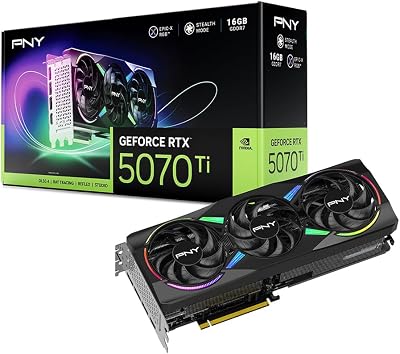
The best way to appreciate the story is to experience the products that carry the name, from GeForce graphics cards to the Shield media player and Jetson maker boards. Each one is a piece of the identity that began with “NV” and “invidia.”
Whether you’re gaming, streaming, or building an AI project, owning Nvidia hardware connects you to that decades-long story of a company determined to make technology worth envying. It turns a fun bit of trivia into something tangible on your desk.
If the story has sparked your curiosity, you can explore Nvidia’s current consumer lineup through the links on this page and pick the product that fits your needs.
In the end, the Nvidia name origin is a small masterclass in branding: a practical “NV” placeholder fused with the Latin “invidia” to create a name that literally promises envy-worthy technology, reinforced by that iconic green identity. From GeForce to RTX, the same instinct for meaningful names runs through everything the company makes. If learning the story has made you curious about the hardware behind the brand, browse the recommended Nvidia products linked here to experience that envy-worthy technology firsthand.
Frequently Asked Questions
Where did the name Nvidia come from?
The founders were naming files with the prefix NV, short for next version, and needed a company name incorporating those letters. They landed on invidia, the Latin word for envy, and shortened it to Nvidia, implying graphics that competitors would envy. The green eye motif in early branding reinforced the idea.
Who founded Nvidia and when?
Jensen Huang, Chris Malachowsky and Curtis Priem founded the company in 1993, reportedly settling on the plan at a Denny’s in San Jose. Huang has remained chief executive throughout, which is unusual longevity for a semiconductor company of this scale.
What was Nvidia’s first successful product?
The early NV1 was a commercial disappointment because it used quadratic surfaces rather than the triangles that Direct3D standardised on. The RIVA 128 in 1997 was the first genuine hit, and the GeForce 256 in 1999 was marketed as the first GPU, popularising the term itself.
Where does the GeForce name come from?
GeForce was chosen through a public naming contest in 1999 and blends geometry and force, reflecting the hardware transform and lighting engine that defined the GeForce 256. The brand has been used for consumer graphics ever since, across GTX and now RTX product lines.
Why does the pronunciation cause confusion?
The company says it as en-VID-ee-ah, with the N spoken as a letter rather than blended. Because the name derives from Latin invidia, many people assume an in sound at the start. Nvidia’s own presentations consistently use the three-syllable pronunciation after the spoken letter N.
Ready to decide? Our #1 pick for 2026 is the Benefits of the Strong Brand.
Live price & availability on Amazon.




Write Your Review
No reviews yet. Be the first to share your experience!