
The GeForce GTX 480 was NVIDIA’s flagship graphics card of early 2010, built on the Fermi architecture with 480 CUDA cores, 1.5GB of GDDR5 memory and a board power rating of roughly 250 watts. It was the first consumer card to bring DirectX 11 hardware from NVIDIA, and it is remembered as much for its heat and noise as for its performance. Today it is a legacy part that has no practical role in a modern gaming PC.
If you landed here because you own one, found one in an old machine, or are curious about the card’s reputation, this guide covers the specs, the heat and power story, driver status and what to do with an old Fermi card in late 2026. The short version: it is a piece of GPU history, not a card to build around.
GTX 480 Specs Overview
| Item | Detail |
|---|---|
| Architecture | Fermi (GF100) |
| Launch | Spring 2010 |
| Process node | 40 nm |
| CUDA cores | 480 |
| Memory | 1.5GB GDDR5 |
| Memory bus | 384-bit |
| Board power | About 250 watts |
| Power connectors | One six-pin plus one eight-pin |
| API support | DirectX 11, OpenGL 4.x, CUDA |
| Successor | GTX 580 (late 2010) |
Exact clock speeds and cooler designs varied by partner, so check the specification listing for a particular card if you need them. The 480 cores figure is where the model number came from, which is a quirk compared with later naming schemes.
Why the GTX 480 Ran So Hot
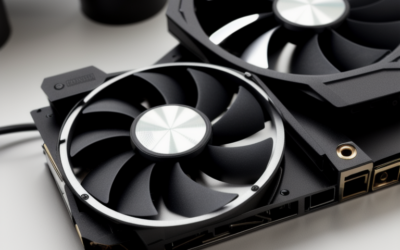
The card’s reputation for heat came from a combination of a large 40 nm chip, high board power and a cooling design that had to dissipate a lot of energy in a relatively compact shroud. Reference coolers used exposed heat pipes on the top of the card, and surface temperatures on a loaded system were commonly described as extreme by owners and reviewers of the time. Fan noise was another frequent complaint, since the blower had to push a lot of air to keep the chip in range.
Partner designs with larger heatsinks and multi-fan coolers improved the situation, but even those cards put a lot of heat into a case. If you find a GTX 480 in a used machine today, the thermal paste is likely dried out, the fan may be worn and the card may idle at temperatures far above what a modern GPU would reach. These are all common causes of crashes and display artifacts in old Fermi cards.
Power Draw and Power Supply Needs
A board power around 250 watts, fed by a six-pin and an eight-pin connector, made the GTX 480 demanding for 2010. Today that draw is similar to what a mid-range modern card might consume, but the 480 delivers a tiny fraction of the performance per watt. Running one in a current system means wasting electricity for little gain.
If you are restoring a retro build, use a power supply with the correct connectors and enough capacity on the 12-volt rails, and avoid adapters that stack several cables off a single rail. Also check that your case has real airflow, because the heat will not leave on its own.
Performance Then and Now
At launch the GTX 480 was among the fastest single-GPU cards available, and it handled the DirectX 11 titles of the time at high settings at 1080p and beyond. Time has not been kind to it. Modern games expect far more memory, newer shader models and features that Fermi hardware does not support, and many current titles will refuse to launch or run poorly on a card of this age. Even light esports games on current engines may struggle.
Where it can still work is in retro setups. It runs older DirectX 9, 10 and 11 titles from its era well, and it can be a fun component in a period-correct build. For that purpose, owners tend to value originality, a clean cooler and a driver set from the time.
Driver and Legacy Status
Fermi-based GeForce 400 and 500 series cards were moved to legacy status by NVIDIA some years ago, which means they no longer receive new Game Ready drivers. The last drivers that supported them came from an older driver branch, and the exact version and its support for newer Windows releases are things to confirm on NVIDIA’s legacy driver notes rather than assume. If you plan to run a modern operating system, check that a compatible driver exists before buying or installing the card.
Old cards like this one can often still output video using a generic driver, but you lose hardware acceleration and features. On Linux, the open Nouveau driver may provide basic support, though performance and features are limited compared with the legacy proprietary drivers. Always download drivers from NVIDIA’s official site and avoid unofficial driver packs.
Upgrade Paths From a GTX 480
If your goal is to play current games, the card needs to be replaced, and in most cases the rest of the system does too. A PC old enough to hold a GTX 480 probably has an old CPU, limited RAM and a power supply that is not suited to modern cards. Check the platform before spending on a GPU. For a basic upgrade that is still compatible with an older system, look at used cards from the GTX 10 or GTX 16 series, such as a GTX 1070 or GTX 1650, as long as your PSU, case and slot support them. For a longer-term build, newer RTX cards bring more efficiency and current features.
Who Should Buy / Skip It
The retro PC collector
A GTX 480 can be a fun centerpiece for a 2010-era build. Prioritize a working cooler, a clean PCB and a seller who can show the card running.
The budget gamer
Skip it. The power draw, heat and missing modern features make it a poor choice for current games, and cheaper modern cards will outperform it with less electricity.
The repair hobbyist
If you like reviving old hardware, a GTX 480 offers a good project. Expect to replace thermal paste and possibly a fan, and keep fire safety and ventilation in mind when running it under load.
Safety and Handling Checklist
- Confirm the card has both required power connectors and a matching power supply.
- Inspect fans, heat pipes and the PCB for damage or corrosion.
- Replace dried thermal paste before running it hard.
- Monitor temperatures during the first runs.
- Check NVIDIA’s legacy driver notes for your operating system.
- Do not expect support for current games.
Frequently Asked Questions
How much power does a GTX 480 use?
NVIDIA rated it at roughly 250 watts of board power, delivered through a six-pin and an eight-pin connector. That is a lot for the performance it provides by modern standards.
Is the GTX 480 still supported by NVIDIA?
It is a legacy card and no longer receives new Game Ready drivers. Check NVIDIA’s legacy driver notes for the last compatible branch and for operating system support.
Can a GTX 480 play modern games?
Not in any practical sense. It lacks the features and memory that current games expect, so it is best used for older titles and retro builds.
What replaced the GTX 480?
The GTX 580 followed in late 2010 on a refined version of the same architecture. Later generations moved to Kepler, Maxwell, Pascal and Turing, and each brought large gains in efficiency.
Related Guides
- GTX 1630 Review: Low-Profile Budget GPU Worth Buying?
- GTX 1070 Review 2026: Still a Great Budget Used GPU?
- GTX 1080 Review 2026: Is This Used GPU Still Worth It?
- GTX 1650 Review: Is It Still the Best Budget GPU in 2026?


Write Your Review
No reviews yet. Be the first to share your experience!