
- Top Pick: SHIBEVER Snow Boots For Women Warm: Winter Comfortable Non Slip Ankle Boot | Black Fur Lined Boots for All-Day Winter Outdoor Commute – Casual Cold Weather Wear Retain heat without foot fatigue Size 8.5
- Best Value: HOBIBEAR Women's Waterproof Winter Snow Boots Lightweight Warm Faux Fur Lined Mid-Calf Booties(Grey/New,8
- Premium Choice: HOBIBEAR Women's Winter Snow Boots Black, Size 7 | Water Resistant, Lightweight, Warm Faux Fur Lined, Mid-Calf Booties
For women who need winter boots that grip on ice and packed snow, the best choices pair a rubber outsole with a deep, multi-directional lug pattern and a warmth rating that fits your climate: Sorel Caribou and Joan of Arctic for deep cold, Columbia Bugaboot styles for mixed winter walking, Kamik for budget-friendly pull-ons, and boots with Vibram Arctic Grip soles for wet ice.
As an Amazon Associate we earn from qualifying purchases at no extra cost to you.


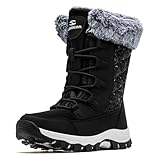

Boot Options at a Glance
| Boot | Best for | Key traits the maker lists | Limits |
|---|---|---|---|
| Sorel Caribou | Deep cold and snowy commutes | Waterproof construction, removable felt liner, rubber lower, with a cold-temperature rating published by the maker | Bulky and heavy; not a hiking boot |
| Sorel Joan of Arctic | Cold weather with a more fashionable shape | Waterproof, insulated, lace-up design with a lugged outsole | Fit runs generous for some; check sizing guidance |
| Columbia Bugaboot series | Mixed winter walking and light hiking | Waterproof, insulated; Omni-Heat insulation in many styles; rubber outsoles | Warmth varies by model; read the rating of the specific pair |
| Kamik winter boots | Budget and lighter use | Waterproof rubber lowers with felt liners in many styles | Less ankle support; tread differs by style |
| Boots with Vibram Arctic Grip | Wet ice and slush | The maker describes the outsole as designed to improve grip on wet ice | Only on certain models from partner brands; not a substitute for ice cleats on glare ice |
What Makes a Boot Slip Resistant
Outsole compound
Soft rubber stays flexible in the cold and grips better than hard plastic-like soles. Vibram Arctic Grip is a specific compound and surface that Vibram describes as made for wet ice, and brands that use it will say so on the product page.
Lug depth and pattern
Deep lugs bite into snow and slush, while many small edges grip packed surfaces. Wide spacing between lugs helps shed snow so the sole does not pack up and turn slick.
Heel design
A defined heel brake and a rolling forefoot help on slopes. Flat, wide soles often feel stable, though they should not be so stiff that they cannot flex when walking.
Add-on traction
No boot solves glare ice. Slip-on traction cleats, such as the Kahtoola, Yaktrax and similar brands, add metal or coil traction for black ice and icy sidewalks. Check each maker’s guidance about which surfaces they are meant for, and take them off on bare floors.
Warmth, Waterproofing and Fit
Temperature ratings
Makers print comfort ratings, but these depend on activity, socks and individual circulation. A boot rated to a very low temperature is typically heavy. If you walk briefly between car and building, a lighter boot may do. If you stand outside for hours, aim for the more insulated models.
Waterproof versus water-resistant
Slush defeats leather alone. Seam-sealed rubber lowers or waterproof membranes handle puddles and meltwater. Water-resistant boots may soak through over time.
Sizing
Leave room for thick socks without allowing the heel to slip. Heel slip is a trip hazard on ice. If you plan to wear orthotics, check that the removable insole can be swapped for them.
Weight
Heavy boots tire the legs on longer walks, which affects balance. Consider whether your daily route is a short sidewalk or several blocks of snow.
Pick X If…
| Your situation | Pick |
|---|---|
| Very cold climate, long time outdoors | Sorel Caribou |
| Cold winters and city style | Sorel Joan of Arctic |
| Snow plus walking trails | Columbia Bugaboot styles |
| Tight budget, occasional snow | Kamik pull-on winter boots |
| Frequent wet ice and slush | A model with Vibram Arctic Grip, plus clip-on cleats |
| Black ice commuting | Any good boot plus slip-on traction cleats |
Option Notes
Sorel Caribou
The Caribou is a classic heavy winter boot. The maker lists waterproof construction and a removable felt liner, and reviewers often note the boot’s warmth in deep snow. The same weight that makes it warm can make it tiring for long walks. It suits people who live where snow stays for months.
Sorel Joan of Arctic
This lace-up style looks less bulky than the Caribou while still offering insulation and a waterproof build, according to the maker. It is a good fit for city commuters in cold climates.
Columbia Bugaboot
Columbia’s Bugaboot line is a mainstay for women who need warmth and traction in mixed conditions. Many versions use Columbia’s Omni-Heat reflective lining, a feature the maker describes as helping retain warmth. Because there are several versions, check each version’s insulation and outsole.
Kamik
Kamik is a Canadian brand known for affordable winter boots. Its rubber-bottom boots with felt liners are common in snowy regions. They suit shorter outings and wet slush. Tread varies from style to style, so look at the sole before choosing.
Vibram Arctic Grip boots
Several brands, including some hiking and winter lines, offer Arctic Grip outsoles. For wet ice, the maker’s claim is the main reason to pick them. They still need care on glare ice.
Budget Tiers
At the budget tier, Kamik-style rubber boots handle snow and slush for short outings. In the mid-range, Columbia and similar brands provide insulation and aggressive outsoles. At the premium tier, Sorel’s heavier boots and Vibram Arctic Grip models give more warmth and ice-focused soles, though weight rises with warmth.
Common Mistakes
- Buying only for temperature rating and ignoring the outsole.
- Choosing a size too big, causing heel slip.
- Walking with hands in pockets on ice.
- Wearing worn-down boots whose lugs are smooth.
- Assuming every boot can grip glare ice.
- Forgetting that salt can stain and dry leather; clean and condition as the maker advises.
Walking Tips on Ice
Take short, flat-footed steps, keep your weight over your front foot, and slow down at curbs, shaded patches and thresholds. If you have a medical condition affecting balance or bone density, ask a doctor or physical therapist about footwear and fall prevention.
Alternatives
- Traction cleats over everyday boots: for icy sidewalks, they add far more grip than most outsoles.
- Hiking winter boots: for trail use with stiffer soles.
- Insulated rain boots: for slush-heavy cities with little deep snow.
Frequently Asked Questions
Which sole is best for ice?
Soft rubber with a design for wet ice, such as Vibram Arctic Grip, is made for this job according to the maker. On glare or black ice, slip-on cleats usually add more traction.
Are Sorel boots slip resistant?
Many Sorel boots have lugged rubber outsoles that grip snow well. Ice grip depends on the specific model, so look at the product page’s outsole description.
How do I know if a boot is warm enough?
Check the maker’s temperature rating, then adjust for how long you will be outside and whether you stand still. Wool socks and removable liners that can be dried help.
Do I need to size up for winter boots?
Often half a size, but not so much that your heel lifts. Try them with the socks you will wear.
Can I add traction to boots I already own?
Yes, slip-on traction devices stretch over most winter boots. Follow the maker’s directions and remove them on hard indoor floors.
How long do winter boot treads last?
It depends on use and surfaces. When lugs wear flat, grip drops, and replacing the boots is safer than hoping for the best.





Write Your Review
No reviews yet. Be the first to share your experience!